The Healthcare Work Nobody Counts
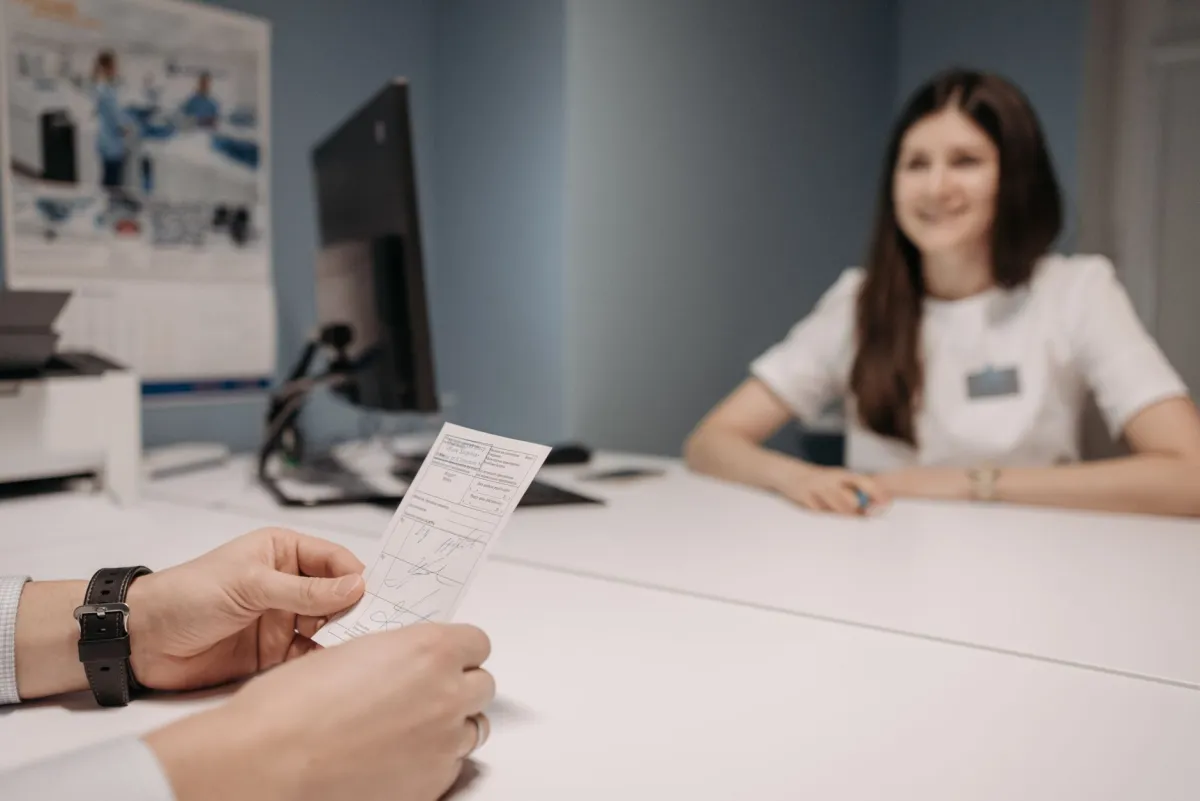
You’re the one who remembers the annual physical, refills the prescriptions, finds an in-network specialist, deciphers the explanation of benefits, and follows up when the referral falls through. And you probably do all of this on top of your job, your relationships, and everything else on your plate.
Turns out, you’re far from alone.
- The Healthcare Work Nobody Counts
- What the Blue Cross Research Actually Found
- Why This Pattern Exists
- How This Affects Women's Own Health
- The Emotional Dimension
- Myth vs. Fact: What People Get Wrong About This Issue
- Practical Ways to Redistribute the Load
- What the Healthcare System Can Do Better
- Supporting Your Own Health While Carrying the Load
- When to Ask for Professional Support
- FAQ
- The Bottom Line
This kind of unpaid, largely unrecognized effort has a name in sociology: the mental load, the constant background planning and organizing that keeps a household’s health on track. A report from Blue Cross released in 2026 suggests it falls heavily on women in ways that the healthcare system has been slow to acknowledge.
What the Blue Cross Research Actually Found
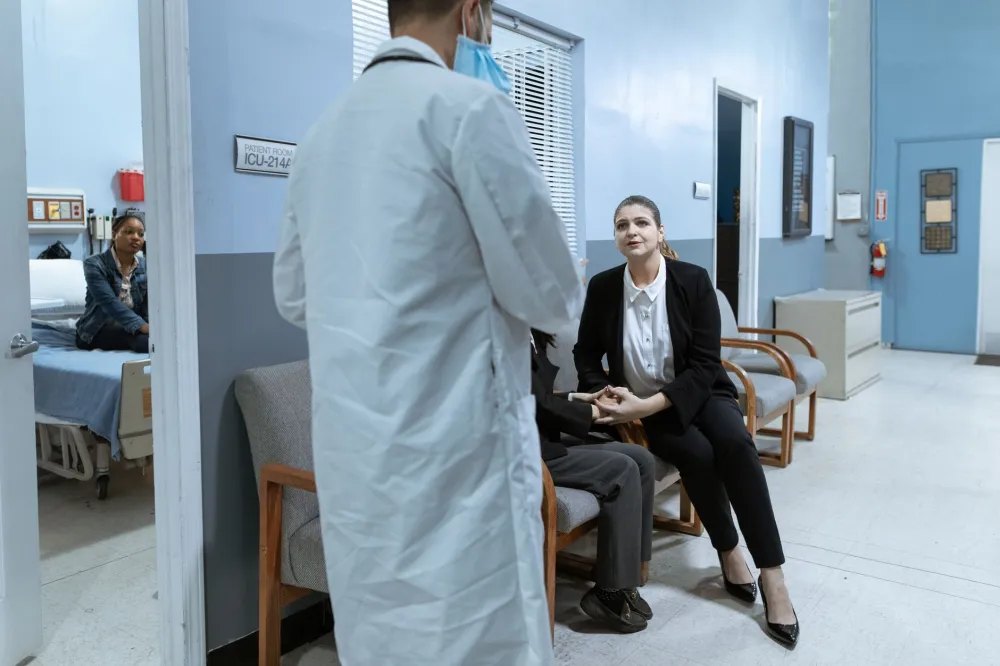
New research from Blue Cross suggests women shoulder a disproportionate burden of what researchers call the “hidden labour” of healthcare. That includes scheduling appointments, managing insurance paperwork, researching diagnoses, coordinating care between providers, and serving as the primary health decision-maker for children, partners, and aging parents.
The report frames this as a systemic issue, not just a personal inconvenience. When one person in a household consistently absorbs this cognitive and logistical weight, researchers note it can affect that person’s own health outcomes over time. Chronic stress from administrative overload is a real physiological pressure, not just an annoyance.
The Blue Cross findings point to patterns across large populations, though individual households vary enormously. But the overall trend, that women are more likely to be the family’s unofficial health manager, aligns with decades of research on the gendered division of caregiving labour in the United States.
Why This Pattern Exists
The reasons women end up managing family healthcare are layered. Some of it is cultural expectation. Some of it is the fact that women, on average, interact with the healthcare system more frequently for their own reproductive and preventive care, which means they build more familiarity with how it works.
Healthcare systems are also built around daytime business hours, phone calls, and paperwork-heavy processes that favor whoever has more scheduling flexibility. Research consistently shows that women, even those working full-time, tend to have more scheduling flexibility assumed of them by employers, by schools, and by healthcare offices themselves.
There’s also the expertise accumulation loop. Once you’ve figured out how to navigate a specific insurer’s prior authorization process, you become the household’s de facto expert. And so the task gravitates to you the next time, and the time after that.
How This Affects Women’s Own Health
Here’s the frustrating irony: women who spend the most energy managing everyone else’s healthcare often end up deprioritizing their own. This isn’t a character flaw. It’s a predictable consequence of finite time and attention.
The CDC tracks preventive care utilization and has long noted that caregiving responsibilities are among the most commonly cited reasons women delay or skip their own medical appointments. When you’re the one keeping every other ball in the air, your own annual physical can feel like a luxury rather than a necessity.
Chronic stress also has measurable health effects. Elevated cortisol over time is associated with disrupted sleep, immune changes, cardiovascular strain, and shifts in mood and cognition. For women already navigating demanding caregiving roles, the administrative burden of healthcare can compound these pressures in ways that are easy to miss because they build gradually.
If you’ve been putting off your own care while managing everyone else’s, that pattern deserves attention. The guide to small daily habits linked to longevity is a good starting point for reclaiming your own health baseline without overhauling your whole schedule at once.

The Emotional Dimension
Numbers capture some of this, but not all of it. The Blue Cross research quantifies patterns, but what the data can’t fully show is the texture of the experience: the mental tab you keep open all day for your mom’s cardiology follow-up, the guilt when someone’s appointment slips through, the exhaustion of being the person who has to call back when a referral goes unanswered.
Research on emotional labour, a concept developed by sociologist Arlie Hochschild, shows that managing feelings, both your own and others’, in a service-oriented context carries real psychological weight. Healthcare management asks women to do exactly this, repeatedly and without formal recognition.
This matters for the conversation around women’s mental health, which remains underdiagnosed and undertreated. If you’ve been reading about the connection between stress and physical symptoms, the deep look at endometriosis and mental health on this site explores how the two interact in ways medicine is only beginning to take seriously.
Myth vs. Fact: What People Get Wrong About This Issue
| Common Assumption | What Research Suggests |
|---|---|
| “Women are just more naturally organized.” | Research points to socialized expectation, not innate ability, as the driver. |
| “This only affects stay-at-home caregivers.” | Studies consistently find the pattern holds across employment status. |
| “Men would help if asked.” | The burden of asking is itself part of the mental load; real sharing involves noticing, not waiting. |
| “Better apps will fix this.” | Tools help, but system-level change in how care is delivered matters more. |
| “This doesn’t affect women’s physical health.” | Chronic administrative stress is associated with measurable health effects over time. |
Practical Ways to Redistribute the Load
Systemic change takes time. But there are things you can start doing at the household level right now that may genuinely reduce the burden on any one person.
What the Healthcare System Can Do Better
Individual strategies only go so far. The Blue Cross research is valuable precisely because it points to structural gaps, not personal failures. Several changes at the system level could meaningfully reduce the burden women carry.
Extended and evening hours for primary care, digital-first scheduling and follow-up options, and care coordinators who proactively reach out rather than waiting for patients to call back would all reduce the friction that lands disproportionately on family health managers. Some health systems and employers have begun piloting these changes, though uptake remains uneven.
Advocacy matters here too. When women share their experiences with their providers, their HR departments, and their insurers, that data has real influence. Patient experience surveys, however tedious they feel, do inform how health systems allocate resources.
Supporting Your Own Health While Carrying the Load
The practical reality is that change in household dynamics and healthcare systems happens slowly. In the meantime, protecting your own health while carrying caregiving and administrative responsibilities requires intentional habits, not heroic willpower.
Sleep is probably the single highest-leverage variable. Research consistently links sleep deprivation to impaired decision-making, mood dysregulation, and lowered immune function, all of which make the caregiving load feel heavier and harder to manage. If sleep is being sacrificed to mental planning time, that’s a pattern worth examining.
Movement matters too, even in small doses. If a full gym session feels impossible right now, consider what the research on walking versus rest for common physical complaints suggests: moderate, consistent movement often beats doing nothing even when you’re tired, and the threshold for benefit is lower than most people assume.
Stress and gut health are more tightly connected than many people realize. If you notice digestive changes during high-stress periods, that’s not imaginary. The science behind the stress and gut health connection explains the mechanism in practical terms.

When to Ask for Professional Support
There’s a meaningful difference between the manageable friction of healthcare administration and a level of stress or burnout that needs professional attention. Some signs it may be time to talk to someone, whether a primary care doctor, a therapist, or both:
- Persistent exhaustion: fatigue that doesn’t resolve with rest is a clinical symptom, not just tiredness.
- Emotional numbness or cynicism: if caring feels impossible rather than just hard, that can signal burnout.
- Physical symptoms without a clear cause: headaches, digestive upset, and recurring infections can all be stress-related, and all are worth discussing with a doctor.
- Avoidance of your own care: if you’re actively putting off appointments for yourself, that pattern deserves a direct conversation with a provider.
Severe or sudden symptoms, including chest pain, shortness of breath, sudden severe headache, or new neurological changes, always warrant immediate medical attention. Please don’t delay care for those.
For ongoing health questions and practical guidance you can actually use, the resource library at Better Life Carez covers a wide range of everyday health topics written in plain language by people who take the research seriously.
FAQ
The Bottom Line
Research from Blue Cross suggests women carry a disproportionate share of the hidden work of managing healthcare for themselves and their families, and that this burden has real consequences for their own health over time. Understanding the pattern is the first step. The second is making the invisible work visible so it can actually be shared. And the third, which is non-negotiable, is protecting your own healthcare as seriously as you protect everyone else’s. You cannot be the family’s health manager if your own health goes unmanaged. Start by booking your own appointment first.
This article is for informational purposes only and is not a substitute for professional medical advice, diagnosis, or treatment. Always consult a qualified healthcare provider about your specific situation. If you experience severe or sudden symptoms, seek medical care immediately.