


Your back went out this morning, and now you’re standing in the kitchen debating whether to lace up your sneakers or collapse onto the couch for the rest of the day. It’s one of the most common questions in back pain recovery, and the research gives a fairly clear answer.
- Why Does Back Pain Make You Want to Stop Moving?
- What Does the Research Actually Say About Walking vs Rest?
- Is There Any Good Reason to Rest?
- Walking vs Rest for Back Pain: A Side-by-Side Look
- How to Start Walking When Your Back Hurts
- Common Myths About Back Pain and Rest
- When Walking Isn't Enough
- What to Expect in the First Two Weeks
- FAQ
- The Bottom Line
Why Does Back Pain Make You Want to Stop Moving?
The reflex to rest when something hurts is completely human. Pain is your body’s alarm system, and the natural response is to guard the area, protect it, and wait for the alarm to stop. Back pain is especially convincing because it can make ordinary things, like standing up from a chair or reaching for a glass, feel risky.
But here’s the thing: most common back pain, especially the aching, stiffness-heavy kind that shows up after a long week at your desk or an ambitious Saturday in the garden, does not involve structural damage that rest will repair. It often involves tight muscles, minor joint irritation, or inflamed soft tissue. Those issues generally respond better to gentle circulation than to stillness.
If you’ve ever dealt with the kind of low back stiffness that actually feels worse after a long sleep, you’ve already experienced this firsthand. The back stiffens up when it’s not moving. Movement, even slow and easy movement, can loosen things up.
What Does the Research Actually Say About Walking vs Rest?
The evidence has shifted pretty decisively over the past two decades. Harvard Health notes that extended bed rest is no longer recommended for most acute low back pain, a stance now shared by major clinical guidelines across the country. The Mayo Clinic specifically recommends continuing normal activities as much as your pain level allows, rather than waiting it out flat on your back.
A notable body of research supports walking in particular. The WalkBack trial, published in The Lancet in 2024, followed 701 adults who had recently recovered from low back pain. Those given a walking program plus physiotherapist education went a median of 208 days before their pain returned, compared with 112 days for people who got no intervention. Other research has shown that people who stay active during a back pain episode tend to recover faster and report lower pain levels after a few weeks compared to those who rest completely.
Why does walking help? A few mechanisms are likely at play. Walking promotes blood flow to the spinal discs and surrounding muscles, which helps deliver oxygen and remove waste products from inflamed tissue. It also activates the core muscles that support the spine, gently, without the strain of more intense exercise. Movement also triggers the release of endorphins, the body’s natural pain-moderating chemicals.
Is There Any Good Reason to Rest?
Yes, absolutely. The goal isn’t to dismiss rest entirely. Short periods of rest, especially in the first 24 to 48 hours after a sharp pain episode, can be genuinely useful. If you’re in severe pain and every step feels like a jolt, forcing yourself to power-walk around the block isn’t the move.
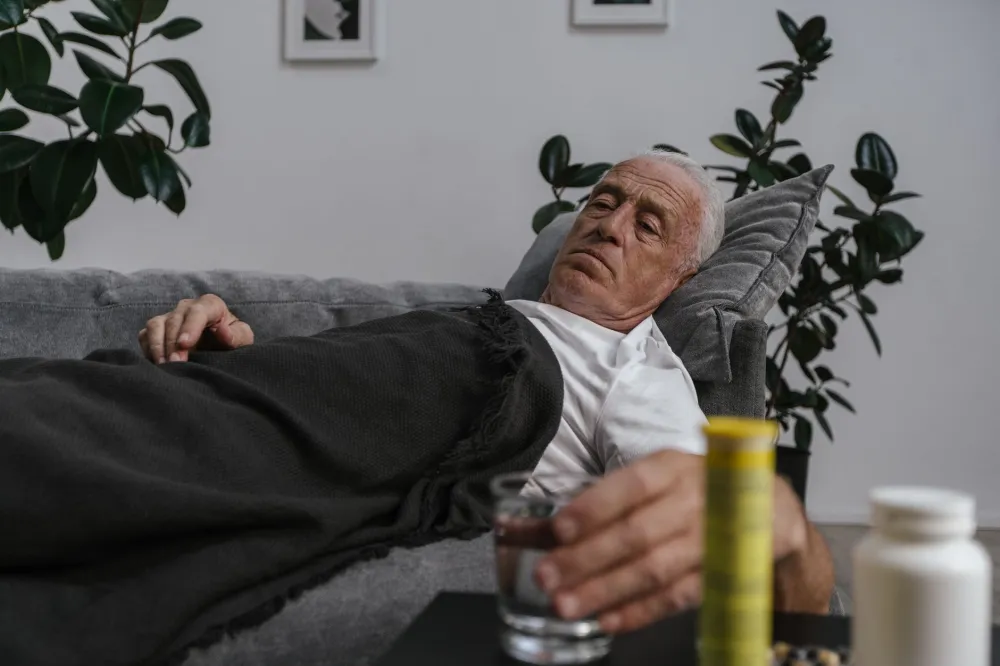
The key distinction is between short-term rest and prolonged bed rest. Lying down for a few hours when pain is at its worst is reasonable. Staying in bed for three, four, or five days is where the research draws the line. Prolonged immobility can cause muscles to weaken and tighten, may increase inflammation, and often leads to a longer overall recovery time.
There’s also the psychological piece. When people spend extended time resting because of back pain, they sometimes develop fear of movement that becomes its own barrier to recovery, even after the physical injury has settled down. Gentle movement, done carefully and consistently, can help interrupt that cycle early.

Walking vs Rest for Back Pain: A Side-by-Side Look
Here’s a practical breakdown of how the two approaches compare across the factors that matter most during a back pain episode.
| Factor | Walking (Gentle) | Prolonged Bed Rest |
|---|---|---|
| Short-term pain relief | Moderate; may ease stiffness | Temporary comfort only |
| Recovery speed | Associated with faster recovery | May prolong recovery |
| Muscle strength | Maintains and gently builds | Weakens with extended rest |
| Inflammation | Movement aids circulation | May worsen with inactivity |
| Risk of recurrence | Lower with regular walking | Higher if inactivity continues |
| Mental health impact | Supports mood and confidence | Can increase anxiety about pain |
| Best suited for | Most acute and subacute pain | First 24-48 hours of severe pain |
How to Start Walking When Your Back Hurts
Starting small is not a weakness. It’s actually the right strategy. The goal in the early days of a back pain episode is to keep the body moving without provoking a significant increase in pain. Most physical therapists suggest working within what’s called a “comfortable pain range,” meaning some mild discomfort during movement is okay, but sharp, shooting, or worsening pain is a signal to stop and reassess.
Here’s a realistic approach to getting started:
If your back pain is related to sitting at a desk for long hours, the article on desk posture and back pain from sitting all day has useful context on how your daily setup may be contributing to the problem.

Common Myths About Back Pain and Rest
There’s a lot of outdated advice floating around, some of it passed down from well-meaning family members, some of it from older medical guidance that’s since been revised. Here are the ones worth clearing up.
Myth: Rest is always safest. For the first day or two, some rest is fine. Beyond that, current evidence points the other direction. Guidelines from major medical organizations consistently recommend staying as active as tolerable during a back pain episode.
Myth: If it hurts to walk, you’ll make the injury worse. Some discomfort during movement is normal and doesn’t mean you’re causing damage. The type of pain matters more than the presence of pain. Mild, manageable aching during a short walk is very different from sharp nerve pain radiating down your leg.
Myth: You need to wait until the pain is completely gone before moving. Waiting for zero pain before resuming activity can actually delay recovery significantly. Gradual return to movement, guided by your comfort level, is generally more effective than waiting for a green light that may not come.
A closely related myth is that a firm mattress automatically helps back pain. The evidence on mattress firmness is actually mixed, and what works varies from person to person. What’s consistent in the research is that spending days horizontal on any surface tends to be less helpful than gently getting upright and moving.
When Walking Isn’t Enough
Walking helps a lot of people. But it’s not a universal fix, and there are situations where it’s not the right first step at all.
You should skip the walk and see a doctor if your back pain comes with any of the following: numbness or tingling that runs down one or both legs, weakness in your legs or feet, pain that started after a fall or accident, loss of bladder or bowel control, or pain that is severe and getting worse rather than better with time. These can be signs of nerve involvement or other conditions that need medical evaluation, not a 10-minute walk around the block. New loss of bladder or bowel control, or numbness in the groin or inner thighs, is an emergency, so go to an emergency room right away.
Similarly, if you have a known condition like a herniated disc (where the soft cushioning between spinal vertebrae pushes outward and presses on nearby nerves), spinal stenosis (narrowing of the spinal canal), or osteoporosis (bone thinning that can make fractures more likely), your activity plan should be shaped by your healthcare provider. Generic advice, including this article, can’t account for your specific anatomy.
For anyone dealing with back pain that showed up or got worse after lifting at the gym, the guide on back pain after the gym covers some of the specific mechanics worth understanding.

What to Expect in the First Two Weeks
Recovery timelines vary, but here’s a realistic picture for most common acute low back pain episodes where walking is incorporated early.
Days 1 to 2: Rest as needed, but try to get up and move briefly every hour or so. Even a 5-minute walk around the house counts. Avoid sitting or lying still for hours at a stretch.
Days 3 to 5: If pain is not worsening, aim for one or two short outdoor walks of 10 to 15 minutes each. Many people notice morning stiffness is worse and afternoon walking feels more manageable.
Week 2: Gradually build toward 20 to 30 minutes of walking once daily, still at a comfortable pace. Research suggests most uncomplicated acute back pain begins to significantly improve within the first two weeks with active management. If yours isn’t, that’s a cue to check in with your doctor.
Some people also find that small daily habits made a measurable difference in how their pain behaved week to week. The daily habits linked to longevity and better health outcomes piece touches on consistent movement as one of the highest-yield behaviors you can build into your routine.
FAQ
The Bottom Line
For most cases of common lower back pain, gentle walking beats prolonged bed rest. The research is consistent on this point: staying moderately active tends to shorten recovery time, maintain muscle strength, and reduce the risk of pain coming back. Short rest periods in the first day or two are reasonable, especially when pain is at its sharpest, but lying down for multiple days is associated with slower, not faster, recovery.
Start with 5 to 10 minutes of flat walking, listen to your body, and build gradually. And if your pain includes numbness, leg weakness, or isn’t improving after two weeks, see a healthcare provider rather than walking it off and hoping for the best. Movement is medicine, but it works best when paired with good judgment.
This article is for informational purposes only and is not a substitute for professional medical advice, diagnosis, or treatment. Always consult a qualified healthcare provider about your specific situation. If you experience severe or sudden symptoms, seek medical care immediately.
Sources
- The Lancet: WalkBack randomised controlled trial (2024)
- Mayo Clinic: Back pain, diagnosis and treatment

Back and Neck Pain
Browse every related article on this topic in one place.