

A double chin is one of the most common things people want to change about their appearance, and one of the most misunderstood. It is not always about weight. Genetics, the shape of your jaw, ageing skin and even the way you hold your head all play a part.
This guide explains what actually causes a double chin and neck fat, which approaches make a real difference, which popular tips do not, and when a lump under the chin is worth getting checked.
What Causes a Double Chin?
The medical name for a double chin is submental fullness, and the fat itself is called submental fat, meaning fat below the chin. Several things can cause it, often together:
- Weight gain. When body fat increases, the area under the chin is a common place for it to collect.
- Genetics. Some people store fat under the chin even at a healthy weight, because that is where their body tends to put it.
- Jaw and chin shape. A small or receding chin or a low tongue and throat position gives the skin less support, so a double chin shows even in slim people.
- Ageing skin. Collagen and elastin decline with age, and the thin neck muscle (the platysma) loosens. Skin starts to sag even without extra fat.
- Posture. Pushing the head forward and looking down at screens folds the skin under the chin and makes a double chin look bigger. This is a temporary effect, but a common one.
- Fluid or swelling from salt, alcohol or allergies can make the area look fuller for a short time.
Neck Fat vs Double Chin: Are They the Same?
People use the terms interchangeably, but they are not quite the same thing.
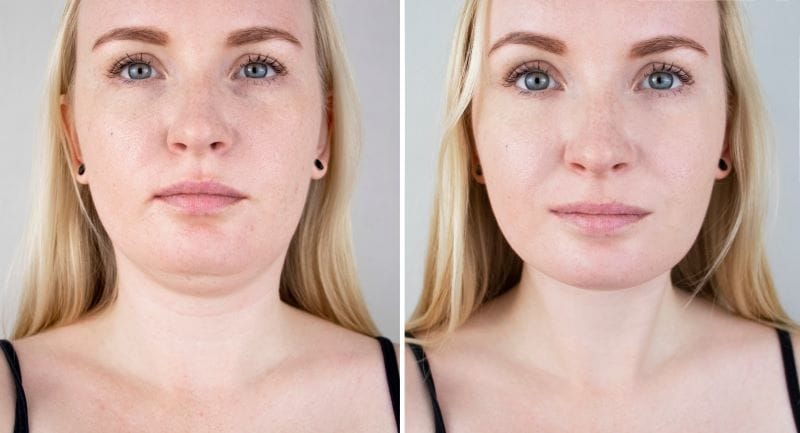
- A double chin usually means fat sitting directly under the chin and jaw, in the submental area. It sits above the deeper neck muscles and is the area treated by fat-dissolving injections and chin liposuction.
- Neck fat is a broader term. It can mean fat lower on the front of the neck, around the sides or at the back of the neck, which tends to build up with general weight gain. Loose skin and neck bands, which become more visible with age, are often mistaken for fat.
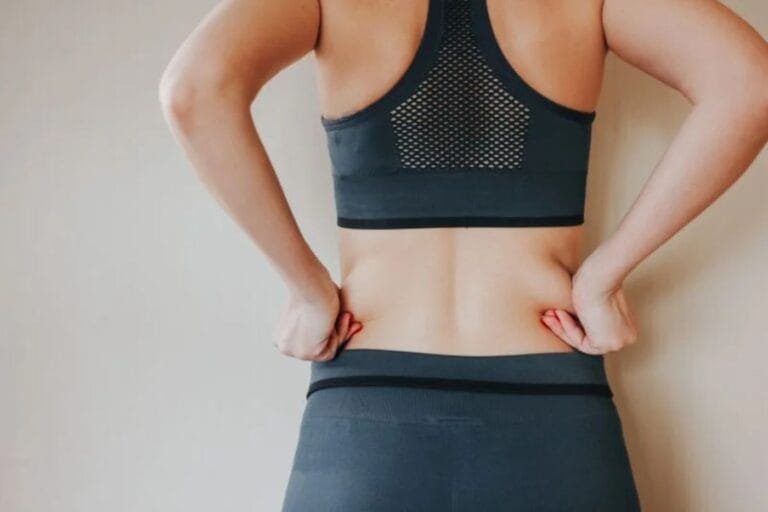
What they have in common is that you cannot burn fat from one spot by exercising that spot. Spot reduction has been tested many times. In one well-known trial, people who did weeks of abdominal exercises lost no more belly fat than people who did not. Your body draws on fat stores from all over when you are in an energy deficit, and genetics decide where it comes off first. The same applies to the chin, the neck and love handles.
So the answer depends on the cause. If the fullness comes from overall body fat, gradual weight loss is the main fix. If it is genetic fat that will not shift at a healthy weight, a medical treatment may be the only thing that removes it. If it is mainly loose skin, a skin-tightening procedure or neck lift deals with that, not exercise.
Lose Body Fat Gradually
If you carry extra weight, losing some of it is the most reliable non-medical way to reduce a double chin and neck fat. Many people notice their face and neck slimming early in weight loss.
- Eat in a way you can keep up. Base meals on vegetables, fruit, whole grains, beans, fish and lean protein. The Mediterranean diet is a well-studied, easy pattern to follow.
- Get enough protein at each meal to stay full and protect muscle.
- Cut back on sugary drinks, alcohol and very salty foods, which add calories and can make the face look puffier.
- Move most days. A mix of cardio and muscle-strengthening work helps. Our comparison of strength training vs cardio explains how they work together.
- Sleep 7 to 9 hours. Short sleep raises appetite and makes weight loss harder.

Do Double Chin Exercises Work?
Facial and neck exercises will not burn the fat under your chin. What they may do is strengthen the muscles under the jaw and improve your posture, which can make the jawline look a little firmer. The evidence for that is limited, but these moves are safe and take only a few minutes:
- Chin tucks. Sit or stand tall and gently draw your chin straight back, as if making a double chin on purpose. Hold for 5 seconds and repeat 10 times. This also counters forward head posture.
- Tongue press. Press your whole tongue firmly against the roof of your mouth and hold for 10 seconds. You should feel the muscles under the chin working.
- Jaw jut. Tilt your head back slightly, push your lower jaw forward and hold for 10 seconds.
- Neck curl. Lie on your back, tuck your chin and lift your head a few centimetres off the floor. Lower slowly. Skip this if you have neck problems.
If you spend hours at a desk, the bigger win may come from posture itself. Try our neck stretches for desk workers and raise your screen to eye level so you are not looking down all day.
Popular Tips That Do Not Work
Plenty of remedies are promoted online with no good evidence behind them:
- Chewing gum works the jaw muscles but does not burn fat under the chin.
- Green tea, apple cider vinegar or lemon water will not target neck fat. Drinking water is good for you, but it does not melt fat.
- Chin straps, wraps and creams may cause a temporary change from compression or fluid shifts, which disappears within hours.
- Jaw exercisers and face yoga gadgets have little research behind them, and overusing them can strain the jaw joint.
Medical and Cosmetic Treatments
If a double chin remains after you reach a healthy weight, or if it is caused mainly by genetics or loose skin, these options are proven to work. They should be done by a board-certified dermatologist or plastic surgeon.
| Treatment | Best for | What to expect |
|---|---|---|
| Deoxycholic acid injections (Kybella) | Small to moderate fat under the chin | Usually 2 to 4 sessions about a month apart. Swelling, bruising and numbness for days to weeks. Results are long lasting. |
| Cryolipolysis (fat freezing) | Small pinchable pockets of fat | Usually 1 to 2 sessions. Mild swelling and numbness. Results build over about 2 to 3 months. |
| Liposuction of the chin and neck | Moderate fat with reasonably firm skin | Minor surgery, often under local anaesthetic. A week or two of swelling and wearing a compression garment. |
| Skin tightening (radiofrequency, ultrasound) | Mild skin laxity | Modest, gradual tightening over several months. No fat removal. |
| Neck lift | Loose skin, neck bands, more advanced ageing | Surgery with several weeks of recovery. The most dramatic, longest lasting result. |
Fat removed by injections, freezing or liposuction does not come back, but the remaining fat cells can still grow if you gain weight. A rare but known risk of Kybella is temporary nerve injury that causes an uneven smile, so experience matters.
FAQ
Can you get rid of a double chin without surgery?
Often, yes. Weight loss reduces it for many people, and non-surgical treatments such as deoxycholic acid injections and fat freezing can remove stubborn fat. Loose skin is harder to fix without surgery.
How long does it take to lose a double chin?
With steady weight loss, many people notice a difference within a couple of months. Injections and fat freezing usually take two to three months to show full results.
Why do I have a double chin when I am thin?
Genetics, a small or receding chin, posture and loose skin can all cause a double chin at a healthy weight. In that case, weight loss will not help much.
Does drinking water get rid of a double chin?
Not directly. Staying hydrated supports general health, and our guide to how much water you really need covers the details, but water does not burn fat in any specific area.
Will chin exercises make my face slimmer?
No. They may tone muscles and help posture, but they will not reduce fat on your face or neck.
The Bottom Line
A double chin and neck fat come from a mix of body fat, genetics, jaw shape, ageing skin and posture. Because spot reduction does not work, exercises alone will not remove it. Gradual weight loss helps when extra weight is the cause, better posture makes it look smaller, and proven medical treatments can deal with stubborn fat or loose skin. Get any new or one-sided neck lump checked by a doctor. Find more guides in our weight loss and nutrition hub.
This article is for general information and is not a substitute for advice from your doctor or dermatologist.
Sources
- Cleveland Clinic: How To Get Rid of a Double Chin
- American Society of Plastic Surgeons: Neck Lift
- American Society of Plastic Surgeons: Liposuction
- Vispute et al., The Effect of Abdominal Exercise on Abdominal Fat, J Strength Cond Res 2011
Medical disclaimer: This article is for general information only and is not a substitute for advice, diagnosis or treatment from a qualified health professional. If your symptoms are severe, sudden or getting worse, contact a doctor or emergency services.

Weight Loss and Nutrition
Browse every related article on this topic in one place.





Comments are closed.