
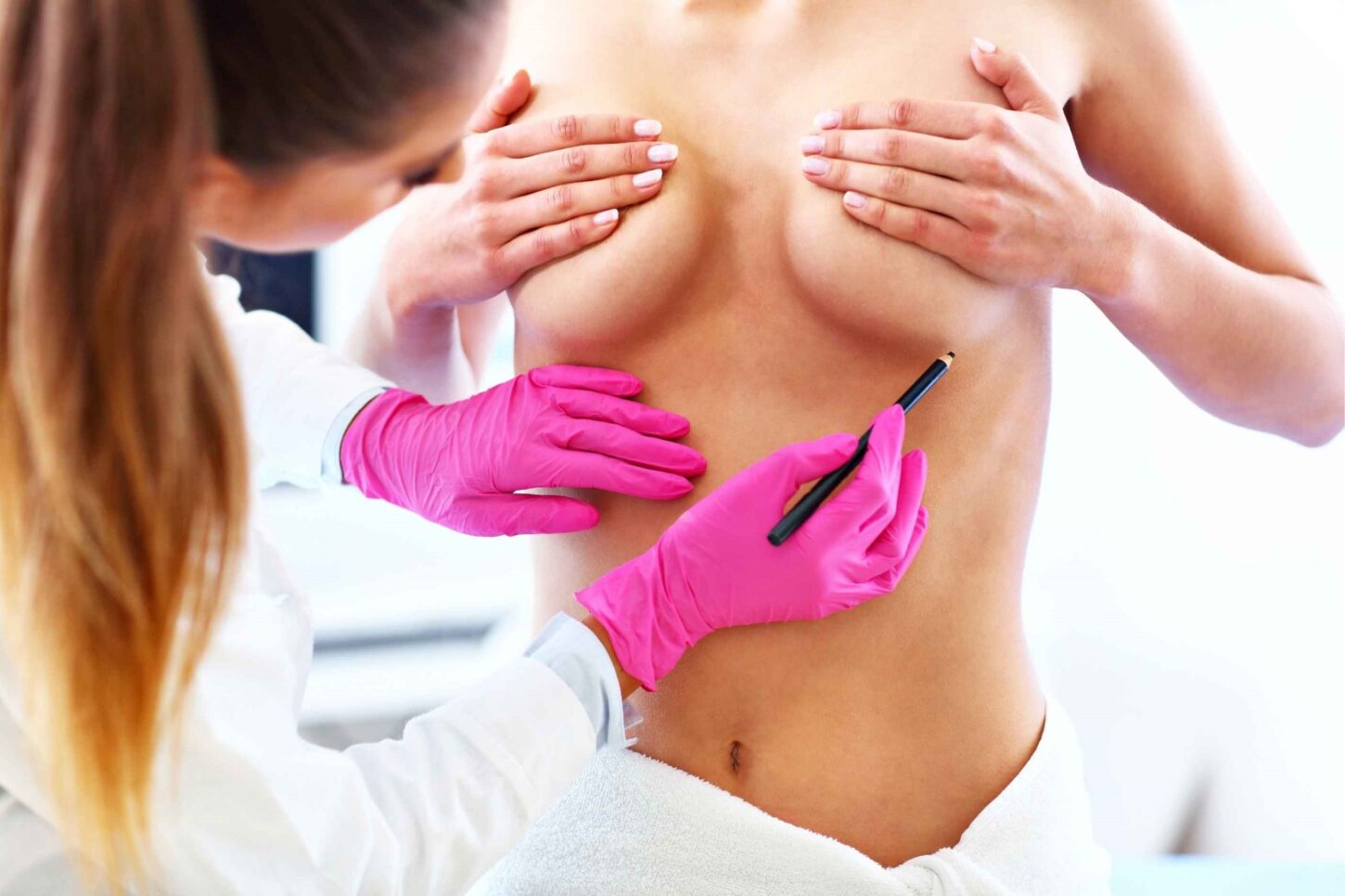
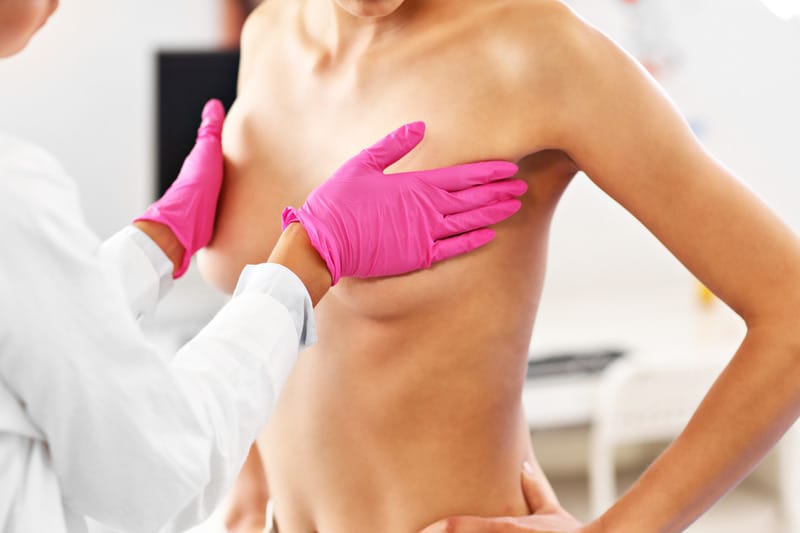
Breasts naturally change shape over time. Pregnancy, breastfeeding, weight changes and age all stretch the skin and supporting tissue, so the breasts sit lower and the nipples may point downward. A breast lift, known medically as a mastopexy, is surgery that raises and reshapes the breasts. This guide explains who it suits, the main techniques, what recovery involves and the risks to weigh up.
Why Breasts Sag
Sagging, which doctors call ptosis, happens when the skin and internal ligaments that support breast tissue lose elasticity. Common reasons include:
- Pregnancy and breastfeeding, which stretch tissue as the breasts enlarge and then shrink
- Significant weight loss or weight swings
- Ageing and the natural loss of collagen and elasticity
- Gravity over time, especially with larger breasts
- Genetics, which affect skin quality and breast shape
- Smoking, which damages collagen in the skin
What a Breast Lift Can and Cannot Do
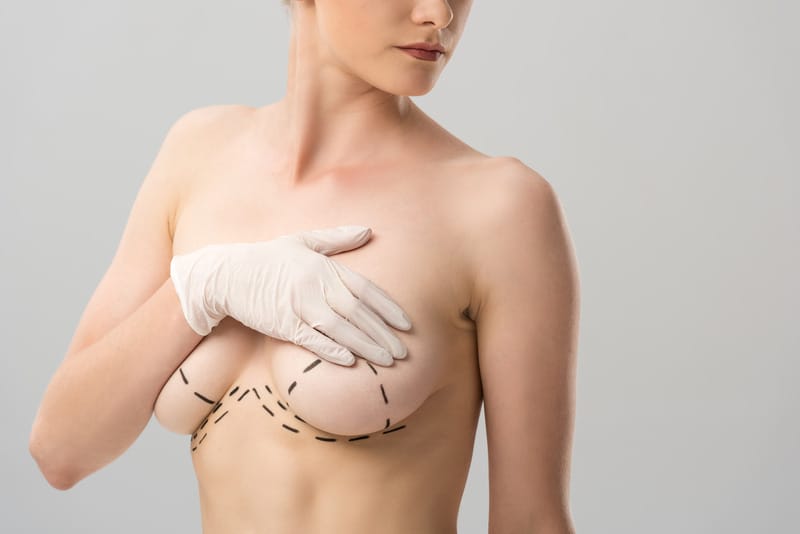
A breast lift removes excess skin, tightens the surrounding tissue and moves the nipple and areola higher. It can also make large or stretched areolas smaller. According to the American Society of Plastic Surgeons, it reshapes the breasts but does not significantly change their size.
If you want more fullness, especially in the upper part of the breast, a lift can be combined with breast implants or fat transfer. If you want smaller breasts, a breast reduction also lifts them.
Who Is a Good Candidate?
- You are in good general health.
- Your weight has been stable for some time.
- You do not smoke, or you are willing to stop well before and after surgery.
- You have realistic expectations about results and scars.
- Ideally, you have finished having children, as future pregnancy and breastfeeding can stretch the breasts again.
Types of Breast Lift
The technique depends mainly on how much the breasts sag and how much skin needs removing. More lift usually means longer scars.
| Technique | Incision | Usually suits |
|---|---|---|
| Crescent lift | A half-moon along the top edge of the areola | Very mild sagging, often alongside implants |
| Periareolar (doughnut) lift | A circle around the areola | Mild sagging |
| Vertical (lollipop) lift | Around the areola and straight down to the breast crease | Moderate sagging |
| Inverted T (anchor) lift | Around the areola, down to the crease and along the crease | Significant sagging and excess skin |
The Procedure and Recovery
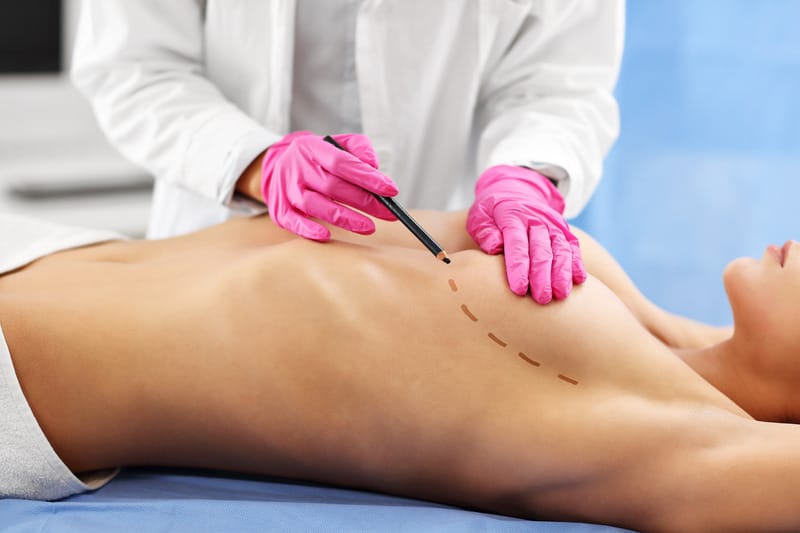
A breast lift is usually done under general anaesthesia and takes a few hours. Many people go home the same day or after one night.
- First days: soreness, swelling and bruising are normal. You will wear a supportive surgical bra, and you may have small drains.
- First 1 to 2 weeks: most people return to desk work and light activities. Avoid lifting and stretching your arms above your head.
- 4 to 6 weeks: most can return to exercise and heavier activity, guided by the surgeon.
- Months: swelling settles and the breasts settle into their final shape. Scars are red at first and usually fade and flatten over 12 to 18 months, though they do not disappear.
Risks and Side Effects
- Noticeable or thickened scars
- Changes in nipple or breast sensation, which may be temporary or permanent
- Uneven breast shape or nipple position
- Infection, bleeding or poor wound healing
- Difficulty breastfeeding in the future
- Rarely, partial or total loss of the nipple and areola if blood supply is affected
- Risks of general anaesthesia, including blood clots
Smoking greatly increases the risk of wound problems. The NHS advice on cosmetic surgery recommends choosing a surgeon carefully, checking their qualifications and taking time to decide.
How Long Results Last
Results are long-lasting, but a lift does not stop the ageing process. Over the years, gravity, pregnancy and weight changes can lead to some sagging again. Keeping a stable weight and wearing a supportive bra help results last.
Non-Surgical Alternatives
Nothing short of surgery can truly lift sagging breast tissue, but some options can improve the look of your chest:
- A well-fitted supportive bra
- Chest strengthening exercises, which build the muscle behind the breasts
- Keeping a stable weight and not smoking
Our guide to what works for perkier breasts covers these in detail, and our look at the vampire breast lift explains why PRP injections are not a substitute for surgery.
Nicotine can slow healing, so surgeons usually ask you to stop before and after surgery. See how long nicotine stays in your system.
Thinking about combining procedures? Our guide to the tummy tuck explains recovery and what to expect.
FAQ
Is a breast lift painful?
You will have soreness for the first few days, which is usually manageable with prescribed or over-the-counter pain relief. Discomfort eases steadily over the first one to two weeks.
Will a breast lift make my breasts bigger?
No. A lift raises and reshapes the breasts but does not add volume. Implants or fat transfer are needed for that.
Can I breastfeed after a breast lift?
Many people can, especially when the nipple stays attached to the underlying tissue, but there is some risk of reduced milk supply. Discuss this with your surgeon if you plan to breastfeed.
Is a breast lift covered by insurance?
Usually not, because it is considered cosmetic. Costs vary widely by surgeon and location.
The Bottom Line
A breast lift removes excess skin and repositions the nipple to give a higher, firmer shape. It suits people with stable weight who do not smoke and have finished having children. Expect permanent but fading scars, a few weeks of recovery and some risks, including changes in sensation. Choose a board-certified plastic surgeon and take time to discuss your goals.
This article is for general information and is not a substitute for advice from a qualified surgeon.
Sources
- American Society of Plastic Surgeons: Breast Lift
- NHS: Cosmetic Surgery
- Cleveland Clinic: Vampire Breast Lift
Medical disclaimer: This article is for general information only and is not a substitute for advice, diagnosis or treatment from a qualified health professional. If your symptoms are severe, sudden or getting worse, contact a doctor or emergency services.

Women's Health
Browse every related article on this topic in one place.