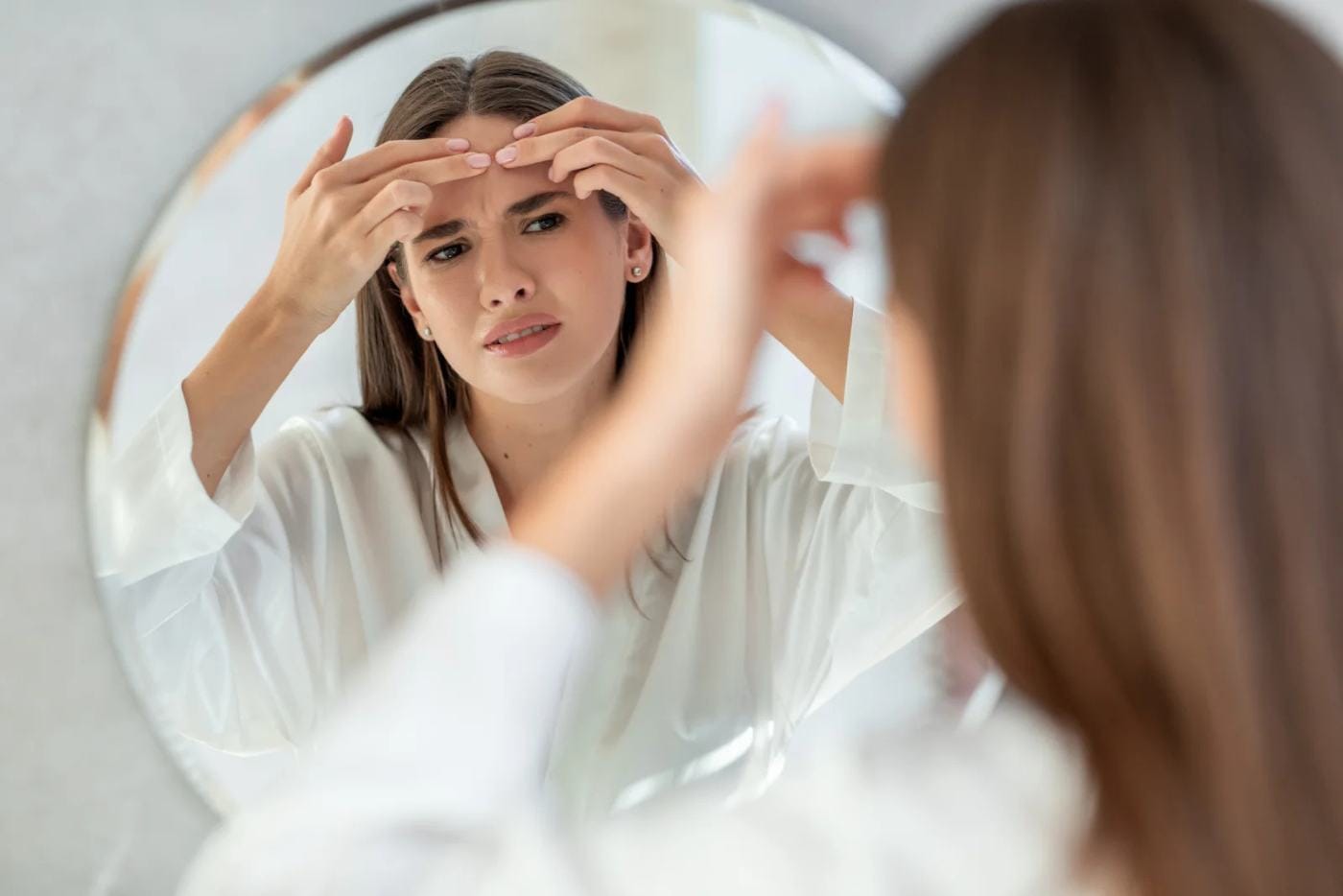
It’s tempting to pop a pimple when you see one, but this is not the best idea. Pimple popping can cause irritation and inflammation of the skin. It is not recommended to pop a pimple, as it can lead to infection and scarring. Pimples form when dead skin cells and bacteria clog the pores of the skin.
The particles that cause this blockage are called comedones, which can be whiteheads or blackheads. If you choose to pop a pimple, cleanse the area with warm water and a gentle cleanser. Then, use an over-the-counter product with salicylic acid or benzoyl peroxide for the best results. You may also apply rubbing alcohol to the area before extraction.
How pimples form:
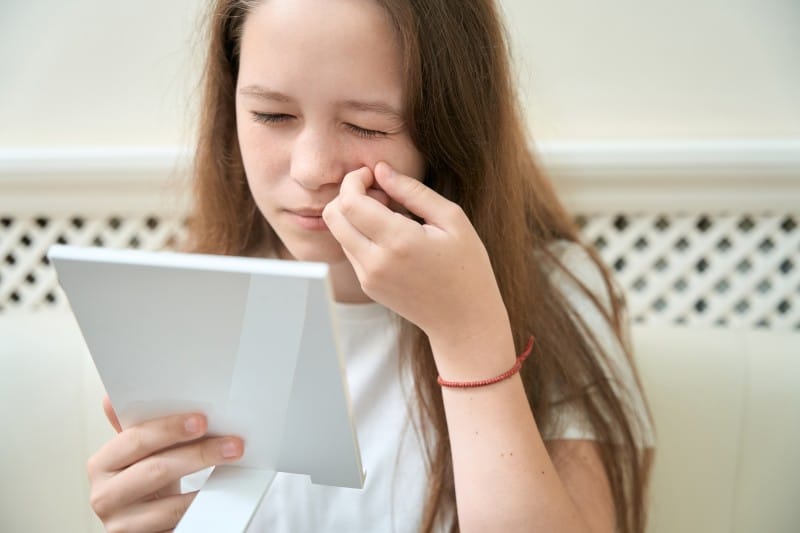
Pimples form when dead skin cells, dirt, and oil clog the pores in your skin. While it may be tempting to pop a pimple to get rid of it quickly, this can make the problem worse. When you pop a pimple, you risk rupturing the pore, which can lead to infection and inflammation of the area. This can result in skin discoloration, redness, and swelling.
Foods Causing Pimples:

Usually, the food we eat is not a direct cause of acne or pimple formation. It can only be a cause if you don’t have good gut health, lack a proper cleansing routine, and have oily skin.
The following are the food items the excess of which can cause acne or pimple formation:
Sugar
Present in sodas, tetra pack juices, honey (if it is not natural), etc are rich in refined carbs, which get absorbed in the bloodstream faster, which in turn raises the sugar level, increases the level of insulin in your blood, and also results in excess sugar level in your cells, which results in acne.
Dairy Products
The American Academy of Dermatology points to research in which women who drank two or more glasses of skim milk a day were 44% more likely to have acne. The link is not fully proven, but some people find that cutting back on milk helps. If you notice an increase in the popping process, then it is recommended to avoid dairy.
Eating Greasy Food
Fried items like burgers, fries, and oily meals have an excess of oil in them, which in turn results in the outbreak of pimples.
Omega-6 Fats Rich Food
The Western diet, such as cornflakes, soybean oil, etc contains omega-6 fats, which increase the risk of acne. If you have acne issues, these food items can make it worse.
Chocolate
Chocolate has long been suspected as an acne trigger. A few small studies in young men who ate pure, unsweetened chocolate reported more breakouts, but the evidence is limited and no firm link has been proven.
Refined Grains
Breads, Rice noodles, cereals, and pasta all contain refined white flours, which increase blood sugar levels because they have a high glycemic index. which in turn is indirectly responsible for acne.

A diet which prevents acne:
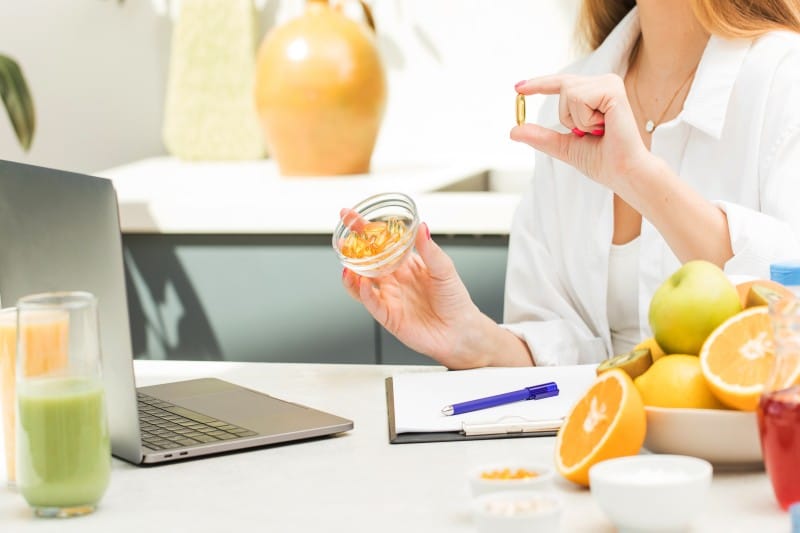
You can use a proper diet to ensure clear skin and prevent acne. Food containing the following vitamins and ingredients will help for this cause.
Vitamin A, D, E:
- Eggs, Tuna, Liver, mackerel, cream, feta cheese, butter, etc are rich in vitamin A.
- Nuts such as Almonds, broccoli, and peanuts are usually rich in vitamin E.
- Vitamin D supplements are available in markets but should not be taken without a doctor’s recommendation.
Zinc:
- Beans, seeds such as pumpkin and sunflower seeds, and meat are good sources of Zinc.
Probiotics:
- Probiotic supplements are also available in the market; on the other hand, kefir, buttermilk, yogurt, etc are good sources of it.
Popping Is Not a Solution:
It’s tempting to pop a pimple when it appears, especially if you have an important event or occasion coming up. However, this may cause more harm than good in the long run.
When you pop a pimple, you’re pushing out dead skin cells, oil, and other debris that can clog your pores further and make the situation worse. It’s best to only pop a pimple if you have been instructed by a dermatologist or skin care professional.
If you must pop a pimple, it’s best to leave it to a skin care professional or dermatologist who can use the proper method and tools to pop the pimple without causing any damage.
Some Safer Steps To Pop a Pimple:
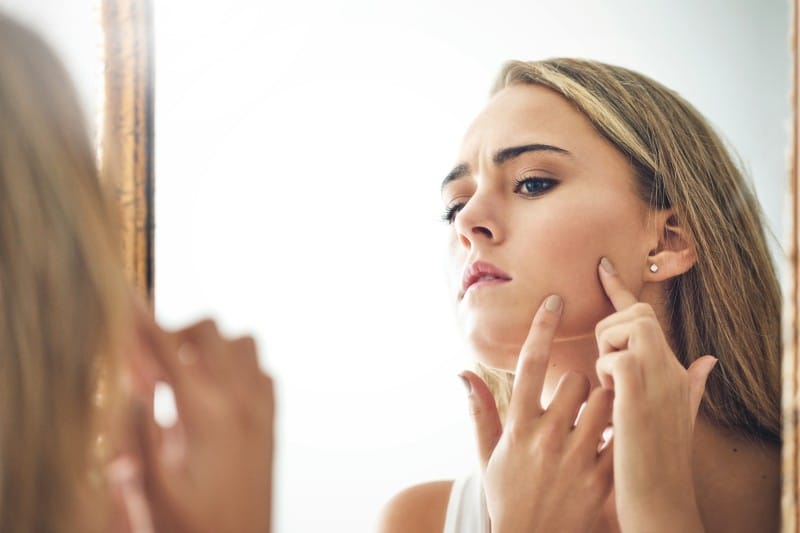
Using the proper way when popping a pimple is important, as this can minimize the risk of infection and scarring. A comedone extractor, which is a tool typically used by skin care professionals, can be used to pop pimples.
Gently press down on either side of the pimple until the contents are released. If the area becomes red or swollen after popping, apply a cold compress or hydrocortisone cream to reduce the swelling.
Only a dermatologist can do the job better because of their expertise in the field. So it’s better to consult with one.
Does face wash help? yes! But using a face wash is not enough in this regard; it can keep your pores plugged up.
To prevent clogged pores, first, remove hair follicles and gently prick your clogged pore with a sanitized needle. Don’t apply too much pressure; manage settings properly. It will hurt a little, but it can relieve pain permanently.
Getting rid of blackheads & Pimples:
- Use those products containing Salicylic Acid (HOC6H4COOH).
- Use vitamin A (Retinoid) with routine.
- Alpha hydroxy Acids will be useful for this purpose.
- Be gentle while scrubbing your face.
Extract Your Blackhead Safely
It’s better to extract the blackhead before it becomes an inflamed pimple. This will reduce the risk of infection and scarring, although you will need to do it gently. Taking a warm bath before this will help you a lot because the warmth will relax the openings of your pores. Follow the steps below to extract your blackheads.
- Clean your hands with antibacterial soap.
- Use cotton swabs or tissue to wrap your fingers.
- Apply gentle pressure on both sides of the blackheads.
- Remember not to press so hard.
- Use antibacterial ointment on all the areas that you have extracted.
Getting the job done by experts:
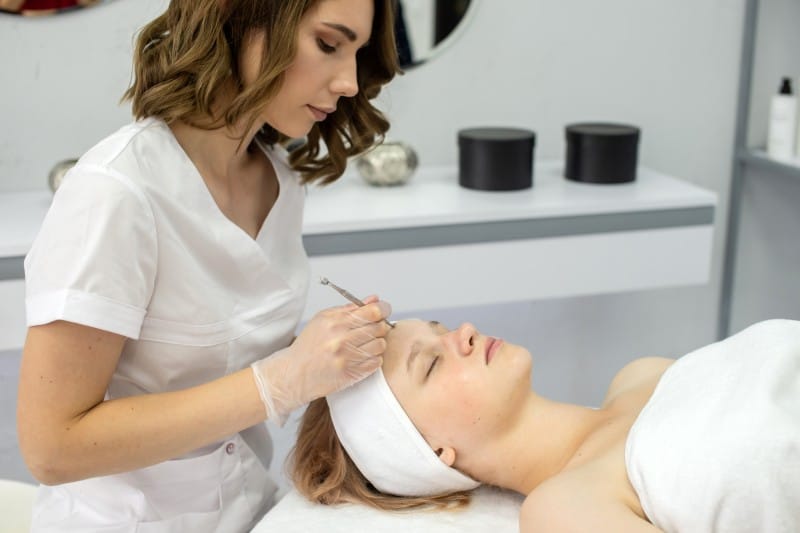
The best way to pop a pimple is to seek advice from a dermatologist or other skin care professional. They can advise you on the proper method and may even use a comedone extractor for better results. In most cases, it is better to leave pimples alone and let nature take its course. But if you do choose to pop a pimple, make sure you’re using products specifically designed for popping them and follow the proper technique. Doing so will help minimize the risk of infection and scarring.
Put on a Warm Compress:
Putting on a warm compress is an effective and gentle way to help pop pimples. This simple trick helps the body open the pores of the skin and release trapped bacteria, oil, or dirt that can cause pimples in the first place.
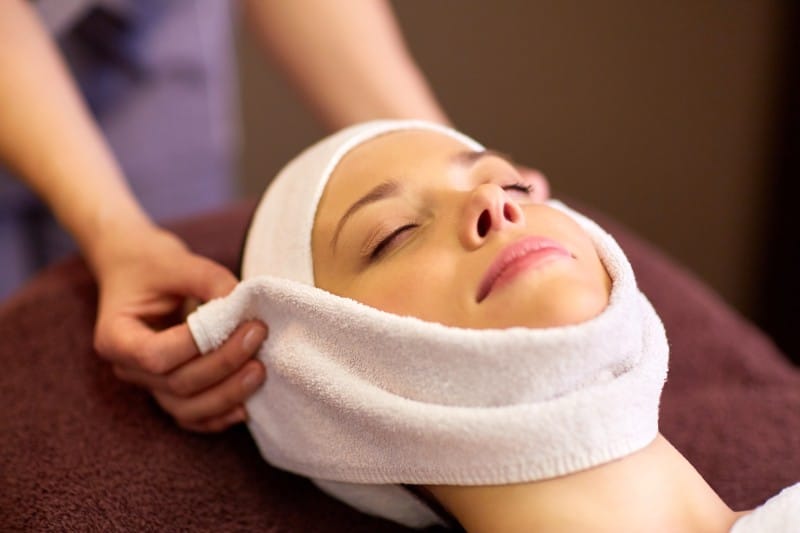
To put on a warm compress, begin by wetting a clean washcloth with hot—not scalding—water. Then wring out the excess water from it and gently apply it over the affected area for 5 minutes. After this time is up, remove the cloth and dab away any moisture left behind with a dry washcloth. If desired, you can then use either your fingers or an alcohol-sterilized comedone extractor tool to press down on either side of the pimple to try and release it properly.
Be sure to do this process at least once per day for best results—but make sure not to overdo it, as too much heat or pressure can irritate your skin! By using this method regularly, you’ll be able to pop it with ease while keeping inflammation under control.
Avoid Pop a Pimple:
It’s tempting to pop a pimple when you see one, but this is not the best idea. Pimple popping can cause irritation and inflammation of the skin and may also lead to scarring. The best way to avoid this is by avoiding popping a pimple altogether.
Medical Treatments:
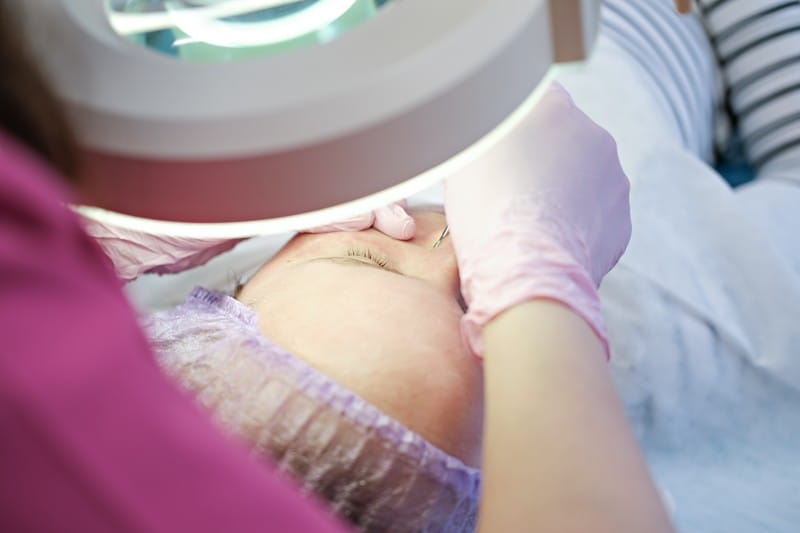
Before you use any skin care product, figure out the type of your skin. It may be extra dry, oily, or sensitive; these things have a lot of impact on the proper treatment.
Salicylic Acid:
Salicylic acid is beneficial in treating acne as it helps reduce swelling and redness; furthermore, it is useful for other skin conditions, loosening thickened skin or dead skin cells so they can be removed easily. It is considered safe for daily use, and it has no major side effects if used with other skincare ingredients.
Alpha hydroxy Acids:
Alpha hydroxy Acids (AHAs) are used in different anti-aging and skin care products. These groups of acids help in promoting blood flow and collagen, along with the prevention of acne scars; they also brighten your skin’s surface and prevent acne breakouts.
Benzoyl peroxide:
It works as an antiseptic and reduces the number of bacteria on the surface of the skin; along with reducing the number of blackheads and whiteheads, it is used as a main ingredient in creams or gels. Professionals recommend using it normally two times a day; don’t use it in excess amounts, as too much use can irritate your skin.
One major drawback is that it makes your skin more sensitive to sunlight. These side effects are supposed to be mild and should finish after the end of treatment.
Antibiotics:
Antibiotic tablets can also be used to treat acne, topical antibiotics are also available for this purpose they prevent some types of bacterial infections by killing bacteria or preventing them from spreading. But they do not work for everything.
Summary
For popping pimples, the safest way might be not to do it. It’s tempting, but using the proper techniques will help you avoid the spread of infection and damage to the skin.
Knowing your skin type is the first step before using any skin care product. Wash your face at least five times a day and use different face washes containing anti-acne agents; using them twice a day will be enough.
To prevent scars, it’s better not to pop them yourself. Popping zits can be harmful because it may increase the chances of infection. Use proper skin care treatments as recommended by professionals.
You must follow the steps discussed above before extracting blackheads. It is recommended to see a dermatologist or skin professional rather than do it yourself

FAQs
Is it better to pop a pimple or let it be?
The best way to pop a pimple is to seek advice from a dermatologist or other skin care professional. They can advise you on the proper method and may even use a comedone extractor for better results. In most cases, it is better to leave pimples alone and let nature take its course.
Do scars go away
Most scars fade away with the passage of time but their permanent removal is not possible without any proper treatment or laser surgery.
Does popping it yourself can cause permanent scarring?
Yes, it can, if not done properly. Using the proper way when popping a pimple is important as this can minimize the risk of infection and scarring.
How long does a pimple last?
Usually, a pimple lasts within 2 to 7 days, but a deep pimple can take a few weeks to go away. Most of the pimples go away naturally. If not then consult your dermatologist.
Can only a dermatologist help?
Not necessarily! But if you want to do it yourself then follow the proper technique. But a dermatologist can do the job in a better manner because of their expertise in the field. So it’s better to consult with one.
Is it better to pop a pimple or let it be?
The best way to pop a pimple is to seek advice from a dermatologist or other skin care professional. They can advise you on the proper method and may even use a comedone extractor for better results. In most cases, it is better to leave pimples alone and let nature take its course.
Do scars go away
Most scars fade away with the passage of time but their permanent removal is not possible without any proper treatment or laser surgery.
Does popping it yourself can cause permanent scarring?
Yes, it can, if not done properly. Using the proper way when popping a pimple is important as this can minimize the risk of infection and scarring.
How long does a pimple last?
Usually, a pimple lasts within 2 to 7 days, but a deep pimple can take a few weeks to go away. Most of the pimples go away naturally. If not then consult your dermatologist.
Can only a dermatologist help?
Not necessarily! But if you want to do it yourself then follow the proper technique. But a dermatologist can do the job in a better manner because of their expertise in the field. So it’s better to consult with one.
Sources
- American Academy of Dermatology: Pimple popping
- American Academy of Dermatology: Can the right diet get rid of acne?
Medical disclaimer: This article is for general information only and is not a substitute for advice, diagnosis or treatment from a qualified health professional. If your symptoms are severe, sudden or getting worse, contact a doctor or emergency services.
This article is part of our Skin and Beauty guide, where you can browse every related topic in one place.