

That cookie after lunch hits different when 3 PM rolls around and you’re crashing hard. Added sugar is quietly wrecking the average American diet, and most people have no idea how much they’re actually eating.
- What Is Added Sugar (and Why Does It Matter)?
- New Research: What Diet Does to How We Age
- Why Cutting Sugar Cold Turkey Usually Fails
- What to Add (Not Just Remove) to Reduce Sugar Cravings
- Where Hidden Sugar Is Wrecking Your Efforts
- Myth vs. Fact: Common Sugar Beliefs Worth Questioning
- A Realistic Two-Week Reduction Plan
- What About Sugar and Heart Health?
- FAQ
- The Bottom Line
What Is Added Sugar (and Why Does It Matter)?
Added sugar is any sugar or sweetener put into a food during processing or preparation. It’s different from the natural sugars found in fruit or plain dairy. Think cane sugar, high-fructose corn syrup, honey, agave, and the dozens of other names hiding in ingredient lists.
According to the CDC, most American adults consume far more added sugar than current dietary guidelines recommend. The American Heart Association suggests no more than 25 grams (about 6 teaspoons) per day for women and 36 grams (about 9 teaspoons) for men. A single 12-ounce can of regular soda puts you over that limit before lunch.
The downstream effects go beyond cavities. High added sugar intake is associated with blood sugar spikes and crashes, increased inflammation, weight gain, and over time, a higher risk of cardiovascular disease and metabolic conditions. That 3 PM energy crash you feel? There’s a good chance added sugar is part of the story. The full picture on why afternoon energy crashes happen and how to prevent them is worth understanding if this is a daily pattern for you.

New Research: What Diet Does to How We Age
Researchers at UT Southwestern Medical Center recently published findings suggesting that diet plays a measurable role in how the body ages at the cellular level, according to their October 2026 newsroom summary. The report covered several areas of active research, including heart failure outcomes and the effects of dietary patterns on biological aging markers. While full peer-reviewed details are still emerging, the general direction aligns with a growing body of nutritional science: what you eat consistently matters for how quickly your cells show signs of wear.
Harvard Health has documented the connection between ultra-processed, high-sugar diets and accelerated aging at the cellular level, including changes to telomeres, the protective caps on your DNA that shorten as you age. The UTSW work adds another layer to why the food choices you make in your 30s and 40s may be quietly setting the pace for how you feel at 60 and beyond.
This isn’t a reason to panic. It’s a reason to pay attention to the small daily habits that genuinely add up. If you’re curious about the broader research on small daily habits linked to longevity, the evidence is more encouraging than most people expect.
Why Cutting Sugar Cold Turkey Usually Fails
Abrupt elimination rarely works long-term because sugar activates the brain’s reward pathways. A sudden cutoff can produce real withdrawal-like symptoms: irritability, fatigue, headaches, and intense cravings. That’s not weakness. That’s biology.
A gradual approach tends to stick far better. Research in behavioral nutrition consistently shows that slow reduction, paired with satisfying replacements, is more effective for long-term habit change than restriction-based strategies. The goal is to retrain your taste preferences over time, because they genuinely do shift. Most people who reduce added sugar for three to four weeks report that foods they used to love start tasting cloyingly sweet.
Here’s the thing: this is also where most diet advice goes wrong. It focuses entirely on what to cut. The better frame is what to add.
What to Add (Not Just Remove) to Reduce Sugar Cravings
The most effective strategy for cutting added sugar isn’t willpower. It’s crowding out. When your meals are built around foods that actually satisfy hunger, the pull toward sugary snacks weakens on its own.
- Protein at every meal: Eggs, Greek yogurt (plain), beans, chicken, or fish help stabilize blood sugar and keep hunger in check for hours. The Mayo Clinic notes that protein is the most satiating macronutrient, which means you’re less likely to reach for a sweet fix at 10 AM if breakfast had real staying power.
- Healthy fats: Avocado, nuts, olive oil, and full-fat dairy (in reasonable amounts) slow digestion and blunt post-meal blood sugar spikes. Fat was unfairly demonized for decades; current research consistently rehabilitates it as part of a balanced, satisfying diet.
- Fiber-rich carbohydrates: Whole grains, legumes, vegetables, and fruit come with fiber that slows sugar absorption. An apple delivers natural sweetness plus fiber, water, and micronutrients. A candy bar delivers the sweetness and almost nothing else.
- Naturally sweet flavors: Cinnamon, vanilla extract, nutmeg, and ripe fruit can satisfy a sweet craving without a gram of added sugar. Add cinnamon to oatmeal, plain yogurt, or coffee and you might be surprised how much it helps.
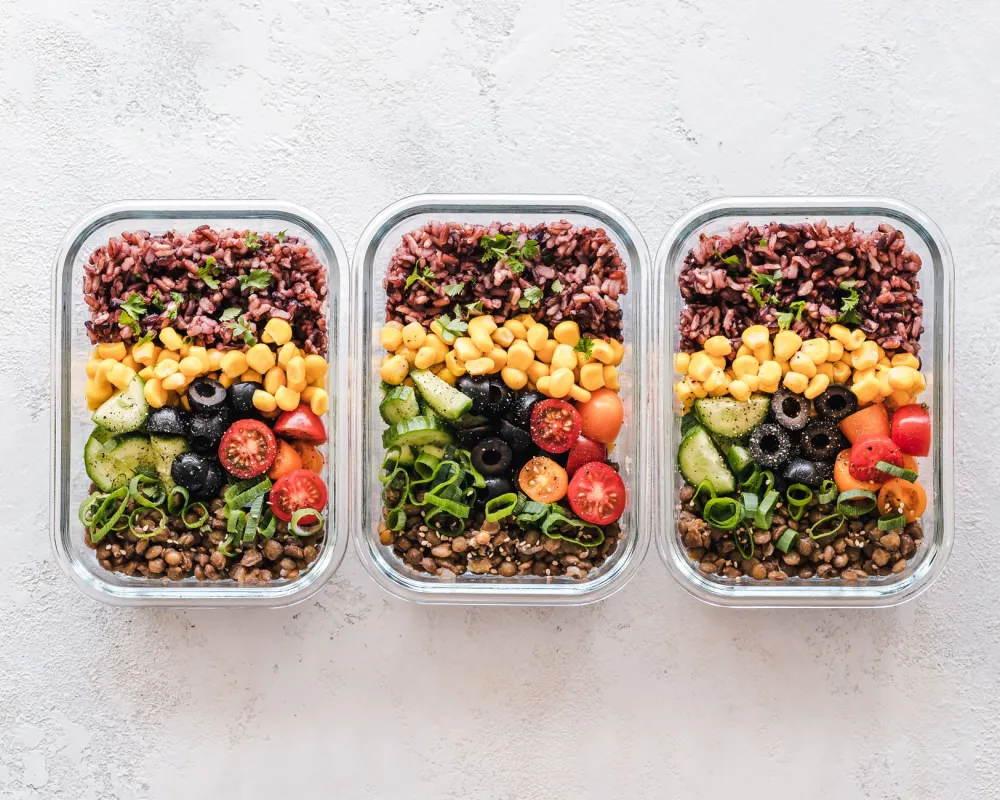
If planning balanced meals feels like a lot of work on busy weeknights, the practical guide to meal prep for busy weeks without burnout is one of the most actionable resources on this site.
Where Hidden Sugar Is Wrecking Your Efforts
Most people aiming to cut sugar focus on the obvious offenders: soda, candy, cake. But added sugar hides in places that feel perfectly reasonable. Condiments like ketchup and barbecue sauce, flavored yogurts, protein bars, store-bought salad dressings, granola, “healthy” cereals, pasta sauces, and even bread can carry surprisingly high amounts of added sugar per serving.
| Food | Typical Serving | Approximate Added Sugar | Better Swap |
|---|---|---|---|
| Flavored yogurt | 5.3 oz (150g) | 15-20 grams | Plain Greek yogurt + fresh fruit |
| Granola bar | 1 bar (40g) | 10-14 grams | Handful of mixed nuts |
| Bottled salad dressing | 2 tbsp | 4-8 grams | Olive oil + lemon juice |
| Flavored oatmeal packet | 1 packet | 12-15 grams | Plain oats + cinnamon + banana |
| Sports drink | 20 oz (590ml) | 34 grams | Water + electrolyte tablet |
| Tomato pasta sauce | 1/2 cup (120ml) | 6-12 grams | Whole crushed tomatoes, no sugar added |
Reading nutrition labels is the single fastest skill you can build here. The “Added Sugars” line (separate from total sugars) is now required on US nutrition facts panels under FDA rules, making it easier than ever to spot. Look for it in grams, and remember that 4 grams equals roughly 1 teaspoon of sugar.

Myth vs. Fact: Common Sugar Beliefs Worth Questioning
There’s a lot of noise around sugar, and some of it sends people in the wrong direction entirely.
Myth: Honey and agave are healthy alternatives to sugar.
Fact: Honey, agave, maple syrup, and coconut sugar all count as added sugars and affect blood sugar in similar ways to white table sugar. They may contain trace minerals, but the amounts are negligible. They still count toward your daily limit.
Myth: Fruit is bad because it contains sugar.
Fact: Whole fruit contains natural sugars bundled with fiber, water, vitamins, and antioxidants. Research consistently links whole fruit consumption with positive health outcomes. Fruit juice is a different story, since the fiber is gone and the sugar is more concentrated.
Myth: Artificial sweeteners are a perfect substitute.
Fact: The evidence here is genuinely mixed. Some research suggests artificial sweeteners may still trigger cravings or affect gut bacteria. They can be a useful bridge for some people, but they’re probably not a permanent solution on their own. The Mayo Clinic recommends approaching them as a short-term aid rather than a long-term replacement.
Myth: You have to quit sugar completely to see benefits.
Fact: Even a modest reduction in added sugar is associated with meaningful improvements in energy, mood, and metabolic markers for many people. Perfection is not the goal. Consistent, sustainable reduction is.
A Realistic Two-Week Reduction Plan
You don’t need a dramatic overhaul. Small, sequential changes tend to stick far better than sweeping overnight transformations.

Sleep quality also plays a bigger role in sugar cravings than most people realize. When you’re running on poor sleep, hunger hormones shift in ways that specifically increase cravings for high-calorie, sweet foods. The connection between sleep and stress as hidden weight factors is well-supported and often overlooked.
What About Sugar and Heart Health?
The link between high added sugar intake and cardiovascular health is one of the more consistent findings in nutritional epidemiology, the study of how diet patterns relate to disease rates in populations. High added sugar consumption is associated with elevated triglycerides (fats in the blood), lower HDL (the “good” cholesterol), higher blood pressure, and increased systemic inflammation, all risk factors for heart disease.
This is part of why the UTSW research connecting diet patterns to aging and heart outcomes has drawn attention from clinicians. While the specifics of any single study need to be read carefully and in context, the broader evidence base supporting a lower-added-sugar diet for cardiovascular and metabolic health is well-established. Resources on the Mediterranean diet, explained simply, offer one of the most researched dietary frameworks for supporting heart health over the long term.
One more honest note: if you have diabetes, prediabetes, or a metabolic condition, dietary sugar management is a clinical matter, not just a wellness lifestyle choice. Work with your doctor or a registered dietitian rather than relying on general guidance. Severe or persistent symptoms, including unusual fatigue, excessive thirst, or unexplained weight changes, deserve a proper medical evaluation, not a blog article.
The team at Better Life Carez covers topics like this precisely because general nutrition advice gets muddied by marketing. The practical science tends to be quieter and more reliable than the latest trend, and usually more effective too.
FAQ
The Bottom Line
Cutting added sugar is one of the highest-return dietary changes most Americans can make, and it doesn’t require perfection. Start by finding where most of your added sugar is actually coming from, it’s probably not the candy bowl. Make one swap this week, build protein and fiber into every meal, and let your taste preferences shift naturally over three to four weeks. Emerging research, including work out of institutions like UT Southwestern, continues to reinforce what nutritional science has suggested for years: the quality of your daily diet genuinely shapes how you age, how your heart performs, and how much energy you have to live your actual life. You don’t need to overhaul everything. Start with one label, one swap, one week.
This article is for informational purposes only and is not a substitute for professional medical advice, diagnosis, or treatment. Always consult a qualified healthcare provider about your specific situation. If you experience severe or sudden symptoms, seek medical care immediately.
Keep exploring
- Cutting Added Sugar Without Feeling Deprived: What Works
- The Mediterranean Diet Explained Simply [Science-Backed]
- Small Daily Habits Linked to Longevity: What Works
This article is part of our Weight Loss and Nutrition guide, where you can browse every related topic in one place.