
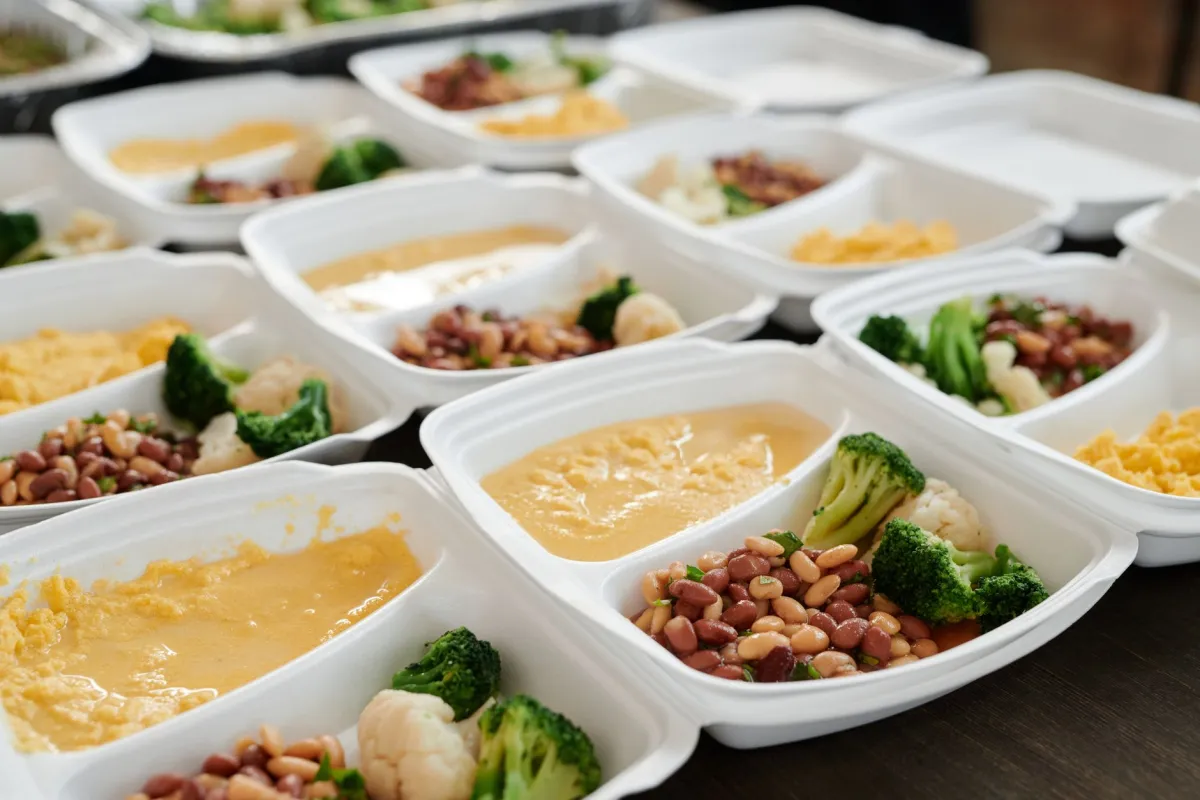
Why Does Meal Prep Burn People Out So Fast?
Meal prep burnout is real, and it usually hits by week three. The reason isn’t laziness. It’s that most meal prep advice is designed for someone with four free hours on Sunday, a passion for cooking, and a kitchen the size of a small restaurant. That’s not most people.
The good news: you don’t need any of that. Sustainable meal prep for busy weeks is less about cooking everything in advance and more about reducing the number of decisions you have to make when you’re tired, hungry, and running late on a Tuesday night.
- Why Does Meal Prep Burn People Out So Fast?
- What Meal Prep Actually Means (and What It Doesn't)
- What Does the Research Say About Meal Planning and Health?
- How to Set Up Your First No-Burnout Prep Session
- Common Meal Prep Myths That Keep People Stuck
- What to Actually Eat: Building Balanced Prep Meals
- How to Prevent Burnout After the First Few Weeks
- When Should You Talk to a Professional?
- FAQ
- The Bottom Line
What Meal Prep Actually Means (and What It Doesn’t)
Meal prep is simply doing some amount of food preparation in advance so that putting together a meal during a busy week takes less time and thought. That’s it. It doesn’t have to mean five identical chicken-and-rice containers lined up in your fridge like a fitness Instagram post.
There are actually several different approaches, and knowing which one suits your life is half the battle.
| Prep Style | What You Actually Do | Time Investment | Best For |
|---|---|---|---|
| Component prepping | Cook grains, proteins, and veggies separately | 60-90 minutes | People who hate eating the same meal twice |
| Full meal prepping | Make complete meals in portioned containers | 2-4 hours | Very busy schedules, no flexibility needed |
| Batch cooking | Double or triple one recipe for leftovers | 30-45 extra minutes | Beginners; minimal extra effort |
| Ingredient prep only | Wash, chop, and portion raw ingredients | 20-40 minutes | People who enjoy cooking but hate weeknight setup |
Most burnout happens when people jump straight to full meal prepping before they’ve figured out which style actually fits their schedule and food preferences. Start with one row of that table, not all four.

What Does the Research Say About Meal Planning and Health?
Studies consistently link meal planning to better diet quality and lower rates of obesity. A study published in the International Journal of Behavioral Nutrition and Physical Activity found that people who planned their meals were more likely to eat a greater variety of foods and were less likely to be overweight compared to those who didn’t plan.
Harvard Health also notes that preparing food at home tends to result in meals with fewer calories, less sodium, and less added sugar than restaurant or takeout options, simply because you control the ingredients. Since the average American eats out or orders in multiple times per week, even shifting two or three of those meals to home-cooked options could have a meaningful impact over time.
If you’re also trying to manage your weight or support your gut health, what you prep matters too. The connection between diet diversity and your microbiome, the trillions of bacteria living in your gut, is one more reason that a component-based prep approach naturally creates more variety and tends to work better than eating the same five-ingredient meal on repeat all week.
How to Set Up Your First No-Burnout Prep Session
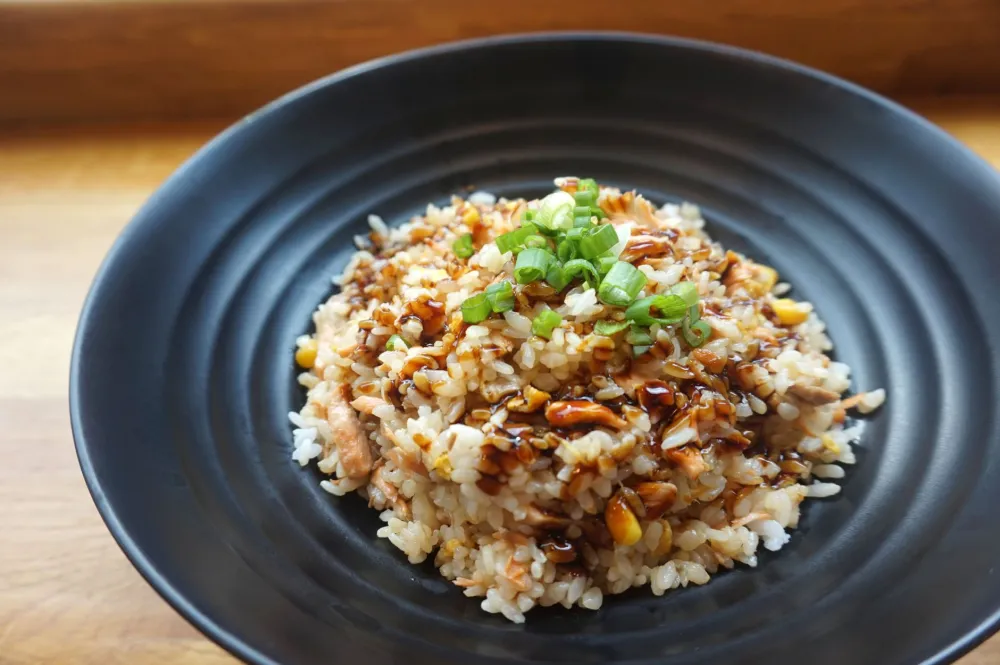
The single biggest mistake people make is trying to prep everything at once. Here’s a structured way to get started that keeps the time investment realistic and the results flexible enough that you’ll actually want to eat what you made.
Common Meal Prep Myths That Keep People Stuck
A lot of the advice floating around about meal prep is either overly ambitious or just plain wrong. Let’s clear a few things up.
Myth: You need hours every Sunday. Most sustainable meal preppers spend 60 to 90 minutes, not four hours. If your prep sessions regularly run past two hours, you’re doing too much. Scale back.
Myth: Meal prep means eating boring food. This one’s understandable, but it’s the result of prepping whole meals instead of components. When you have cooked quinoa, roasted sweet potatoes, and grilled chicken in the fridge, you can put together a completely different bowl every day depending on what sauces and toppings you add.
Myth: You have to prep every single meal. You don’t. Prepping just lunches, or just breakfasts and snacks, can reduce your overall food stress significantly without requiring you to overhaul your entire week. Partial prep is still prep.
Myth: Healthy meal prep is expensive. It doesn’t have to be. Dried beans, frozen vegetables, whole grains like oats or brown rice, and eggs are among the most affordable, nutritious foods available at any US grocery store, including budget chains. Buying produce in-season and building meals around what’s on sale that week keeps costs reasonable. You might also find it useful to look at approaches like the Mediterranean diet’s emphasis on simple, whole-food staples as a framework for affordable, satisfying prep.

What to Actually Eat: Building Balanced Prep Meals
Balanced doesn’t have to mean complicated. The USDA’s MyPlate model is a useful starting point: roughly half your plate as vegetables and fruit, one quarter as whole grains, one quarter as protein, with a small amount of healthy fat. You don’t need to be precise about it. It’s a pattern, not a prescription.
For protein, options like chicken thighs (more forgiving than breasts when reheated), canned tuna, hard-boiled eggs, black beans, or firm tofu all hold up well in the fridge for three to four days. For grains, brown rice, farro, quinoa, and whole-wheat pasta all reheat without turning to mush. For vegetables, root vegetables and cruciferous vegetables (things like broccoli, cauliflower, sweet potatoes, and carrots) tend to roast well and stay palatable through the week.
One thing that genuinely helps prevent food boredom is keeping two or three different sauces or dressings on hand (think: tahini, salsa verde, a citrus vinaigrette) so the same base ingredients taste completely different each day. This approach also helps if you’re trying to cut back on added sugar and processed foods without feeling deprived, since you’re adding flavor rather than restriction. For more on that approach, see how to cut added sugar without feeling deprived.
How to Prevent Burnout After the First Few Weeks
The first two weeks of meal prep feel exciting. Week three is where most people quietly stop. Life gets busy, you skip one Sunday, and then the whole habit evaporates. Preventing this is mostly about designing your system to be forgiving.
Give yourself explicit permission to skip a prep session occasionally. A missed Sunday doesn’t have to mean a week of takeout. Keep a small stock of backup options: canned chickpeas, jarred pasta sauce, frozen shrimp, pre-washed salad greens. These aren’t failures; they’re the backup plan that keeps you from giving up entirely.
Eating the same food over and over gets old fast. Rotating your proteins and grains month by month helps more than trying to reinvent everything weekly. In fall and winter, lean into soups and roasted squash. Around back-to-school season, cold grain salads and wraps are fast and kid-friendly. Eating seasonally tends to be cheaper and more interesting, which naturally fights burnout without requiring any extra effort.
Meal prep works best as part of a broader approach to sustainable eating, rather than as a rigid diet plan. If you find yourself obsessing over exactly what’s in each container or feeling guilty when the plan goes sideways, those are signs to loosen the structure, not tighten it. If food anxiety is a regular experience for you, talking with a registered dietitian can be genuinely helpful. The CDC recommends registered dietitians as a trusted resource for personalized nutrition guidance.
When Should You Talk to a Professional?
Meal prep is a practical habit, not a medical intervention. But there are situations where working with a professional before overhauling your eating patterns makes real sense.
If you have a diagnosed health condition, including type 2 diabetes, kidney disease, cardiovascular disease, or a history of disordered eating, any significant change in your diet warrants a conversation with your doctor or a registered dietitian first. The same goes if you’re currently taking medications that interact with certain foods (grapefruit and statins being the classic example).
If you’re experiencing unexplained weight loss, persistent fatigue that doesn’t improve with better eating, or digestive symptoms that feel unusual for you, those deserve a proper medical evaluation rather than a nutrition fix. Severe or sudden symptoms, including chest pain, difficulty breathing, or any symptom that feels alarming, mean seeing a doctor promptly, not adjusting your meal plan.
For most healthy adults, starting with the component-based approach described in this article is low-risk and potentially rewarding. You can find more evidence-based health and wellness guidance across the full range of topics covered at Better Life Carez.
FAQ
The Bottom Line
Meal prep for busy weeks doesn’t have to mean a four-hour Sunday cooking marathon or eating identical containers of food until you hate all of it. The most sustainable version is a 60 to 90 minute session focused on prepping components: a protein, a grain, and a vegetable, rather than complete meals. Research suggests meal planning is associated with better diet quality and lower stress around food decisions, but the format has to fit your actual schedule to stick. Start small, build a backup plan for the weeks you skip, use flavor variety to fight boredom, and adjust based on what you’re actually eating, not on an ideal you found online. If your health situation is more complex, a registered dietitian is the right person to help you personalize this further.
This article is for informational purposes only and is not a substitute for professional medical advice, diagnosis, or treatment. Always consult a qualified healthcare provider about your specific situation. If you experience severe or sudden symptoms, seek medical care immediately.