
You’re 35,000 feet up, the pilot announces the descent, and within minutes your ears feel like they’re packed with cotton and clamped shut. It’s uncomfortable, sometimes painful, and occasionally it lasts well past the baggage carousel.
- Why Do Your Ears Get Blocked on a Plane?
- How to Pop Your Ears Safely Mid-Flight
- What Actually Works: A Quick Comparison
- Should You Fly If You're Sick or Congested?
- Myth vs. Fact: What People Get Wrong About Airplane Ear
- Special Situations Worth Knowing About
- When Does Airplane Ear Need a Doctor?
- A Quick Note on Kids, Screens, and Mental Health in 2026
- FAQ
- The Bottom Line
Why Do Your Ears Get Blocked on a Plane?
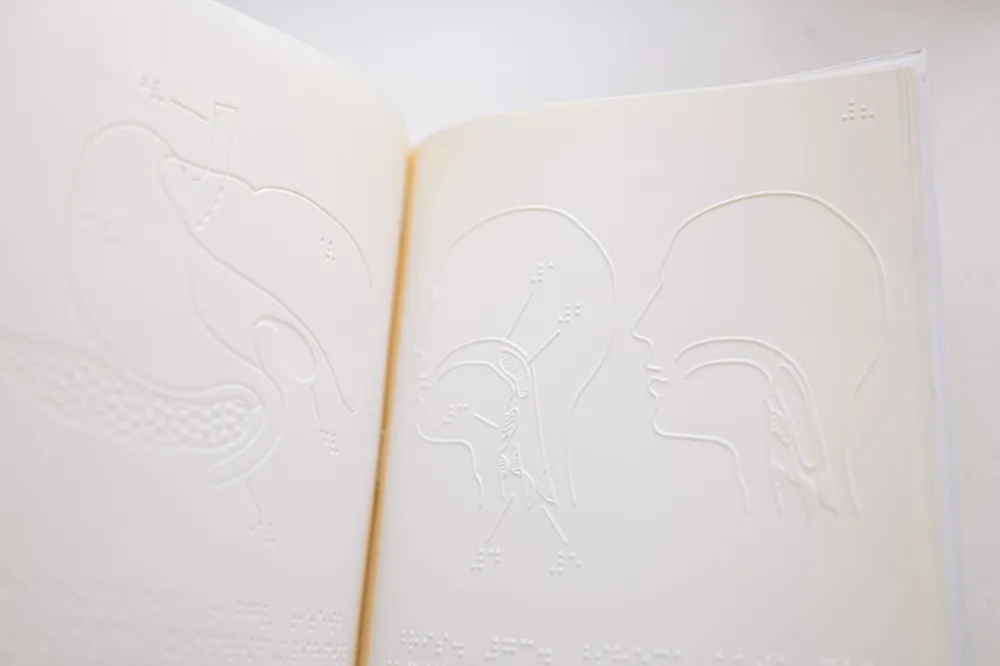
Airplane ear, medically called ear barotrauma (pronounced bare-oh-TRAW-mah), happens because the air pressure inside your middle ear needs to match the air pressure in the cabin around you. Your Eustachian tube is the only pathway for that pressure to equalize.
During takeoff and especially during descent, cabin pressure changes faster than that little tube can handle. Your eardrum gets pushed inward or outward, creating that muffled, stuffed-up feeling. Sometimes it’s annoying. Sometimes it genuinely hurts.
The problem gets worse if your Eustachian tube is already swollen or narrowed from a cold, allergies, or a sinus infection. That’s why flying sick is so much more miserable for your ears than flying healthy.
How to Pop Your Ears Safely Mid-Flight
Several techniques can open the Eustachian tube and let pressure equalize. The key word is gently. Forcing air hard enough to feel pain can damage your eardrum, so use light, controlled effort every time.
Here are the most reliable methods, ranked roughly from gentlest to slightly more active:
- Swallowing: Every swallow briefly opens the Eustachian tube. Sip water or a soft drink during descent, and swallow frequently.
- Yawning: A wide, exaggerated yawn activates the muscles that pull the tube open. It works fast. Fake yawns count too.
- Chewing gum: The repetitive jaw motion triggers swallowing and keeps the tube gently active. Keep a pack in your carry-on.
- The Valsalva maneuver: Pinch your nostrils shut, close your mouth, and blow gently as if you’re clearing your nose. You should feel or hear a soft pop. Do not blow hard. If nothing happens after a gentle attempt, wait 30 seconds and try again.
- The Toynbee maneuver: Pinch your nose closed and swallow at the same time. Some people find this gentler than Valsalva and just as effective.
You’ll also find a detailed step-by-step breakdown of these techniques at Better Life Carez if you want more specifics on timing and repetition.

What Actually Works: A Quick Comparison
Not every technique suits every person. Here’s a side-by-side look at the most common options so you can pick what fits your situation.
| Method | How It Works | Best For | Caution |
|---|---|---|---|
| Swallowing / Yawning | Opens Eustachian tube naturally | Everyone, mild pressure | None |
| Chewing gum | Promotes repeated swallowing | Kids, mild to moderate pressure | Not for infants |
| Valsalva maneuver | Gently forces air up tube | Moderate to strong pressure | Never force hard; avoid if very congested |
| Toynbee maneuver | Swallow with nose pinched | Those who find Valsalva uncomfortable | Requires coordination |
| Filtered earplugs (e.g. EarPlanes) | Slows pressure change at eardrum | Frequent flyers, chronic issues | Must be inserted before boarding |
| Nasal decongestant spray | Reduces Eustachian tube swelling | Congested travelers | Talk to a pharmacist; overuse can cause rebound congestion |
Should You Fly If You’re Sick or Congested?
This is genuinely the most important question, and the honest answer is: it depends on how congested you are. Mild congestion managed with a saline nasal rinse and a decongestant spray may be fine for short flights. Severe congestion, a middle ear infection, or recent ear surgery is a different matter.
The Mayo Clinic advises that people with active ear infections, recent ear surgery, or a perforated eardrum should consult a doctor before flying. If you have any doubt, a quick call to your doctor before you book is worth it.
Flying with a badly blocked Eustachian tube can cause pressure intense enough to rupture a small blood vessel or, rarely, damage the eardrum itself. That’s not meant to scare you. It’s genuinely uncommon. But it’s a real reason not to tough out severe ear pain at altitude without asking a professional first.
If you’re dealing with ringing or buzzing in your ears that won’t stop, the guide to tinnitus and ear ringing causes explains what’s going on and when to follow up with care.

Myth vs. Fact: What People Get Wrong About Airplane Ear
A few widespread beliefs about blocked ears on flights don’t hold up, and believing them can make the experience worse.
Myth: Putting your fingers in your ears helps. Blocking the ear canal from the outside does nothing for pressure inside the middle ear. The Eustachian tube is on the inside, connected to your throat.
Myth: You should blow as hard as possible during Valsalva. Gentle pressure is all that’s needed and all that’s safe. A forceful blow can cause dizziness, briefly spike blood pressure, and potentially injure the ear. If a soft attempt doesn’t pop your ear, wait and try again rather than pushing harder.
Myth: If your ears are still blocked after landing, something is wrong. It’s normal for mild ear fullness to linger for a few hours after landing, especially after a long flight or if you were congested. For most people it resolves on its own. Persistent pain, muffled hearing lasting more than a day, or any drainage from the ear is when you should see a doctor.
Myth: Kids handle flight pressure the same as adults. Children’s Eustachian tubes are shorter and more horizontal, which actually makes equalization harder. Giving young kids something to drink or suck during descent genuinely helps, not just as comfort.
Special Situations Worth Knowing About
Flying with a head cold
An over-the-counter oral decongestant taken about an hour before boarding may help reduce Eustachian tube swelling. Check with a pharmacist about what’s appropriate for you, since decongestants interact with some blood pressure medications and aren’t recommended for everyone.
Flying with kids
Infants can’t equalize pressure on their own. Nursing, bottle-feeding, or offering a pacifier during takeoff and descent encourages swallowing, which opens the tube. Older kids can try chewing gum or taking small sips of a drink. If your child cries persistently and seems in real pain during or after a flight, follow up with a pediatrician.
Post-nasal drip and chronic congestion
Chronic congestion from allergies or post-nasal drip keeps the Eustachian tube irritated even between flights. If you’re regularly dealing with that backed-up feeling, the post-nasal drip and constant throat-clearing guide covers practical ways to manage the underlying issue, not just the symptoms.
Ear water after swimming, not just flying
If water is stuck rather than pressure, that’s a different mechanism. The guide to getting water out of your ear quickly has targeted techniques for that specific situation.
When Does Airplane Ear Need a Doctor?
Most cases of flight-related ear pressure clear up within a few hours of landing with no treatment at all. But some situations deserve real medical attention, not just another round of Valsalva at the baggage claim.
See a doctor if you experience any of the following:
- Ear pain that is severe or worsening during or after the flight
- Hearing loss that persists for more than 24 hours after landing
- A feeling of fluid or fullness that doesn’t resolve within a day or two
- Ringing or buzzing in the ears that starts after a flight and doesn’t go away
- Any discharge from the ear, which may indicate a ruptured eardrum
- Significant dizziness or balance problems after landing
These symptoms are uncommon, but they’re worth taking seriously. A ruptured eardrum usually heals on its own, but it needs proper diagnosis to confirm that and rule out infection.
A Quick Note on Kids, Screens, and Mental Health in 2026
While we’re on the subject of children’s health, a University of Rochester study published in September 2026 found that nearly one in five pediatric psychiatric crises evaluated in emergency settings involved digital media as a contributing factor. The study is new and its scope is still being discussed in the medical community, but it adds to growing research suggesting that children’s screen habits deserve as much attention as their physical health.
That connection to overall child wellness is a real one. Good sleep habits, which the sleep hygiene habits guide covers in practical depth, and evidence-backed school schedules covered in the later school start times research are two areas where families may have more influence than they realize. Worth keeping in mind as a new study, and worth discussing with your child’s pediatrician if you have specific concerns.
FAQ
The Bottom Line
Blocked ears on flights are caused by cabin pressure changes that the Eustachian tube can’t equalize fast enough, and they’re almost always manageable with the right technique. Gentle swallowing, yawning, chewing gum, and the Valsalva maneuver (pinch, close, blow softly) are your best tools during descent. If you’re congested, a saline spray before boarding makes a real difference. Most ear pressure clears within hours of landing. Persistent pain, hearing loss lasting more than a day, or any ear discharge means seeing a doctor rather than waiting it out.
This article is for informational purposes only and is not a substitute for professional medical advice, diagnosis, or treatment. Always consult a qualified healthcare provider about your specific situation. If you experience severe or sudden symptoms, seek medical care immediately.