

Why Protein Matters More Than You Think When Losing Weight
You’ve cut calories, you’re moving more, and the scale is finally cooperating. But here’s a question worth asking: is the weight you’re losing actually fat? Or are you quietly losing muscle, too?
- Why Protein Matters More Than You Think When Losing Weight
- What Happens to Your Muscles During Weight Loss?
- How Much Protein Do You Actually Need?
- GLP-1 Medications and the Protein Problem
- Myth vs. Fact: What People Get Wrong About Protein
- Five Practical Steps to Protect Muscle While Losing Weight
- Protein, Muscle, and Aging Well
- When Should You Talk to a Doctor?
- FAQ
- The Bottom Line
This question matters more than ever right now. Millions of Americans are using GLP-1 receptor agonists (medications like semaglutide and tirzepatide that mimic a natural gut hormone called glucagon-like peptide-1) to reduce appetite and lose weight. They work. But the appetite suppression they create can make it surprisingly easy to under-eat protein without realizing it. And when protein intake drops, muscle loss often follows.
Getting the protein piece right isn’t complicated. But it does require being intentional about it, especially when your hunger signals are quieter than usual.

What Happens to Your Muscles During Weight Loss?
When your body loses weight, it doesn’t pull exclusively from fat stores. Some muscle loss is almost always part of the equation, particularly if you’re losing weight quickly or eating very little protein. This matters because muscle is metabolically active tissue, meaning it burns calories even at rest.
Lose too much of it and your resting metabolism can slow down, making it harder to maintain your results over time. The Mayo Clinic notes that preserving muscle mass is one of the key factors in sustainable long-term weight management.
Here’s the good news: adequate protein intake is one of the most effective tools you have for minimizing that muscle loss. Protein provides the amino acids your body needs to repair and maintain muscle tissue. When you’re in a calorie deficit, your body needs dietary protein even more than usual, since it can no longer rely on a surplus of energy to protect existing muscle.
How Much Protein Do You Actually Need?
The standard Recommended Dietary Allowance for protein is 0.8 grams per kilogram of body weight per day, but many nutrition researchers suggest that number may be too low for people actively trying to lose weight or preserve muscle. Several studies point to higher targets, often in the range of 1.2 to 1.6 grams per kilogram of body weight, for people in a calorie deficit.
In practical terms, that might mean a 160-pound (about 73 kg) adult aiming for somewhere between 88 and 117 grams of protein per day during active weight loss. That’s a meaningful amount, and it takes planning to hit consistently.
Good protein sources to build meals around include:
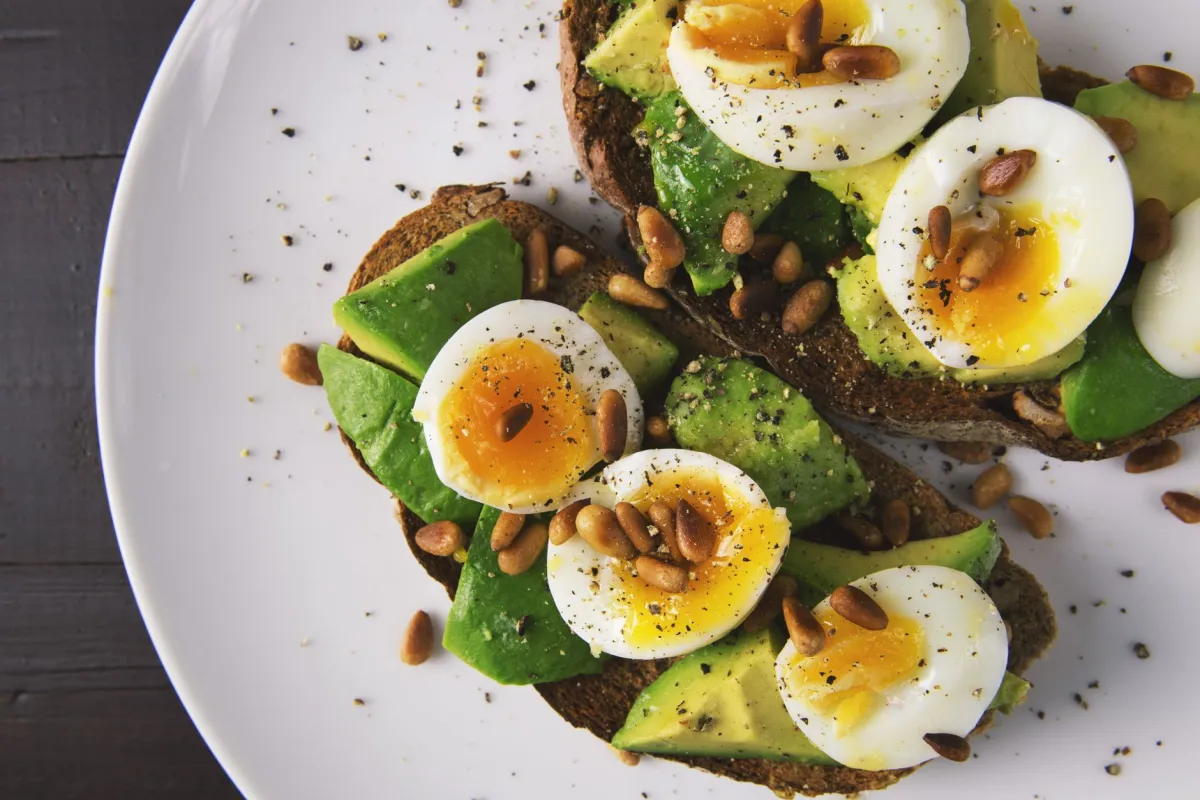
- Eggs and egg whites: versatile, affordable, and easy to prepare in under 10 minutes.
- Chicken breast and turkey: lean options that work in dozens of meal formats.
- Greek yogurt: a convenient high-protein snack that also provides gut-friendly probiotics.
- Legumes (beans, lentils, chickpeas): plant-based protein that also delivers fiber.
- Cottage cheese: surprisingly high in protein, with about 12 grams per half cup.
- Fish and shellfish: particularly salmon, tuna, and shrimp for quick, protein-dense meals.
If you’re finding it hard to hit your targets through food alone, a basic whey or plant-based protein powder can bridge the gap. Just check the label for added sugars, and remember that supplements aren’t regulated as tightly as medications, so quality varies between brands.
GLP-1 Medications and the Protein Problem
GLP-1 receptor agonists have genuinely changed the weight loss conversation. These medications work by slowing how quickly the stomach empties and signaling the brain that you’re full, which helps people eat significantly less without the constant mental battle of willpower. As covered in more depth in this guide to how GLP-1 drugs work, the clinical results for weight loss have been striking.
But there’s a catch. When you’re not very hungry, you tend not to think about what you’re eating, only how little of it you want. That’s a setup for low protein intake. If someone on a GLP-1 medication eats 1,200 calories a day but fills those calories with crackers, fruit, and whatever small amounts of food are easiest to get down, they may be losing a significant portion of muscle along with fat.
This is a real concern, and one that’s well documented in ongoing research. The article on losing muscle on GLP-1 medications outlines the evidence and practical strategies in detail. The short version: prioritizing protein and pairing medication with resistance exercise can significantly reduce muscle loss during GLP-1-assisted weight loss.

Myth vs. Fact: What People Get Wrong About Protein
A lot of misinformation floats around this topic. Let’s be direct about a few of the most common ones.
| Common Myth | What the Evidence Actually Shows |
|---|---|
| High protein diets damage your kidneys | For healthy adults with no pre-existing kidney disease, research does not support this. People with kidney conditions should consult their doctor. |
| Eating protein at night turns to fat | Total daily intake and food quality matter far more than the time of day you eat protein. Evening protein may actually support overnight muscle repair. |
| You only need extra protein if you’re a bodybuilder | Anyone in a calorie deficit, especially older adults, needs more dietary protein than the basic minimum to preserve lean mass. |
| GLP-1 drugs handle everything, diet doesn’t matter | Medication reduces appetite; it doesn’t guarantee you’re eating the right nutrients. Diet quality, especially protein, still determines how healthy your weight loss actually is. |
| Plant protein is too incomplete to count | Eating a variety of plant protein sources across the day provides all essential amino acids. Soy and quinoa are complete proteins on their own, and pairing legumes with grains covers the rest. |
Five Practical Steps to Protect Muscle While Losing Weight
Knowing that protein matters is one thing. Actually building it into your real life, especially when your appetite is suppressed, takes a bit of strategy. Here’s a practical approach that works for many people without requiring a complete life overhaul.
Protein, Muscle, and Aging Well
Protecting muscle isn’t only about how you look or what the scale says. It’s deeply connected to how well you age. Harvard Health notes that maintaining muscle mass as you get older is associated with better mobility, stronger bones, lower fall risk, and even cognitive function over time.
This matters most for older adults, who lose muscle faster with age and can lose a larger share of muscle during weight loss if protein and strength work are neglected.
What we know right now is that the habits most associated with healthy aging, adequate protein, regular movement, quality sleep, and managing chronic inflammation, overlap almost perfectly with the habits that make weight loss sustainable. For a broader look at the daily behaviors linked to longer healthspans, the article on small daily habits linked to longevity covers the evidence well.
The connection between metabolism, appetite hormones, and aging is one of the more exciting areas in health science right now. It also reinforces something practical: what you eat and how much muscle you maintain matters at every age, and especially as you get older.
When Should You Talk to a Doctor?
Most healthy adults can safely increase their protein intake through food without medical supervision. But there are situations where a conversation with your doctor before making changes is the right move.
Talk to a healthcare provider if you have or suspect any kidney disease, since protein intake does affect kidney workload in people with compromised function. You should also check in with your doctor if you’re considering starting a GLP-1 medication, currently using one and losing weight faster than expected, experiencing significant fatigue or weakness during weight loss, or managing diabetes, heart disease, or another chronic condition that affects your nutritional needs.
If you notice unexpected or rapid weight loss without trying, please see a doctor promptly. Unexplained weight loss can be a sign of an underlying condition that deserves proper evaluation, not a blog article.
For those navigating the cost side of GLP-1 medications, which are genuinely expensive, the practical guide on how to afford GLP-1 weight loss drugs covers real options worth knowing about. And if you’re interested in the mental health side of appetite and weight, the research on GLP-1 injections and mental health is genuinely worth reading.
FAQ
The Bottom Line
Protein is the most underrated tool in sustainable weight loss, and it becomes even more important when appetite-suppressing GLP-1 medications reduce how much you’re eating overall. Prioritizing protein at every meal, pairing it with regular resistance exercise, and working with a professional to personalize your approach gives you the best chance of losing fat rather than muscle. Resistance exercise is the other half of the plan, since protein works best when your muscles have a reason to use it. What’s well established right now is this: protect your muscle, feed it well, and your results will last longer. Visit Better Life Carez for more evidence-based guidance on weight loss, nutrition, and healthy aging.
This article is for informational purposes only and is not a substitute for professional medical advice, diagnosis, or treatment. Always consult a qualified healthcare provider about your specific situation. If you experience severe or sudden symptoms, seek medical care immediately.
Sources

Weight Loss and Nutrition
Browse every related article on this topic in one place.