
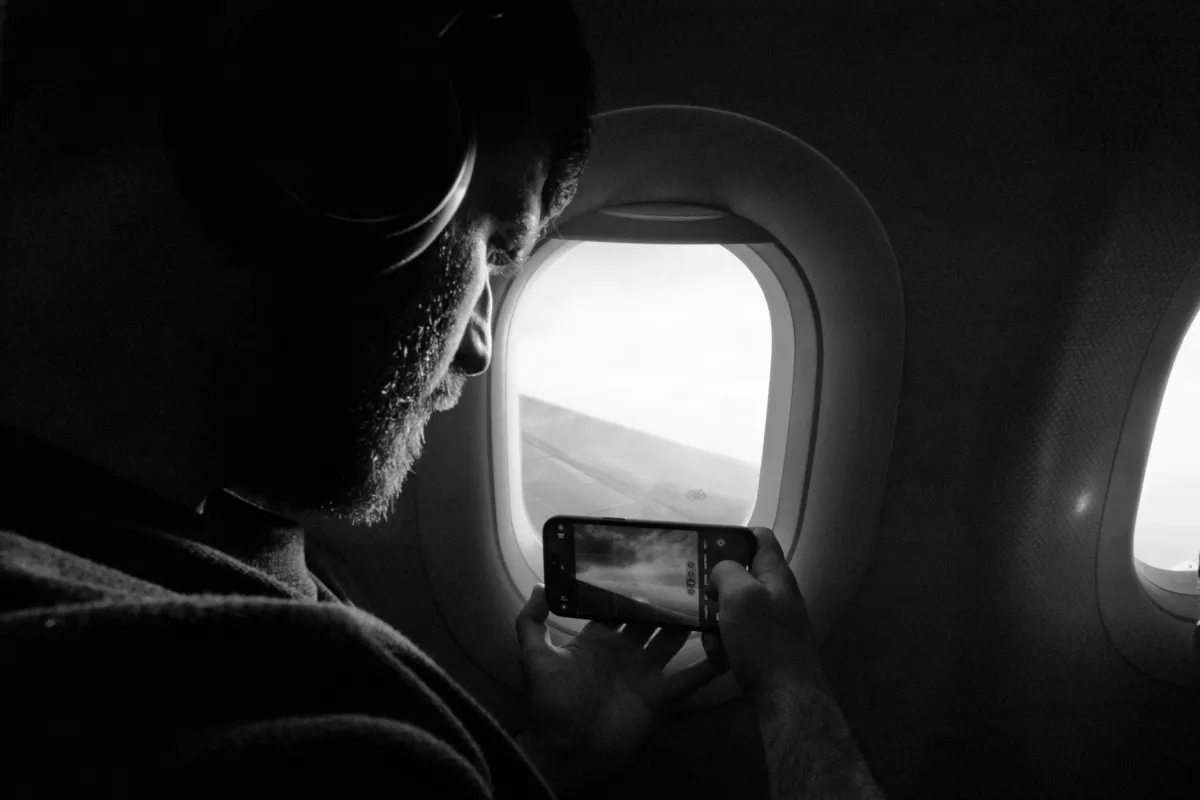
That moment your ears go full cotton-ball during descent is miserable. For some people it passes in minutes; for others the pressure, muffled sound, and dull ache stick around for days after landing.
- Why Do Ears Block on Planes? The Simple Science
- What Does Airplane Ear Actually Feel Like?
- How to Pop Your Ears Safely on a Plane
- Before the Flight: Prevention Is Easier Than a Cure
- Myth vs. Fact: Common Misconceptions About Ear Popping
- When Should You Be Concerned About Ear Pain After Flying?
- A Practical Timeline: What to Expect Before, During, and After Your Flight
- Who Is Most at Risk for Severe Airplane Ear?
- What About Babies and Toddlers on Flights?
- FAQ
- The Bottom Line
Why Do Ears Block on Planes? The Simple Science
Your middle ear is an air-filled space behind your eardrum that needs to stay at the same pressure as the environment around you. The Eustachian tube, a narrow channel roughly 1.5 inches (about 35 mm) long, is the only route air can take to get in or out of that space. On the ground, this system works quietly every time you swallow or yawn.
Flying changes everything. Aircraft cabins are pressurized to conditions similar to an altitude of roughly 6,000 to 8,000 feet (about 1,800 to 2,400 meters). When the plane climbs, cabin pressure drops and air escapes your middle ear relatively easily. But on descent, pressure rises again and air needs to flow back in. Here’s where it gets stuck: the Eustachian tube can be slow or reluctant to open, so the pressure imbalance builds up, pushing on your eardrum from the outside. That’s what creates the stuffy, full-in-the-head feeling, sometimes with a sharp ache.
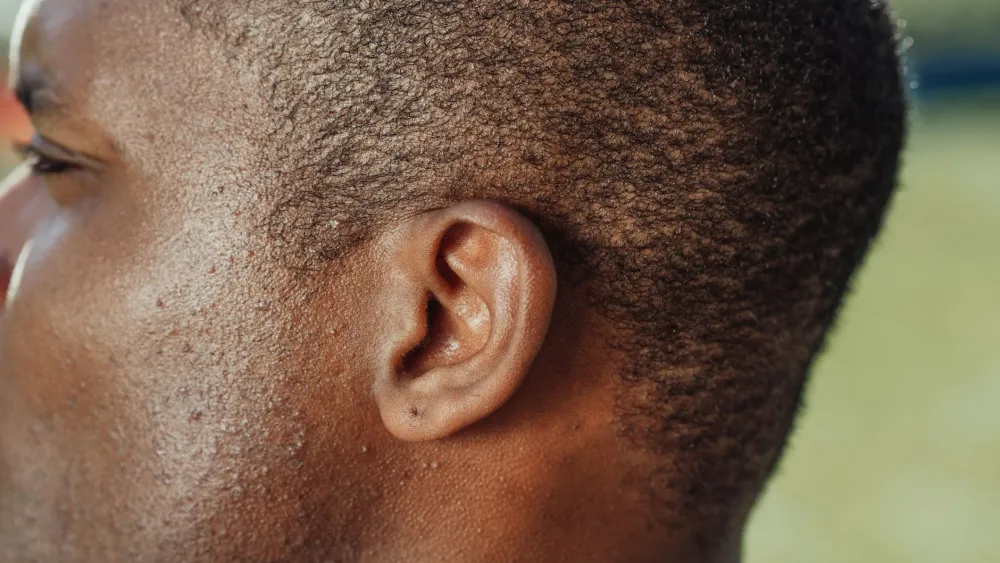
This condition has a name: airplane ear, or more formally, ear barotrauma (pronounced bar-oh-TRAW-mah). Baro means pressure; trauma refers to the stress placed on your eardrum and surrounding tissues. According to the Mayo Clinic, airplane ear is one of the most common medical complaints related to air travel, affecting adults and children alike, though kids tend to struggle more because their Eustachian tubes are smaller and positioned more horizontally.
What Does Airplane Ear Actually Feel Like?
Symptoms range from mild annoyance to genuinely painful. Most people notice a gradual sensation of fullness or stuffiness starting during descent, followed by muffled hearing as if someone wrapped your head in a towel. For some, there’s a popping or clicking sensation as the tube briefly opens and pressure equalizes on its own.
In more uncomfortable cases, you might feel a sharp or throbbing ache inside the ear, dizziness, or a ringing sound called tinnitus. Severe barotrauma, though less common, can cause fluid to collect in the middle ear or, rarely, a small tear in the eardrum. That level of severity usually involves significant pain during or after the flight and may leave you with reduced hearing for days.
How to Pop Your Ears Safely on a Plane
The goal of every technique below is the same: encourage the Eustachian tube to open briefly so air can flow in and equalize the pressure. Some methods are gentler than others. Start with the least forceful option and work your way up only if needed.
Before the Flight: Prevention Is Easier Than a Cure
The single most effective strategy is starting before you board. Trying to manage severe ear pressure mid-descent when your Eustachian tube is already locked shut is a much harder problem than keeping it from closing in the first place.
Here’s what may help:
- Use a nasal decongestant spray: If you’re congested from a cold or allergies, an over-the-counter decongestant nasal spray used 30 to 60 minutes before descent may shrink the swelling around the Eustachian tube opening and make equalization easier. Check with a pharmacist about what’s appropriate for you, especially if you have high blood pressure or are taking other medications.
- Stay well hydrated: Dry cabin air thickens mucus, which can partially block the Eustachian tube. Drinking water throughout the flight (aim for about 8 ounces or 240 ml per hour) may help keep things moving. If you’re curious about how much hydration you actually need day to day, this breakdown of daily water needs covers the research clearly.
- Try filtered earplugs designed for flying: Products like pressure-regulating earplugs (often sold under brand names at pharmacies and airports) slow the rate of pressure change reaching your eardrum, giving your Eustachian tube more time to keep up. Evidence is mixed, but many frequent fliers find them genuinely helpful.
- Avoid alcohol and sleep aids before descent: Both reduce your swallowing reflex and make it easier to stay asleep when you should be actively equalizing.

Myth vs. Fact: Common Misconceptions About Ear Popping
There’s a lot of well-meaning but wrong advice floating around travel forums. Here’s what the evidence actually supports.
| Common Claim | What the Evidence Says |
|---|---|
| Blow your nose hard to clear pressure | Not recommended. Hard blowing can push bacteria into the middle ear or spike pressure suddenly. Gentle is better. |
| Cotton balls in your ears block pressure changes | No evidence this works. Standard cotton is too porous to affect pressure at all. |
| Antihistamines prevent airplane ear | Mixed evidence. They may help people with allergic congestion but are not a reliable fix for everyone and can cause drowsiness. |
| Ear candling clears blocked ear pressure | No credible evidence supports this. The FDA has warned that ear candles carry real risks including burns and ear canal blockages. |
| Chewing gum only works for kids | It works at any age. The swallowing motion is the mechanism, not anything specific to children’s anatomy. |
The FDA’s stance on ear candling deserves emphasis: avoid it entirely. There’s no scientific basis for it as a pressure treatment, and the burn and blockage risks are real. Stick to the proven, gentle techniques above.
When Should You Be Concerned About Ear Pain After Flying?
Most cases of airplane ear resolve on their own within a few hours to a day. But some situations deserve a proper evaluation.
See a doctor promptly if you notice any of the following after a flight:
- Ear pain that lasts more than 24 hours after landing and isn’t improving
- Significant hearing loss in one or both ears that doesn’t clear up within a day
- Discharge or bleeding from the ear canal, which can signal a perforated eardrum
- Dizziness or loss of balance that persists after landing
- Severe tinnitus (ringing, buzzing, or roaring in the ear) that won’t quit
These symptoms can indicate middle ear fluid buildup, a perforated eardrum, or inner ear barotrauma, all of which are treatable but need professional assessment. This isn’t the time to wait it out for a week hoping things improve. A doctor, specifically an ear, nose, and throat (ENT) specialist if your primary care physician refers you, can look directly at your eardrum and tell you what’s going on. The Mayo Clinic notes that most mild to moderate cases of airplane ear do resolve without treatment, but persistent symptoms should never be ignored.

A Practical Timeline: What to Expect Before, During, and After Your Flight
| When | What to Do | What to Expect |
|---|---|---|
| Night before | Treat congestion if present; stay hydrated | Reduced swelling in nasal passages by departure |
| 30-60 min before descent | Use decongestant spray if congested; put on pressure-regulating earplugs | More open Eustachian tube as pressure rises |
| During descent | Swallow, yawn, chew gum; use Valsalva or Toynbee if needed | One or more small pops; pressure relief |
| Right after landing | Continue swallowing; try gentle Valsalva if still blocked | Most mild cases clear within 30 minutes to a few hours |
| 12-24 hours post-flight | Gentle steam inhalation may help; stay hydrated | Gradual resolution of residual fullness |
| Beyond 24 hours | See a doctor if pain, hearing loss, or discharge persists | Professional evaluation and possible treatment |
Who Is Most at Risk for Severe Airplane Ear?
Some people are much more prone to ear barotrauma than others, and knowing whether you’re in a higher-risk group helps you prepare. According to the MedlinePlus health library from the National Institutes of Health, the following factors increase your likelihood of struggling with ear pressure changes during flights.
- Active upper respiratory infections: colds, sinus infections, and the flu top the list
- Seasonal or year-round allergies that cause persistent nasal congestion
- A history of ear infections or prior ear surgery
- Infants and young children due to the smaller angle and size of their Eustachian tubes
- Smoking, which chronically inflames the mucous membranes lining the Eustachian tube
If allergies or frequent sinus congestion are recurring problems for you, it’s worth addressing those between flights rather than only scrambling for fixes mid-descent. Managing the underlying cause consistently tends to make every flight more comfortable. And if stress is part of why your sinuses flare up (it’s more connected than most people realize), the piece on how stress and body inflammation are linked offers some useful context.
What About Babies and Toddlers on Flights?
Parents, this one’s for you. Infants and toddlers can’t perform the Valsalva maneuver on command, and they can’t tell you their ears hurt, which is why so many young children cry during descent. But the fix is simple: feed them.
Breastfeeding, bottle feeding, or offering a pacifier during takeoff and descent encourages continuous swallowing, which is exactly the mechanism you want. For older toddlers, a sippy cup or small snack works well. The American Academy of Pediatrics recommends against giving young children decongestant medications due to safety concerns, so feeding and swallowing are generally the first-line approach for small children.
FAQ
The Bottom Line
Blocked ears on flights come down to one thing: your Eustachian tube struggling to keep pace with rapid cabin pressure changes during descent. The safest and most effective first steps are also the simplest: swallow often, chew gum, yawn, and if needed, try the gentle Valsalva or Toynbee maneuver. If you fly congested, a decongestant spray used 30 to 60 minutes before landing may help open the Eustachian tube. Start these strategies before pressure builds rather than after your ears are already locked up. And if pain, muffled hearing, or discharge lasts more than 24 hours after landing, skip the home remedies and see a doctor.
This article is for informational purposes only and is not a substitute for professional medical advice, diagnosis, or treatment. Always consult a qualified healthcare provider about your specific situation. If you experience severe or sudden symptoms, seek medical care immediately.