
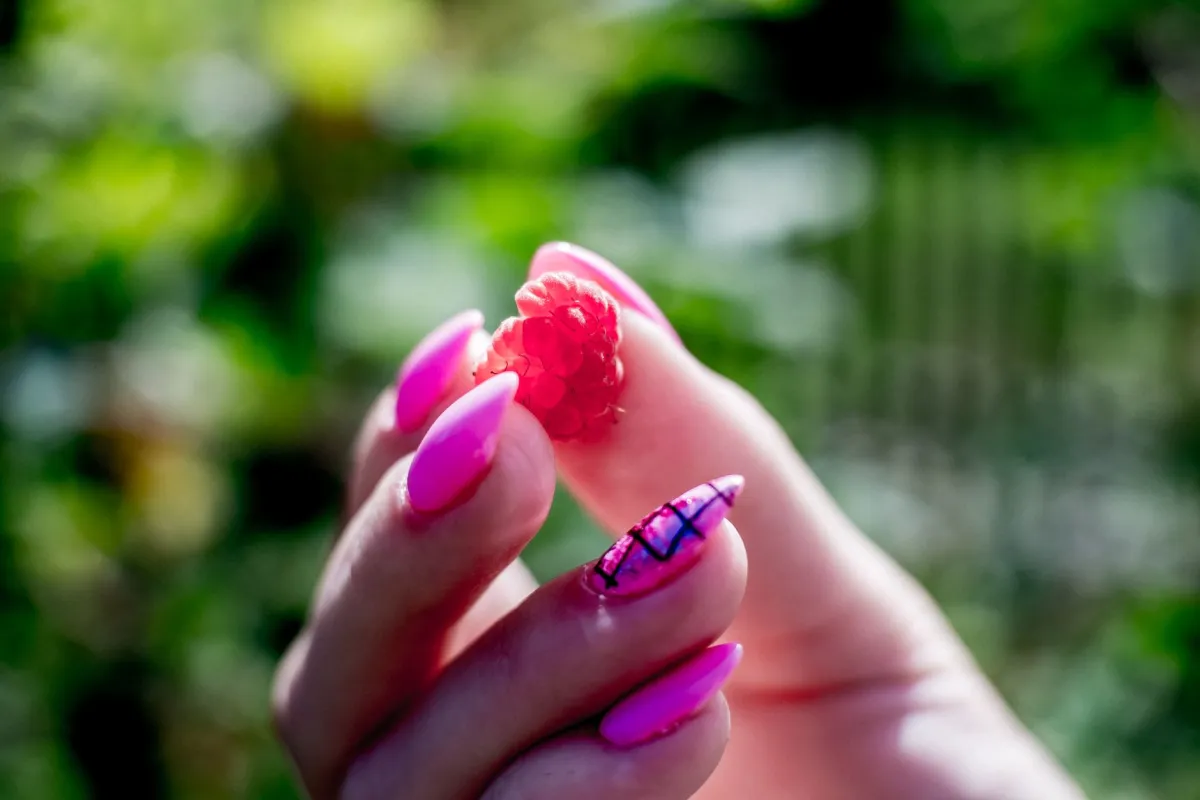
Your fingernails grew about an eighth of an inch (roughly 3 mm) last month, and the entire time they were doing that, they were quietly recording your health history, like a slow-moving ticker tape. Most of us don’t pay attention until something looks off. That’s actually the right moment to start reading.
- Why Nails Are a Window Into Your Body
- What Different Nail Changes Actually Mean
- Nail Health Myths vs. What the Research Actually Says
- What Good Nail Nutrition Actually Looks Like
- Practical Steps You Can Start Today
- When Should You See a Doctor About Your Nails?
- The Connection Between Stress, Habits, and Nail Health
- FAQ
- The Bottom Line
Why Nails Are a Window Into Your Body
Nails are made primarily of a protein called keratin, the same structural protein that makes up your hair and the outer layer of your skin. They grow from a root called the nail matrix, which sits just under the skin at the base of your nail. Because the matrix is living tissue fed by your bloodstream, it responds to what’s circulating through your body: nutrients, hormones, oxygen levels, and signs of systemic disease.
That’s why doctors have checked nails during physical exams for generations. The American Academy of Dermatology notes that a surprising number of internal conditions first show up as changes to the nails. It’s not superstition. It’s basic biology.
Fingernails grow faster than toenails, averaging about 3 mm per month. Growth slows in winter, during illness, and as you age. Toenails grow closer to 1.5 mm per month. That timing matters because some nail changes take weeks or months to appear after the triggering event.
What Different Nail Changes Actually Mean
Not every weird-looking nail is a red flag. Here’s a practical breakdown of the most common changes and what they’re associated with.
Color Changes
Pale or white nails can sometimes be associated with anemia (too few healthy red blood cells, often from low iron), liver conditions, or even heart failure, though they can also simply result from aging or frequent use of gel or acrylic products. If your nails look almost white across most of the surface and you also feel persistently tired or short of breath, that combination is worth mentioning to your doctor.
Yellow nails are one of the more common complaints. The most frequent cause is a fungal infection, which the Mayo Clinic notes tends to thicken the nail and cause crumbling edges over time. Yellow nails can also follow years of using dark nail polish without a base coat, or in rarer cases may be linked to respiratory conditions or lymphedema (swelling caused by a buildup of lymph fluid). If yellowing comes with thickening and odor, a fungal infection is the likely explanation.
Blue or grayish nail beds suggest the tissue isn’t getting enough oxygen. This can happen during extreme cold (your fingers turn blue when you’re freezing, after all), but persistent blueness at normal temperatures may indicate a circulation problem or lung condition and deserves prompt evaluation.
Dark streaks running lengthwise deserve particular attention. A single dark brown or black vertical line, called longitudinal melanonychia, is common in people with darker skin tones and is often benign. A new, widening, or irregularly bordered dark streak, especially if it extends onto the surrounding skin, should be evaluated by a dermatologist to rule out subungual melanoma (a rare but serious skin cancer beneath the nail). Don’t wait on this one.
Texture and Surface Changes
Horizontal ridges, called Beau’s lines, look like shallow grooves running across the nail from side to side. They form when nail growth temporarily pauses, which can happen after a high fever, serious illness, major surgery, or significant physical or emotional stress. The line essentially marks the moment growth stopped. Because nails grow out over weeks, you can roughly estimate when the stressful event occurred by measuring how far the line is from the base of your nail.
Vertical ridges running from base to tip are almost always normal. They tend to become more prominent with age and are generally no cause for concern, even when they’re visible and feel raised to the touch.
Pitting, which looks like tiny ice-pick dents across the nail surface, is strongly associated with psoriasis (an inflammatory skin condition) and also appears in some people with alopecia areata (an autoimmune condition that causes hair loss). The Cleveland Clinic notes that nail pitting occurs in a significant portion of people with psoriasis, sometimes even before any skin symptoms develop.
Shape Changes
Clubbing is when the fingertips enlarge and the nails curve downward around them, like an upside-down spoon. It develops gradually and is associated with long-term low oxygen levels in the blood, which can be linked to lung disease, heart disease, or inflammatory bowel disease. If you notice your fingertips gradually getting rounder and your nails curving more steeply, that’s a conversation to have with your primary care provider sooner rather than later.
Spoon nails (called koilonychia) curve upward at the edges, forming a concave shape that could theoretically hold a drop of water. This shape is associated with iron-deficiency anemia and, less commonly, with hemochromatosis (a condition where the body stores too much iron). Occasionally it appears in infants and resolves on its own.
Nail Health Myths vs. What the Research Actually Says
| The Myth | What’s Actually True | Confidence Level |
|---|---|---|
| White spots mean calcium deficiency | Usually minor nail trauma | Well established |
| Nails keep growing after death | Skin retracts, creating the illusion | Well established |
| Biotin supplements fix brittle nails for everyone | Evidence is limited; helps mainly with true deficiency | Mixed evidence |
| Cutting nails straight makes them grow faster | Cutting shape doesn’t affect growth speed | Well established |
| Gel and acrylic nails always cause permanent damage | Frequent use without breaks may thin nails; damage is often reversible | Moderate evidence |
The biotin myth is worth sitting with for a moment because supplements marketed for hair and nail growth are a massive industry. Harvard Health notes that biotin (a B vitamin) may help strengthen brittle nails in people who are actually deficient, but true biotin deficiency is rare in people who eat a reasonably varied diet. Biotin supplements can also interfere with certain lab tests, including thyroid and cardiac biomarker panels, which is a real, documented concern. If you’re supplementing, tell your doctor before any bloodwork.
What Good Nail Nutrition Actually Looks Like
Strong nails come from consistent, boring nutrition more than any single supplement. Here’s what the evidence supports, without the marketing noise.
Protein is the foundation since nails are almost entirely keratin. Most Americans get adequate protein, but people eating very low-calorie diets or restricting food groups may come up short. Iron, zinc, and B vitamins (including biotin) all play roles in nail structure. You’ll find most of them in eggs, legumes, lean meats, nuts, and leafy greens. That’s a pretty accessible grocery list, honestly.
Water exposure matters more than people realize. Nails absorb and lose water, and repeated wetting and drying is a common cause of brittle, peeling nails. The advice to drink enough water isn’t glamorous, but if you want to know how much water you actually need daily, the answer is more nuanced than the classic eight glasses rule.

Practical Steps You Can Start Today
Most nail problems that aren’t tied to an underlying condition respond well to consistent, simple habits. There’s no single product that fixes everything, but these steps have genuine evidence behind them.
When Should You See a Doctor About Your Nails?
Some nail changes genuinely need a professional evaluation, not a new hand cream. According to the American Academy of Dermatology, the following symptoms deserve attention from a doctor or dermatologist.
- A new dark streak under the nail that wasn’t caused by a known injury, especially if it’s widening or irregular in color.
- Nail lifting away from the nail bed (called onycholysis), particularly if it’s spreading, painful, or accompanied by discoloration.
- Thickened, crumbling, yellow toenails that don’t improve after a few months, as nail fungus usually needs prescription treatment to clear fully.
- Pitting or nail changes alongside joint pain and skin changes, which may suggest psoriasis and benefit from dermatological care.
- Clubbing developing gradually over months, which warrants evaluation for heart or lung causes.
- Any nail change paired with unexplained fatigue, weight loss, or shortness of breath deserves a prompt doctor visit, not just a nail fix.
That last point is key. Nails are a clue, not a diagnosis. A dermatologist or your primary care provider can order bloodwork, examine the nail under magnification, or take a culture if infection is suspected. Don’t try to diagnose yourself based on a nail color change you saw on social media. The overlap between conditions is real, and what looks like a fungal nail might occasionally be something that needs different treatment entirely.

The Connection Between Stress, Habits, and Nail Health
Stress shows up in your nails in surprisingly literal ways. Those horizontal Beau’s lines mentioned earlier are a direct record of periods when your body redirected resources away from nail growth. Chronic stress also increases the likelihood of skin-picking behaviors, including biting nails and pulling at cuticles, which creates a cycle of damage and infection.
Sleep, interestingly, is when a lot of your body’s repair work happens, including tissue maintenance around the nail matrix. If you’re already reading about the small daily habits linked to longer, healthier lives, consistent sleep is reliably on that list for good reason.
The stress-skin-nail connection is one reason dermatologists often ask about life circumstances during a skin or nail exam. It’s not small talk. It’s diagnostically relevant.
FAQ
The Bottom Line
Your nail health is a genuine reflection of what’s happening inside your body, from nutrition and hydration to circulation and immune function. Most common nail problems, like brittleness, ridging, and white spots, respond to simple daily habits: moisturizing consistently, protecting nails from harsh chemicals, eating a varied diet with adequate protein and iron, and giving nails occasional breaks from heavy product use. Some changes, particularly dark streaks, nail clubbing, or persistent lifting and thickening, deserve a real evaluation from a dermatologist or primary care provider, not just a trip down the supplement aisle. Start with the basics today, keep an eye on what changes, and trust your gut if something looks suddenly different. Your nails have been paying attention. Now you can too.
This article is for informational purposes only and is not a substitute for professional medical advice, diagnosis, or treatment. Always consult a qualified healthcare provider about your specific situation. If you experience severe or sudden symptoms, seek medical care immediately.
Sources

Skin and Beauty
Browse every related article on this topic in one place.