

Standing in the grocery store aisle with a phone full of conflicting keto advice is a specific kind of exhausting. This keto grocery list for beginners cuts through that noise with a clear, aisle-by-aisle guide to exactly what belongs in your cart.
- What Is the Ketogenic Diet, and Why Does the Grocery List Matter?
- The Keto Grocery List for Beginners, Section by Section
- What to Leave Out of Your Keto Grocery List
- Keto Grocery List: Myths vs. Facts
- How to Avoid Keto Flu When Starting Out
- Sample First-Week Keto Shopping List
- When Should You Talk to a Doctor Before Starting Keto?
- FAQ
- The Bottom Line
What Is the Ketogenic Diet, and Why Does the Grocery List Matter?
The ketogenic diet is a very low-carbohydrate, high-fat eating pattern designed to shift your body into a metabolic state called ketosis, where fat becomes the primary fuel source instead of glucose (sugar from carbs). When carbohydrate intake drops low enough, your liver converts fat into molecules called ketone bodies, which your brain and muscles can use for energy.
Your grocery cart is where keto either succeeds or falls apart. Unlike many diets, keto has a hard metabolic threshold: sneaking in too many carbs can push you out of ketosis entirely. That’s why knowing your shopping list before you hit the store actually matters for results, not just convenience.
If you want a detailed week-by-week meal structure to pair with this list, the free 28-day keto diet plan on this site walks you through breakfasts, lunches, and dinners in a printable format.
The Keto Grocery List for Beginners, Section by Section
Think of this as your store walkthrough. Hit these sections in order and you’ll leave with a keto-friendly cart.
Proteins: Meat, Poultry, and Seafood
Protein is the backbone of most keto meals. The goal is to eat enough to preserve muscle without going so high that it interferes with ketosis. Most people find a moderate protein intake works well, roughly 0.6 to 1 gram per pound of lean body mass, though individual needs vary.
Good choices to look for:
- Beef: ground beef (80/20 fat ratio is popular), ribeye, chuck roast, and brisket all work well.
- Poultry: chicken thighs and drumsticks over breasts, since the darker meat carries more fat.
- Pork: bacon (check for no-sugar-added labels), pork chops, and pork belly.
- Lamb: lamb chops and ground lamb are naturally fatty and need no modification.
- Fatty fish: salmon, mackerel, sardines, and trout. These also deliver omega-3 fatty acids, which research links to heart and brain health.
- Shellfish: shrimp, crab, and lobster are generally low in carbs, though some shellfish like oysters carry a few more grams, so check labels when buying pre-seasoned versions.
Eggs and Dairy
Eggs are one of the most versatile keto foods available. They’re affordable, portable, and virtually zero-carb. Whole eggs with the yolk provide fat, protein, and choline, a nutrient that supports brain function.
For dairy, fat content is your friend. Full-fat options tend to be lower in carbs than reduced-fat versions, which often have added sugars or fillers.
- Eggs: buy a dozen or two; you’ll go through them fast.
- Heavy cream: used in coffee, sauces, and soups.
- Full-fat cheese: cheddar, mozzarella, brie, gouda, and cream cheese are all low-carb staples.
- Greek yogurt (plain, full-fat): has some carbs, so keep portions to about half a cup and count them.
- Butter and ghee: excellent cooking fats with zero carbs.
- Sour cream: a small dollop adds fat and flavor without much carb load.
One carton of eggs, a block of cheese, and a stick of butter will cover you through most of your first keto week. Simple.
Non-Starchy Vegetables
Vegetables are where beginners often go wrong, either avoiding them entirely or accidentally picking high-carb options. The general rule: choose vegetables that grow above ground. They tend to carry fewer carbs than root vegetables.
Put these in your cart without overthinking it:
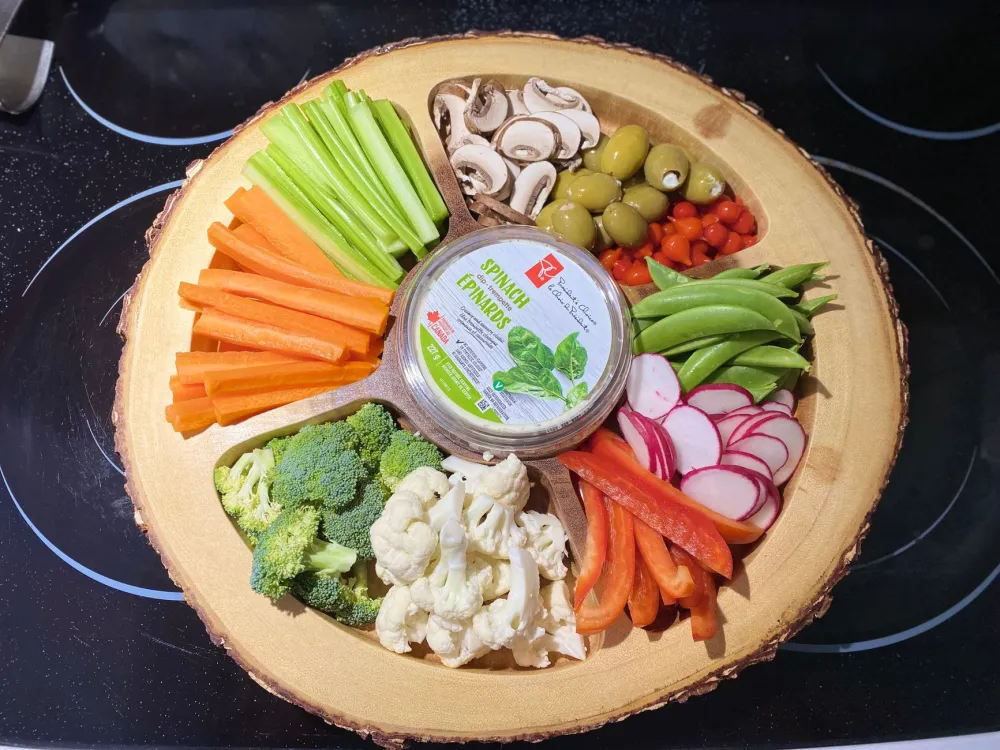
- Leafy greens: spinach, arugula, romaine, kale, and Swiss chard. They’re nearly free of carbs and high in magnesium and potassium, two minerals your body actually needs more of on keto.
- Cruciferous vegetables: broccoli, cauliflower, Brussels sprouts, and cabbage. Cauliflower in particular substitutes for rice and mashed potatoes surprisingly well.
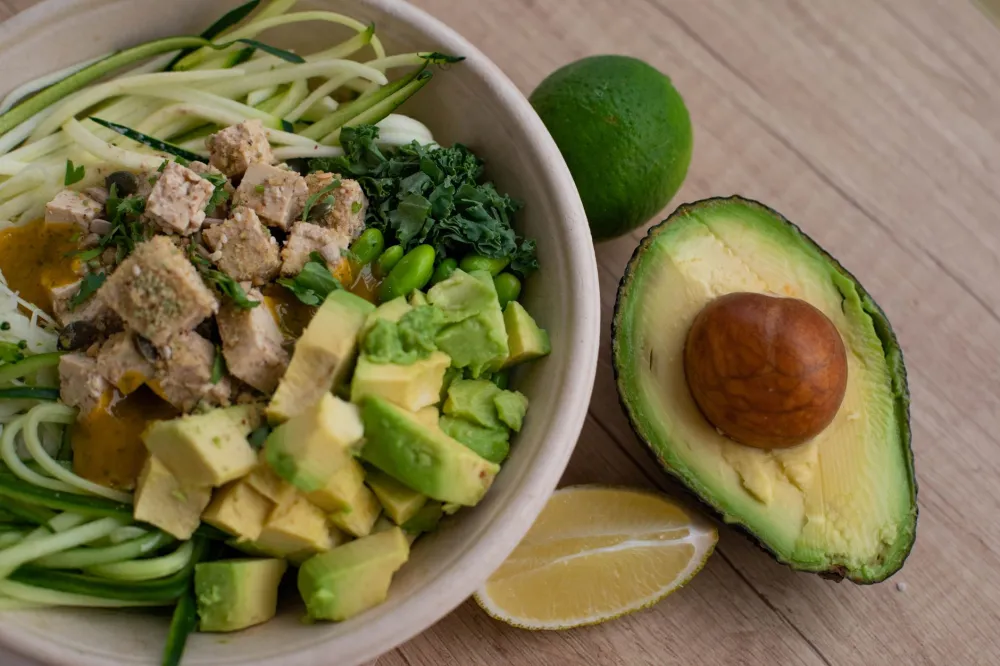
- Zucchini: about 3 grams of net carbs per cup, and it works as a pasta substitute when spiralized.
- Bell peppers: moderate in carbs; half a pepper added to a dish is usually fine.
- Asparagus, green beans, celery, cucumber: all low-carb and widely available.
- Avocado: technically a fruit, but it deserves its own line. Rich in healthy monounsaturated fat and potassium, with only about 2 grams of net carbs per half.
What to skip in the produce section: potatoes, sweet potatoes, corn, beets, and parsnips are all high in starch and will push you out of ketosis quickly.
Healthy Fats and Oils
Fat is the primary calorie source on keto, so the quality and variety of fats you cook with genuinely matters. Mayo Clinic notes that replacing saturated fats with unsaturated fats where possible is generally a heart-healthy approach, worth keeping in mind when building your keto meals long-term.
- Extra-virgin olive oil: for dressings, low-heat cooking, and drizzling.
- Coconut oil: stable at higher temperatures and a source of medium-chain triglycerides (MCTs), a type of fat that may convert to ketones more readily than other fats.
- Avocado oil: neutral flavor, high smoke point, great for searing and roasting.
- Butter and ghee: already listed under dairy, but worth repeating here as primary cooking fats.
- MCT oil: a concentrated supplement some keto followers add to coffee or smoothies. The evidence for performance benefits is mixed, and it can cause digestive upset if you start with too much. Begin with a small amount and see how your body responds.
Nuts and Seeds
Nuts and seeds make excellent keto snacks, but portion control matters because carbs add up faster than you’d expect. Stick to a small handful (about 1 ounce, or 28 grams) at a time.
- Almonds, pecans, walnuts, and macadamia nuts: all relatively low in net carbs and high in fat.
- Chia seeds and flaxseeds: high in fiber and omega-3s; often used in keto baking.
- Pumpkin seeds (pepitas): good source of magnesium.
- Sunflower seeds: fine in moderation.
- Cashews and pistachios: higher in carbs than the others; enjoy sparingly.
Nut butters (almond butter, peanut butter) work too, as long as you choose versions with no added sugar. Read the label: many commercial nut butters sneak in honey or cane sugar.
Pantry Essentials
Your pantry is what saves you on a Tuesday night when you haven’t meal-prepped. Stock these and you’ll always have a keto-friendly meal within reach.
- Canned fish: tuna, sardines, and salmon are cheap, shelf-stable, and need no cooking.
- Canned or boxed chicken broth: forms the base of soups and sauces.
- Canned full-fat coconut milk: for curries and creamy sauces.
- Almond flour and coconut flour: keto-friendly baking alternatives to wheat flour.
- Apple cider vinegar and hot sauce: most are zero-carb and add huge flavor.
- Dijon mustard: check the label; most plain mustards are carb-free.
- Soy sauce or coconut aminos: coconut aminos is slightly lower in sodium.
- Sugar-free sweeteners: erythritol and monk fruit are the most widely used on keto. Stevia works too. Avoid maltitol, which has a higher impact on blood sugar than most other sugar alcohols.
What to Leave Out of Your Keto Grocery List
Knowing what not to buy is just as useful as knowing what to grab. These foods are high enough in carbohydrates that even small portions can disrupt ketosis for many people.
| Category | High-Carb Foods to Avoid | Why It Matters |
|---|---|---|
| Grains | Bread, pasta, rice, oats, cereal | 50-70+ grams of carbs per serving |
| Sugary foods | Candy, soda, juice, pastries, ice cream | Spikes blood glucose fast |
| Root vegetables | Potatoes, sweet potatoes, carrots, beets | High starch content |
| Most fruit | Bananas, grapes, mangoes, apples | High in natural sugars |
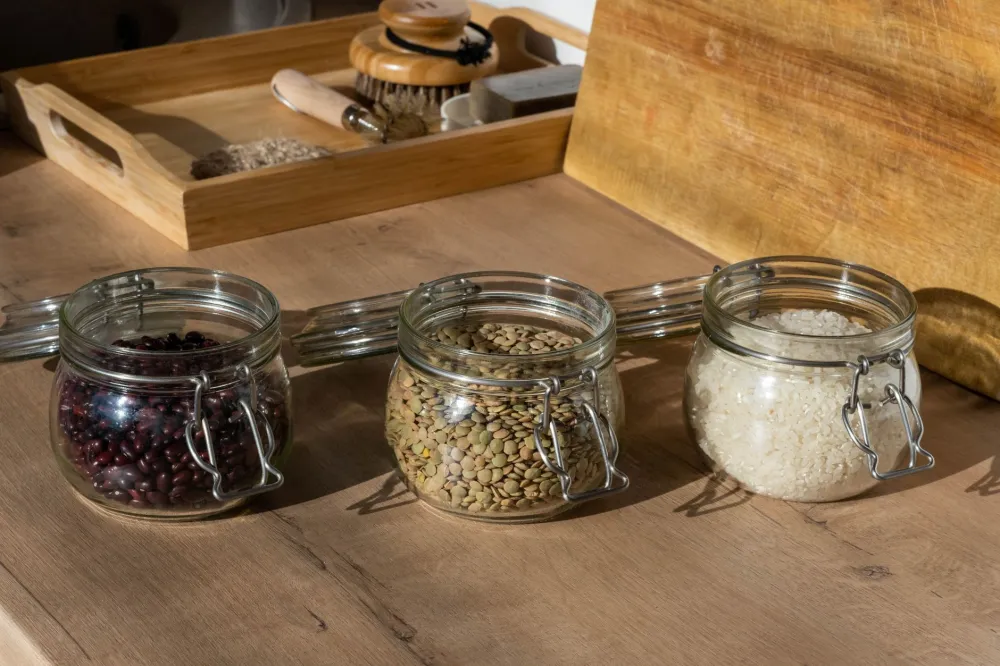
| Legumes | Beans, lentils, chickpeas | 20-40 grams of carbs per cup |
| Low-fat dairy | Skim milk, low-fat yogurt, low-fat cheese | Often higher in carbs than full-fat versions |
| Condiments | Ketchup, BBQ sauce, sweet dressings | Loaded with added sugar |
Berries are the one fruit exception worth noting. Strawberries, raspberries, and blackberries are relatively low in carbs, about 5 to 8 grams of net carbs per half cup, and many keto eaters include small amounts without issue.
Keto Grocery List: Myths vs. Facts
There’s a lot of misunderstanding about what keto eating actually requires. Here’s what the evidence really shows.
Myth: You can eat unlimited bacon and processed meats.
Fact: Processed meats like deli slices and sausages often contain added sugars, fillers, and high sodium. Some even contain hidden starches. Always read the ingredient list. Fresh, unprocessed meats are a better foundation.
Myth: Keto means no vegetables.
Fact: Non-starchy vegetables are encouraged. They provide fiber, vitamins, and minerals that are harder to get otherwise. Skipping them can increase your risk of constipation and nutrient deficiencies.
Myth: You don’t need to worry about calories on keto.
Fact: Calorie balance still matters for weight change. Keto may naturally reduce appetite for many people, but eating large amounts of high-fat foods still adds up. The weight loss and nutrition guide on this site covers how energy balance fits into different dietary approaches.
Myth: Keto is just for weight loss.
Fact: The ketogenic diet was originally developed as a medical treatment for epilepsy and is still used clinically for that purpose. Research continues into other potential applications, though results vary and the diet isn’t right for everyone.
How to Avoid Keto Flu When Starting Out
Many beginners experience what’s known as the “keto flu” in the first one to two weeks: headaches, fatigue, brain fog, and irritability as the body adapts to burning fat instead of glucose. It’s uncomfortable, but it’s not dangerous for most healthy people.
The main driver is electrolyte loss. When carbs drop, insulin levels fall, and the kidneys flush out more sodium, which then pulls potassium and magnesium along with it. Replacing those electrolytes helps significantly.
Here’s how to ease the transition:
For a full breakdown of what to expect and how long symptoms typically last, the article on keto flu symptoms and what helps covers it thoroughly.
Sample First-Week Keto Shopping List
Theory is useful. A concrete list you can screenshot is more useful. Here’s a realistic first-week keto grocery list for beginners, built around simple meals that don’t require cooking skills beyond basic sautéing.
| Section | Item | Approx. Servings |
|---|---|---|
| Proteins | Ground beef (80/20) | 1.5 lbs |
| Proteins | Chicken thighs (bone-in) | 2 lbs |
| Proteins | Salmon fillets | 1 lb |
| Proteins | Bacon (no sugar added) | 1 pack |
| Eggs/Dairy | Eggs | 12 count |
| Eggs/Dairy | Sharp cheddar cheese | 8 oz block |
| Eggs/Dairy | Cream cheese | 8 oz |
| Eggs/Dairy | Heavy cream | 1 pint |
| Eggs/Dairy | Butter (unsalted) | 1 stick |
| Vegetables | Baby spinach | 5 oz bag |
| Vegetables | Broccoli crowns | 1 lb |
| Vegetables | Zucchini | 2 medium |
| Vegetables | Avocados | 3-4 |
| Vegetables | Cauliflower (fresh or frozen) | 1 head or 12 oz bag |
| Fats/Pantry | Extra-virgin olive oil | Small bottle |
| Fats/Pantry | Canned tuna in olive oil | 3 cans |
| Nuts/Snacks | Raw almonds | 6 oz bag |
| Nuts/Snacks | String cheese | 1 pack |
This covers roughly five to six days of meals for one person. Adjust quantities based on how many people you’re feeding and how often you plan to eat out.
When Should You Talk to a Doctor Before Starting Keto?
Keto is not appropriate for everyone. Certain conditions and medications interact directly with a very low-carbohydrate diet, and the changes can happen quickly once you start.
Talk to your doctor before starting keto if you:
- Have type 1 or type 2 diabetes and take insulin or blood sugar medications (dosing may need adjustment as blood glucose falls).
- Have kidney disease; high protein and altered mineral excretion can put extra strain on compromised kidneys.
- Take medications for high blood pressure; keto can lower blood pressure, sometimes to a degree that requires medication adjustment.
- Are pregnant or breastfeeding. This is not the time for significant dietary restriction; speak with your OB-GYN or midwife.
- Have a personal or family history of disordered eating.
The CDC consistently emphasizes that any major dietary change should be discussed with a qualified healthcare provider, particularly for people managing chronic conditions. That advice applies here.
Also worth knowing: if you experience chest pain, severe headache, confusion, or any sudden worrying symptoms after starting keto, stop and seek medical care. Don’t assume it’s just the keto flu.
FAQ
The Bottom Line
A good keto grocery list for beginners isn’t complicated once you know the categories. Stock your cart with meat, fish, eggs, full-fat dairy, non-starchy vegetables, healthy oils, and a handful of nuts, and you have everything you need to cook simple, satisfying keto meals for the week. Leave out the grains, sugar, and starchy vegetables, and the math mostly takes care of itself. Track your net carbs in the first couple of weeks until you get a feel for the portions. And if you have any existing health conditions, check in with your doctor before the first shopping trip, not after.
This article is for informational purposes only and is not a substitute for professional medical advice, diagnosis, or treatment. Always consult a qualified healthcare provider about your specific situation. If you experience severe or sudden symptoms, seek medical care immediately.

Weight Loss and Nutrition
Browse every related article on this topic in one place.



![The Mediterranean Diet Explained Simply [Science-Backed]](https://betterlifecarez.com/wp-content/uploads/2026/08/mediterranean-diet-explained-simply-150x150.webp "The Mediterranean Diet Explained Simply [Science-Backed] 12")