
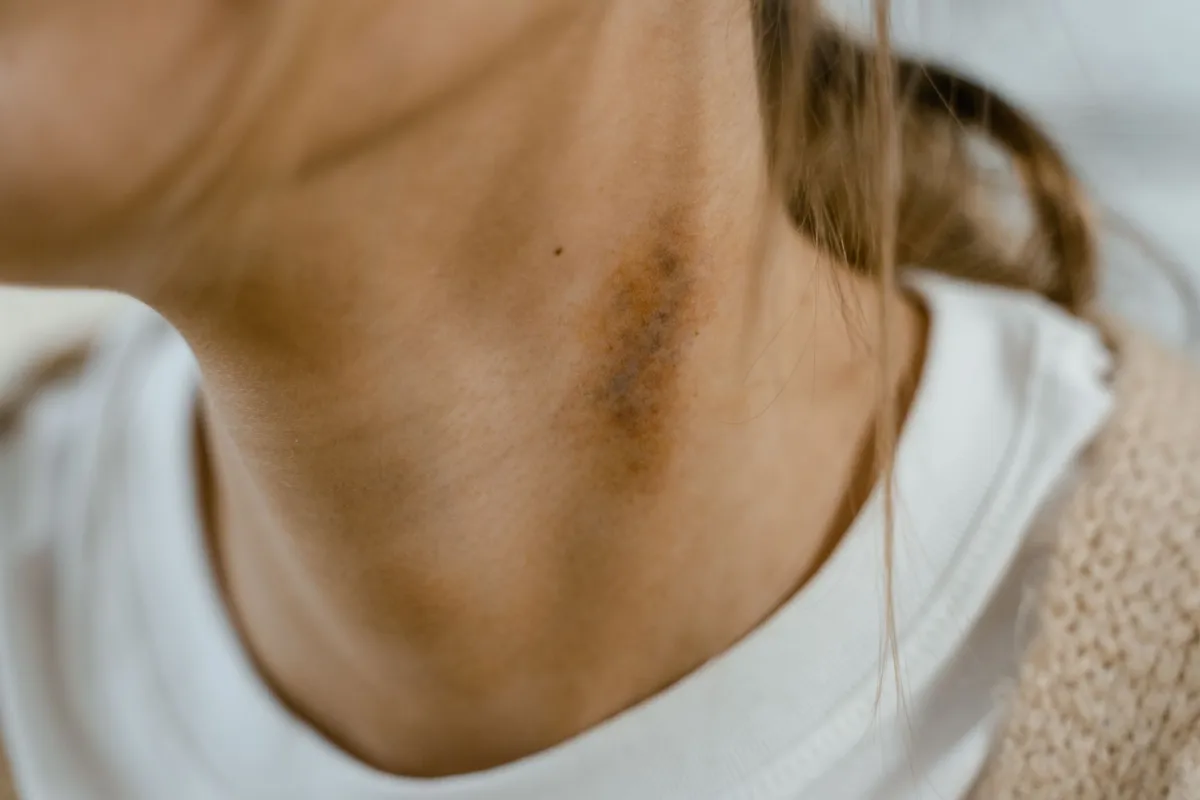
You bump your shin on the coffee table, glance down, and watch a dark purple bloom spread under your skin in real time. Sound familiar? Bruises are one of those annoyances that show up at the worst possible moment, right before a beach trip, a wedding, or shorts season.
- What Is a Bruise, Exactly?
- What Actually Speeds Up Bruise Healing?
- Do Arnica and Vitamin K Creams Actually Work?
- Bruise Healing: Myth vs. Fact
- Can What You Eat Help Your Skin Recover?
- How to Cover a Bruise While It Heals
- What to Expect Week by Week
- Why Do Some People Bruise More Easily?
- When Should You See a Doctor About a Bruise?
- FAQ
- The Bottom Line
What Is a Bruise, Exactly?
A bruise, medically called a contusion, happens when a bump or blow breaks tiny blood vessels called capillaries just beneath the surface of your skin. The blood leaks into the surrounding tissue but has nowhere to go, so it pools and shows through the skin as that familiar blue-purple patch.
Over time, your body breaks down that pooled blood. As it does, the bruise shifts colors: purple to blue to green to yellow, before fading completely. That color change is actually a sign things are working as they should. According to MedlinePlus (NIH), the color shift reflects the breakdown of hemoglobin, the protein in red blood cells that carries oxygen.
What Actually Speeds Up Bruise Healing?
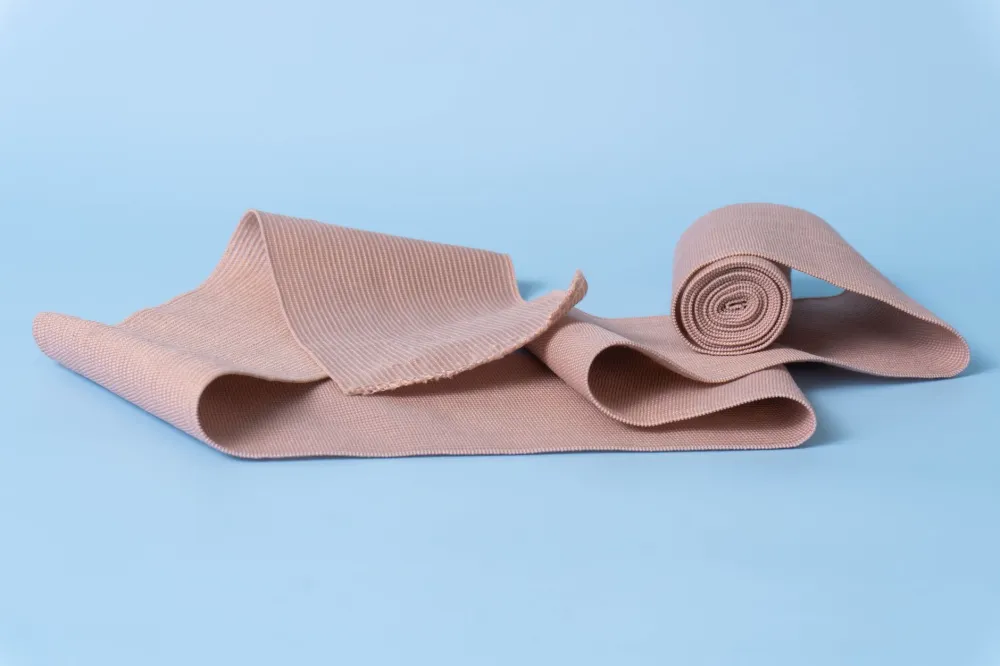
Several evidence-supported steps can genuinely shorten how long a bruise sticks around. They work best when you use more than one together.
Cold Therapy in the First 24 Hours
Applying cold as soon as possible after an injury is the single most useful thing you can do. Cold causes blood vessels to constrict (get narrower), which limits how much blood leaks into the surrounding tissue. Less blood pooling means a smaller, less severe bruise.
Wrap a bag of frozen peas or an ice pack in a thin cloth and apply it to the area for 15 to 20 minutes at a time, a few times in the first day. Never put ice directly on bare skin because you can damage the tissue.
Elevation
If the bruise is on an arm or leg, keeping it raised above heart level slows the pooling of blood in that area. You don’t need to hold it up dramatically. Propping your leg on a couple of couch cushions while you watch TV works just fine.
Warmth After 48 Hours
Once the first 48 hours have passed, switch from cold to gentle warmth. A warm compress or a warm (not hot) shower over the area increases circulation, which helps your body clear the broken-down blood products faster. Mayo Clinic notes that heat therapy is generally appropriate for soft tissue injuries after the initial swelling phase has settled.
Gentle Massage After 48 Hours
Light circular massage around (not directly on) the bruised area after the first two days may help move trapped fluid and encourage lymphatic drainage. The keyword here is gentle. Pressing hard on a fresh bruise increases pain and can worsen the injury.
Do Arnica and Vitamin K Creams Actually Work?
These are two of the most talked-about topical remedies for bruises, and the evidence for both is cautiously promising.
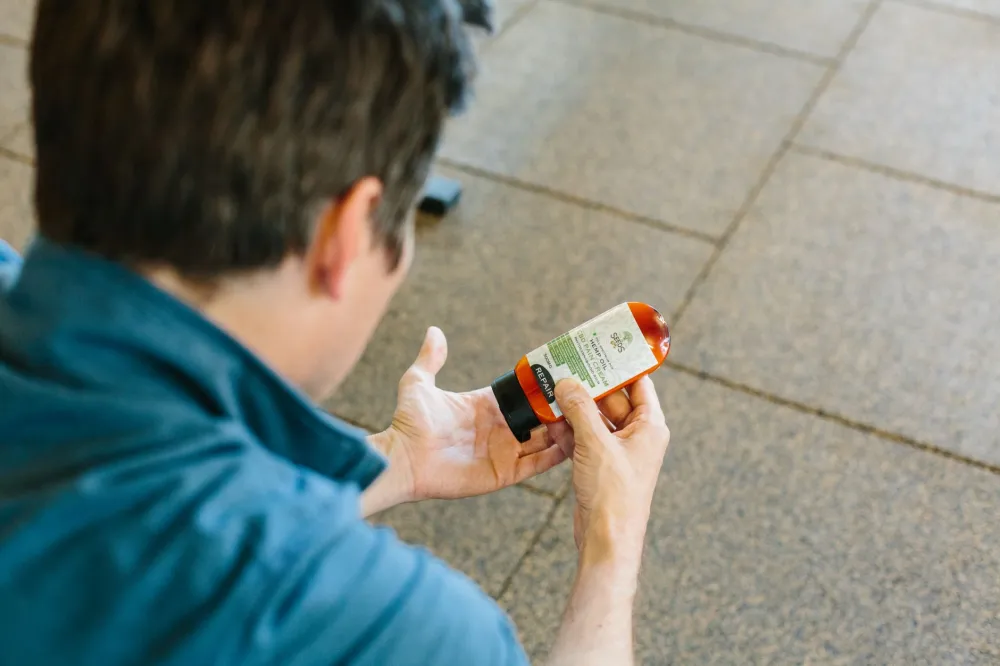
Arnica is a plant extract that has been used for centuries to treat skin trauma. Small clinical studies suggest that arnica gel may reduce bruise severity and speed up color fading compared to a placebo, but the research is limited and the effects are modest. It’s not a dramatic fix, but many dermatologists consider it a reasonable option. Look for a topical arnica gel (not oral supplements, which carry different risks) and follow the label directions.
Vitamin K cream is another option with some supporting evidence. Vitamin K plays a role in blood clotting, and applying it topically may help the skin clear residual blood faster. A 2002 study published in the Journal of the American Academy of Dermatology found that vitamin K cream reduced laser-induced bruising. The research base is thin, but side effects from topical use are minimal.
Both options are available over the counter and are generally considered safe for healthy adults. That said, supplements and topical products are not tightly regulated by the FDA in the same way medications are, so quality can vary between brands.
Bruise Healing: Myth vs. Fact
| Claim | Verdict | What the evidence says |
|---|---|---|
| Rubbing a bruise makes it heal faster | False | Aggressive rubbing can worsen tissue damage in the first 48 hours |
| Toothpaste fades bruises overnight | No evidence | A popular TikTok trend with zero clinical support; may irritate skin |
| Arnica gel may reduce bruise appearance | Modest evidence | Small studies show modest benefit; considered reasonable by dermatologists |
| Ice pack immediately after injury helps | True | Cold constricts blood vessels, limiting how much blood pools under the skin |
| Butter or oil speeds up healing | No evidence | A folk remedy with no clinical backing; skip it |
| Vitamin C supports bruise recovery | Likely helpful | Vitamin C is essential for collagen production; deficiency is linked to easier bruising |
Can What You Eat Help Your Skin Recover?
Your diet won’t make a bruise vanish overnight, but certain nutrients play a real role in how efficiently your body repairs damaged tissue.

Vitamin C is essential for collagen production. Collagen is the protein that gives your skin and blood vessels their structure. People who are chronically low in vitamin C tend to bruise more easily and heal more slowly. Good everyday sources include citrus fruits, bell peppers, strawberries, and broccoli. If you’re curious about how your daily nutrition habits affect your health, the Weight Loss and Nutrition Guide at Better Life Carez breaks down the science clearly.
Vitamin K is critical for normal blood clotting. Leafy greens like spinach, kale, and collard greens are packed with it. You don’t need to go out of your way, but eating a reasonable amount of vegetables consistently keeps your clotting system working smoothly.
Zinc and protein both support tissue repair. Eggs, chicken, legumes, and nuts cover both bases reasonably well. Staying hydrated matters too because your body’s cleanup processes work better when you’re not running low on fluids. If you’re curious about how much water your body actually needs day to day, the article on how much water you really need daily covers the science without the hype.
How to Cover a Bruise While It Heals
Sometimes you just need to get through an event while the bruise fades on its own timetable. Color-correcting concealer is your friend here. Since bruises tend to look purple or green depending on how far along they are, an orange or peach-toned color corrector applied underneath regular concealer can neutralize the discoloration before you blend your foundation over the top.
This is purely cosmetic and doesn’t affect healing, but it’s a practical solution many people don’t know about. For more on building a smart skincare routine that actually works for your skin, the Skin and Beauty Guide covers a lot of useful ground.

What to Expect Week by Week
Keep in mind these timelines vary depending on the severity of the injury, where it is on the body, your age, and your overall health. Bruises on the face tend to heal faster than those on the legs, where circulation is slower.
Why Do Some People Bruise More Easily?
Easy bruising is more common than most people realize. As skin ages, it becomes thinner and loses some of the protective fat layer beneath it, making blood vessels more vulnerable. Harvard Health notes that this type of age-related bruising, sometimes called senile purpura, is common in older adults and is usually harmless.
Certain medications increase bruise risk too. Blood thinners like warfarin or aspirin, nonsteroidal anti-inflammatory drugs (NSAIDs) like ibuprofen, and even some herbal supplements such as fish oil, ginger, or garlic in large doses can all make bruising easier and more dramatic. If you notice your skin bruising much more than it used to, that’s worth flagging to your doctor.
When Should You See a Doctor About a Bruise?
Most bruises are nothing more than a minor inconvenience. But some warrant professional attention. See a doctor promptly if you notice any of the following:
- A bruise that doesn’t fade within 2 to 3 weeks on a healthy adult without a clear cause.
- Severe swelling, intense pain, or inability to use a limb near the bruise, which may indicate a fracture or deeper tissue injury.
- Frequent bruises appearing with no known cause, especially on your torso, back, or face.
- Bruising alongside unusual fatigue, weight loss, or swollen lymph nodes, which can signal conditions that need evaluation.
- A bruise that feels firm or hard rather than soft, which may indicate a hematoma (a larger collection of blood that may need draining).
If you’ve taken a significant impact to the head, abdomen, or chest and notice bruising in those areas, seek medical care right away. Internal bleeding, though rare from everyday bumps, is serious and not something to wait out at home. The Everyday Health and Wellness Guide has more context on when everyday symptoms cross the line into something worth evaluating.
For context on how skin health connects to your overall wellness picture, including things like skin barrier repair and protecting your complexion from daily damage, the coverage at Better Life Carez goes deep on practical, evidence-based advice you can actually use. And if skin discoloration or uneven tone is something you deal with beyond bruising, the guide on what actually helps with under-eye circles tackles another stubborn pigmentation issue with the same straightforward approach.
FAQ
The Bottom Line
To get rid of a bruise fast, start with cold therapy immediately after the injury, elevate the area where you can, and switch to gentle warmth after 48 hours. Arnica gel and vitamin K cream have modest supporting evidence and are worth trying. Eating enough vitamin C, staying hydrated, and avoiding unnecessary blood-thinning supplements during recovery all support faster healing. Most bruises on healthy adults clear up within 10 to 14 days, and using these strategies consistently may shorten that window. If bruises are appearing without cause, lasting unusually long, or coming with other symptoms, a doctor visit is the right call.
This article is for informational purposes only and is not a substitute for professional medical advice, diagnosis, or treatment. Always consult a qualified healthcare provider about your specific situation. If you experience severe or sudden symptoms, seek medical care immediately.

Skin and Beauty
Browse every related article on this topic in one place.