
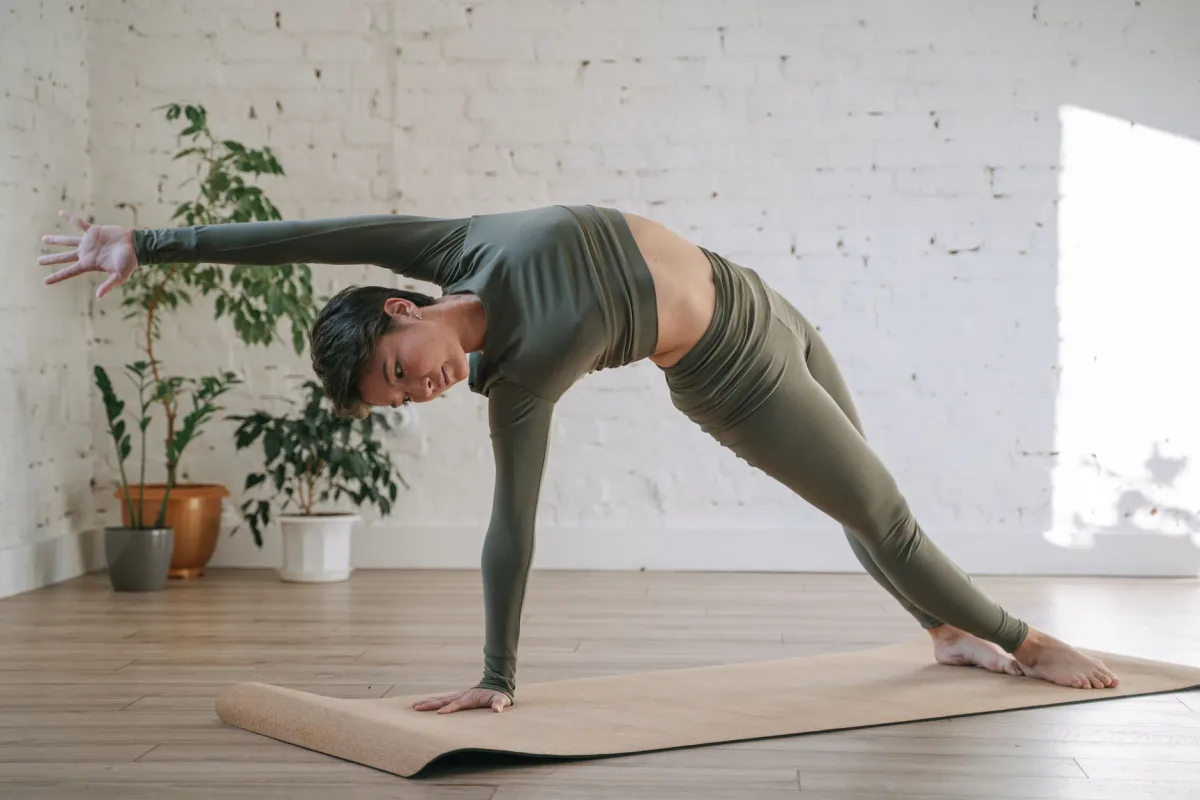
Why Flexibility Fades After 40 (And What You Can Actually Do)
You bent down to tie your shoes last week and felt it, that tight pull in your hamstrings, the mild protest from your lower back. It wasn’t there ten years ago. Now it’s just… there.
- Why Flexibility Fades After 40 (And What You Can Actually Do)
- What Actually Causes Stiffness After 40?
- Does Yoga Actually Rebuild Flexibility After 40?
- Myth vs. Fact: What People Get Wrong About Stretching After 40
- What to Focus on First: The Key Areas That Stiffen After 40
- A Realistic Plan: What to Do in Your First Four Weeks
- What the Research Does NOT Support
- How Flexibility Connects to Overall Health After 40
- When Should You See a Professional?
- FAQ
- The Bottom Line
The good news is that stiffness after 40 is not a life sentence. It’s a signal. And once you understand what’s actually happening in your body, the path forward gets a lot clearer.
What Actually Causes Stiffness After 40?
Flexibility is your body’s ability to move a joint through its full range of motion. After 40, several things happen at once that make that range feel smaller.
First, your connective tissues, the tendons, ligaments, and the fascia (a web of fibrous tissue that wraps around your muscles), gradually lose water content. Hydrated tissue is pliable; drier tissue is stiffer. Harvard Health notes that this dehydration of connective tissue is one of the most consistent age-related changes in the musculoskeletal system.
Second, muscle fibers themselves change. Sarcopenia, the gradual loss of muscle mass that begins in your 30s and speeds up later in life, means there's less muscle to control joints through their full range. The muscles that remain may also develop more fibrous cross-links over time, making them less elastic.
Third, and this one’s underrated: most people simply move less. Desk jobs, long commutes, and screen time mean whole muscle groups sit in shortened positions for hours. If you work at a computer, your hip flexors (the muscles at the front of your hips that lift your legs) spend most of the day in a shortened, compressed state. Over months and years, that becomes their new normal. If you’re already dealing with soreness from sedentary habits, the piece on desk posture and back pain from sitting all day covers exactly why this happens and what helps.
Does Yoga Actually Rebuild Flexibility After 40?
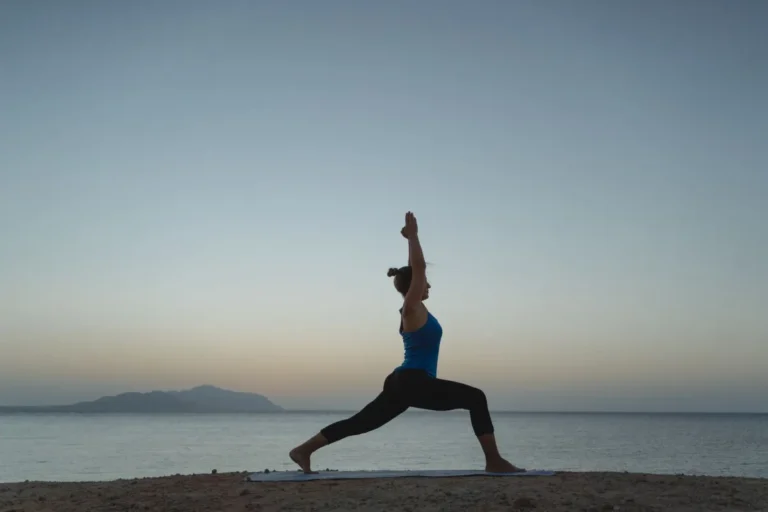
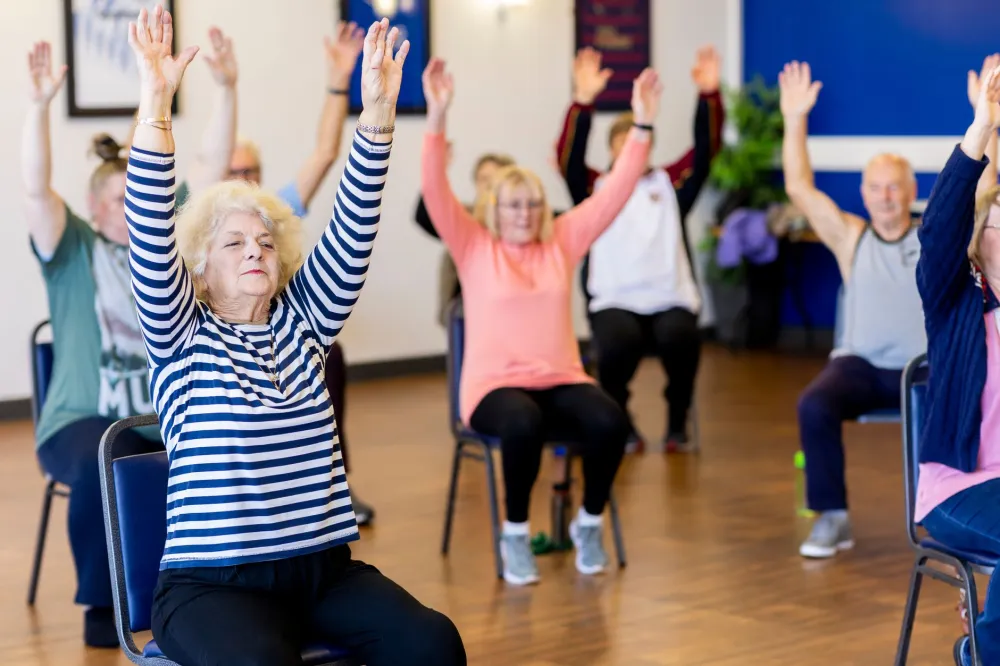
Yes, and the evidence for it is more solid than most people realize. Yoga is one of the most studied forms of flexibility training for adults in midlife and beyond.
Trials in middle-aged and older adults have found that regular yoga practice improves flexibility, balance, and functional mobility. The key word there is “regular”, sporadic sessions don’t move the needle much. Consistency is the whole game.
What makes yoga particularly useful for rebuilding flexibility after 40 is that it works on multiple layers at once. Static stretches (holding a position) lengthen the muscle fibers themselves. The breath-based focus in yoga also activates the parasympathetic nervous system (your body’s rest-and-digest mode), which physically reduces muscle tension. You’re not just pulling on tight tissue; you’re telling your nervous system it’s safe to release it.
Yin yoga, which involves holding floor-based poses for two to five minutes, is particularly well-suited to targeting the deeper connective tissues that shorter holds don’t reach. Restorative yoga uses props like blankets and blocks to support the body in gentle positions for extended periods. Both styles are approachable for beginners and tend to feel genuinely good, not punishing. If you want a practical starting point, the 10-minute morning yoga routine on this site is a solid, low-barrier place to begin.
Myth vs. Fact: What People Get Wrong About Stretching After 40
There’s a lot of bad advice floating around on this topic. Here’s what the research actually supports versus what’s mostly gym mythology.
| Common Belief | What Research Suggests |
|---|---|
| “I’m just not flexible, it’s genetic.” | Genetics play some role, but consistent stretching improves range of motion for almost everyone regardless of baseline. |
| “You have to stretch cold to make progress.” | Stretching warm tissue is safer and more effective. A short walk or five minutes of gentle movement first makes a real difference. |
| “More pain means more gain.” | Moderate tension is the target. Sharp or intense pain during stretching is a warning, not a goal. |
| “One long weekly stretch session is enough.” | Frequency beats duration. Daily short sessions (even 10 minutes) produce better results than one long weekly effort. |
| “Flexibility training is just for women or dancers.” | Men over 40 typically have tighter hamstrings and hip flexors than women of the same age, making targeted flexibility work especially important for them. |
The “no pain, no gain” mindset is probably the single most counterproductive belief in flexibility training. Pushing past sharp pain triggers a stretch reflex. Your nervous system contracts the muscle to protect the joint. You end up fighting your own body. The target sensation is a noticeable but comfortable pull, held steadily until the tissue gradually releases.
What to Focus on First: The Key Areas That Stiffen After 40
Not all tightness is created equal. Certain areas tend to stiffen fastest after 40, and they have an outsized effect on how your whole body feels and moves.
Hip flexors and hip rotators are usually the biggest culprits. Hours of sitting shorten the hip flexors, and tight hips put extra load on the lower back. Many cases of nagging lower back stiffness actually originate in restricted hip mobility rather than the back itself.
Thoracic spine (the middle portion of your back, roughly between your shoulder blades) loses extension range quickly with age and desk work. Limited thoracic mobility forces the neck and lower back to compensate, which is one reason so many people develop the kind of stiffness described in the guide on waking up with a stiff neck.
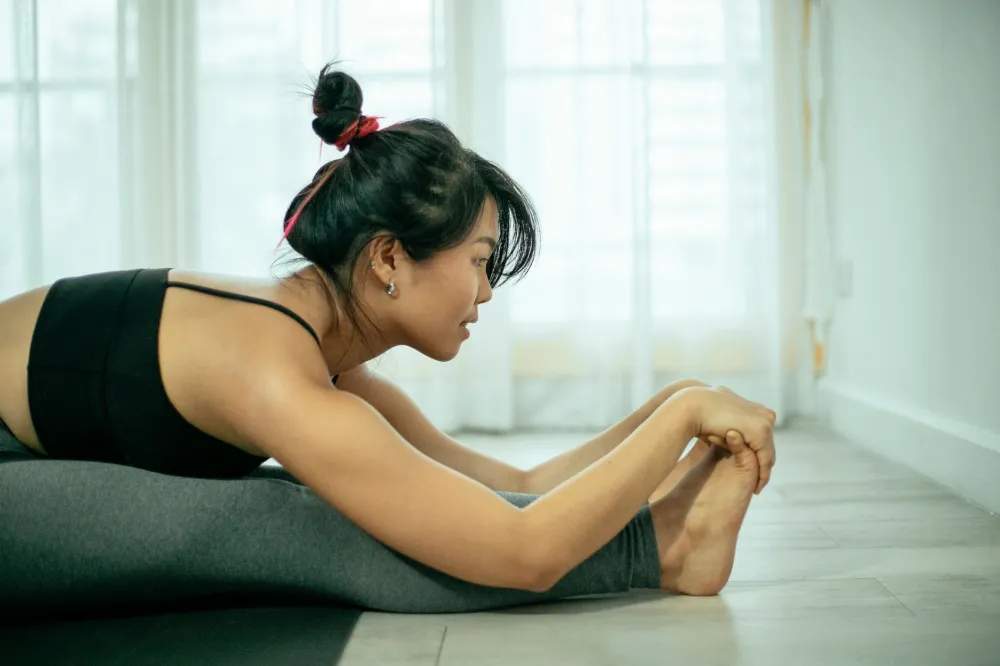
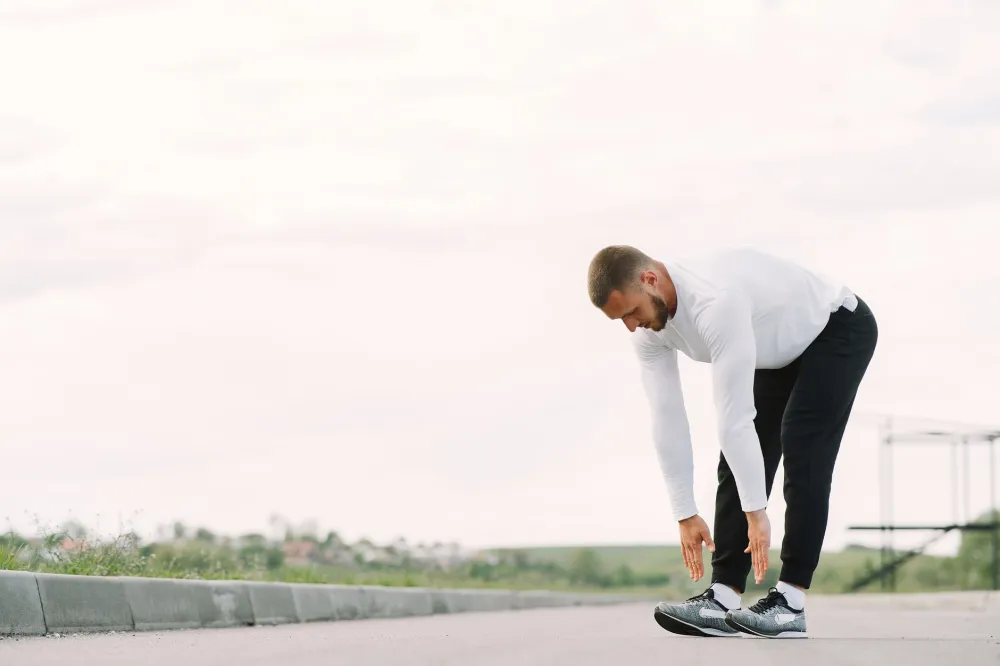
Hamstrings (the large muscles running along the back of your thighs) are almost universally tight in adults who sit for work. Tight hamstrings tilt the pelvis backward and flatten the natural curve of the lumbar spine, which contributes to lower back discomfort over time.
Calves and ankles get less attention but matter more than most people think. Restricted ankle mobility changes your gait, which sends compensation patterns up the entire kinetic chain through your knees, hips, and back.
A Realistic Plan: What to Do in Your First Four Weeks
Here’s how a practical, sustainable flexibility rebuild actually looks for someone starting from scratch after 40. These are general guidelines; always check with your doctor before starting a new exercise program if you have any existing injuries or health conditions.
What the Research Does NOT Support
Honesty matters here. Some things people swear by for flexibility don’t hold up well under scrutiny.
Foam rolling as a standalone flexibility fix: It has decent short-term evidence for reducing muscle soreness and temporarily improving range of motion, but the research on lasting flexibility gains from foam rolling alone is mixed at best. It works better as a warm-up tool before stretching than as a replacement for it.
Collagen supplements for joint flexibility: These are heavily marketed to people over 40, but the evidence that oral collagen actually reaches your joints and improves tissue flexibility is still far from definitive. The research that exists tends to be small, funded by supplement companies, and focused on joint pain rather than measurable range of motion. Supplements also aren’t tightly regulated, and some can interact with medications, so talk to your doctor before adding them.
Aggressive daily stretching: It’s not faster than moderate consistent stretching. Overstretching inflamed or unprepared tissue can cause microtears, which leads to scar tissue formation over time. More is not always better, especially in the first few weeks.
What does hold up well? Frequency, consistency, and warmth. Stretch most days. Keep sessions manageable. Warm up first. That combination, applied consistently, is what the best studies point to when they show meaningful flexibility improvements in adults over 40. It’s boring advice. It also works. Small daily habits really do compound over time in ways that occasional intense efforts can’t match, as explored in the research on daily habits linked to longevity.
How Flexibility Connects to Overall Health After 40
Flexibility isn’t just about touching your toes. Restricted range of motion in major joints changes how your body moves overall, and those compensation patterns build up gradually into real problems.
Tight hip flexors and limited thoracic mobility, for example, are consistently linked in clinical literature to chronic lower back pain. If you’ve ever wondered why your back acts up even though you haven’t “done anything” to it, restricted flexibility in surrounding areas is a likely contributor. The guide on back pain after the gym covers how this compensation pattern plays out in practical terms.
There’s also a balance piece. Better hip and ankle flexibility is associated with improved balance and reduced fall risk, which becomes a meaningful concern after 40. The CDC identifies falls as a leading cause of injury in adults over 65, and the mobility habits you build in your 40s are a real investment in your future stability.
Mental health benefits are worth mentioning too. A growing body of research associates regular yoga practice with reduced perceived stress and improved mood, partly through its effects on the nervous system. Even a 15-minute yin session in the evening can shift your body from a tense, alert state into a more settled one before bed. That’s a meaningful side benefit for anyone managing the usual pressures of midlife.
When Should You See a Professional?
Most age-related stiffness responds well to consistent self-care through yoga and stretching. But some symptoms deserve a proper medical evaluation, not a stretch sequence.
See a doctor if you have:
- Sharp, shooting, or burning pain during or after stretching, especially if it radiates down a limb
- Sudden significant loss of range of motion in a joint, especially with swelling or heat
- Numbness or weakness in your arms or legs, which can indicate nerve involvement
- Pain that wakes you from sleep consistently or doesn’t ease with rest
- Any chest pain or shortness of breath during exercise, seek care promptly, not after the session
A physical therapist is also an excellent resource if you’re not sure how to modify poses around an existing injury, or if you’ve had orthopedic surgery and want guidance on safe progression. They can assess your specific movement patterns and give you a plan that accounts for your actual body, not a generic template.
For broader context on building habits that support long-term brain and body health at this life stage, the piece on preventing dementia through midlife habits covers the overlap between movement, sleep, and cognitive health in useful detail. There’s also a practical resource at Better Life Carez covering the full range of wellness topics if you want to explore how flexibility fits into a broader picture of health after 40.
FAQ
The Bottom Line
Flexibility after 40 declines for real biological reasons, connective tissue changes, reduced muscle mass, and less daily movement, but it is genuinely rebuildable at any age. Regular yoga, especially yin and restorative styles, combined with daily short stretching sessions produces meaningful results within four to six weeks for most people. The key variables are consistency and frequency, not intensity. Start warm, stay below the pain threshold, and build gradually. If you have persistent joint pain, numbness, or symptoms that don’t improve, a doctor or physical therapist is the right next step, not a deeper stretch.
This article is for informational purposes only and is not a substitute for professional medical advice, diagnosis, or treatment. Always consult a qualified healthcare provider about your specific situation. If you experience severe or sudden symptoms, seek medical care immediately.
Sources

Back and Neck Pain
Browse every related article on this topic in one place.