Search for a banana bag IV at home and you’ll find mobile nurses promising to fix your hangover, beat jet lag and refill your energy before lunch, all from your couch. The yellow drip sounds like a spa treat, but it began as a hospital treatment for severely depleted patients. That origin story tells you a lot about whether you need one.
- What Is a Banana Bag IV?
- Why Do Hospitals Use Banana Bags?
- How Does a Banana Bag IV at Home Work?
- Is a Banana Bag IV at Home Safe?
- Does a Banana Bag IV Help a Hangover or Fatigue?
- Banana Bag Myths vs Facts
- What Can You Try Instead of an IV Drip?
- How to Vet a Mobile IV Service
- When Should You See a Doctor Instead?
- FAQ
- The Bottom Line
What Is a Banana Bag IV?
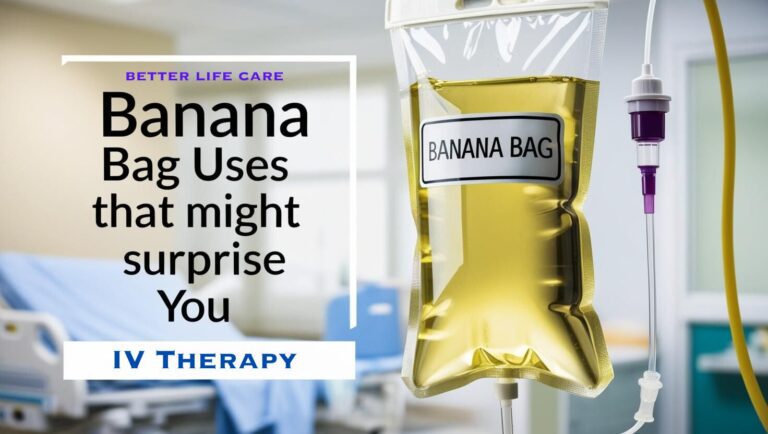
A banana bag IV is a bag of intravenous fluid, usually saline or a sugar solution called dextrose, with added vitamins and minerals that drip slowly into a vein. The nickname comes from the color. The multivitamin, especially riboflavin (vitamin B2), tints the fluid a bright, almost highlighter yellow.
Recipes vary from hospital to hospital and clinic to clinic, but a classic bag usually includes these ingredients:
- Base fluid: normal saline (salt water matched to your body’s own salt level) or a dextrose solution, often about 1 liter (roughly 34 ounces).
- Thiamine (vitamin B1): the star ingredient, since very low thiamine can damage the brain and nerves.
- Folic acid (vitamin B9): helps your body make healthy red blood cells.
- Magnesium sulfate: a mineral that people who drink heavily often run low on.
- Multivitamin infusion: a blend of B vitamins, vitamin C and others, and the source of that yellow tint.
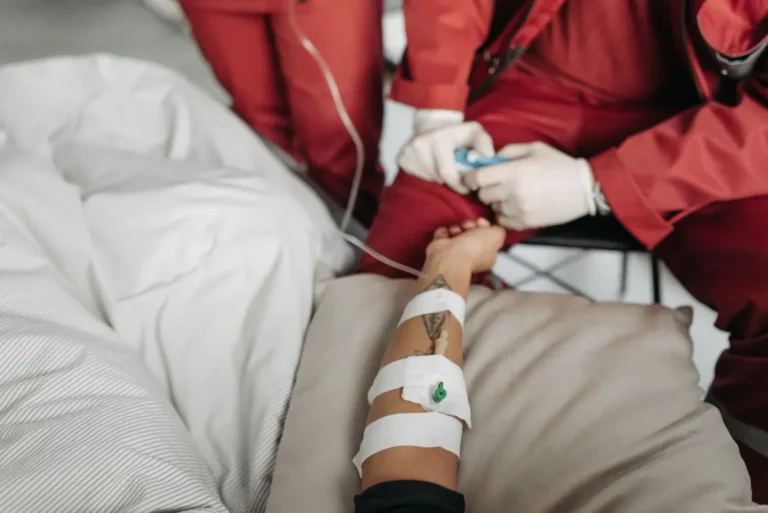
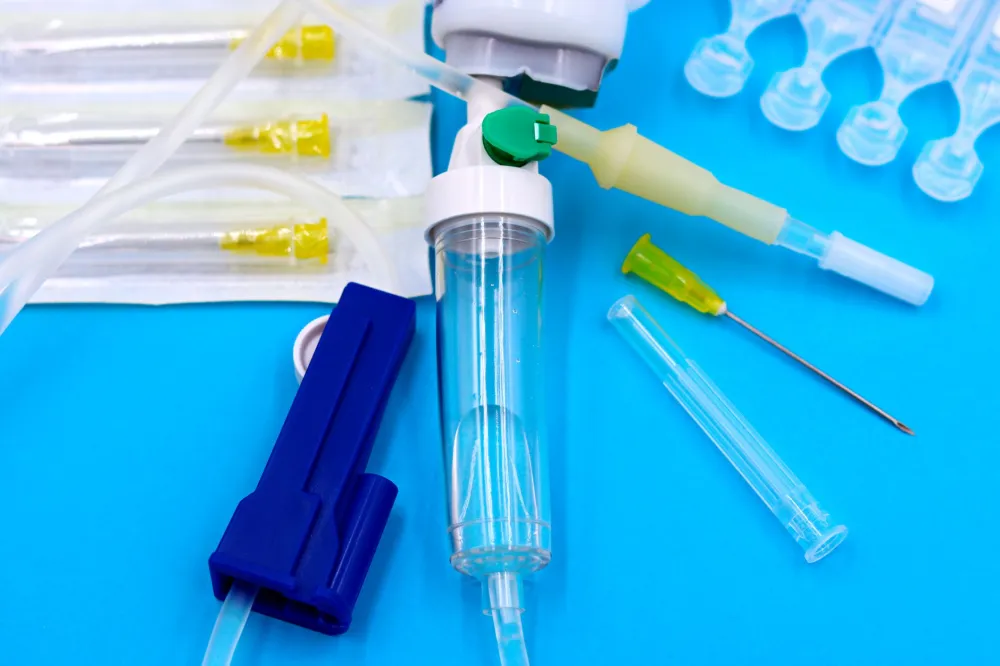
The fluid enters through a catheter, a thin, soft plastic tube placed in a vein in your hand or forearm. Depending on the speed, a drip can take anywhere from about half an hour to several hours. Hospitals often run it slowly, while many mobile services aim for an hour or less.
Want the hospital backstory? Our guide to the banana bag and its medical uses goes deeper.
Why Do Hospitals Use Banana Bags?
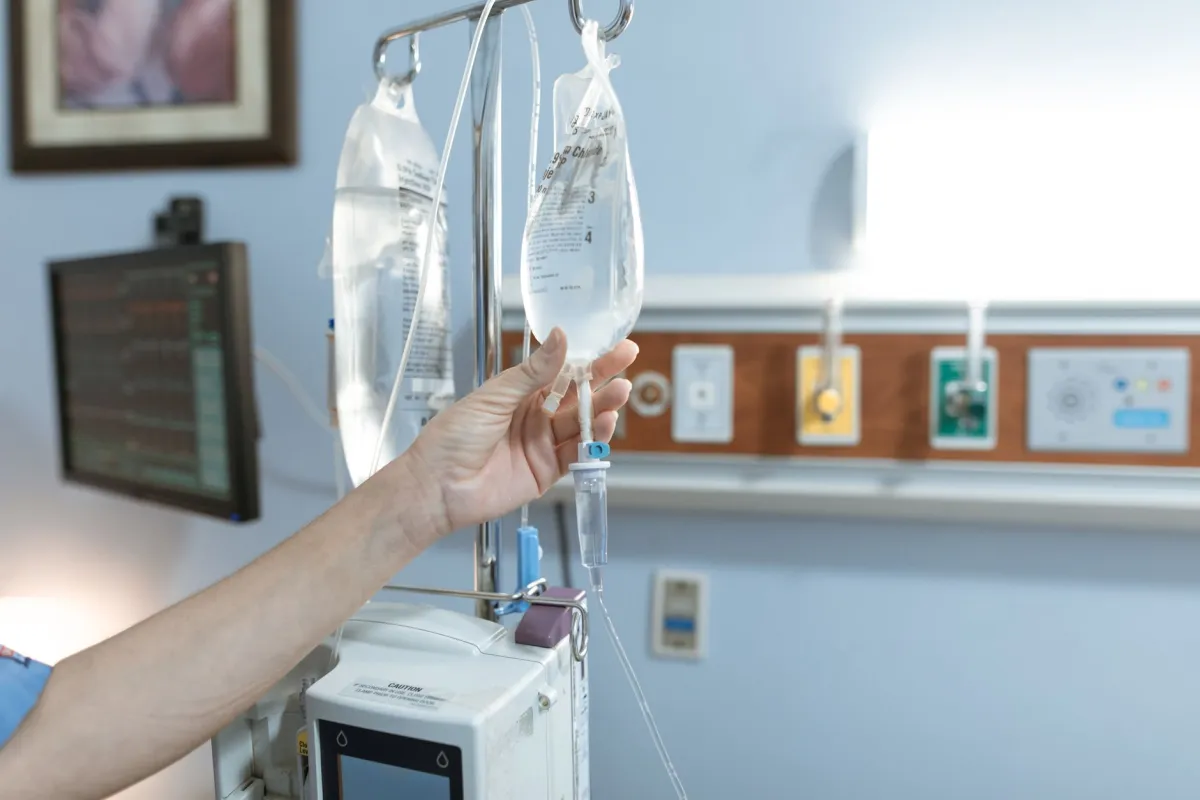
Hospitals reach for banana bags when patients are dehydrated and likely short on key nutrients. That usually means people with alcohol use disorder, severe malnutrition or long stretches of vomiting. The main goal is to replace thiamine before a deficiency causes lasting brain damage.
Thiamine gets most of the attention, and for good reason. Heavy, long-term drinking makes it harder for your body to absorb and store vitamin B1, and people who drink heavily often aren’t eating much either. MedlinePlus, the National Institutes of Health’s consumer health site, explains that severe thiamine deficiency can lead to Wernicke-Korsakoff syndrome. That brain disorder can cause confusion, abnormal eye movements, unsteady walking and serious memory problems. Some of the damage may be permanent if treatment is delayed.
Magnesium and folate ride along. Patients who’ve been drinking heavily or barely eating for weeks are often low in both.
But there’s a catch. Doctors and hospital pharmacists have questioned the routine banana bag for years. Some research suggests the thiamine in a standard bag may be too little to treat suspected Wernicke’s, and many patients don’t need every ingredient in it. As a result, many hospitals now tailor vitamins to each patient instead of hanging the same yellow bag for everyone.
How Does a Banana Bag IV at Home Work?
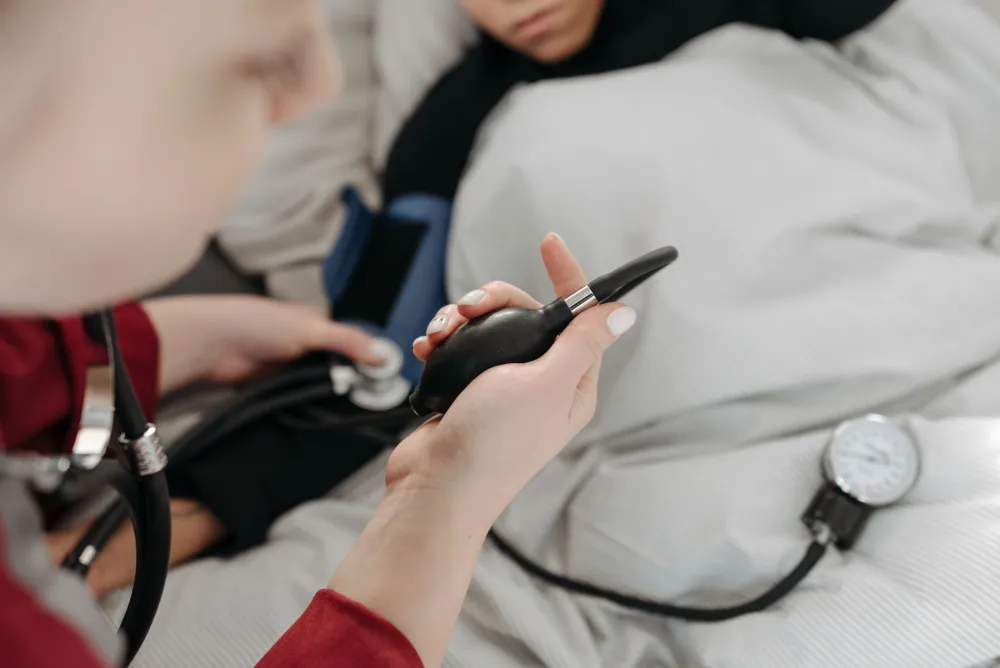
At home, a mobile IV company typically sends a nurse or paramedic to your house, hotel room or office. Many services sell their own “recovery” or “hangover” blends, so the ingredients may not match the hospital formula exactly.
Rules for mobile IV therapy vary by state. In general, IV fluids and the vitamins added to them are prescription products, so a licensed prescriber, such as a doctor, nurse practitioner or physician assistant, is supposed to approve each treatment. How carefully that happens varies a lot between companies.
Here’s what a well-run visit usually looks like, from booking to bandage:
A visit like this can feel pleasantly low-key: a recliner, a show on TV, a nurse checking in. That comfort is part of the appeal, but the medical steps underneath it still matter.
Is a Banana Bag IV at Home Safe?
For a healthy adult, a banana bag IV at home from a licensed, carefully screened service is usually low risk. It isn’t risk-free, though. Any time a needle enters a vein, there’s a small chance of infection, bruising and vein irritation, plus rarer and more serious problems.
Most side effects are minor and short-lived. Common ones include:
- Bruising or soreness: tenderness where the catheter went in, sometimes for a few days.
- Infiltration: fluid leaking into the tissue around the vein, leaving the skin puffy, cool and tender.
- Phlebitis: inflammation of the vein that can make it red, warm and sore along its path.
- Flushing: magnesium can make some people feel warm or flushed during the drip.
The rarer risks are more serious. They include bloodstream infection, blood clots, allergic reactions to an ingredient and, very rarely, air entering the vein. A living room lacks the emergency equipment and backup staff a hospital has, so a serious reaction takes longer to manage.
Product quality matters too. The FDA has publicly raised concerns about compounded drugs (medications mixed by a pharmacy rather than made by a drug manufacturer) used by some med spas and IV hydration businesses, including the risk of contamination. You usually can’t see where your bag came from, so ask questions.
| Factor | Hospital banana bag | Mobile IV at home | DIY home IV |
|---|---|---|---|
| Who it’s for | Sick or malnourished patients | Mostly healthy adults | No one |
| Medical screening | Exam and lab tests | Questionnaire and vitals | None |
| Who places the IV | Hospital nurse | Licensed nurse or paramedic | Untrained person |
| Emergency backup | Immediate | Calling 911 | None |
| Typical cost | Billed through insurance | Usually out of pocket | Unsafe at any price |
| Overall safety | High, closely monitored | Moderate when well run | Dangerous |
Notice where the home option lands. It sits in the middle, and the margin depends almost entirely on the company you pick.
Who should skip a banana bag IV
Extra fluid, magnesium and vitamins can be risky for some bodies. Talk to your doctor first, and generally avoid elective mobile IV drips, if any of these apply to you:
- Heart problems: heart failure or rhythm issues, since extra fluid can strain the heart and back up into the lungs.
- Kidney disease: weaker kidneys may struggle to clear fluid and magnesium.
- High blood pressure: a liter of salty fluid may push readings higher.
- Pregnancy or blood thinners: ask your doctor before any elective IV.
- Severe symptoms right now: chest pain, confusion or fainting need an ER, not a drip.
Why a DIY banana bag IV is a hard no
IV bags and catheters are sold online, and some social media videos show people starting their own drips. Please don’t. Without training, it’s easy to miss the vein, injure a nerve, push bacteria into your bloodstream or let air into the line. And nobody is there to spot a reaction until it turns serious.
Does a Banana Bag IV Help a Hangover or Fatigue?
There’s little good evidence that a banana bag IV helps healthy people recover from a hangover, boost energy or detox faster than drinking fluids and resting. Fluids can ease the thirst and lightheadedness of dehydration. Most hangover misery, though, comes from things a drip can’t touch.
Alcohol triggers inflammation, breaks up your sleep, irritates your stomach and leaves behind acetaldehyde, a toxic byproduct your liver has to break down. A bag of fluid and vitamins doesn’t make your liver work meaningfully faster. Reviews of hangover remedies have generally found the evidence thin for nearly every fix, IV or otherwise. Our deeper look at whether IV drips for hangovers actually work walks through what people report versus what’s been measured.
The vitamin pitch is shakier still. If you eat a reasonably varied diet, you probably aren’t low in B vitamins to begin with, and your body uses only what it needs. Extra water-soluble vitamins, like most B vitamins and vitamin C, mostly leave in your urine. That bright yellow pee after a drip? That’s riboflavin you paid for, heading out the door.
What the research does not support: claims that IV therapy flushes toxins, strengthens immunity in healthy people, reverses aging or fixes chronic fatigue. These promises show up in marketing far more often than in controlled trials, where people are randomly assigned to treatment or comparison groups.
None of this means a mobile IV session will hurt a healthy person. It does mean you may be paying a premium for something your kitchen can mostly provide.

Banana Bag Myths vs Facts
Most banana bag marketing leans on ideas that sound logical but don’t hold up well. Here’s how the common claims stack up.
| Myth | Fact |
|---|---|
| IVs hydrate far better than drinking | Drinking works for mild dehydration |
| Banana bags detox your liver | Your liver clears alcohol on its own |
| More vitamins mean more energy | Extra B vitamins mostly leave in urine |
| Home IVs are totally harmless | Infection and vein injury can happen |
| Every heavy drinker gets one in hospitals | Many hospitals now tailor vitamins individually |
The first myth is the big one. The Mayo Clinic notes that for most adults with mild to moderate dehydration, drinking more water or other fluids is usually enough, while IV fluids are generally reserved for severe dehydration. In other words, the bottle on your nightstand handles most of what mobile IV companies advertise.
What Can You Try Instead of an IV Drip?
For most healthy adults, fluids by mouth, a decent meal and rest can deliver much of what a banana bag promises, for a fraction of the cost and with no needle. Try this plan for a rough morning:
- Sip steadily: drink water over a few hours rather than chugging. If you’ve been vomiting, try small sips every few minutes.
- Use an oral rehydration solution: pharmacy versions balance sodium and glucose to help your gut absorb water. Sports drinks work in a pinch but usually carry more sugar.
- Eat B-vitamin foods: eggs, whole-grain toast, beans, yogurt, leafy greens and, fittingly, bananas.
- Sleep it off: alcohol fragments sleep, so a nap often helps more than anything you can buy.
- Skip the hair of the dog: more alcohol only postpones the crash.
Not sure how much fluid you need on a normal day? Our breakdown of how much water you really need daily keeps the math simple. If you’re dealing with a stomach bug instead of a hangover, these tips for safe stomach bug recovery at home walk through rehydration step by step.
When the real problem is ongoing tiredness rather than one rough morning, an IV won’t find the cause. Persistent fatigue can stem from poor sleep, anemia (low red blood cells), thyroid problems, depression and other issues a doctor can check with an exam and simple blood tests. For everyday energy dips, our guide to stopping afternoon energy crashes is a good place to start.
How to Vet a Mobile IV Service
If you still want to try a banana bag IV at home, treat the company like a medical provider, not a party planner. Run through this quick check before you book:
- Licensed staff: ask who places the IV, then confirm their license through your state’s online lookup tool.
- Real screening: a prescriber should review your health history, medications and allergies before the visit.
- Vitals checked: blood pressure and heart rate before the drip, with monitoring during it.
- Clear ingredients: they should tell you exactly what’s in the bag and where the products come from.
- An emergency plan: the nurse stays for the whole infusion and knows what to do if you react.
A reputable mobile IV company won’t mind any of these questions. Vague answers, a hard sell or pressure to add extras? Walk away.
When Should You See a Doctor Instead?
See a doctor or head to an emergency room instead of booking an IV if you have signs of severe dehydration, or symptoms that point to something more serious than a hangover. A home drip can mask a problem that needs real diagnosis.
Warning signs of severe dehydration include very little or no urination, very dark urine, dizziness when you stand, a racing heart, confusion and fainting. Can’t keep fluids down for more than a day? That deserves a medical evaluation, especially for older adults and people with chronic conditions.
Red-flag symptoms like chest pain, trouble breathing, a sudden severe headache, numbness or weakness, or unexplained weight loss mean seeing a doctor promptly, not reading blogs. The same goes for confusion, trouble walking or vision changes in someone who drinks heavily. These can be early signs of thiamine-related brain problems that need hospital treatment.
One more point, and it’s a gentle one: if you find yourself booking recovery drips regularly, that pattern is worth a conversation with your doctor. Our look at light drinking and brain health research explores what alcohol may do over time. If you’re worried about your drinking, SAMHSA’s National Helpline, 1-800-662-4357, is free and confidential.
FAQ
The Bottom Line
A banana bag IV is a hospital-born mix of fluid, thiamine, folic acid, magnesium and multivitamins, designed for depleted, often malnourished patients. A home drip from a licensed mobile service is usually low risk for healthy adults, but it offers little proven benefit over drinking fluids, eating and sleeping, and it still carries real risks. Never attempt a DIY drip, and skip home IV therapy if you have heart or kidney problems. Start with water, an oral rehydration solution and a real meal, and see a doctor for severe or lingering symptoms.
This article is for informational purposes only and is not a substitute for professional medical advice, diagnosis, or treatment. Always consult a qualified healthcare provider about your specific situation. If you experience severe or sudden symptoms, seek medical care immediately.

Everyday Health and Wellness
Browse every related article on this topic in one place.