Most people who try keto quit before the end of week two. Not because the diet stops working, but because they ran out of a plan. They woke up on day nine with nothing in the fridge and no idea what to eat next.
Every week, every day, every meal idea is written out below so you can follow it straight from your phone, laptop, or a printed page. Bookmark it. Screenshot it. Whatever works for your kitchen.
What Is the Ketogenic Diet, Really?
The ketogenic diet is a very low-carbohydrate, high-fat eating pattern that shifts your body from burning sugar (glucose) for energy to burning fat. That fat-burning state is called ketosis. When carbohydrate intake drops low enough, typically below 20 to 50 grams per day for most people, the liver starts producing molecules called ketone bodies from stored fat, and those ketones become the body’s main fuel source.
According to the Mayo Clinic, a standard ketogenic diet is roughly 70 to 80 percent of calories from fat, 10 to 20 percent from protein, and only 5 to 10 percent from carbohydrates. That’s a major shift from the typical American plate.
The short version: you eat meat, fish, eggs, cheese, nuts, seeds, avocados, and non-starchy vegetables. You skip bread, pasta, rice, sugar, most fruit, and starchy vegetables like potatoes. Simple to explain, genuinely hard to sustain without a solid plan in hand.
Who Should Get Medical Clearance Before Starting
Keto is not the right choice for everyone. Before beginning any significant dietary change, talk to your doctor if you have type 1 or type 2 diabetes, kidney disease, liver disease, pancreatitis, a history of eating disorders, or if you are pregnant or breastfeeding. People who take medications for blood sugar or blood pressure may need their doses adjusted as the diet takes effect, and that must be managed by a healthcare provider.
If you experience chest pain, severe shortness of breath, sudden numbness or weakness, or any symptom that feels alarming during the plan, stop and seek medical care immediately. This article is a general guide, not a substitute for personalized medical advice.
How Does the Free 28 Day Keto Diet Plan Work for Weight Loss?
Research suggests that ketogenic eating can support weight loss through a few overlapping mechanisms. Fat and protein tend to be more satisfying than refined carbohydrates, so many people naturally eat less without counting every calorie. Reducing insulin levels, the hormone that signals the body to store fat, may also make it easier to access stored body fat for energy. A review published in the Journal of Clinical Endocrinology & Metabolism found that low-carbohydrate diets were associated with greater short-term weight loss compared to low-fat diets, though long-term outcomes were more similar between approaches.
The honest truth? A keto diet works best when it fits your real life. Twenty-eight days is enough time to reach full ketosis, build new habits, and see measurable changes for many people, but individual results vary based on starting point, activity level, sleep, and stress. Think of this as a four-week reset, not a guarantee.
If you’re also trying to target stubborn areas, the guide on how to get rid of love handles pairs well with the dietary changes you’ll be making here.
Your Free 28 Day Keto Meal Plan: Week by Week
Everything below is free to read and print directly from this page. The plan is organized by week with daily meal ideas. Portions are flexible: eat until comfortably satisfied, not stuffed. Adjust quantities to your size, activity level, and hunger cues.
A quick note on structure: each day includes breakfast, lunch, dinner, and one optional snack. Coffee and tea with heavy cream or unsweetened almond milk are fine. Aim for at least 64 ounces (about 1.9 liters) of water daily throughout the 28 days.
Week 1: Getting Into Ketosis (Days 1 to 7)
The goal of week one is simple: get your carbohydrates low enough to start entering ketosis. Keep net carbs (total carbs minus fiber) under 20 grams per day. Expect some fatigue around days two through four. That is normal and temporary.
| Day | Breakfast | Lunch | Dinner | Snack |
|---|---|---|---|---|
| Day 1 | 2 eggs scrambled in butter, coffee with cream | Tuna salad in lettuce wraps | Grilled chicken thighs, steamed broccoli with butter | Handful of almonds |
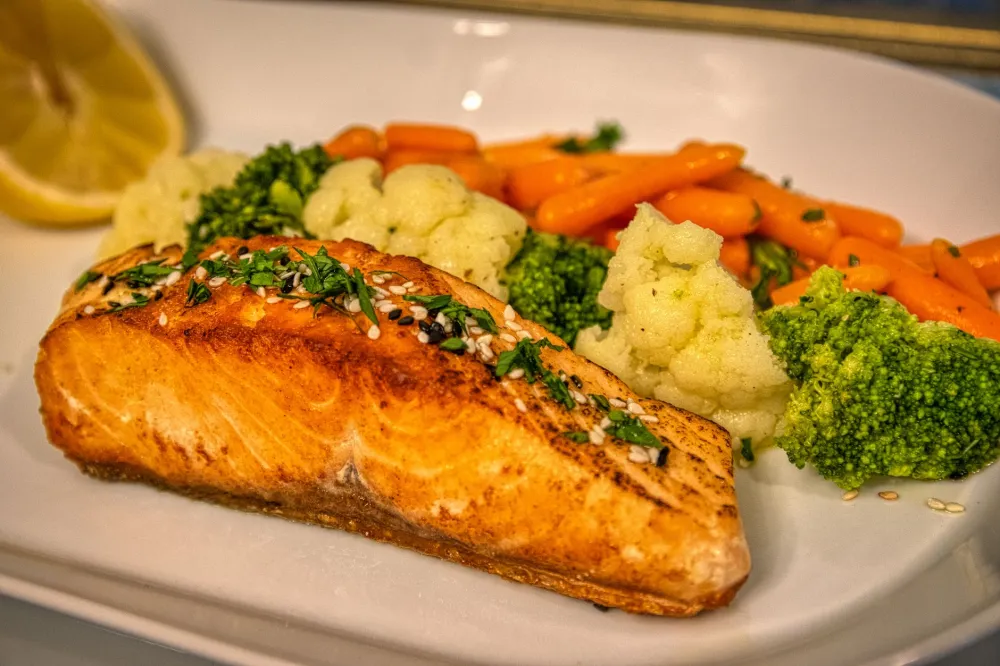
| Day 2 | Bacon and eggs, black coffee | Cobb salad, olive oil dressing | Salmon fillet, asparagus roasted in olive oil | String cheese |
| Day 3 | Avocado with 2 fried eggs | Ground beef bowl over cauliflower rice | Pork chops, sauteed spinach in garlic butter | Celery with cream cheese |
| Day 4 | Full-fat Greek yogurt, crushed walnuts | Shrimp stir fry with zucchini noodles | Beef burger patty, lettuce wrap, sliced avocado | Hard-boiled egg |
| Day 5 | Omelet with cheddar, mushrooms, onion | Chicken Caesar salad, no croutons | Baked cod, roasted Brussels sprouts | Macadamia nuts |
| Day 6 | Bacon, eggs, sliced cucumber | BLT salad with avocado dressing | Lamb chops, roasted green beans | Cheese slices |
| Day 7 | Keto pancakes (almond flour, eggs, cream cheese) | Turkey and cheese roll-ups, pickle spears | Roast chicken thighs, mashed cauliflower | Sunflower seeds |
Week 2: Settling In (Days 8 to 14)
By day eight, most people notice the “keto flu” is gone and mental clarity starts picking up. Energy tends to stabilize. This is a good week to batch cook on Sunday, yes, even on weekends, so the weekday lunches are already handled.
| Day | Breakfast | Lunch | Dinner | Snack |
|---|---|---|---|---|
| Day 8 | Egg muffins with sausage and peppers | Leftover roast chicken over arugula | Beef steak, butter-braised kale | Pumpkin seeds |
| Day 9 | Smoked salmon, cream cheese, cucumber | Egg salad, lettuce cups | Shrimp scampi over zucchini noodles | Olives |
| Day 10 | Avocado smoothie (coconut milk, avocado, spinach) | Grilled chicken thigh salad | Pork belly, sauteed bok choy | Walnuts |
| Day 11 | 2 fried eggs, 2 slices bacon, coffee | Taco bowl (beef, cheese, sour cream, lettuce) | Baked salmon, roasted asparagus | Pepperoni slices |
| Day 12 | Omelet with feta and sun-dried tomatoes | Chicken soup, no noodles, extra veggies | Lamb meatballs, cucumber tzatziki salad | Almond butter on celery |
| Day 13 | Keto waffles (almond flour base) | Deli turkey roll-ups with Swiss cheese | Ribeye steak, roasted mushrooms | Dark chocolate (85%+), 1 square |
| Day 14 | Scrambled eggs with smoked salmon | Greek salad with grilled chicken | Slow cooker pulled pork, coleslaw | Hard-boiled egg |
Week 3: Building Momentum (Days 15 to 21)
Week three is where the 28-day keto challenge really starts to feel normal. Cravings for bread and sweets tend to diminish. Many people notice clothes fitting differently even before the scale moves much. Keep protein moderate here: too much can convert to glucose in a process called gluconeogenesis, which may slow ketosis.
| Day | Breakfast | Lunch | Dinner | Snack |
|---|---|---|---|---|
| Day 15 | Egg and avocado bowl | Chicken avocado wraps in lettuce | Baked cod, steamed broccoli | Mixed nuts |
| Day 16 | Cream cheese pancakes | Steak salad, blue cheese dressing | Turkey meatballs, zucchini noodles | Cheese crisps |
| Day 17 | Bacon, eggs, sliced bell pepper | Shrimp and avocado salad | Roast chicken, buttered green beans | Sunflower seeds |
| Day 18 | Full-fat yogurt, chia seeds, berries (1/4 cup) | Cauliflower fried rice with egg | Grilled salmon, roasted zucchini | Celery, ranch dip |
| Day 19 | Sausage and egg scramble | BLT lettuce wraps | Pork tenderloin, mashed cauliflower | Avocado slices with sea salt |
| Day 20 | Smoked salmon omelet | Antipasto plate: meat, cheese, olives | Beef short ribs, roasted cabbage | Macadamia nuts |
| Day 21 | Keto French toast (almond bread, egg dip) | Leftover short ribs, arugula salad | Whole roasted chicken, Brussels sprouts | String cheese |
Week 4: The Final Push (Days 22 to 28)
You’re in the home stretch. By now, cooking keto should feel mostly automatic. The goal this week is consistency and setting yourself up for what comes after day 28, whether that’s continuing keto, transitioning to a moderate low carb approach, or simply maintaining the healthy habits you’ve built.
| Day | Breakfast | Lunch | Dinner | Snack |
|---|---|---|---|---|
| Day 22 | 2 eggs, sliced avocado, black coffee | Chicken Caesar, no croutons | Pan-seared tilapia, sauteed spinach | Walnuts |
| Day 23 | Egg muffin cups with ham | Tuna stuffed avocado halves | Grilled steak, roasted asparagus | Olives |
| Day 24 | Full fat yogurt, handful blueberries | Leftover steak salad | Shrimp tacos in lettuce cups | Cheese slices |
| Day 25 | Bacon omelet with cheddar | Turkey and avocado roll-ups | Pork chops, buttered broccoli | Pepperoni and mozzarella |
| Day 26 | Smoked salmon, capers, cream cheese | Greek chicken bowl, tzatziki | Lamb kofta, roasted eggplant | Almond butter spoon |
| Day 27 | Keto chia pudding (coconut milk, chia seeds) | Pulled chicken lettuce wraps | Baked salmon, cauliflower rice | Handful mixed nuts |
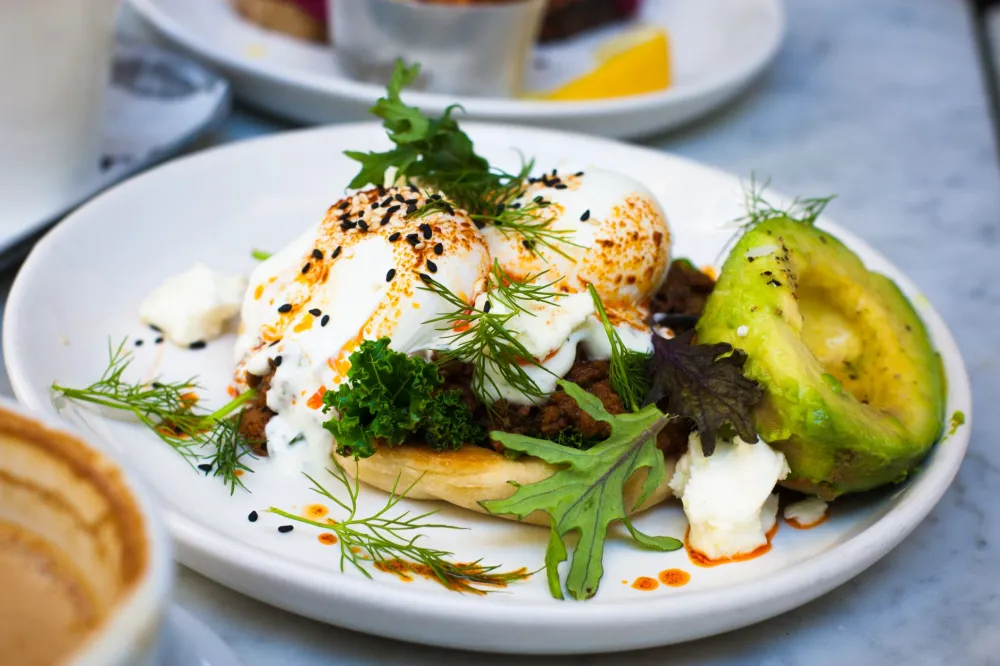
| Day 28 | Celebration eggs benedict, no English muffin | Big keto salad: your favorite toppings | Ribeye steak, roasted mushrooms, red wine (dry, 1 glass optional) | Dark chocolate (85%+) |

28 Day Keto Diet for Seniors: Special Considerations
Keto can be a reasonable option for older adults, but the 28-day keto diet for seniors needs some thoughtful adjustments. The core metabolic shift into ketosis works the same way at 65 as it does at 35, but there are real differences in how the body handles the transition.
Protein needs are higher. Adults over 60 are at greater risk of muscle loss, a condition called sarcopenia. Harvard Health notes that older adults generally need more dietary protein than younger people to maintain muscle mass. On keto, that means leaning toward the higher end of protein intake (closer to 20 to 25 percent of calories from protein) rather than staying low.
Bone health matters more. Older adults should make sure to get adequate calcium and vitamin D, since some research suggests very low-carb diets may affect bone mineral density over time. Dairy-based keto foods like cheese, Greek yogurt, and cream are actually helpful here.
Medication interactions are a real concern. Seniors are more likely to be taking blood pressure medications, diuretics, or diabetes drugs. Keto can lower blood pressure and blood sugar, sometimes dramatically and quickly. A doctor must be involved before starting, especially if you’re on any of these medications.
Hydration needs extra attention. Older adults are more prone to dehydration, and keto’s diuretic effect in week one makes this more significant. Aim for eight to ten glasses of water daily and consider an electrolyte supplement (with your doctor’s knowledge) during the first two weeks.
The good news is that the week-by-week meal plan above works perfectly for seniors with minor tweaks: slightly larger protein portions, more leafy greens for magnesium, and extra attention to how medications are responding. The meals themselves are already gentle on the digestive system and focus on whole, minimally processed foods.
Keto Myths vs. Facts: What the Research Actually Says
A lot of misinformation circulates about the ketogenic diet. Here’s an honest breakdown.
| The Myth | What the Research Actually Suggests |
|---|---|
| “Keto destroys your kidneys” | No strong evidence in healthy adults; people with existing kidney disease should avoid high-protein keto and consult a nephrologist |
| “You can eat unlimited fat on keto” | Calories still matter; overeating fat calories can stall weight loss even in ketosis |
| “Keto is just a fad with no science behind it” | Decades of research exist, especially for epilepsy management and short-term weight loss; long-term cardiovascular data is still developing |
| “You’ll lose muscle mass on keto” | Adequate protein intake and resistance exercise appear to preserve muscle mass; very low protein intake is the actual risk |
| “Keto works the same for everyone” | Individual responses vary considerably based on genetics, gut microbiome health, activity level, and sleep quality |
Speaking of gut health: the connection between your diet and your digestive microbiome (the trillions of bacteria living in your gut) is real and worth paying attention to. New research continues to show that what you eat directly influences gut bacterial populations. You can read more about that relationship in the article on stress and gut health over on Better Life Carez.
Practical Tips to Make the Keto Challenge 28 Days Actually Stick
Here’s the thing: having a plan is necessary. Following it is the other half of the equation.
If you’re working on body composition more broadly, the practical tips in the guide on how to get rid of neck fat and double chin complement what you’re doing with nutrition on this plan. Diet and movement work better together than either does alone.
What to Expect After the 28 Day Keto Challenge
Finishing the 28 days is genuinely an achievement. But what you do on day 29 matters just as much.
Some people choose to continue keto long term. Others transition to a moderate low carb approach, keeping carbohydrates between 50 and 100 grams per day, which allows more food variety while maintaining many of the metabolic benefits. A third group uses the month as a reset and returns to a general whole foods diet with more mindful carbohydrate choices.
The one thing most nutrition experts agree on: avoid the “I finished, now I’ll eat everything” rebound. Reintroducing carbohydrates gradually (rather than a pizza-and-beer celebration weekend) prevents the sharp blood sugar swings and rapid water-weight return that make people feel like they undid all their progress overnight. They didn’t. But the sudden shift feels rough regardless.
Whatever path you choose after the challenge, the habits built during these 28 days- reading labels, cooking at home more, eating fewer processed foods- tend to stick in some form. That’s the part with the most lasting value.
For ideas on starting your mornings with nutrient-dense, satisfying meals whether you continue keto or transition to something broader, the collection of 80 healthy breakfast ideas has plenty of options that work across different eating styles.
FAQ
The Bottom Line
A free 28-day keto diet plan doesn’t need to live behind a paywall or an email sign-up. The full week-by-week meal plan is right on this page, ready to follow or print today. Keto works by shifting your body into fat-burning ketosis through very low carbohydrate intake, and for many people it supports meaningful weight loss and improved energy over 28 days. Seniors should adjust protein upward, stay well hydrated, and always loop in a doctor before starting, especially with medications in play. Most importantly: the plan only works if you follow it past day three, so prep your kitchen before day one and keep it simple in the first week.
This article is for informational purposes only and is not a substitute for professional medical advice, diagnosis, or treatment. Always consult a qualified healthcare provider about your specific situation. If you experience severe or sudden symptoms, seek medical care immediately.