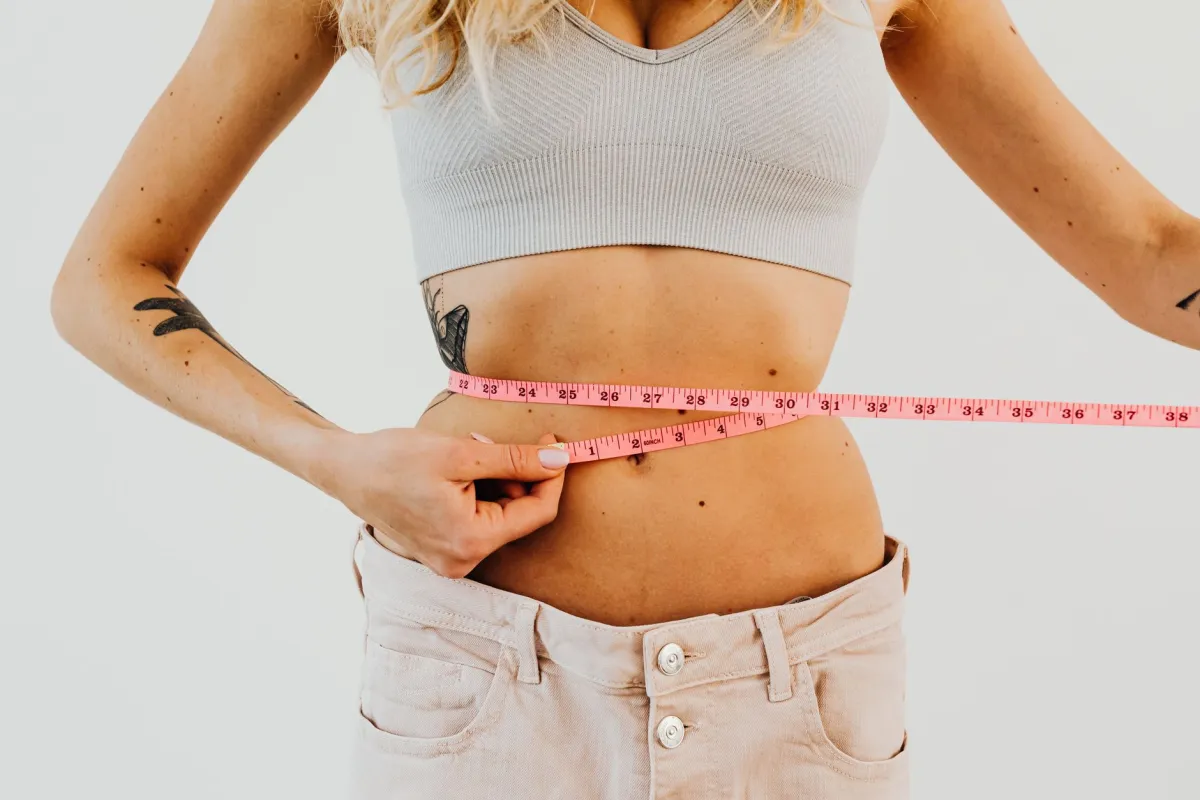
Most CoolSculpting side effects feel like a bruise that also went numb: annoying, but temporary. A small number of people get a rare reaction where the treated fat grows instead of shrinking. Here’s how to tell ordinary healing from something worth a call.
- What is CoolSculpting, and how does it work?
- What are the common CoolSculpting side effects?
- How long do CoolSculpting side effects last?
- What happens on CoolSculpting treatment day?
- What are the rare risks of CoolSculpting?
- Who should avoid CoolSculpting?
- CoolSculpting myths vs facts
- How can you lower your risk of CoolSculpting side effects?
- How do you ease discomfort during recovery?
- When should you call your provider or a doctor?
- Is CoolSculpting worth the risk?
- FAQ
- The Bottom Line
What is CoolSculpting, and how does it work?
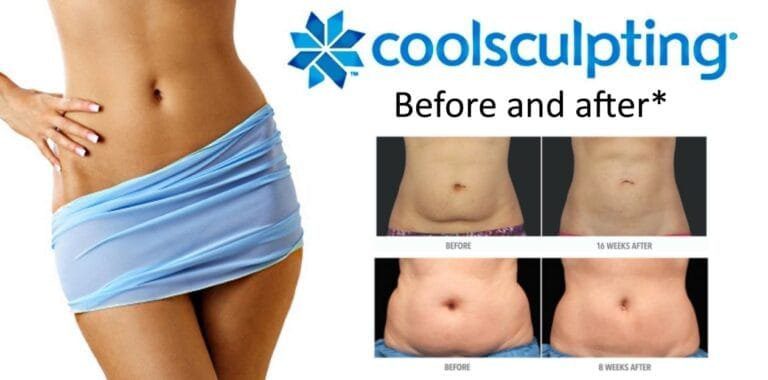
CoolSculpting is a brand name for cryolipolysis, a nonsurgical treatment that uses controlled cold to injure fat cells under the skin. Your body then clears those cells away over the following weeks. The FDA has cleared the device for several areas, including the belly, flanks, thighs, upper arms, bra line, back fat, the area under the buttocks and under the chin.
The idea is simpler than it sounds. Fat cells are more sensitive to cold than the skin, nerves and muscle around them. An applicator either pulls the tissue in with suction or presses flat against it, then chills that spot for roughly 35 minutes to an hour, depending on the device and the area.
Over the next two to three months, the damaged fat cells break down and your immune system carts them away. Research on fat freezing typically shows a modest drop in the fat layer of the treated spot, often described as roughly a fifth in some studies. That’s real, but it’s not dramatic.
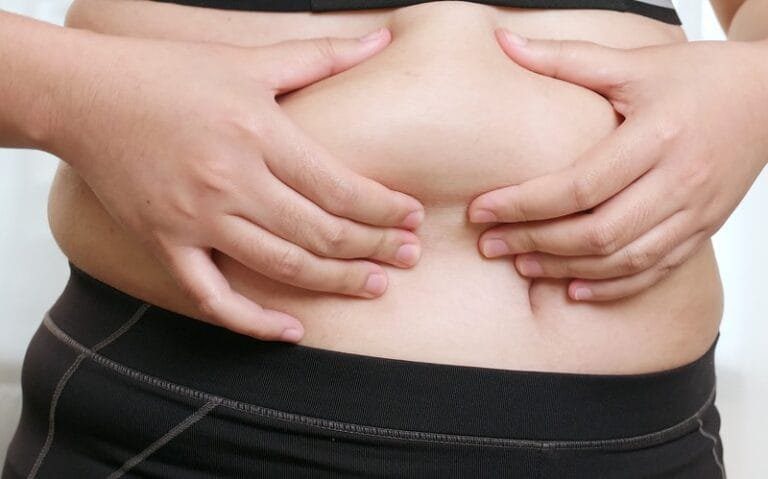
This matters for weighing risk. CoolSculpting isn’t a weight loss treatment. It’s designed for stubborn pockets in people already close to a weight they’re comfortable with. Our full overview of CoolSculpting results and who it suits covers candidacy in more detail.
What are the common CoolSculpting side effects?
Most of the common side effects are local and short-lived. The treated skin may look red, feel swollen, tender or numb, and bruise from the suction. For most people, these peak within the first few days and settle over the next couple of weeks.
Here’s what you’re most likely to notice:
- Redness: Skin often looks flushed or blotchy right after treatment, usually fading within hours to a day or so.
- Swelling and firmness: The area may feel puffy, lumpy or stiff, like a dense pad under the skin, for one to a few weeks.
- Bruising: Suction can leave bruises that look rough for a few days and clear within about two weeks. Simple ways to help a bruise fade faster apply here too.
- Tingling, stinging or itching: As feeling returns, many people describe pins and needles or a prickly itch.
- Numbness: Reduced feeling in the treated skin is very common. It often lasts several weeks, sometimes a couple of months.
- Cramping and tenderness: A sore, bruised-muscle ache is normal, especially after belly or flank sessions.
For a general overview of how these effects are usually described, the Cleveland Clinic website is a solid place to start. Redness, swelling, bruising and numbness are the expected aftermath of cold-injured tissue. None of them mean the treatment failed. They’re the visible side of your body cleaning up.
Under-the-chin treatments come with their own quirks. Some people feel fullness in the throat area, and swelling can make the jawline look puffier for a while before it looks slimmer. If you’re weighing options for that area, our guide to getting rid of a double chin and neck fat lays out the alternatives.
The surprise: pain that shows up days later
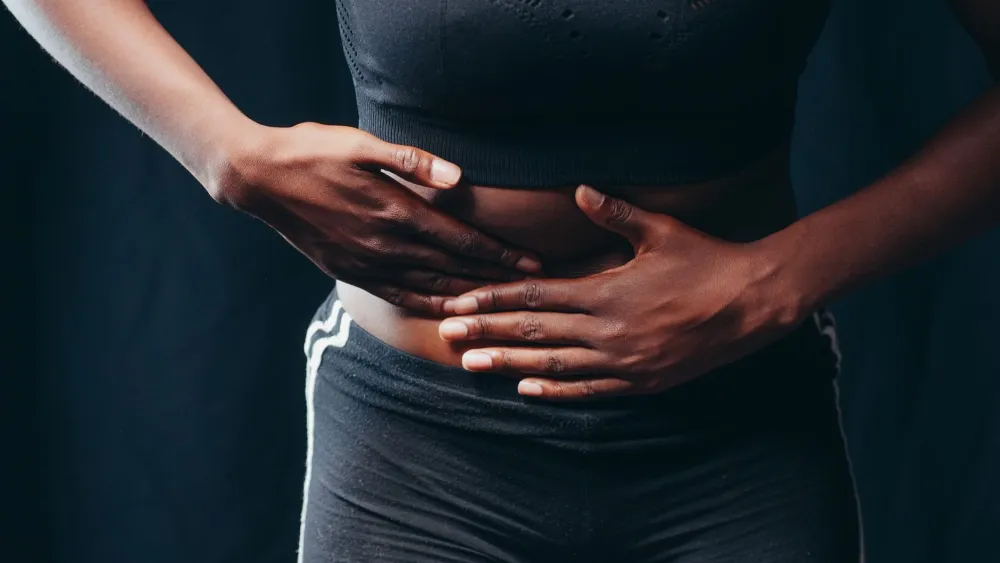
Some people feel fine for a few days, then develop deep aching, burning or stabbing pain in the treated area. It’s often worse at night, which makes sleep a chore. This delayed pain has been reported most often after belly treatments.
It usually eases within a few weeks. It’s a recognized pattern, not necessarily a sign something went wrong, but tell your provider anyway. They can suggest ways to manage it and make sure nothing else is going on.
How long do CoolSculpting side effects last?
Most side effects peak in the first few days and fade within two to four weeks. Numbness and tenderness can linger for a couple of months in some people. Anything that gets steadily worse, or shows up months later, deserves a call to your provider.
| Side effect | When it starts | Typical duration | Call your provider if |
|---|---|---|---|
| Redness | Right after treatment | Hours to a day | Blisters or dark skin appear |
| Swelling | First day or two | One to a few weeks | It keeps growing |
| Bruising | First day or two | Up to two weeks | Very large or very painful |
| Numbness | Right after treatment | Weeks, sometimes months | It spreads or never improves |
| Delayed pain | A few days later | A few weeks | Severe or not easing |
| Area gets bigger | Months later | Doesn’t fade alone | Get it checked promptly |
A realistic first two weeks often looks like this. Days one to three bring redness, swelling and soreness that feels like a hard workout plus a bruise. Days four to ten are when delayed pain, itching or tingling may kick in as nerves wake up. By the second week, swelling usually softens, bruises fade to yellow, and numbness slowly shrinks from the edges inward.
Visible slimming, if it comes, follows a slower clock. Many people notice a difference around one to three months, with the fullest result often showing around three to four months. Judging results at week two, while you’re still swollen, is a good way to get discouraged.
What happens on CoolSculpting treatment day?
A typical session follows a predictable pattern, and knowing it can make the side effects feel less alarming. Details vary by clinic and device, but the flow is usually the same.
No needles and no anesthesia means no recovery room, and that’s a big part of the appeal. Still, no downtime doesn’t mean no sensation. Plan for a sore evening and wear loose, soft clothing to your appointment.
What are the rare risks of CoolSculpting?
The rare risks include paradoxical adipose hyperplasia (PAH), cold injury such as frostbite-like burns, lasting skin darkening, a hernia near the treated area and fainting during treatment. Each one is uncommon. They’re also the reason fat freezing deserves a careful consultation rather than an impulse booking.
Paradoxical adipose hyperplasia (PAH)
PAH is a rare reaction where fat in the treated area grows larger instead of shrinking. It usually shows up a few months after treatment as a firm, painless bulge, sometimes shaped like the applicator that treated it.
Early reports suggested PAH was extremely rare. Later published reports suggest it may be more common than first thought, though it’s still uncommon overall. Nobody can yet reliably predict who will develop it.
Here’s the catch. PAH doesn’t go away on its own, and more fat freezing won’t fix it. It’s usually corrected with liposuction, sometimes more than one round, and occasionally with a procedure like a tummy tuck. Surgeons often wait several months for the tissue to settle first. Supermodel Linda Evangelista brought the condition into public view when she spoke about fat-freezing treatments that had left her with this complication.
Cold injury and skin color changes
Frostbite-like burns, blistering and open sores have been reported, though rarely. Some cases have been linked to gel pad placement, the applicator or the device itself. That’s one reason trained staff and a properly maintained, FDA-cleared machine matter.
Lasting skin darkening, called hyperpigmentation, can also follow cold injury. It may fade slowly over months, but it can be stubborn, especially in deeper skin tones.
Hernia, lingering nerve pain and fainting
A hernia, where tissue pushes through a weak spot in the abdominal wall, has been reported very rarely after belly treatments. Nerve pain that drags on well past the usual few weeks is another uncommon problem worth flagging early.
Some people have a vasovagal reaction during treatment, a reflex that can drop heart rate and blood pressure suddenly. It can cause lightheadedness, sweating, nausea or a brief faint. It usually passes quickly once the applicator comes off and you lie down, but tell your provider beforehand if you tend to faint.
Who should avoid CoolSculpting?
People with certain cold-triggered blood conditions should not have CoolSculpting, and several other groups should talk with a doctor first. Cold can set off serious reactions in some bodies that a healthy person would never notice.
- Cold-related blood disorders: Cryoglobulinemia, cold agglutinin disease and paroxysmal cold hemoglobinuria are conditions where cold makes blood proteins or cells clump or break down. They’re listed as reasons not to have fat freezing.
- Raynaud’s or cold sensitivity: If your fingers turn white or blue in the cold, mention it. You may need extra caution or a different option.
- Hernias or recent surgery: An existing hernia, fresh scar or recent operation near the treatment area is worth discussing first.
- Skin or sensation problems: Rashes, open wounds or reduced feeling in the area can raise the risk of an unnoticed cold injury.
- Pregnancy, breastfeeding or blood thinners: Talk to your doctor before any elective cosmetic procedure. Never stop a prescribed medication to fit in a treatment.
Your overall health matters too. If you’re still in the middle of losing a significant amount of weight, it’s usually better to finish that process first, ideally with support from a doctor or registered dietitian.

CoolSculpting myths vs facts
Plenty of fears and hopes about fat freezing come from ads and social media rather than research. This quick breakdown separates what’s supported from what isn’t.
| Myth | What’s actually true | Your takeaway |
|---|---|---|
| It’s painless | Cold, pulling and stinging are common | Expect early discomfort |
| It replaces weight loss | It trims small, stubborn pockets | Best near your goal weight |
| Ice packs work at home | DIY freezing risks frostbite | Never try it yourself |
| Side effects mean failure | Swelling and numbness are expected | Watch the timeline instead |
| Treated fat can’t return | Remaining fat cells can still grow | Habits still shape results |
| More sessions fix PAH | PAH usually needs surgery | See your provider promptly |
The DIY trend deserves its own warning. Videos of people strapping bags of frozen peas to their stomachs aren’t copying cryolipolysis. They skip the temperature control and skin protection that make the real thing reasonably safe. The likely result is a cold burn, not a slimmer waist.
Another common worry is that dead fat floods your bloodstream and raises cholesterol. Studies that checked blood fats and liver tests after cryolipolysis generally haven’t found meaningful changes, though long-term research is still limited.
How can you lower your risk of CoolSculpting side effects?
The biggest thing you control is who treats you and whether you’re a good candidate. A thorough consultation catches many problems early and sets honest expectations about results.
The American Academy of Dermatology suggests looking for a board-certified dermatologist when considering cosmetic procedures, and a board-certified plastic surgeon is another solid choice. Either way, bring these questions to your consultation:
- Who supervises treatment: Is a physician on site or available, and how much training does the person running the device have?
- Which device they use: Is it the genuine, FDA-cleared system, and is it serviced regularly?
- How they handle PAH: Have they seen it, and what’s their plan, including cost, if it happens to you?
- Whether you’re a fit: Is your fat pinchable and soft, and are you close to a stable weight?
- What normal looks like: Which symptoms should you report, and how fast can you reach someone about them?
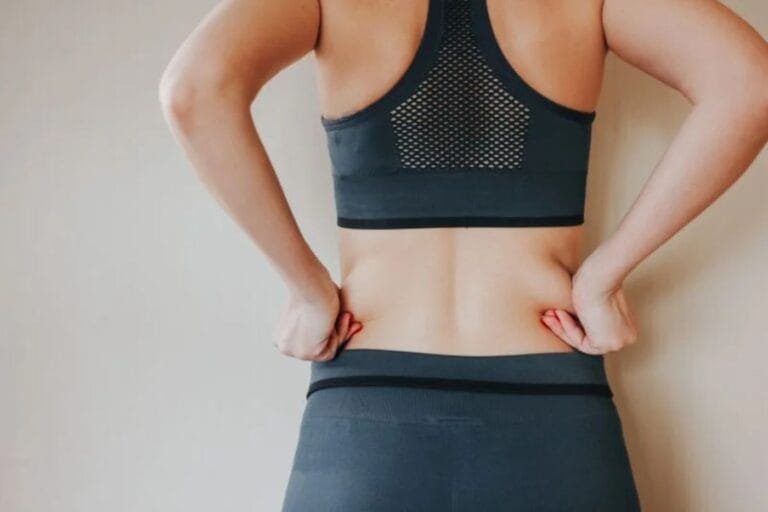
It also helps to compare non-procedure options first. Strength work, walking and steady eating habits won’t spot-reduce fat, but they shape your overall body more than any single session can. Our guides on losing love handles and reducing back fat cover what tends to help.
How do you ease discomfort during recovery?
Gentle, simple care usually makes recovery more comfortable: loose clothing, light movement and your provider’s aftercare instructions. Most people manage at home without any special equipment.
Soft, stretchy waistbands keep a tender belly from rubbing. Easy walks may help with stiffness and keep you from fixating on every twinge. Some providers suggest gentle self-massage or a light compression garment for a few days, so ask what they recommend for your area.
For delayed pain that disrupts sleep, ask your provider or a pharmacist which over-the-counter pain reliever fits your health history. Skip supplements marketed to “flush fat” or speed results. They aren’t tightly regulated, the evidence is weak, and some can interact with medications.
Food matters in a quieter way. Fat freezing doesn’t stop the fat cells you still have from growing, so meals built around vegetables, protein, whole grains and healthy fats help protect your results. Think of it as adding good things, not starting a strict diet to lock in your session.

When should you call your provider or a doctor?
Call your provider if side effects get worse instead of better, if the skin looks injured, or if the treated area grows months later. Some symptoms need prompt care rather than a wait for your next scheduled visit.
Reach out quickly if you notice any of the following:
- Skin damage: Blisters, open sores, or skin that turns white, gray or very dark purple.
- Worsening pain: Pain that’s severe, keeps intensifying, or hasn’t eased after several weeks.
- A new bulge: A lump in the groin or belly that gets bigger when you cough or strain could be a hernia.
- Growing firmness: A treated area that looks larger or harder months after treatment may be PAH.
- Signs of infection: Spreading redness, warmth, pus or fever, which are unusual after this treatment.
Some symptoms aren’t a phone-call situation at all. Chest pain, trouble breathing, a sudden severe headache, new numbness or weakness on one side of the body, or fainting that doesn’t pass quickly all mean getting emergency care right away, not searching online.
Is CoolSculpting worth the risk?
For a well-chosen candidate treated by a qualified provider, side effects are mostly short-lived discomfort, and serious complications are rare. The meaningful risk is PAH. It’s uncommon, but it’s costly and usually needs surgery to fix.
That makes it a reasonable option for some people and a poor fit for others. If you’re near your goal weight, have a small pinchable bulge and understand the results are modest, fat freezing can make sense. If you’re hoping for a dramatic change, or you’d be devastated by an outcome that needs liposuction, the math probably won’t work.
Surgical options like liposuction usually produce bigger changes, but they come with anesthesia, downtime and their own risks. No option is risk-free. You’re choosing between trade-offs.
FAQ
The Bottom Line
Most CoolSculpting side effects, like redness, swelling, bruising, numbness and delayed soreness, are expected and fade within weeks. The rare risks that matter most are paradoxical adipose hyperplasia, cold injury and hernia, so a careful provider and an honest consultation are your best protection. Before any treatment, confirm you’re a good candidate, check the device and who’s supervising, and learn which symptoms to report. If something worsens, looks injured or grows months later, get it checked rather than waiting it out.
This article is for informational purposes only and is not a substitute for professional medical advice, diagnosis, or treatment. Always consult a qualified healthcare provider about your specific situation. If you experience severe or sudden symptoms, seek medical care immediately.

Skin and Beauty
Browse every related article on this topic in one place.