

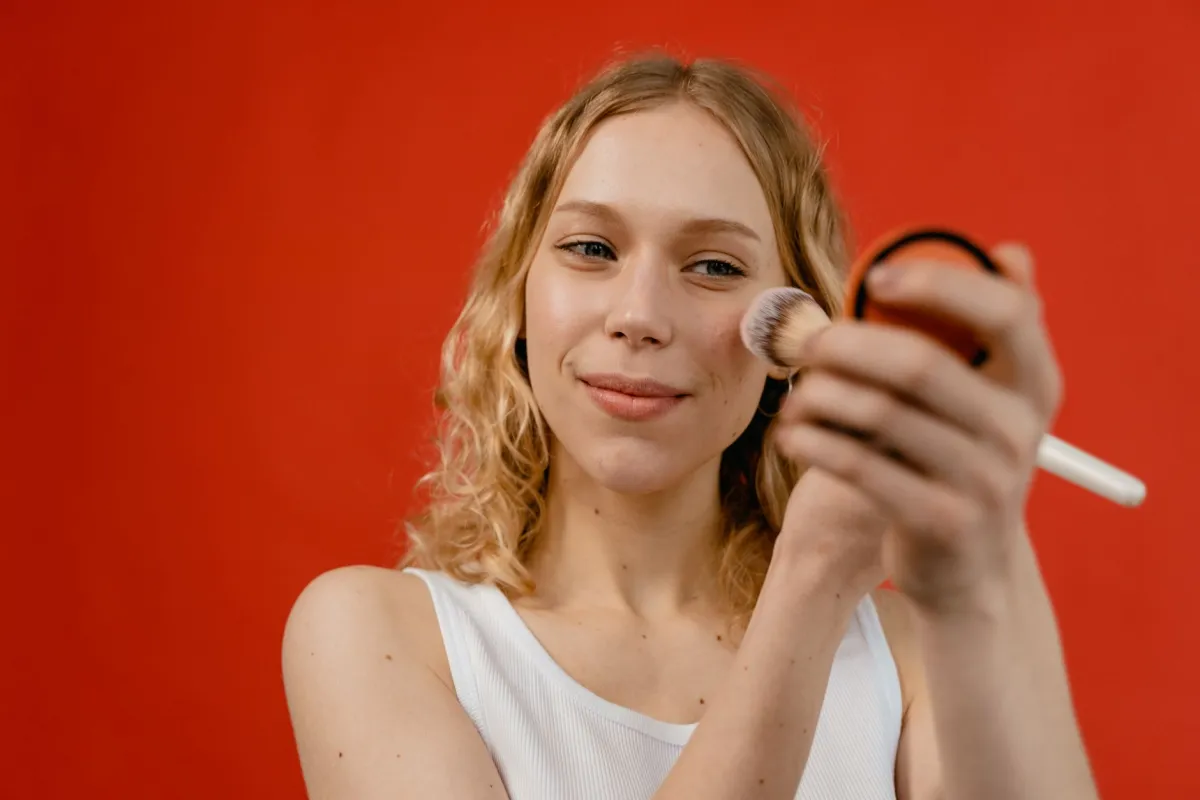
You catch the mark in the bathroom mirror ten minutes before a family dinner, and suddenly it’s a small emergency. The good news? Most hickeys can be hidden well enough that nobody asks questions, as long as you know which color to cancel and when.
- What Is a Hickey, and Why Is It Hard to Cover?
- How Do You Hide a Hickey With Makeup?
- No Color Corrector? Try These Swaps
- How to Hide a Hickey With Clothing and Accessories
- Quick Fixes That May Help a Hickey Fade Faster
- Which Way to Hide a Hickey Works Best?
- Hickey Myths: What Doesn't Work
- How Long Does a Hickey Last?
- When Should You See a Doctor About a Hickey?
- FAQ
- The Bottom Line
What Is a Hickey, and Why Is It Hard to Cover?
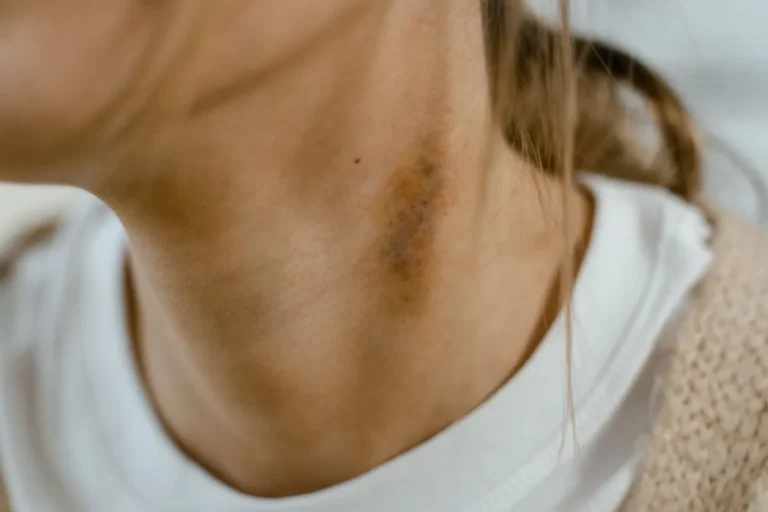
A hickey is a bruise caused by suction or biting. The pressure breaks tiny blood vessels called capillaries just under the skin, and the leaked blood pools beneath the surface. That’s why the mark looks red, purple or blue instead of skin-colored.
Color is the real problem. Regular foundation is designed to even out skin tone, not cancel a deep purple splotch, so a single layer often leaves a grayish shadow peeking through.
The color also changes over time. The Cleveland Clinic explains that bruises shift colors as your body breaks down and reabsorbs the trapped blood. Hemoglobin, the iron-rich protein that makes blood red, turns into other pigments along the way. So a hickey often starts reddish, deepens to purple, then fades through green and yellow.
Each stage needs a slightly different cover-up. That’s the detail most quick tips skip.
Your neck makes things harder. The skin there is thin and always moving, and collars, scarves and hair rub against it all day, so makeup wears off faster than it would on your cheek. If your main goal is making the mark fade rather than covering it, our guide on how to get rid of a hickey fast covers that side in detail.
How Do You Hide a Hickey With Makeup?
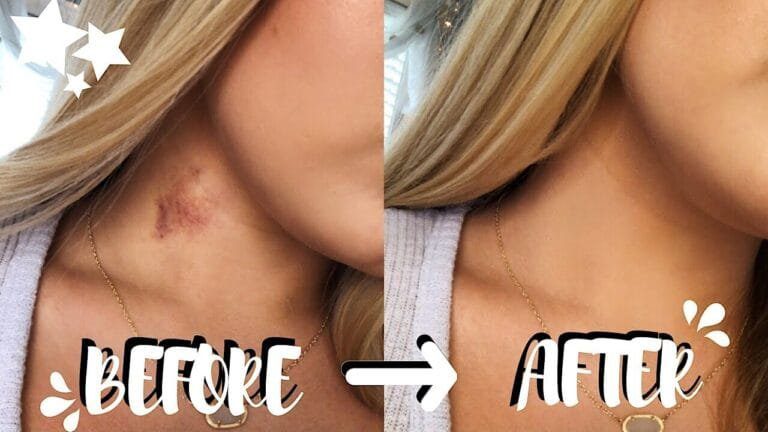
The trick is to cancel the color first, then cover what’s left. A color corrector neutralizes the red or purple tone, a concealer matched to your skin handles the rest, and setting powder keeps everything from sliding onto your collar.
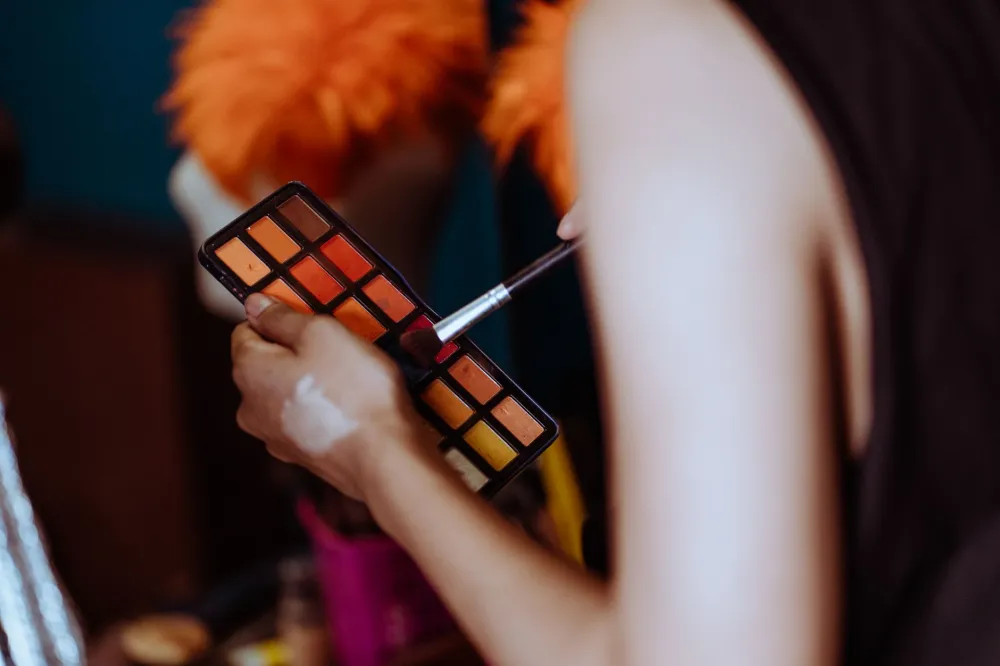
This works because of basic color theory. Colors across from each other on the color wheel cancel each other out. Green tints mute red, while peach, yellow or orange tints mute purple and blue.
Match Your Corrector to the Hickey’s Color
Look at the mark in daylight before you reach for anything. The shade you see today tells you which corrector to grab, and it may look different in three days.
| Hickey color | When it usually shows | Corrector to try | Tip |
|---|---|---|---|
| Bright red or pink | First day or so | Green | Use a sheer layer |
| Purple or dark blue | Days 2 to 5 | Peach or yellow | Peach suits lighter skin |
| Deep purple on deeper skin | Days 2 to 5 | Orange or red-orange | Blend the edges well |
| Green or yellow | Final several days | Lavender | Concealer alone may work |
| Light brown shadow | Last fading stage | Bisque or peach | Thin layer only |
Once you know your shade, the application takes about five to ten minutes. Work in thin layers. Thick makeup on the neck creases easily and looks obvious, which defeats the whole point.
If this sounds familiar, it should. It’s the same color-correcting trick makeup artists use for dark under-eye circles, just applied a little lower.
No Color Corrector? Try These Swaps
You can still cover a hickey without a dedicated corrector. A concealer one or two shades warmer than your skin, or a thin layer of peach or orange lipstick, can do a similar canceling job before your regular concealer goes on top.
The lipstick trick is popular for a reason. A creamy coral or orange shade, tapped on sparingly and blended until it’s barely visible, works like a homemade corrector on purple marks. Go light, though. Too much pigment shows through, and some long-wear formulas stain.
Other things already in your bathroom drawer may work too:
- Peach eyeshadow: A matte peach or salmon shade pressed over a purple mark can mute the color before concealer.
- Green-tinted primer: Sold for redness on the face, it can tone down a fresh, red hickey.
- Thin layers of foundation: Two or three sheer layers usually look more natural than one thick coat.
- A warm-toned concealer: Slightly warmer than your skin, it may neutralize blue tones on its own.
Never worn makeup? A single drugstore concealer in your shade and a cheap makeup sponge will cover most hickeys reasonably well. Skip borrowing someone else’s products or applicators, since shared makeup can spread bacteria.
The American Academy of Dermatology suggests testing new products on a small patch of skin before using them more widely. That’s smart advice here, because neck skin can be more sensitive than you’d expect.
How to Hide a Hickey With Clothing and Accessories
Clothing is the easiest option. It takes no skill and won’t smudge or fade by lunchtime. The right neckline, a scarf or simply wearing your hair down can cover the mark completely, depending on where it sits.
- Turtlenecks and mock necks: The most complete cover for marks low or in the middle of the neck, and they look natural in fall and winter.
- Collared shirts: A button-up worn with the top buttons done covers marks near the collarbone or the base of the neck.
- Lightweight scarves: Cotton, linen or silk scarves work in warm weather without looking like a disguise.
- Hair worn down: Loose hair hides marks on the side or back of the neck, as long as you don’t plan to tie it up.
- Hoodies and high-neck jackets: Casual and effective for marks just below the jaw.
A word on bandages: an adhesive bandage hides the mark, but it tends to raise more questions than it answers. A wide choker or layered necklaces can draw the eye away from a small mark, though anything snug around the neck may rub tender skin, so keep it loose.

For the most reliable coverage, combine both approaches. A thin layer of corrector and concealer under a collared shirt means that even if your collar shifts during the day, nobody sees much.
Quick Fixes That May Help a Hickey Fade Faster
No home remedy makes a hickey vanish overnight. A cold compress in the first 24 to 48 hours and gentle warmth afterward may help limit darkening and support normal healing, following the same logic as general bruise care.
Makeup and clothing hide a hickey today. The steps below may shorten how long you need them.
Cold First
Cold narrows blood vessels, which may reduce how much blood leaks into the surrounding tissue. Wrap an ice pack or a bag of frozen peas in a thin cloth and hold it on the mark for about 10 minutes at a time, a few times a day, during the first day or two.
Never put ice directly on bare skin. A chilled metal spoon works as a small cold compress too, which is where the famous “frozen spoon trick” comes from.
Gentle Warmth Later
After about two days, a warm (not hot) compress may increase blood flow to the area and help your body clear the pooled blood. A washcloth soaked in warm water for about 10 minutes is plenty. For more on this approach, see our guide on how to get rid of a bruise fast, since a hickey is simply a bruise in an awkward spot.
What About Creams and Supplements?
Arnica gel and vitamin K creams are often recommended for bruises. Small studies, mostly on bruising after cosmetic procedures, show mixed results, so they may help a little or not at all. Nobody has studied them for hickeys specifically.
Aloe vera may feel soothing, but there’s no good evidence it speeds fading. Supplements marketed for bruising aren’t tightly regulated in the US and can interact with medications, so check with a pharmacist before trying one. And skip hard rubbing or massage, which can break more capillaries.
Which Way to Hide a Hickey Works Best?
The best method depends on how dark the mark is, where it sits and how much time you have. Corrector plus concealer gives the most coverage for exposed spots, while clothing is the fastest and most reliable option.
| Method | How well it covers | Time needed | Best for |
|---|---|---|---|
| Corrector plus concealer | Very well | 5 to 10 minutes | Exposed marks, events |
| Concealer alone | Moderately | 3 to 5 minutes | Faded, yellow-stage marks |
| Lipstick as corrector | Fairly well | 5 to 10 minutes | No corrector on hand |
| Turtleneck or collar | Completely, if placed right | Instant | Work, cooler weather |
| Scarf | Completely | Instant | Any season |
| Hair worn down | Partly | Instant | Side or back of neck |
| Cold compress | Does not hide it | About 10 minutes | Fresh marks, day one |
Our take? For a big day, do both. Ice a fresh mark the night before, apply corrector and concealer in the morning, and pick a neckline that backs you up.
Hickey Myths: What Doesn’t Work
Most viral hickey hacks, like scraping with a coin or rubbing on toothpaste, have no evidence behind them and may irritate or further bruise the skin. Cold compresses are the one popular trick with sensible reasoning behind it.
Myth: coin scraping breaks it up. Fact: dragging a coin across a bruise puts more pressure on already damaged capillaries. It can spread the mark, scratch the skin and leave you redder than when you started.
Myth: toothpaste makes it fade. Fact: the tingle from mint toothpaste is irritation, not healing. Toothpaste ingredients can trigger a rash on sensitive neck skin.
Myth: a hairbrush or comb helps. Fact: this is coin scraping with extra bristles. Aggressive scrubbing can also damage your skin’s protective outer layer, and our guide to skin barrier repair after over-exfoliating explains how long that can take to recover.
Myth: the frozen spoon erases it. Fact: half true. Cold may limit how dark a fresh hickey gets, but it can’t remove blood that has already pooled under the skin.
Banana peels, peppermint oil and rubbing alcohol show up on plenty of online lists too. There’s no good evidence any of them work, and some can irritate skin. None of them will hide a hickey better than a drugstore concealer.
How Long Does a Hickey Last?
Most hickeys fade within about one to two weeks, depending on how deep the bruise is and how quickly your body clears the trapped blood. Lighter marks may be gone in a few days, while darker ones can linger closer to two weeks.
Here’s a realistic timeline, and how your cover-up should change as the color shifts:
- Days 1 to 2: Red or reddish-purple and possibly tender. Use cold compresses and a green corrector.
- Days 3 to 5: Often at its darkest, purple or blue. Reach for peach or orange corrector, full-coverage concealer and supportive clothing.
- Days 5 to 10: Fading to green, yellow or light brown. A lighter concealer layer usually handles it.
- Around 2 weeks: Gone or nearly invisible for most people.
Everyone heals at a different pace. Older adults, people on certain medications and anyone with very fair skin may notice marks lasting longer or looking more obvious.
When Should You See a Doctor About a Hickey?
A hickey almost never needs medical care. But a mark that hasn’t faded after two weeks, keeps growing, or shows up alongside unexplained bruising elsewhere deserves a check with your doctor. Occasionally these point to a bleeding problem or a medication side effect.
Call your doctor if you notice any of these:
- Bruises without a cause: Marks appearing on your arms, legs or body that you can’t explain.
- Other bleeding signs: Frequent nosebleeds, bleeding gums or cuts that take a long time to stop.
- A hard, painful lump: Swelling under the mark that grows or doesn’t soften.
- Signs of infection: Warmth, pus, spreading redness or fever, especially if a bite broke the skin.
Some symptoms need help right away, not a blog post: a sudden severe headache, numbness or weakness on one side of the body, trouble speaking or vision changes. These are rarely related to a hickey, but they always need prompt emergency care. MedlinePlus has reliable background reading on bruising and bleeding disorders if you want to learn more.
One more thing, said kindly. If someone left a mark you didn’t want, or you feel pressured in a relationship, you don’t have to handle that alone. A trusted friend or a healthcare provider can help. For more everyday skin questions, our skin and beauty guide is a good next stop.
Related reading: Hickey Healing Time: How Long It Lasts and Simple Fixes.
FAQ
The Bottom Line
To hide a hickey fast, cancel the color with a green, peach or orange corrector, then tap on a concealer that matches your neck and set it with powder. A collared shirt, scarf or loose hair covers it instantly with no makeup at all. A cold compress in the first day or two may keep it from getting darker, and coin scraping and toothpaste hacks are best skipped. Most hickeys fade within one to two weeks, so see a doctor if a mark lingers longer or comes with unusual bruising or bleeding.
This article is for informational purposes only and is not a substitute for professional medical advice, diagnosis, or treatment. Always consult a qualified healthcare provider about your specific situation. If you experience severe or sudden symptoms, seek medical care immediately.

Skin and Beauty
Browse every related article on this topic in one place.



1 thought on “Hide a Hickey: Simple Makeup, Clothing and Quick Fixes”
Comments are closed.