


You can hit your daily carb limit with gas-station beef jerky and sugar-free energy drinks, or you can hit it with salmon, avocado, and roasted broccoli. Both technically qualify as keto. That gap is exactly what the dirty keto versus clean keto debate is about.
- What Is the Ketogenic Diet, Briefly?
- Dirty Keto vs Clean Keto: The Core Difference
- What Does Dirty Keto Actually Look Like?
- What Does Clean Keto Look Like Day to Day?
- Does Dirty Keto vs Clean Keto Affect Weight Loss?
- Dirty Keto Myths vs Facts
- How Does Each Approach Affect Energy and How You Feel?
- Who Might Do Better on Dirty Keto?
- Who Should Lean Toward Clean Keto?
- Practical Steps to Move From Dirty Keto to Clean Keto
- When Should You See a Doctor or Dietitian?
- FAQ
- The Bottom Line
What Is the Ketogenic Diet, Briefly?
The ketogenic diet is a high-fat, very-low-carbohydrate eating pattern designed to shift your body from burning glucose (sugar from carbs) to burning fat for fuel. When carbohydrate intake drops low enough, your liver produces molecules called ketones, and your body enters a metabolic state called ketosis. Most standard keto plans keep daily carbs between 20 and 50 grams, compared to the 225 to 325 grams recommended by the USDA Dietary Guidelines for a typical 2,000-calorie diet.
Protein stays moderate on keto, and fat makes up most of your calories. Whether those fats come from a grass-fed ribeye or a drive-through burger is where dirty keto and clean keto split. If you’re brand new to keto, the keto grocery list for beginners on this site is a solid starting point.
Dirty Keto vs Clean Keto: The Core Difference
Clean keto and dirty keto share the same macronutrient targets, but they treat food quality very differently. Clean keto asks where your fat and protein come from. Dirty keto only asks how many carbs something has.
| Feature | Clean Keto | Dirty Keto |
|---|---|---|
| Carb limit | Under 50 g/day | Under 50 g/day |
| Fat sources | Avocado, olive oil, nuts, fatty fish | Fast food, processed meats, bacon |
| Protein sources | Grass-fed meat, poultry, eggs, seafood | Hot dogs, deli meats, fast food patties |
| Vegetables | Low-carb veggies emphasized | Often minimal or skipped |
| Sweeteners | Limited or avoided | Artificial sweeteners freely used |
| Processed foods | Avoided or rarely used | Common and accepted |
| Convenience | Requires more planning | Easier on a busy schedule |
| Long-term health support | Generally stronger evidence | More uncertain |
What Does Dirty Keto Actually Look Like?
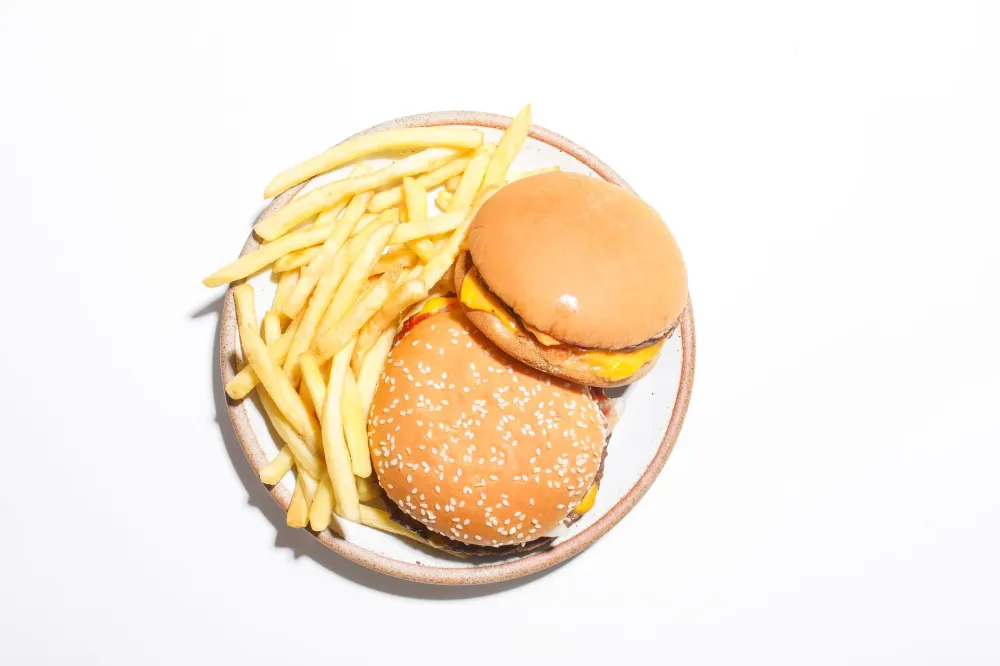
Dirty keto is sometimes grouped with “lazy keto,” though the two terms mean slightly different things. Lazy keto typically refers to tracking only carbohydrates rather than all macros, while dirty keto specifically describes allowing processed and fast foods as long as carbs stay low. The appeal of both is similar: you stay in ketosis without overhauling your entire lifestyle. A dirty keto day might include a fast-food double cheeseburger without the bun, a handful of pork rinds, a diet soda, sugar-free candy, and pre-packaged pepperoni slices. The net carb count (total carbs minus fiber) can easily come in under 50 grams.
For people just starting out, or those who travel constantly or eat on the run, dirty keto lowers the barrier to entry significantly. You don’t need to meal prep on Sunday. You don’t need to know how to cook cauliflower three different ways. You just skip the bun and the fries.
Here’s the thing: dirty keto can absolutely produce ketosis and, by extension, weight loss. The catch is what comes along for the ride.
What Does Clean Keto Look Like Day to Day?
Clean keto looks more like a traditional Mediterranean-style diet with the carbs pulled way down. Meals center on whole, minimally processed foods: eggs scrambled in olive oil, leafy green salads with avocado and grilled salmon, zucchini sautéed in butter, a handful of walnuts for a snack. The fat grams are still high, but they come mostly from sources that carry vitamins, minerals, and fiber along with them.
Clean keto also keeps a close eye on sodium, artificial additives, and seed oils, things dirty keto tends to ignore completely. For anyone interested in the long-term health picture, not just the number on the scale, clean keto aligns better with what researchers have studied. You can get a solid sense of what to stock up on with this beginner-friendly keto grocery list.
The trade-off is that clean keto takes planning. You’re not grabbing lunch from a drive-through. Meal prep becomes a weekend habit, not optional. If that sounds familiar, the site’s guide on meal prepping for busy weeks without burnout has some practical shortcuts worth reading.

Does Dirty Keto vs Clean Keto Affect Weight Loss?
For pure weight loss in the short term, both approaches can work. The ketosis mechanism is essentially the same. As long as carbs stay low, your body will shift to burning fat for fuel, and many people find they eat less overall because fat and protein are more filling than carbs.
But the longer picture gets murkier for dirty keto. A few issues may chip away at results over time.
Inflammation and food quality matter significantly. Processed meats and fried fast food are associated with higher levels of systemic inflammation, your body’s ongoing low-grade immune response. Chronic inflammation is linked to insulin resistance, the very condition many keto dieters are trying to improve. Swapping carbs for ultra-processed foods may not address the underlying metabolic issue as effectively as clean whole-food sources might.
Micronutrient gaps are another real concern on dirty keto. Skipping low-carb vegetables means missing out on magnesium, potassium, B vitamins, and fiber. These matter more than they might sound. Magnesium and potassium help regulate fluid balance, and a deficiency in either can make the early keto adjustment period, often called the keto flu, feel significantly worse and last longer.
Fiber deserves its own mention. Clean keto maintains fiber intake through leafy greens, nuts, and seeds. Dirty keto often neglects it. Your microbiome, the trillions of bacteria living in your gut, depends on fiber to function properly. Several trials suggest that low-fiber diets reduce the diversity of gut bacteria, which research increasingly connects to metabolic health, mood, and immunity. For a deeper look at this, the guide on what actually feeds your gut microbiome is worth your time.
Dirty Keto Myths vs Facts
A few ideas float around the keto community that deserve a closer look.
Myth: “If it keeps you in ketosis, it’s healthy.” Ketosis is a metabolic state, not a health certificate. You can be in ketosis and still consume high levels of sodium, nitrates from processed meats, trans fats, and artificial additives. Ketosis tells you about your carb intake. It says nothing about the nutritional completeness of your diet.
Myth: “Artificial sweeteners are completely harmless on keto.” The evidence here is mixed. Some research suggests certain artificial sweeteners may affect gut bacteria or trigger insulin responses in some individuals, though the science isn’t settled. What’s fair to say is that they’re not the neutral, consequence-free substitutes they’re often marketed as. If you’re relying on them heavily on dirty keto, that’s a variable worth paying attention to.
Myth: “Clean keto is too hard to maintain.” It requires more planning, yes. But it doesn’t require gourmet cooking. Scrambled eggs, rotisserie chicken, bags of pre-washed spinach, canned sardines, and a jar of almond butter are all clean keto staples you can find at any grocery store, and most of them take under ten minutes to put on a plate.

How Does Each Approach Affect Energy and How You Feel?
Many people switch to keto specifically because they’re tired of the 3 PM crash at their desk, that slump where concentration evaporates and anything resembling productivity goes with it. Keto is often promoted as a fix for this, and for some people it genuinely helps stabilize blood sugar swings that drive energy dips. If afternoon crashes are your main pain point, this guide on afternoon energy crashes covers the full picture beyond diet alone.
Some people report more consistent energy on clean keto, which may reflect the steadier digestion of whole food fats and better micronutrient intake from vegetables. Dirty keto can produce the same initial ketosis shift, but lower micronutrient intake may contribute to fatigue, brain fog, or muscle cramps for some individuals, particularly in the first few weeks. Direct comparative evidence between the two approaches on energy levels is limited, so individual results can vary.
Sleep is another variable worth considering. Processed foods high in sodium and artificial ingredients may disrupt sleep quality for some people, though this is highly individual. Clean keto’s emphasis on magnesium-rich foods like pumpkin seeds, spinach, and almonds may support better sleep, since magnesium plays a role in muscle relaxation and melatonin production.
Who Might Do Better on Dirty Keto?
Dirty keto isn’t the villain some nutrition advocates paint it as. There are situations where its simplicity actually serves a purpose.
Someone trying keto for the first time may find that strict clean eating rules set up an all-or-nothing mindset. Starting with “just cut the carbs” and worrying about food quality later is a legitimate entry point. Getting into ketosis first, then gradually upgrading food sources, is a strategy some people find more sustainable than trying to change everything at once.
Travelers and people with genuinely chaotic schedules may also find that dirty keto keeps them on track when clean options aren’t available. A fast-food bunless burger with a side salad is still lower in carbs than most airport sandwiches. Perfection isn’t the goal. Consistency is.
That said, if you have existing cardiovascular risk factors, high blood pressure, kidney issues, or type 2 diabetes, the food quality distinction becomes significantly more important. High-sodium processed foods and saturated fat from ultra-processed sources affect you differently when those conditions are present. A conversation with your doctor or a registered dietitian before starting either version of keto is well worth having, not just a standard disclaimer.
Who Should Lean Toward Clean Keto?
Clean keto is the stronger choice for most people with any of these goals: improving metabolic health markers like blood sugar and triglycerides, reducing inflammation, supporting gut health, or sustaining the diet for more than a few months.
Research on ketogenic diets, including several trials published in journals like Nutrition and Metabolism, tends to study high-fat diets built around whole foods, not fast food. The positive outcomes reported, such as improved HDL cholesterol, reduced triglycerides, and better blood sugar control in some people with type 2 diabetes, reflect clean-style keto more than the dirty version. Extrapolating those benefits to a diet heavy in processed meats and artificial sweeteners isn’t supported by the same body of evidence.
Clean keto also tends to be more compatible with a long-term lifestyle rather than a short-term fix. Whole foods are more satisfying per calorie, tend to keep you full longer, and provide the nutrients your body needs to function well at every level, from your energy to your skin to your sleep.

Practical Steps to Move From Dirty Keto to Clean Keto
You don’t have to overhaul everything in a single week. Moving gradually tends to stick better than going cold turkey on a diet you’ve already been following. Here’s a reasonable way to make the shift:
When Should You See a Doctor or Dietitian?
Keto is not universally appropriate, regardless of which version you follow. Certain groups should check with a healthcare provider before starting: people with kidney disease, liver conditions, a history of disordered eating, or anyone on medications that interact with dietary changes. Some diabetes and blood pressure medications may need dose adjustments as the diet affects blood sugar and fluid balance.
If you experience persistent heart palpitations, severe fatigue that doesn’t improve after the first two weeks, or significant digestive distress, those deserve a real conversation with a doctor, not just a tweak to your macros. And if you ever have chest pain, difficulty breathing, a sudden severe headache, or numbness, those symptoms need medical attention right away, not a dietary adjustment.
A registered dietitian who is familiar with low-carb diets can help you structure either version of keto in a way that fills nutritional gaps, fits your real life, and supports your specific health goals. That kind of personalized guidance tends to produce better outcomes than any one-size-fits-all eating plan.
FAQ
The Bottom Line
Dirty keto and clean keto both work by keeping carbohydrates low enough to produce ketosis. The difference is what fills the rest of your plate. Dirty keto is convenient and accessible, and it can produce short-term weight loss, but it often creates nutritional gaps and relies on processed foods that carry their own health trade-offs. Clean keto takes more planning, but it’s the version that aligns with research showing benefits for metabolic health, energy, and long-term sustainability. If you’re already doing dirty keto, you don’t need to start over: swap one processed item for a whole-food alternative this week, add a low-carb vegetable to one daily meal, and build from there. Small upgrades compound quickly. And if you have any underlying health condition, talking to your doctor or a registered dietitian before committing to either approach is always the smarter first move.
This article is for informational purposes only and is not a substitute for professional medical advice, diagnosis, or treatment. Always consult a qualified healthcare provider about your specific situation. If you experience severe or sudden symptoms, seek medical care immediately.

Weight Loss and Nutrition
Browse every related article on this topic in one place.