

Every fall, millions of Americans get blindsided by the flu, not because they didn’t care but because they waited too long to prepare. Getting ahead of flu season by even a few weeks can make a real difference for your whole household.
- Why Getting Ready Before Flu Season Actually Matters
- What Should Every Household Do Before Flu Season Hits?
- How Does Your Immune System Actually Prepare for Flu Season?
- Flu Season Prep at a Glance: What Works vs. What's Overhyped
- Your Gut Health and Seasonal Illness: The Connection You Might Be Missing
- When Should You Actually See a Doctor During Flu Season?
- The Bottom Line
- FAQ
Why Getting Ready Before Flu Season Actually Matters
Flu season in the US typically peaks between December and February, but it can start as early as October, according to the CDC. That means the best time to prepare is late summer and early fall, before flu starts spreading in your community.
Here’s the thing: your immune system doesn’t switch on overnight. Vaccines take about two weeks to build full protection. Good eating habits take longer to stick. Sleep routines don’t change in a day. The households that get through flu season with the least disruption are usually the ones that prepared before the first cases showed up.
This guide covers exactly what that preparation looks like. We’ll walk through practical steps room by room and habit by habit, plus what is known about gut health and immune function.

What Should Every Household Do Before Flu Season Hits?
A prepared household isn’t just about having tissues in the bathroom. It’s about layering several practical strategies so that even if one person gets sick, the whole family doesn’t fall like dominoes.
Get Flu Vaccines Scheduled Now
Annual flu vaccination is the single most evidence-backed step you can take. The CDC recommends that everyone six months and older get a flu vaccine each year, ideally by the end of October. Pharmacies like CVS and Walgreens typically start stocking updated vaccines in August and September, so you don’t need to wait for a doctor’s appointment if your schedule is packed.
Check whether your household includes anyone in a higher-risk group: adults 65 and older, young children, pregnant women, or people with chronic conditions like asthma or type 2 diabetes. These groups may benefit from specific vaccine formulations, so it’s worth a quick call to a pharmacist or your doctor to confirm which option is best.
Build Your Sick-Day Supply Kit
Running to the pharmacy at 11 PM with a 102-degree fever is its own kind of misery. Put together a simple kit now while you’re thinking clearly:
- Fever reducers: acetaminophen or ibuprofen in appropriate doses for adults and children in your home
- Electrolyte drinks or powders: flu dehydrates you faster than you expect
- Saline nasal spray: helpful for congestion without medication interactions
- Thermometer: a working one, not the one buried in the junk drawer since 2019
- Extra tissues and hand soap: yes, really, stores sell out of basic supplies during bad flu years
Reinforce the Hygiene Basics for Flu Season Prep
It sounds obvious, but consistent hand washing with soap and water for at least 20 seconds is genuinely one of the most effective barriers against flu transmission. The Mayo Clinic notes that flu viruses can survive on hard surfaces for up to 24 hours, which is why high-touch areas like door handles, light switches, and phone screens deserve regular attention during peak season.
One habit worth establishing now, before anyone gets sick, is wiping down shared surfaces in the kitchen and bathroom a few times a week. It takes three minutes. It’s not glamorous. But it works.
How Does Your Immune System Actually Prepare for Flu Season?
Your immune system is not a single on/off switch. It’s a layered network that includes your skin, mucous membranes, white blood cells, and your gut. Supporting it means consistently doing several things moderately well, not doing one thing perfectly.
Sleep: Your Immune System’s Overnight Shift
Research published in journals like Sleep Medicine Reviews has consistently linked poor sleep to reduced immune function. During deep sleep, your body produces cytokines, which are proteins that help coordinate immune responses. Getting fewer than seven hours a night on a regular basis may leave your body less equipped to fight off infections.
For most adults, aiming for seven to nine hours of sleep is the practical target. If your schedule makes that feel impossible, even protecting a consistent bedtime and wake time can help your body’s internal clock stay regulated, which supports both sleep quality and immune activity.
Nutrition: What to Add to Your Plate Right Now
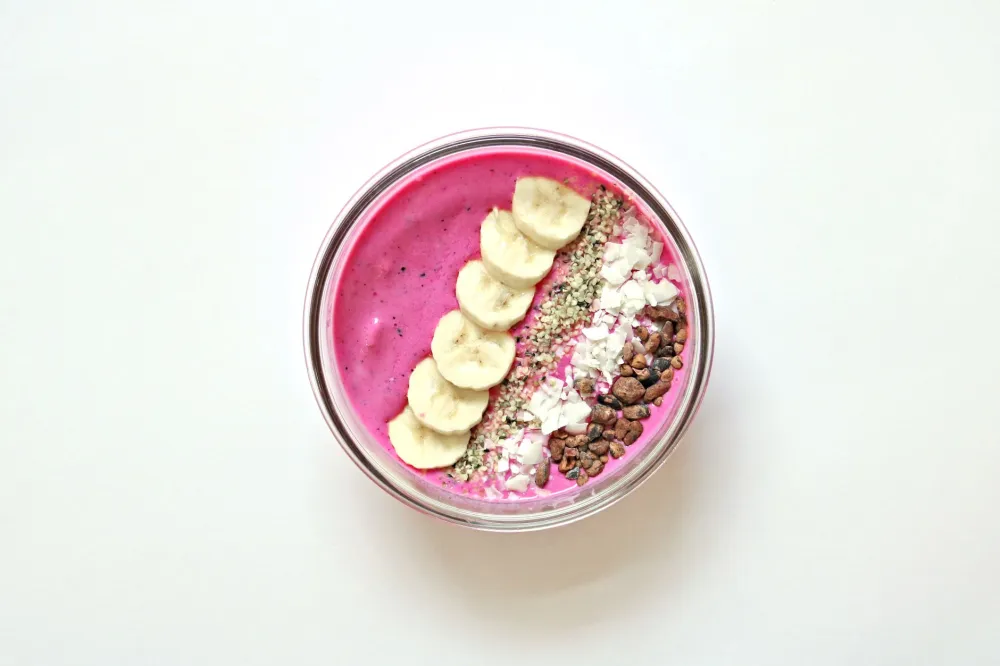
Immune-supportive nutrition doesn’t require a complicated supplement stack. Some of the most well-studied foundations are genuinely simple: vitamin C from citrus fruits and bell peppers, vitamin D (many Americans are deficient, especially heading into winter), zinc from foods like pumpkin seeds and legumes, and adequate protein to support antibody production.
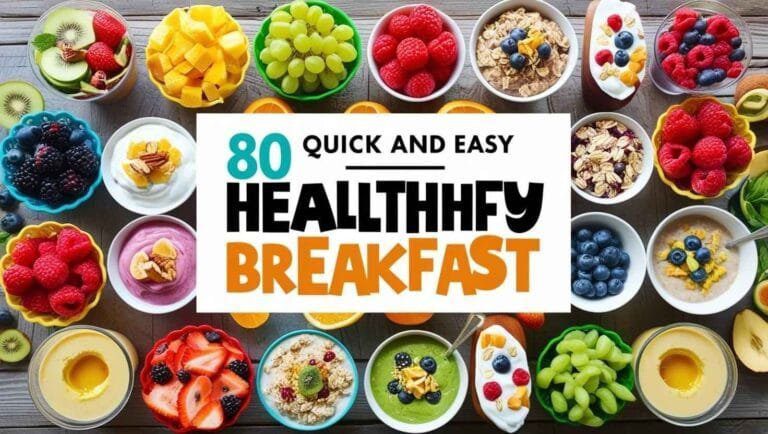
If you want practical inspiration for building those nutrients into daily meals, the 80 healthy breakfast ideas on Better Life Carez are a good starting point. A nutrient-dense breakfast sets a better tone for the whole day than starting with chips and three cups of coffee.
Fermented foods like plain yogurt, kimchi, or kefir may also support the gut microbiome, the trillions of bacteria living in your digestive system, which plays a surprising role in how your immune system responds to threats.
Stress Management Isn’t Optional for Immune Health
Chronic stress suppresses immune function in measurable ways. New research from the University of Georgia, published in August 2026, reinforces what many studies have suggested before: stress and gut health appear to influence each other. A stressed gut may signal a stressed immune system, and vice versa.
You don’t need to meditate for an hour every morning. But building small stress buffers into your day, whether that’s a 10-minute walk outside, a consistent meal break away from screens, or even a regular bedtime, can make a difference over a full flu season.

Flu Season Prep at a Glance: What Works vs. What’s Overhyped
There’s a lot of wellness noise around flu season, and not all of it deserves your money or your trust. Here’s an honest breakdown.
Supplements sit in a tricky spot. They’re not regulated the same way prescription medications are by the FDA, which means potency and purity can vary significantly between brands. If you’re considering adding anything new, especially if you take prescription medications, checking with a pharmacist first takes about five minutes and can save you from unexpected interactions.
Your Gut Health and Seasonal Illness: The Connection You Might Be Missing
Roughly 70 percent of your immune system lives in and around your gut, according to estimates cited by sources like Harvard Health. The gut microbiome, the trillions of bacteria and other microorganisms living in your digestive tract, plays a direct role in how your immune system identifies and responds to pathogens like the flu virus.
This means that the habits you build to support your gut year-round, eating a variety of fiber-rich foods, limiting unnecessary antibiotic use, managing stress, getting enough sleep, are also indirectly flu-season habits. It’s not a magic shield. But a healthier gut environment tends to mean a more responsive and better-regulated immune system.
This is still an active area of research, and gut health is not a substitute for a flu shot. It is one more reason to keep up the everyday habits below.
Practical Gut-Support Habits for Flu Season Prep
You don’t need a probiotic supplement to support your gut microbiome, though some people do find them helpful. Food-first strategies tend to have the broadest evidence base:
- Eat more fiber: beans, lentils, oats, vegetables, and fruit feed beneficial gut bacteria
- Include fermented foods: plain yogurt with live cultures, kefir, sauerkraut, or miso in reasonable amounts
- Limit processed foods: ultra-processed diets are consistently linked to reduced microbiome diversity in research studies
- Stay hydrated: plain water supports healthy digestion and mucous membranes, which are your first physical line of defense against airborne viruses
When Should You Actually See a Doctor During Flu Season?
Most flu cases in otherwise healthy adults can be managed at home with rest, fluids, and over-the-counter symptom relief. But some situations genuinely need professional evaluation.
Seek medical care promptly if you or someone in your household experiences difficulty breathing or shortness of breath, chest pain or pressure, confusion or altered mental status, severe or persistent vomiting, symptoms that improve and then return with a fever and worsening cough, or high fever in a child under two years old. These can be signs of complications like pneumonia, and they need a real clinical assessment.
Antiviral medications like oseltamivir (Tamiflu) are most effective when started within the first 48 hours of symptom onset, so if you’re in a high-risk group, don’t wait to see if things get better on their own. Call your doctor early.
Not sure whether you have the flu, a cold or COVID? Our guide on how to tell flu, cold and COVID apart walks through the symptoms that set them apart.
The Bottom Line
Preparing for flu season is one of the highest-return health habits you can build each year, and the best time to do it is before flu activity picks up in the fall. Get your household vaccinated before October, stock your sick-day supplies while the shelves are full, and support your immune system through sleep, whole-food nutrition, and manageable stress levels. Supplements get a lot of attention every fall, but none of them replaces the vaccine and the basics above. Start with the basics tonight: schedule those flu shots, check your medicine cabinet, and get to bed at a reasonable hour. Your immune system will thank you by December.
This article is for informational purposes only and is not a substitute for professional medical advice, diagnosis, or treatment. Always consult a qualified healthcare provider about your specific situation. If you experience severe or sudden symptoms, seek medical care immediately.
FAQ
Sources

Everyday Health and Wellness
Browse every related article on this topic in one place.