

Every cold and flu season, social media fills up with products promising to "supercharge" your immune system. Spoiler: most of them don’t have the science to back it up. But some daily habits genuinely do.
- Why Your Immune System Needs Daily Maintenance
- Does Sleep Really Affect How Well You Fight Illness?
- What Should You Actually Eat to Support Immune Health?
- Myth vs. Fact: What the Immune-Boosting Industry Gets Wrong
- How Does Exercise Fit Into Immune Support?
- Can Stress Actually Make You Sick More Often?
- Hydration, Hand-Washing, and the Habits People Skip
- What a Realistic Immune-Support Routine Actually Looks Like
- When Should You See a Doctor Instead of Adjusting Your Habits?
- FAQ
- The Bottom Line
Why Your Immune System Needs Daily Maintenance
Your immune system is not a single organ you can switch on with a pill. It’s a massive, layered network of cells, proteins, and signals that work together around the clock. According to the CDC, this network includes physical barriers like your skin and mucous membranes, fast-acting “first responder” cells, and slower but highly targeted antibody responses that remember past invaders.
The catch? This system is incredibly sensitive to how you live day to day. Chronic sleep deprivation, a diet of mostly processed food, unmanaged stress, and physical inactivity don’t just make you feel lousy. Research suggests they actively blunt your immune response, making you more susceptible to everything from the common cold to serious respiratory illnesses like influenza.
Healthy daily habits work alongside vaccines and basic hygiene, not in place of them. The habits below aren’t hype. They’re the ones with actual, repeatable evidence behind them.
Does Sleep Really Affect How Well You Fight Illness?
Yes, and it’s probably the single most impactful habit on this list. Sleep is when your body releases proteins called cytokines (SY-toh-kines), which are chemical messengers that help coordinate your immune response. When you cut sleep short, cytokine production drops.
A well-cited study published in the journal Sleep found that people who slept fewer than six hours per night were significantly more likely to catch a cold after being exposed to the virus compared to those who slept seven hours or more. That’s not just a correlation; researchers controlled the exposure conditions. The Sleep Foundation recommends 7 to 9 hours for most adults, and genuinely consistent sleep matters more than occasional long weekend catch-up sessions.

If your sleep quality has been suffering, the sleep hygiene habits that actually make a difference go well beyond “put your phone down.” Keeping a consistent wake time, even on weekends, is one of the most effective anchors for your body’s internal clock.
What Should You Actually Eat to Support Immune Health?
No single food “boosts” your immune system. But a consistently poor diet clearly undermines it, and a consistently good one provides the raw materials your immune cells need to function.
Here’s what the research most consistently supports:
- Colorful vegetables and fruits: Rich in antioxidants and phytonutrients that help reduce chronic inflammation, which can wear down immune defenses over time. Think bell peppers, leafy greens, berries, and citrus.
- Adequate protein: Your antibodies and immune cells are made of protein. Harvard Health notes that protein deficiency is associated with impaired immune function. Aim for a source at every meal, whether that’s eggs, legumes, chicken, or Greek yogurt.
- Fermented and fiber-rich foods: Your microbiome, the trillions of bacteria living in your gut, plays a direct role in immune regulation. Foods like yogurt, kefir, kimchi, and high-fiber vegetables help keep that community healthy. Research on the gut-immune connection has grown substantially, and the link between gut health and stress response is also well established.
- Zinc and vitamin D: These two nutrients come up repeatedly in immune research. Zinc is found in meat, shellfish, and legumes. Vitamin D is harder to get from food alone, especially if you live in a northern state or work indoors most of the day. A blood test can tell you if your levels are low.

The pattern that keeps winning in the research is the one described in the Mediterranean diet: lots of plants, whole grains, healthy fats, lean protein, and relatively little ultra-processed food. It’s not glamorous advice, but it’s consistent.
Myth vs. Fact: What the Immune-Boosting Industry Gets Wrong
Walk into any pharmacy between September and March and you’ll see dozens of products promising to protect you from colds, flu, and worse. Let’s be honest about what the evidence actually says.
| Claim | What the Research Shows | Verdict |
|---|---|---|
| Mega-dose vitamin C prevents colds | May reduce cold duration slightly in some people; does not reliably prevent infection | Overhyped |
| Echinacea shortens illness | Mixed evidence; some studies show modest benefit, others show none | Inconclusive |
| Elderberry syrup fights flu | Some small studies suggest modest symptom reduction; large high-quality trials are limited | Promising but not proven |
| Annual flu vaccine reduces risk | Consistent, large-scale evidence supports significant risk reduction each season | Well supported |
| Probiotic supplements improve immunity | Some strains show benefit in specific contexts; quality and strain vary enormously | Depends on the product |
| Adequate sleep strengthens immunity | Multiple well-controlled studies confirm the connection | Well supported |
A few things worth flagging about supplements in general: the U.S. Food and Drug Administration (FDA) does not evaluate dietary supplements for efficacy before they hit store shelves. Dosages vary wildly between brands, and some supplements can interact with medications. If you’re on blood thinners, immunosuppressants, or other prescriptions, always check with your pharmacist before adding anything new.
How Does Exercise Fit Into Immune Support?
Moderate, regular exercise is one of the better-studied immune habits, and the effects are meaningful. Research published in the British Journal of Sports Medicine found that people who exercised regularly had significantly fewer upper respiratory infections and recovered faster when they did get sick.
The mechanism isn’t fully mapped, but scientists believe that moderate movement temporarily increases the circulation of immune cells through your body, essentially giving them more chances to detect and respond to threats. It also helps reduce chronic inflammation and supports healthy cortisol regulation, which matters because chronically elevated cortisol (your main stress hormone) suppresses immune function.
Here’s the catch: intensity matters. There’s a real curve effect in this research. Sedentary people have higher infection risk. People who exercise moderately and regularly have lower risk. But people who do extremely high-volume endurance training, like multiple marathons a month without adequate recovery, may temporarily suppress their immune response. You don’t need to train like an elite athlete to benefit. A 30-minute brisk walk most days is genuinely enough.

If you’re not sure where to start, the small daily habits linked to longevity include several movement-based practices that require no gym membership and minimal time.
Can Stress Actually Make You Sick More Often?
Chronic stress, meaning the low-grade, constant kind from work pressure, financial anxiety, or caregiving, is one of the most consistent immune suppressors in the research. The Mayo Clinic notes that prolonged stress raises cortisol levels, and high cortisol over time reduces the number and activity of natural killer (NK) cells, which are your immune system’s front-line virus fighters.
Short-term stress, like a job interview or a close deadline, actually triggers a brief immune boost. It’s the chronic, unrelenting kind that does the damage.
Effective, research-supported stress management options include:
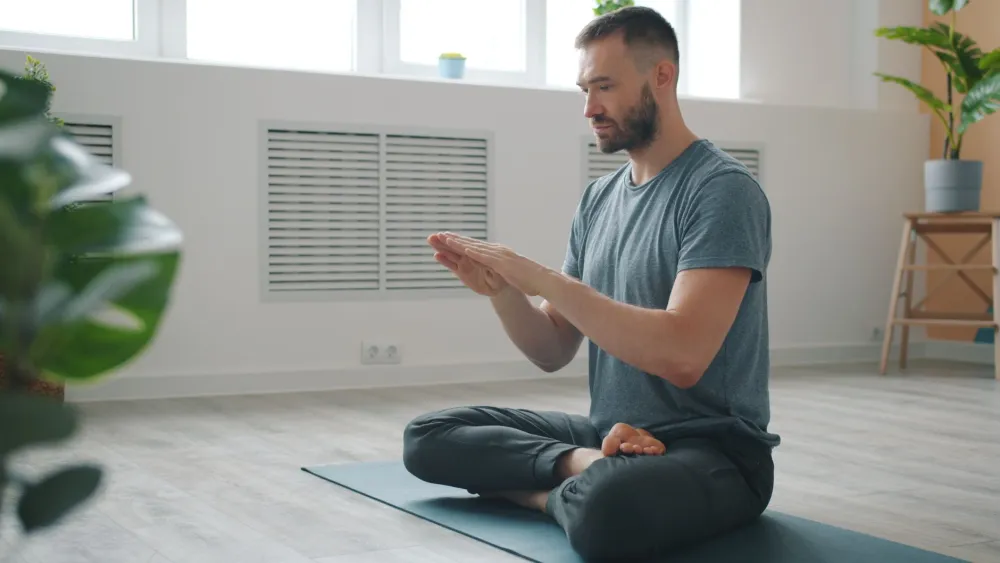
- Mindfulness meditation: Even 10 minutes a day shows measurable effects on cortisol in some studies. Getting started with meditation doesn’t require any mystical framework, just consistency.
- Gentle movement: Yoga and stretching activate the parasympathetic (rest-and-digest) nervous system, which counters the stress response directly.
- Social connection: Research consistently finds that loneliness and social isolation are associated with worse immune outcomes. Even a phone call counts.
- Time in nature: Multiple studies from Japan’s “forest bathing” research tradition suggest that time outdoors reduces cortisol and increases NK cell activity, at least temporarily.
Hydration, Hand-Washing, and the Habits People Skip
Two unsexy habits that deserve far more credit than they get.
Hydration keeps your mucous membranes, the moist linings of your nose, throat, and lungs, functioning properly. Those membranes are your first physical barrier against airborne pathogens. When you’re dehydrated, they dry out and become less effective. According to the Mayo Clinic, healthy adults need about 11.5 to 15.5 cups (2.7 to 3.7 liters) of total fluid a day, including fluid from food and other drinks, though needs vary with body size, activity, and climate. You can find a much deeper breakdown in this guide on how much water you actually need daily.
Hand hygiene is blunt but it works. The CDC cites hand-washing as one of the most effective ways to prevent the spread of respiratory and gastrointestinal illnesses. Twenty seconds with soap and water, especially before eating and after being in public spaces, genuinely reduces transmission. It’s not as marketable as a supplement, but the evidence is rock solid.
And yes, staying current with recommended vaccines belongs on this list. Annual flu vaccines and any CDC-recommended updates for COVID-19 and other respiratory illnesses are the most evidence-backed immune interventions available. No habit, food, or supplement comes close to the protection level that well-matched vaccines provide.
What a Realistic Immune-Support Routine Actually Looks Like
You don’t need a 90-minute morning routine or a $200 supplement stack. Here’s what a reasonable, evidence-informed day looks like:
When Should You See a Doctor Instead of Adjusting Your Habits?
Lifestyle habits genuinely support immune health over time, but they’re not a substitute for medical care when something is wrong. See a doctor promptly if you notice persistent fever lasting more than a few days, unexplained weight loss, recurrent infections that won’t resolve, or extreme fatigue that doesn’t improve with rest. These can signal underlying immune or other medical conditions that need proper evaluation.
If you experience chest pain, difficulty breathing, sudden severe headache, or numbness and weakness, those are red-flag symptoms that call for immediate medical attention, not a blog article. Get checked out.
It’s also worth noting that certain populations, including people with autoimmune conditions, those on immunosuppressant medications, older adults, and people going through chemotherapy, have immune systems that behave very differently. The habits here are general population guidance. If you have a specific health condition, your doctor or a registered dietitian should help you personalize your approach. The team at Better Life Carez consistently points readers toward credentialed guidance for anything that goes beyond general wellness.
For a broader look at getting ahead of respiratory illness season specifically, the guide on flu season prep and immune health covers practical steps to take before the season peaks.
FAQ
The Bottom Line
The daily habits that genuinely support your immune system are not complicated or expensive, but they do require consistency. Sleep 7 to 9 hours, eat a vegetable-rich diet with adequate protein, move your body moderately most days, manage chronic stress, stay hydrated, wash your hands, and keep your vaccines current. Research supports all of these, and none of them require a supplement aisle trip. Most immune-boosting products have far weaker evidence than their labels imply. Start with the basics, do them consistently for two to three weeks, and you’ll likely notice the difference before cold season peaks.
This article is for informational purposes only and is not a substitute for professional medical advice, diagnosis, or treatment. Always consult a qualified healthcare provider about your specific situation. If you experience severe or sudden symptoms, seek medical care immediately.
Sources

Everyday Health and Wellness
Browse every related article on this topic in one place.







1 thought on “Daily Habits That Genuinely Support Immunity (Science-Backed)”
Comments are closed.