

GLP-1 drugs, a class of medicines first developed for type 2 diabetes, have become one of the biggest stories in medicine. Semaglutide and tirzepatide now rank among the top-selling drugs in the world, and their use for weight loss has changed how doctors treat obesity.
- What Are GLP-1 Drugs, Exactly?
- How Big Is the GLP-1 Market?
- How Do GLP-1 Drugs Actually Work in Your Body?
- GLP-1 Drugs vs. Other Weight-Loss Options: A Comparison
- The Side Effects Nobody's Advertising
- Common Myths About GLP-1 Drugs
- What Can You Actually Expect Week by Week?
- Beyond Weight Loss: What Else Is Being Studied?
- Who Should Talk to Their Doctor About GLP-1 Drugs?
- FAQ
- The Bottom Line
What Are GLP-1 Drugs, Exactly?
GLP-1 stands for glucagon-like peptide-1 (say it: gloo-KAH-gon-like PEP-tide-1). It’s a hormone your gut releases naturally after you eat a meal. Its job is to signal your pancreas to release insulin, tell your liver to slow glucose production, and, crucially, send your brain a “you’re full” message. Natural GLP-1 breaks down within minutes, so its signal is short-lived.
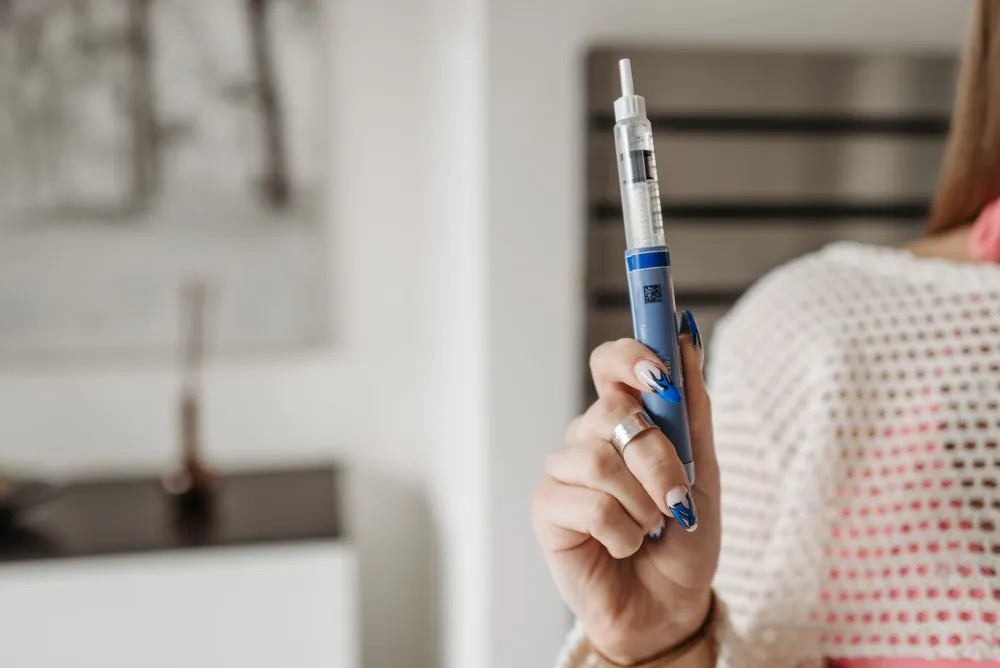
GLP-1 receptor agonists, the technical name for this drug class, are molecules that attach to the same receptors that natural GLP-1 uses, but they stick around much longer. Drugs like semaglutide (sold as Ozempic for diabetes and Wegovy for weight loss) and tirzepatide (Mounjaro, Zepbound) can remain active for a full week after a single injection. That sustained signal is where much of the effect comes from.
The FDA has approved several of these medications for type 2 diabetes management, and a growing number specifically for chronic weight management in adults who meet certain body mass index (BMI) thresholds. Your doctor is the right person to tell you whether you’d qualify.
How Big Is the GLP-1 Market?
The numbers are genuinely staggering. Market analysts tracking pharmaceutical sales report that semaglutide alone generated tens of billions of dollars in 2025, and newer dual-action drugs like tirzepatide, which targets both GLP-1 and GIP (another gut hormone called glucose-dependent insulinotropic polypeptide), are accelerating that growth further. Analyst forecasts for the whole class vary widely. Most put it at $100 billion or more a year by the early 2030s, and $200 billion sits at the optimistic end of those projections.
Here’s why demand exploded so fast. Clinical trials showed weight loss results that were unprecedented for a non-surgical option. In large trials of semaglutide, participants lost an average of roughly 15 percent of their body weight over about 68 weeks. Tirzepatide trials showed averages closer to 20 percent for some doses. For context, older prescription weight-loss drugs typically produced 5-7 percent. That gap is enormous in clinical terms.
Beyond weight, researchers began observing something unexpected: people on these medications also showed reductions in cardiovascular events like heart attacks and strokes. The SELECT trial, a large cardiovascular outcomes study of semaglutide, followed more than 17,500 adults with overweight or obesity and existing heart disease but no diabetes. Semaglutide cut heart attacks, strokes and cardiovascular deaths by 20% compared with placebo. That finding shifted the conversation from “weight-loss drug” to something with far broader medical implications.
How Do GLP-1 Drugs Actually Work in Your Body?
Think of it this way. After a meal, your gut normally sends a short GLP-1 signal that says, “Okay, food arrived, pump some insulin, slow the stomach down a bit, tell the brain we’re good.” Then the signal fades. GLP-1 drugs essentially hold that signal on for days at a time.
The effects stack up across multiple systems at once:
- Appetite suppression: The brain’s hunger centers receive a sustained “I’m full” signal, so the intense urge to eat, especially the kind driven by cravings, becomes quieter for many people.
- Slowed stomach emptying: Food moves out of your stomach more slowly, which extends the feeling of fullness after smaller meals.
- Blood sugar regulation: Insulin release is stimulated after meals, and the liver is signaled to release less glucose when it’s not needed.
- Possible brain effects: Emerging research suggests GLP-1 receptors in the brain may influence reward pathways, which could explain reports from some users that cravings for alcohol and other compulsive behaviors also decrease. This is still being studied carefully.
If you’re curious about the mental health angle, the research there is particularly interesting. There’s a separate, detailed look at how GLP-1 weight loss injections may affect mood and mental health that’s worth reading alongside this one.

GLP-1 Drugs vs. Other Weight-Loss Options: A Comparison
It helps to see where GLP-1 medications actually sit relative to the other options doctors have available. Here’s a straightforward comparison based on current clinical evidence:
| Option | Avg. Weight Loss | Delivery | Key Consideration |
|---|---|---|---|
| Lifestyle changes alone | 3-5% of body weight | Diet + exercise | Sustainable; hardest to maintain long-term |
| Older Rx weight-loss drugs | 5-7% of body weight | Daily oral pill | Limited cardiovascular data |
| GLP-1 drugs (semaglutide) | ~15% of body weight | Weekly injection | Strong cardiovascular trial data |
| Dual GLP-1/GIP drugs (tirzepatide) | ~20% of body weight | Weekly injection | Newer; ongoing long-term studies |
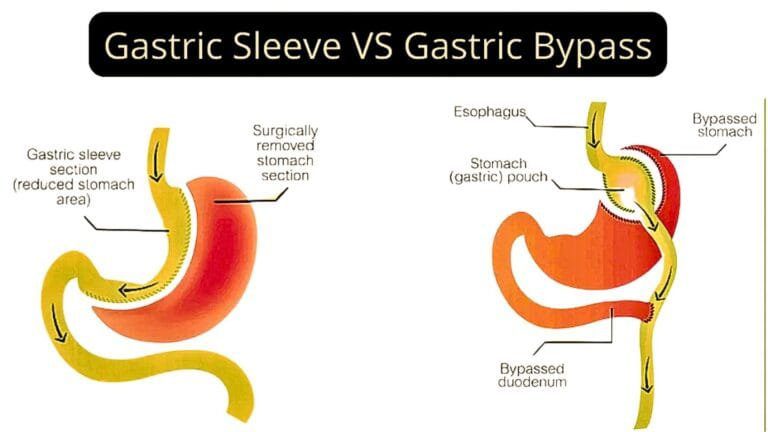
| Bariatric surgery | 25-35% of body weight | One-time procedure | Highest efficacy; surgical risks apply |
For a deeper comparison of surgical alternatives, the breakdown of gastric sleeve vs. gastric bypass surgery covers what those procedures involve and who they’re right for.
The Side Effects Nobody’s Advertising
The marketing around these medications can make them sound almost consequence-free. They’re not. Most people starting GLP-1 drugs experience gastrointestinal side effects, especially in the early weeks as the dose is gradually increased.
Nausea is the most common complaint, reported by a substantial portion of trial participants. Vomiting, diarrhea, and constipation also show up frequently. For most people, these symptoms improve after a few weeks as the body adjusts. But for some, they’re significant enough to lead to stopping the medication.
There are rarer but more serious concerns too. A small number of people have reported pancreatitis (inflammation of the pancreas), and animal studies showed thyroid tumors in rodents at high doses, which is why these medications carry a warning about a potential thyroid cancer risk in humans. The actual human risk remains under study, and the FDA has included it as a boxed warning. Anyone with a personal or family history of medullary thyroid cancer or a condition called MEN2 (multiple endocrine neoplasia type 2) should not use these drugs.
Severe or persistent abdominal pain, yellowing of the skin or eyes, or vision changes while on these medications are reasons to call your doctor promptly, not wait until your next scheduled visit.

Common Myths About GLP-1 Drugs
Bad information about these medications travels fast. Here’s what the evidence actually says on the questions people search most.
Myth: “They’re just a shortcut for people who won’t try.” The research doesn’t support this framing. Obesity is recognized by the American Medical Association and the CDC as a complex chronic disease influenced by genetics, metabolism, hormones, and environment. Many people who qualify for GLP-1 therapy have tried lifestyle interventions repeatedly. These medications address biological mechanisms that willpower alone can’t override.
Myth: “You can stop once you hit your goal weight.” Clinical trial data is pretty clear here: most people regain a significant portion of lost weight after stopping the medication. The research published in medical journals has consistently shown that these drugs need to be continued long-term to maintain results, similar to how blood pressure medication works. That’s a financial and practical reality worth discussing with your doctor upfront.
Myth: “The compounded versions from online pharmacies are the same thing.” They may contain the same active ingredient, but compounded versions are not FDA-approved, are not subject to the same manufacturing quality controls, and have been associated with dosing errors and contamination in some reports. The FDA has issued warnings about this. If you’re prescribed a GLP-1 medication, your doctor or pharmacist can guide you to legitimate sources.
Myth: “Anyone can get them.” Current FDA approvals for weight management are specific. You generally need a BMI of 30 or above, or a BMI of 27 or above with at least one weight-related health condition like high blood pressure, type 2 diabetes, or high cholesterol. A prescribing physician makes that determination, not a telehealth questionnaire alone.
What Can You Actually Expect Week by Week?
If you and your doctor decide GLP-1 therapy is appropriate for you, here’s a realistic sense of what the early weeks tend to look like based on clinical trial data and commonly reported patient experiences.

Beyond Weight Loss: What Else Is Being Studied?
This is where it gets genuinely interesting. Researchers are now investigating GLP-1 drugs for a wide range of conditions beyond obesity and diabetes.
Some of these uses are already approved: tirzepatide (Zepbound) for moderate to severe obstructive sleep apnea in adults with obesity, semaglutide (Ozempic) to lower kidney and heart risks in people with type 2 diabetes and chronic kidney disease, and semaglutide (Wegovy) for the liver disease MASH. Research continues in other areas. In Alzheimer's disease, two large semaglutide trials (EVOKE and EVOKE+) did not slow decline. Some of the most intriguing early data involves addiction medicine, with small trials suggesting these medications may reduce cravings for alcohol, nicotine, and opioids. None of this is settled science yet, but the breadth of the research pipeline helps explain why the market projections are so large.
The gut-brain connection is central to a lot of this. Your digestive system and your brain are in constant two-way communication through what researchers call the gut-brain axis, and GLP-1 receptors appear throughout both systems. For more on how gut health shapes how you feel and function, the piece on stress and gut health offers useful context on that two-way relationship.
Who Should Talk to Their Doctor About GLP-1 Drugs?
If you have a BMI above 30, or above 27 with a related health condition like high blood pressure or type 2 diabetes, GLP-1 medications are worth bringing up at your next appointment. Same if you have established cardiovascular disease and are living with obesity, given the cardiovascular outcome data.
But there are people for whom these drugs are not appropriate. Pregnant individuals should not use them. People with a personal or family history of medullary thyroid carcinoma or MEN2 syndrome should not use them. And anyone with a history of severe gastrointestinal conditions, pancreatitis, or eating disorders should have a careful conversation with their doctor about whether the risk-benefit calculation makes sense. The CDC’s chronic disease resources offer good background on the conditions these medications are most often used to treat.
Cost and access are real barriers too. Without insurance coverage, these medications can cost $1,000 or more per month. Coverage varies widely by plan, and prior authorization is common. Manufacturer savings programs exist but have income and insurance eligibility limits. It’s a conversation worth having with both your doctor and your insurer before starting.
Eating patterns matter throughout treatment. Choosing foods that support stable blood sugar and adequate protein makes a meaningful difference in outcomes. Something like the ideas in this guide to 80 healthy breakfast ideas can give you a practical starting point for building those habits, whether or not you’re on medication.
FAQ
The Bottom Line
GLP-1 drugs represent a genuinely significant shift in how medicine approaches obesity and metabolic disease. The clinical evidence for weight loss and cardiovascular protection is among the strongest seen for any non-surgical intervention in these conditions. That said, they are prescription medications with real side effects, real costs, and a need for long-term use to maintain results. They work best when combined with lifestyle changes, not instead of them. If you think you might be a candidate, the most useful thing you can do today is write down your questions and bring them to your next doctor’s visit. No blog can replace that conversation.
This article is for informational purposes only and is not a substitute for professional medical advice, diagnosis, or treatment. Always consult a qualified healthcare provider about your specific situation. If you experience severe or sudden symptoms, seek medical care immediately.
Sources
- New England Journal of Medicine: Semaglutide and Cardiovascular Outcomes in Obesity without Diabetes (SELECT)
- American Heart Association: Major CVD event risk cut by 20%

Weight Loss and Nutrition
Browse every related article on this topic in one place.