
You started a GLP-1 medication like semaglutide or tirzepatide and the scale is finally moving. But something else might be moving with it, your muscle. And that matters more than most people realize.
- Why GLP-1 Medications Can Shrink More Than Fat
- What Does Muscle Loss Actually Feel Like?
- How Much Muscle Loss Is Typical on GLP-1 Drugs?
- The Protein Problem: Are You Eating Enough?
- Why Resistance Training Is Non-Negotiable
- Myths About GLP-1 and Muscle Loss
- Sleep, Stress, and the Hormones Working Against You
- When Should You Talk to a Doctor or Dietitian?
- A Realistic Week-by-Week Expectation
- FAQ
- The Bottom Line
Why GLP-1 Medications Can Shrink More Than Fat
GLP-1, which stands for glucagon-like peptide-1 (a hormone your gut naturally produces to regulate appetite and blood sugar), is the mechanism behind popular medications like semaglutide and tirzepatide. These drugs mimic that hormone, slowing digestion and dialing down hunger signals in the brain. The result? Most people eat significantly less, often without even trying to.
Here’s the catch. When your body is running on fewer calories than it needs, it doesn’t just pull from fat stores. It also breaks down muscle tissue for energy. This process, called catabolism (the breakdown of body tissues for fuel), becomes more likely when calorie intake drops fast and protein intake doesn’t keep up.
A 2023 clinical analysis of major GLP-1 trials found that in some study participants, lean mass loss accounted for a notable share of total weight lost. The exact percentage varied depending on whether participants exercised, but the pattern showed up consistently enough to get researchers paying close attention.
What Does Muscle Loss Actually Feel Like?
Most people don’t notice it right away. The scale drops, clothes fit better, and things feel positive. But over weeks or months, you might start noticing fatigue that feels out of proportion to your activity level. You might feel weaker opening a jar, climbing stairs, or getting up off the floor. Some people notice their arms and legs looking slimmer but softer, even as their weight drops.
These aren’t always signs of a problem, but they can be. Muscle weakness and fatigue that get worse over time are worth discussing with your doctor, especially if you’re on a GLP-1 medication and losing weight quickly.
There’s also a longer-term concern that doesn’t show up in how you feel day-to-day: bone density. Muscle and bone support each other. Significant muscle loss over time is associated with reduced bone strength, which becomes especially relevant for women over 40 and anyone with risk factors for osteoporosis. The Mayo Clinic notes that maintaining muscle mass through strength training is one of the most effective strategies for protecting bone health across age groups.
How Much Muscle Loss Is Typical on GLP-1 Drugs?
The research is still evolving, and the numbers vary quite a bit depending on the study design, the specific medication, and what participants were doing outside of taking the drug. That said, some general patterns have emerged as of mid-2026.
In trials where participants did not follow a structured exercise program, lean mass loss sometimes made up 25 to 40 percent of total weight lost. In trials where participants combined GLP-1 therapy with resistance training and higher protein intake, lean mass was much better preserved, with fat making up a larger proportion of the weight lost.
That gap is significant. It’s essentially the difference between losing mostly fat (what you want) and losing a mix of fat and muscle (what you’re trying to avoid).
| Scenario | Estimated Lean Mass Lost | Fat Lost as % of Total | Metabolic Impact |
|---|---|---|---|
| GLP-1 alone, no exercise | Higher (25-40% of loss) | Lower | Significant metabolic slowdown |
| GLP-1 plus cardio only | Moderate | Moderate | Some protection |
| GLP-1 plus resistance training | Lower | Higher | Better metabolic preservation |
| GLP-1 plus resistance + high protein | Lowest | Highest | Best outcome in research so far |
These figures are approximate and based on research trends, not a single definitive study. Your actual results will depend on factors like your starting body composition, age, and how your body responds to the medication.
The Protein Problem: Are You Eating Enough?
Protein is the raw material your body uses to build and maintain muscle tissue. On a GLP-1 medication, most people eat less overall. That’s the point. But if protein drops too low along with total calories, muscle breakdown accelerates.
Many registered dietitians working with GLP-1 patients now recommend prioritizing protein at every meal rather than treating it as an afterthought. General guidance from sports nutrition and clinical nutrition experts suggests aiming for roughly 0.7 to 1 gram of protein per pound (about 1.5 to 2.2 grams per kilogram) of body weight daily. For someone weighing 180 pounds (82 kg), that’s around 126 to 180 grams of protein a day. That can feel like a lot when GLP-1 has cut your appetite significantly.
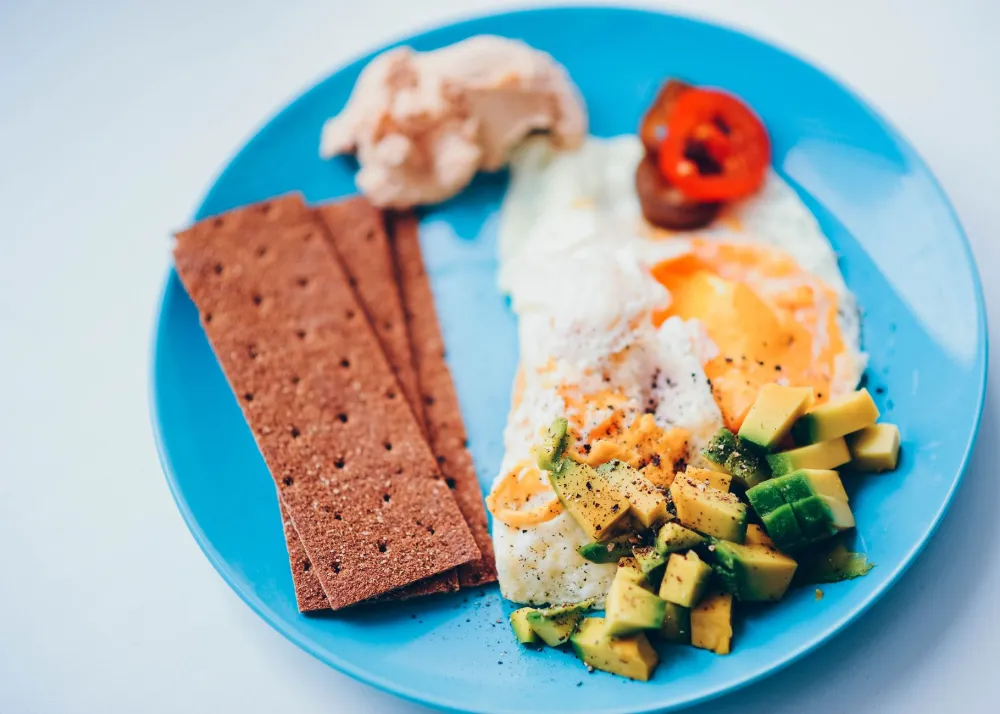
Practical strategies that many people find helpful include eating protein first at each meal (before vegetables or carbohydrates), choosing protein-dense foods that don’t take up a lot of stomach volume, and distributing protein across three to four smaller meals rather than loading it all into one sitting. Foods like eggs, Greek yogurt, cottage cheese, canned fish, chicken breast, tofu, and edamame tend to deliver a lot of protein in a compact amount of food. For more meal ideas that work around this approach, the 80 healthy breakfast ideas guide on this site has plenty of protein-forward options to get you started.

Why Resistance Training Is Non-Negotiable
Resistance training, also called strength training or weight training, is the single most effective tool for preserving muscle during a calorie deficit. It works by sending a signal to your body that your muscles are needed, which discourages the breakdown of muscle tissue for fuel.
You don’t need to become a bodybuilder. Research consistently shows that two to three sessions per week, each lasting 30 to 45 minutes, can make a meaningful difference in how much lean mass you hold onto during weight loss. The key is that you’re actually challenging the muscles, not just moving through the motions. That means the last two or three reps of each set should feel genuinely hard.
Here’s what a basic muscle-preserving routine might look like in practice:
If you’re new to resistance training or dealing with joint issues, a session or two with a certified personal trainer can help you build a safe starting point. And if back or joint pain has been holding you back from exercise, the spinal decompression therapy and back pain relief guide on this site offers context on managing discomfort so you can get moving.
Myths About GLP-1 and Muscle Loss
There’s a lot of noise around this topic. Let’s clear up a few things the evidence does not actually support.
Myth: Cardio is enough to protect muscle. Cardio exercise burns calories and improves cardiovascular health, but it doesn’t provide a strong signal to maintain muscle mass the way resistance training does. Walking on a treadmill five days a week while eating very little protein is not a muscle-preservation strategy.
Myth: High protein diets are dangerous for your kidneys. For healthy adults without pre-existing kidney disease, research does not support this concern. The Harvard Health publishing team notes that the evidence for protein harming healthy kidneys is weak. If you have kidney disease or reduced kidney function, talk to your doctor before increasing protein significantly.
Myth: Supplements like BCAAs will make up for skipping resistance training. Branched-chain amino acids (BCAAs) are often marketed for muscle preservation. The honest answer is that the evidence for BCAAs being useful when you’re already getting enough total protein is modest at best. Getting adequate total protein from whole foods is likely more effective than adding BCAA supplements on top of an otherwise poor diet. Remember too that supplements are not tightly regulated by the FDA and can interact with medications.
Myth: Once you stop GLP-1, the muscle comes back on its own. Weight regain after stopping GLP-1 medications is well-documented. But the weight that returns tends to be fat, not muscle. The lean mass you lost doesn’t automatically come back without the same resistance training and protein strategies.

Sleep, Stress, and the Hormones Working Against You
Two factors that rarely get discussed in GLP-1 conversations but matter more than most people realize are sleep and stress.
When you’re sleep-deprived, your body produces more cortisol (the stress hormone). Elevated cortisol is directly associated with muscle breakdown. Aim for seven to nine hours of sleep per night as consistently as you can manage, yes, even on weekends. Poor sleep also drives hunger hormones in the wrong direction, making it harder to hit protein targets the next day.
Chronic stress creates a similar hormonal environment. Research has shown that stress and gut health influence each other in ways that affect metabolism and absorption of nutrients. Managing stress through whatever actually works for you, whether that’s a 20-minute walk, consistent sleep, or talking to a therapist, isn’t a nice-to-have. It’s part of protecting your body composition. For a deeper look at how stress affects your gut and metabolism, the piece on stress and gut health on this site covers the science clearly.
When Should You Talk to a Doctor or Dietitian?
If you’re on a GLP-1 medication for weight loss or type 2 diabetes management, keeping your prescribing doctor in the loop about your goals around muscle preservation is genuinely important. Ask about getting a DEXA scan (a type of body composition scan that measures fat versus lean mass) at baseline and periodically during treatment. It’s the most accurate way to track what you’re actually losing.
A registered dietitian who has experience with GLP-1 therapy can be a real asset in figuring out how to hit protein targets within your reduced appetite. They can also help make sure you’re getting enough micronutrients, since eating less overall means you’re at higher risk for deficiencies in things like vitamin D, B12, iron, and zinc.
Seek prompt medical attention if you notice severe fatigue, significant muscle weakness, rapid unexplained weight loss beyond what your doctor has discussed with you, or any new symptoms like chest discomfort or sudden shortness of breath. Those are not side effects to wait out at home.
A Realistic Week-by-Week Expectation
Here’s what the first few weeks of a muscle-protective GLP-1 approach might actually look like for many people, in honest terms.
Weeks 1 to 2: Resistance training feels harder than expected because your calorie intake has dropped. That’s normal. Focus on consistency over intensity. Hit your protein target even if you have to eat it in small amounts spread through the day. You probably won’t feel a dramatic difference yet.
Weeks 3 to 4: Your body starts adapting. Workouts may feel a little easier. Many people notice their energy is more stable. Weight on the scale may still be dropping, but body composition measurements (if you’re tracking them) may start showing a better fat-to-muscle ratio.
Weeks 5 and beyond: This is where the compound effect starts to show. People who stuck with resistance training and protein through the early uncomfortable weeks tend to report better strength, better energy, and weight loss that looks more like fat loss when they look in the mirror. Progress is rarely linear, but the trend is real.
FAQ
The Bottom Line
Losing muscle on GLP-1 medications is a real risk, not a minor footnote. But it’s also largely preventable with the right approach. Resistance training two to three times per week and consistently hitting your protein target are the two most evidence-backed strategies for preserving lean mass during GLP-1-driven weight loss. Sleep, hydration, and stress management support those efforts in ways that compound over time. Talk to your doctor about tracking body composition, not just body weight, so you know what you’re actually losing. The goal isn’t just a lower number on the scale. It’s a body that’s leaner, stronger, and metabolically healthier for the long run.
This article is for informational purposes only and is not a substitute for professional medical advice, diagnosis, or treatment. Always consult a qualified healthcare provider about your specific situation. If you experience severe or sudden symptoms, seek medical care immediately.

2 thoughts on “Losing Muscle on GLP-1? Protect Your Metabolism Now”
Comments are closed.