It’s 2 AM, you’re curled around a heating pad, and you’ve typed your symptoms into your phone for the third time. Lower belly pain sends a lot of women down that search, and most of the time the cause is ordinary, like period cramps or a cranky gut. A few causes can’t wait, though, and this guide shows you how to tell which is which.
- What counts as lower abdominal pain?
- What causes lower abdominal pain in women?
- Common causes at a glance
- Does where it hurts tell you anything?
- When is lower abdominal pain serious?
- How can you ease mild lower abdominal pain at home?
- How do doctors figure out the cause?
- Myths vs facts about pelvic pain
- What if the pain keeps coming back?
- FAQ
- The Bottom Line
What counts as lower abdominal pain?
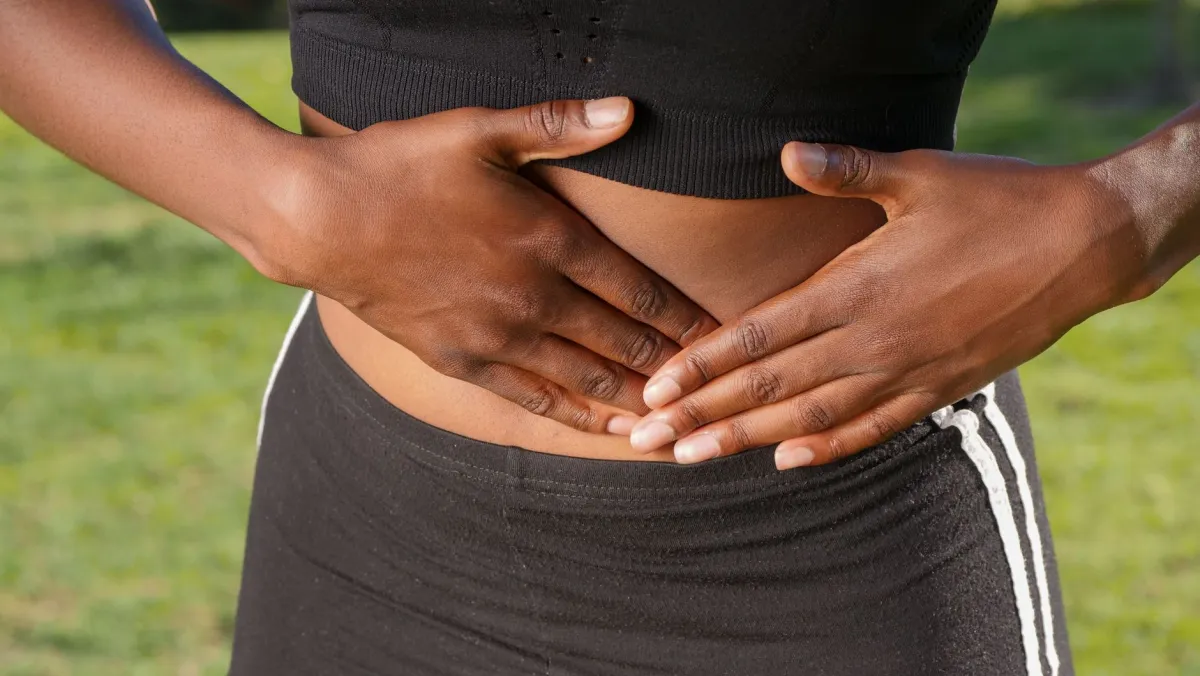
Lower abdominal pain is any pain, cramping, pressure or aching between your belly button and your pubic bone. Doctors often use the term pelvic pain for the lowest part of that zone, and the two overlap a lot.
Why is this area so confusing? In women, that small stretch holds the uterus, both ovaries, the fallopian tubes (the thin tubes that carry eggs from the ovaries to the uterus), the bladder, the appendix and several loops of intestine. A problem in any one of them can feel a lot like a problem in another.
Doctors also sort pain by timing. Acute pain starts suddenly or recently. Chronic pelvic pain usually means pain that has lasted about six months or longer, whether it’s constant or comes and goes.
Before you read on, open the notes app on your phone and jot down four things: where it hurts, when it started, where you are in your menstrual cycle, and what makes it better or worse. Those answers will help you make sense of every section below. If you want the broader picture beyond women-specific causes, our general guide to lower abdominal pain causes and diagnosis covers it.

What causes lower abdominal pain in women?
Most lower abdominal pain in women traces back to one of three body systems: the reproductive organs, the urinary tract or the digestive tract. The ten causes below are the ones doctors see most often, listed roughly from everyday to urgent.
1. Period cramps (primary dysmenorrhea)
Period cramps, known medically as primary dysmenorrhea, are the most frequent source of lower abdominal pain during the reproductive years. The lining of the uterus releases prostaglandins, hormone-like chemicals that make the uterus contract so it can shed that lining.
The pain is usually a dull, throbbing or cramping ache low in the belly that can spread to the lower back and thighs. It often starts a day or two before bleeding or right as it begins, and for many people it eases within two to three days. Cramps that worsen over time, or that show up for the first time later in life, deserve a closer look, because conditions like endometriosis or fibroids can cause what doctors call secondary dysmenorrhea.
2. Ovulation pain (mittelschmerz)
Ovulation pain, also called mittelschmerz (German for middle pain), is a one-sided twinge or ache around the middle of your cycle, when an ovary releases an egg. It can feel sharp or dull, and it may switch sides from month to month.
It typically lasts from a few minutes to a day or two. Some people notice light spotting or a change in vaginal discharge at the same time. If you can predict it on your calendar, that’s reassuring. If it’s severe or lingers, mention it to your doctor.
3. Ovarian cysts
Ovarian cysts are fluid-filled sacs on or in an ovary. Most are functional cysts that form during a normal cycle and fade on their own within a few cycles, and many cause no symptoms at all.
Larger cysts can bring a dull ache or a feeling of fullness on one side, plus bloating or pain during sex. The bigger concern is a cyst that bursts, or ovarian torsion, when the ovary twists and cuts off its own blood supply. Torsion usually causes sudden, severe one-sided pain, often with nausea or vomiting. It’s an emergency.
4. Endometriosis
Endometriosis is a condition where tissue similar to the lining of the uterus grows outside the uterus, on places like the ovaries, the outer wall of the uterus or the bowel. The World Health Organization estimates it affects roughly 10% of women and girls of reproductive age worldwide.
The classic clues are period pain bad enough to make you miss work or school, pain during or after sex, painful bowel movements or peeing during your period, and sometimes trouble getting pregnant. Diagnosis can take years, partly because severe cramps get written off as normal. The toll isn’t only physical, and our look at endometriosis and mental health covers what research shows about that side of it.
5. Uterine fibroids
Uterine fibroids are noncancerous growths of muscle tissue in or on the wall of the uterus. They’re very common, especially in a woman’s 30s and 40s, and many never cause problems.
When they do, the usual symptoms are pressure or heaviness in the pelvis, needing to pee often, constipation, a lower backache, and long or heavy periods. If soaking through pads or tampons is part of your picture, our guide to heavy periods and when to see a doctor walks through the next steps.
6. Pelvic inflammatory disease (PID)
Pelvic inflammatory disease (PID) is an infection of the uterus, fallopian tubes or ovaries, most often triggered by sexually transmitted infections such as chlamydia or gonorrhea. According to the CDC, untreated PID can cause scarring that raises the risk of ectopic pregnancy, infertility and long-term pelvic pain.
Symptoms can be surprisingly mild: an achy pain low on both sides, unusual discharge, pain during sex, bleeding between periods, or a fever. Because some cases are subtle, new pelvic pain plus unusual discharge is a good reason to get tested. PID is treated with antibiotics, and starting early matters.
7. Urinary tract infections and kidney stones
A urinary tract infection (UTI) is a bacterial infection of the bladder or urethra. Women get them far more often than men, largely because the female urethra is shorter. A bladder infection usually feels like pressure or cramping just above the pubic bone.
The giveaways are burning when you pee, needing to go constantly, cloudy or strong-smelling urine, and sometimes blood in the urine. If the pain moves into your back or side, or you develop fever, chills or vomiting, the infection may have reached the kidneys, which needs prompt care. Kidney stones can feel similar: waves of intense pain in the side or back that spread down toward the groin.
8. Gut trouble: constipation, gas and IBS
Digestive problems are among the most overlooked causes of lower abdominal pain. They’re often the answer when the pain doesn’t line up with your cycle. Constipation, trapped gas and irritable bowel syndrome (IBS), a common disorder in how the gut and brain communicate, can all cause cramping low in the belly.
Clues that point to your gut: the pain eases after a bowel movement, it comes with bloating or changes in your stools, or it flares after certain meals or stressful weeks. IBS symptoms can also worsen around periods, which muddies the picture. Stress plays a real role, as our piece on stress and gut health explains. In older adults, diverticulitis (inflammation of small pouches in the colon wall) is a common cause of lower left pain with fever.
9. Appendicitis
Appendicitis is inflammation of the appendix, and it’s a surgical emergency. The classic pattern is a vague ache around the belly button that moves to the lower right side and gets steadily sharper over several hours.
It often comes with loss of appetite, nausea, vomiting and a low fever. The pain tends to spike when you cough, walk or hit a bump in the car. Plenty of people don’t follow the textbook pattern, which is why worsening lower right pain should be checked the same day.
10. Pregnancy and ectopic pregnancy
Mild cramping can happen in early pregnancy as the uterus grows. One-sided pain in early pregnancy, though, can also signal an ectopic pregnancy, where a fertilized egg implants outside the uterus, usually in a fallopian tube. An ectopic pregnancy can’t continue normally and can cause life-threatening internal bleeding.
Warning signs include sharp one-sided pain, vaginal bleeding, shoulder-tip pain, dizziness or fainting. If there’s any chance you could be pregnant and you have new lower abdominal pain, take a pregnancy test and call your doctor. Our guide to ectopic pregnancy symptoms and treatment goes into more depth.
A handful of other conditions round out the list. Adenomyosis (when uterine lining tissue grows into the muscle wall of the uterus), painful bladder syndrome, hernias and tight pelvic floor muscles can all cause pain in this area. Rarely, ovarian or colon cancer shows up as persistent bloating, feeling full quickly, or unexplained weight loss. Those symptoms always deserve a doctor’s visit.
Common causes at a glance
The fastest way to compare these causes is by how the pain feels, when it shows up and how urgent it tends to be. Use this table as a rough map, not a diagnosis. Many conditions overlap, and only an exam and tests can confirm the cause.
| Cause | How it often feels | Typical timing | How urgent |
|---|---|---|---|
| Period cramps | Cramping ache, both sides | Just before or during period | Usually manageable at home |
| Ovulation pain | One-sided twinge | Mid-cycle, up to two days | Usually harmless |
| Ovarian cyst | Dull one-sided ache, fullness | Varies; can turn sudden | Emergency if sudden and severe |
| Endometriosis | Deep, severe cramps | Around periods and sex | See a doctor soon |
| Fibroids | Pressure, heaviness | Ongoing, with heavy periods | See a doctor soon |
| PID | Achy pain, unusual discharge | Days to weeks | Prompt care needed |
| UTI | Pressure above pubic bone | Builds over a day | Same-day or next-day care |
| Gut issues | Cramping, bloating | Linked to meals or stools | Usually not urgent |
| Appendicitis | Navel pain moving lower right | Worsens over hours | Emergency |
| Ectopic pregnancy | Sharp, one-sided | Early pregnancy | Emergency |
Look at the last column first. Pain that’s familiar, predictable and tied to your cycle usually sits at the calmer end. Pain that’s new, sudden, one-sided and getting worse sits at the other.
Does where it hurts tell you anything?
Where the pain sits offers useful clues, but location alone can’t confirm a cause, because several organs share the same neighborhood. Doctors combine location with timing, your cycle and other symptoms.
- Lower right side: appendicitis, a right ovarian cyst or torsion, ectopic pregnancy, or a kidney stone.
- Lower left side: constipation, diverticulitis, a left ovarian cyst, or ectopic pregnancy.
- Center, above the pubic bone: bladder infection, period cramps or fibroids.
- Both sides or all over: period cramps, PID, endometriosis, IBS or trapped gas.
A sharp, sudden jab feels different from a slow, dull ache. If that’s what you’re dealing with, our guide to sudden stabbing pain in the pelvic area breaks down those specific causes.
When is lower abdominal pain serious?
Lower abdominal pain is serious when it’s sudden and severe, keeps getting worse, or comes with fever, fainting, heavy bleeding or a possible pregnancy. Those signs call for prompt medical care, not another hour of waiting or more searching online.
The Mayo Clinic advises seeking immediate care for abdominal pain that’s severe or comes with fever, bloody stools, persistent nausea and vomiting, or tenderness when you touch your belly. Go to an emergency room or call 911 if you have any of these:
- Sudden, severe pain: pain that makes you double over or can’t sit still.
- Pain plus fever or chills: a possible sign of infection.
- Possible pregnancy: any pain or bleeding with a positive or unknown pregnancy test.
- Fainting or dizziness: especially with a racing heart or pale, clammy skin.
- A hard, rigid belly: or vomiting that won’t stop, or being unable to pass stool or gas.
Chest pain, trouble breathing, or blood in your vomit or stool alongside belly pain are also reasons to get emergency help right away. Don’t drive yourself if you feel faint.
Then there’s the slower category. Book a regular appointment if pain lasts more than a few days, comes back every cycle and disrupts your life, hurts during sex, or arrives with changes in your periods, persistent bloating, a change in bowel habits or unexplained weight loss.
How can you ease mild lower abdominal pain at home?
For mild lower abdominal pain you already recognize, like routine period cramps or constipation, heat, over-the-counter pain relievers, gentle movement and more fiber and water may help. Home care is for familiar, mild pain only, never for severe or unexplained pain.
Heat
A heating pad on a low setting or a warm bath for about 15 to 20 minutes is a simple first move. Several small trials suggest continuous low-level heat may ease period cramps about as well as some over-the-counter pain relievers. Keep a cloth between the pad and your skin, and don’t fall asleep on it.
Over-the-counter pain relievers
Nonsteroidal anti-inflammatory drugs (NSAIDs) such as ibuprofen and naproxen lower prostaglandin levels, which is why many people find them helpful for period cramps. They tend to work best when you take them at the first sign of cramps, not after the pain peaks. Ask a pharmacist which option and dose suits you, especially if you have stomach ulcers, kidney problems, or take blood thinners. And don’t use them to quiet severe pain that hasn’t been checked.
Gentle movement
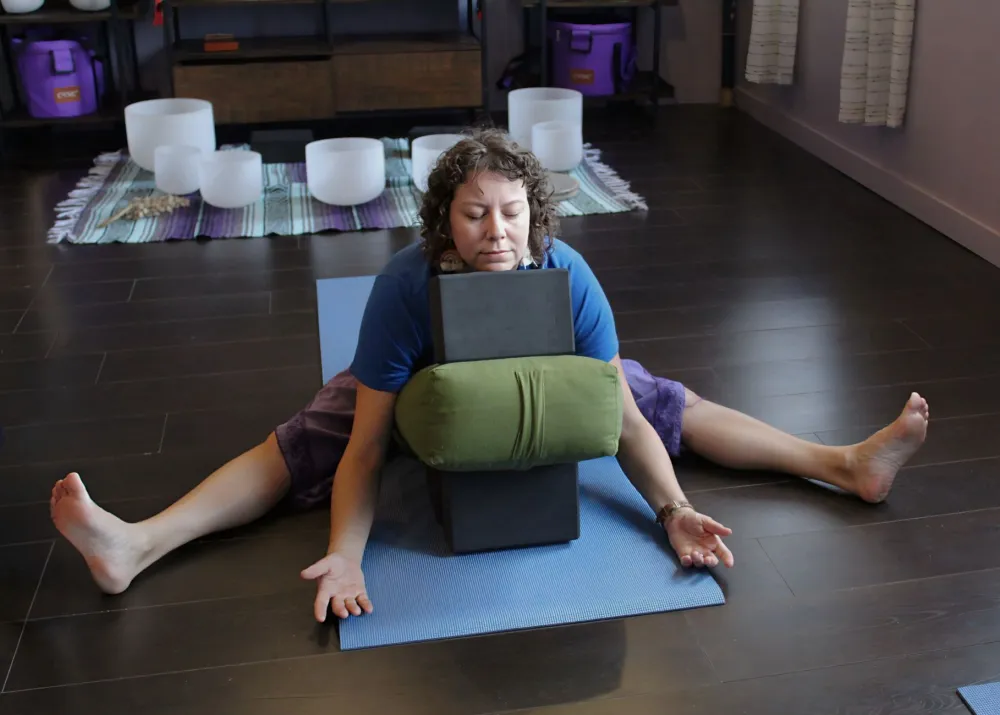
Walking or light stretching may ease cramps and help a sluggish gut get moving. Research on exercise and period pain is generally encouraging, though most studies are small. A slow walk around the block counts.
Fiber, water and a slower pace
If constipation is behind your discomfort, adding fiber slowly through foods like oatmeal, beans, berries and vegetables, plus enough water, may help within a few days. Pile on too much fiber too fast and you’ll get more gas, so build up over a week or two.
What the research does not support
Here’s the catch. Cranberry products may modestly lower the risk of repeat UTIs for some women, but they don’t treat an active infection. That still needs a doctor and usually antibiotics. Supplements like magnesium and ginger have small, mixed studies behind them for cramps. Supplements aren’t tightly regulated in the US and can interact with medications, so check with your doctor or pharmacist first. Don’t take leftover antibiotics.
How do doctors figure out the cause?
Doctors find the cause of pelvic pain by combining your symptom story with a physical exam, quick tests and, when needed, imaging. How many visits it takes varies with the symptoms and the suspected cause, and conditions like endometriosis can take much longer to confirm. Here’s what the process usually looks like.
Want to read up before your appointment? MedlinePlus, the National Library of Medicine’s consumer health site, has plain-language explanations of tests like pelvic ultrasound. Knowing what to expect can make the visit feel a lot less intimidating.
Myths vs facts about pelvic pain
Several common beliefs about pelvic pain keep people from getting help. Here’s what the evidence actually shows.
Myth: Severe period pain is just part of being a woman. Cramps are common, but pain that makes you miss work, school or plans isn’t something you simply have to tolerate. It can point to endometriosis, adenomyosis or fibroids, and treatments exist.
Myth: Right-side pain always means appendicitis. The right ovary, fallopian tube, colon and right kidney all live nearby. Appendicitis is one possibility that needs fast evaluation, not the automatic answer.
Myth: Pelvic pain always comes from the ovaries. The bladder and the gut cause plenty of pain in this area. Constipation alone can produce surprisingly sharp cramps.
Myth: A normal ultrasound means nothing is wrong. Endometriosis often doesn’t show up on ultrasound, and IBS typically has normal imaging. A clear scan rules some things out, but not everything.
Myth: You’d know if you had an STI. Chlamydia frequently causes no symptoms at all, which is how it can quietly progress to PID. Routine testing catches what symptoms miss.

What if the pain keeps coming back?
Recurring or chronic pelvic pain often has more than one contributor, such as endometriosis plus IBS, or a past infection plus tight pelvic floor muscles. Treatment usually works best when each piece is addressed, rather than chasing a single cause.
Depending on the cause, a doctor may suggest hormonal treatments for endometriosis or painful periods, gut-focused care for IBS, or procedures for fibroids. A gynecologist (a doctor who specializes in the female reproductive system) is a good place to start for cycle-linked pain. A gastroenterologist handles digestive causes.
The most practical thing you can do this week is start a symptom diary. Track pain level, location, your cycle day, bowel and bladder changes, food and stress for two or three cycles. Patterns that feel random day to day often become obvious on paper, and that record can save you months of guesswork at the doctor’s office.
One more thing. Long-term pain wears on your mood and sleep, and that’s not a sign of weakness. Mentioning it to your doctor is part of good care, not a side note.
FAQ
The Bottom Line
Lower abdominal pain in women usually comes from everyday causes like period cramps, ovulation, a UTI or a backed-up gut, and mild, familiar pain often responds to heat, rest and over-the-counter relief. Pain that’s sudden, severe, one-sided and worsening, or that comes with fever, fainting, heavy bleeding or a possible pregnancy, needs medical care right away. Cramps that disrupt your life aren’t something to just push through, since conditions like endometriosis and fibroids are treatable. Start today by noting where it hurts, when it happens and how it ties to your cycle, then share that with your doctor.
This article is for informational purposes only and is not a substitute for professional medical advice, diagnosis, or treatment. Always consult a qualified healthcare provider about your specific situation. If you experience severe or sudden symptoms, seek medical care immediately.

Women's Health
Browse every related article on this topic in one place.