

What Is a Stomach Bug, Exactly?
A stomach bug is one of the most common illnesses in the United States, and it’s likely responsible for at least one miserable night you’d rather forget. Medically called viral gastroenteritis, it’s an infection of your stomach and intestines caused by a virus. Here’s the key thing people mix up: it’s not the flu. The flu attacks your respiratory system (lungs, sinuses, throat). A stomach bug attacks your gut.
- What Is a Stomach Bug, Exactly?
- What Actually Causes It?
- How Long Does a Stomach Bug Last?
- The Right Way to Recover at Home
- What to Drink (and What to Skip) When Your Stomach Is Wrecked
- Stomach Bug Myths vs. What the Research Actually Says
- How to Avoid Spreading It to Your Household
- When Does a Stomach Bug Become a Medical Emergency?
- Supporting Your Gut After the Bug Clears
- FAQ
- The Bottom Line
According to the CDC, norovirus alone causes roughly 19 to 21 million illnesses every year in the US, making it the leading cause of foodborne disease outbreaks. It spreads like wildfire through households, schools, cruise ships, and offices, especially between November and April. Outbreaks usually build in late fall and peak in winter, when people spend more time together indoors.
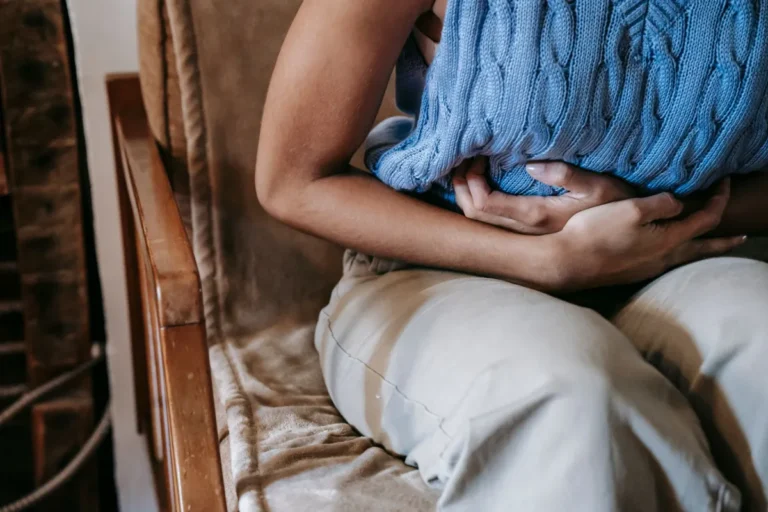
Core symptoms include nausea, vomiting, diarrhea, stomach cramping, and sometimes a low fever. You might also feel muscle aches, which is why people often confuse it with the flu. The telltale difference: your misery is in your gut, not your chest, sinuses, or lungs.

What Actually Causes It?
The usual suspects are viruses: norovirus (the champion of stomach bugs), rotavirus, adenovirus, and astrovirus. Bacteria like Salmonella, Campylobacter, and E. coli cause similar symptoms but often bring higher fevers, worse cramping, and sometimes bloody diarrhea. That distinction matters because it affects whether you need to see a doctor.
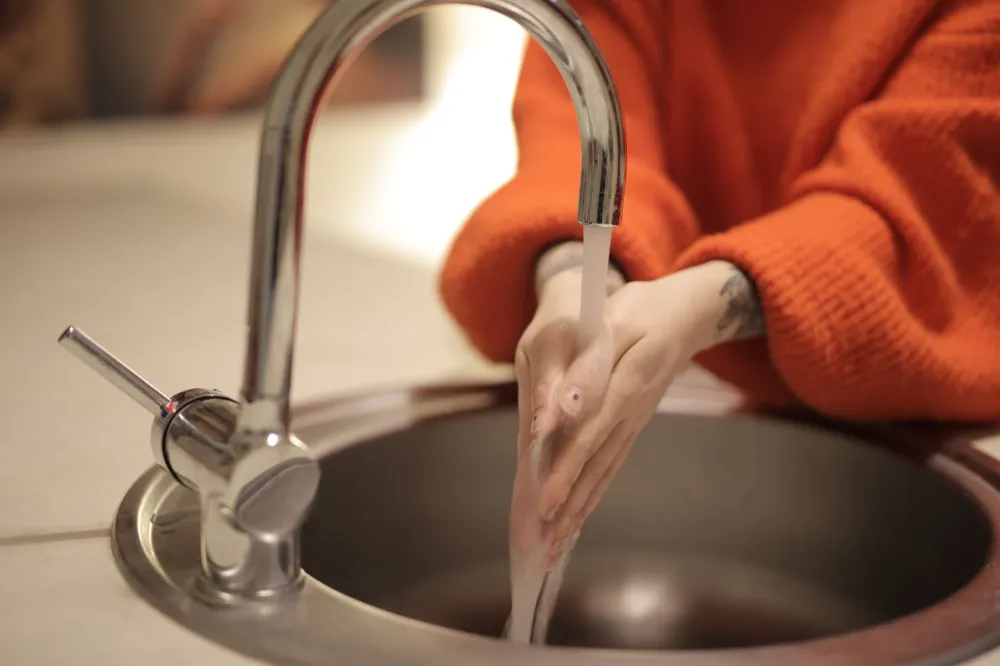
Viruses spread through contaminated food or water, direct contact with an infected person, or touching a contaminated surface and then touching your mouth. Norovirus is particularly tough. It can survive on countertops and doorknobs for days, and it takes only a tiny number of viral particles to make you sick. Here’s the kicker: regular hand sanitizer doesn’t reliably destroy it. Soap and water, scrubbed for at least 20 seconds, is your real defense.
How Long Does a Stomach Bug Last?
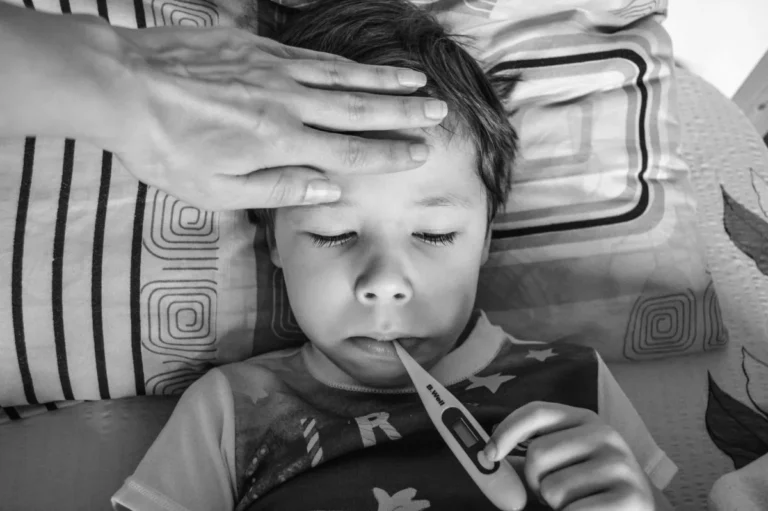
For most healthy adults, viral gastroenteritis clears in 24 to 72 hours. Symptoms tend to peak hard and fast in the first 12 to 24 hours, then gradually ease. You’ll probably feel wrung out and tired for a day or two after vomiting and diarrhea stop. That lingering exhaustion is normal. Your gut lining is irritated, your body burned a lot of energy fighting the virus, and your microbiome (the trillions of bacteria living in your gut) has been temporarily knocked off balance.
Bacterial gastroenteritis can drag on for a week or longer. If your symptoms aren’t improving after 3 days, or you see blood in your stool or vomit, that’s your signal to call a doctor instead of waiting it out.
The Right Way to Recover at Home
Here’s the honest truth: no medication speeds up clearing a stomach virus. Antibiotics don’t work against viruses. What you can control is how well you support your body while it does the fighting. These are the steps the evidence actually backs.
Recovery follows a loose sequence, starting with the most urgent priority:
What to Drink (and What to Skip) When Your Stomach Is Wrecked
Hydration is genuinely the most important thing you can do. But not every drink is equally helpful.
| Drink | Good Choice? | Why |
|---|---|---|
| Oral rehydration solution | Best option | Replaces water, sodium, and potassium lost through vomiting and diarrhea |
| Clear broth | Great | Provides sodium and is easy on the stomach |
| Water | Good | Essential, but lacks electrolytes lost during illness |
| Sports drinks (full strength) | Okay in a pinch | High sugar content may worsen diarrhea; dilute 50/50 with water to help |
| Ginger tea | Reasonable | Research suggests ginger may reduce nausea for some people |
| Caffeinated coffee or tea | Skip it | Caffeine irritates the gut and has a mild diuretic effect |
| Alcohol or carbonated sodas | Avoid | Both worsen nausea, cramping, and dehydration |
Dairy is also worth pausing during and right after a stomach bug. Viral gastroenteritis temporarily reduces your ability to digest lactose (the sugar in milk), causing bloating and cramps even after vomiting stops. Most people digest dairy normally again within a week or two. If you want to explore gut-friendly eating habits for everyday life once you’re recovered, the guide on stress and gut health at Better Life Carez covers similar underlying science.
Stomach Bug Myths vs. What the Research Actually Says
Bad advice circulates when people are sick and desperately searching answers at 2 AM. Let’s clear some up.
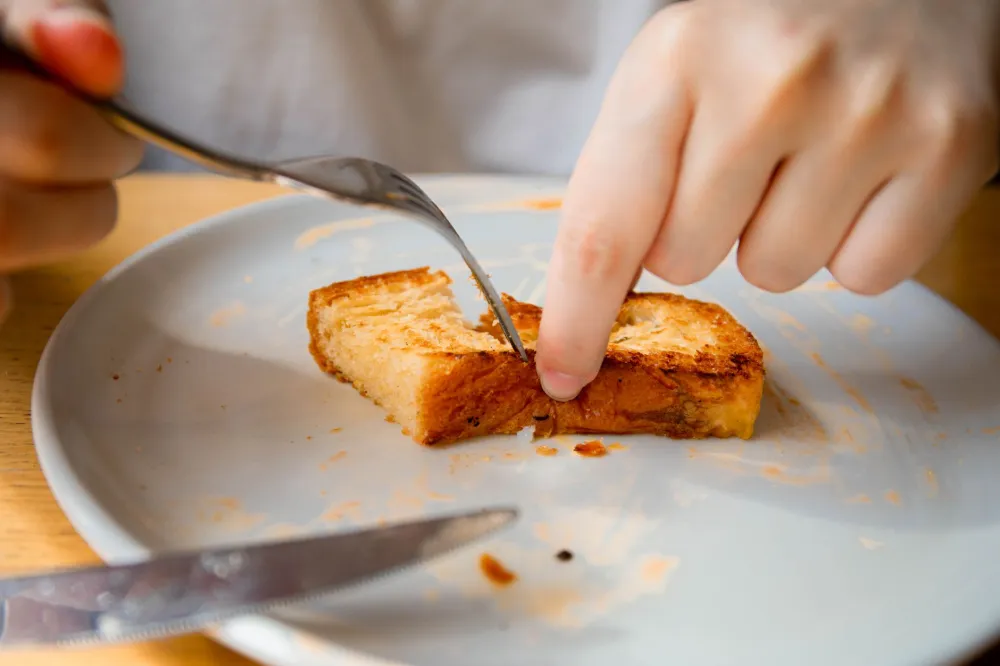
Myth: Starving yourself helps the bug clear faster. The logic sounds intuitive, but evidence doesn’t back it. The Mayo Clinic suggests easing back into eating once nausea settles, starting with bland foods like crackers, soup, oats and bananas. Starving prolongs weakness and slows recovery.
Myth: Probiotics will cure a stomach bug. Probiotics are live bacteria supplements meant to support your microbiome. The honest answer is that evidence is mixed. Some studies suggest certain strains, particularly Lactobacillus rhamnosus GG, may slightly reduce diarrhea duration in children. For adults, the research is less clear. Probiotics are unlikely to cause harm, but don’t expect a dramatic cure.
Myth: Flat soda settles your stomach. This home remedy has been passed down for generations, but flat cola or ginger ale is mostly sugar with minimal sodium, which isn’t what your body needs. A real oral rehydration solution does a far better job of restoring what you’ve lost.
How to Avoid Spreading It to Your Household
Containing a stomach bug in a shared home is genuinely difficult. But a few targeted moves make a real difference.
- Dedicated bathroom use: If possible, the sick person should use one bathroom exclusively. Norovirus is shed heavily in stool and vomit.
- Bleach-based cleaning: Wipe down bathroom surfaces, door handles, faucets, and toilet flush handles with a bleach-based disinfectant. Standard all-purpose sprays often don’t kill norovirus effectively.
- Separate towels and linens: Use separate hand towels. Wash any soiled bedding or clothing in hot water immediately.
- No food prep while sick: Stay out of the kitchen. Even thorough hand-washing may not fully prevent transmission on food surfaces.
- Hand-washing, repeatedly: Every family member should scrub with soap and water after bathroom use, before meals, and after contact with the sick person or their belongings.
These same principles apply during broader community outbreaks. Flu season preparation involves a lot of overlapping advice. The article on flu season preparation and immune health covers some of those shared prevention strategies in more detail.

When Does a Stomach Bug Become a Medical Emergency?
Most stomach bugs are unpleasant, not dangerous. But dehydration can become serious, and some infections need medical treatment. Know these warning signs before you need them.
Call a doctor or seek urgent care if you notice any of the following:
- Signs of severe dehydration: No urination for 8 or more hours, very dark urine, extreme dryness in your mouth, sunken eyes, dizziness when standing, or severe fatigue.
- Blood in vomit or stool: This suggests something beyond a routine viral infection and needs evaluation.
- Fever above 104°F (40°C): Or any fever that doesn’t respond to over-the-counter fever reducers.
- Symptoms lasting more than 3 days: Without improvement, something else may be happening.
- Severe abdominal pain: Cramping is normal; a rigid, board-like belly or sharp localized pain is not.
For infants under 1 year, elderly adults, pregnant women, or anyone immunocompromised (meaning their immune system is weakened by illness or medication), the threshold for calling a doctor should be lower and sooner. Don’t wait to see if it improves on its own in these groups.
Supporting Your Gut After the Bug Clears
The lingering tiredness and sensitive stomach that follow a stomach bug are real. Your gut lining takes a few days to fully recover, and your microbiome may be temporarily off balance. The good news is that most healthy adults bounce back completely within a week.
Reintroduce regular foods gradually over 2 to 3 days. Start with bland foods, then move to cooked vegetables and lean proteins, and finally back to your normal diet. Avoid spicy food, high-fat meals, and large portions until your digestive system feels fully comfortable again. If you practice any form of fasting or restricted eating, this recovery period isn’t the right time for it. Your body needs consistent, gentle fuel right now. For broader context on eating approaches that support gut health over the long term, the Mediterranean diet guide at Better Life Carez is worth reading once you’re fully recovered.
Fermented foods like plain yogurt, kefir, and miso may help nudge your microbiome back toward balance, though how much they help post-illness is still being studied. They’re unlikely to cause harm as long as you reintroduce them slowly and can tolerate dairy again.
What the research is clear on: getting back to consistent healthy daily habits after an illness is associated with faster overall recovery. Gentle movement, adequate sleep, and a return to normal eating patterns matter more than any single supplement or remedy.
FAQ
The Bottom Line
Stomach bugs are miserable, but the vast majority of cases in healthy adults resolve safely at home within 1 to 3 days. Your most important job is staying hydrated, ideally with an oral rehydration solution, taken in small sips. Rest, bland foods, and careful hygiene round out what actually works. Most over-the-counter remedies offer comfort at best, and some (like anti-diarrheal drugs taken with fever or bloody stool) can actually make things worse. Watch for dehydration and red-flag symptoms, and don’t hesitate to call a doctor if symptoms are severe, involve blood, or stretch beyond 3 days without improvement. The bug will pass. Your strategy is getting through it safely.
This article is for informational purposes only and is not a substitute for professional medical advice, diagnosis, or treatment. Always consult a qualified healthcare provider about your specific situation. If you experience severe or sudden symptoms, seek medical care immediately.
Sources

Everyday Health and Wellness
Browse every related article on this topic in one place.