

Hunger rarely derails a keto diet for beginners. Day three does, usually with a dull headache, a foggy brain and a sudden craving for toast, all showing up at once. This guide walks you through the first two weeks: what to eat, what you may feel each day, and when to stop and call your doctor.
- What Is the Keto Diet, and How Does It Work?
- Is a Keto Diet for Beginners Safe for Everyone?
- How Should You Prepare Before Day One?
- What Can You Eat on Keto?
- Your Keto Diet for Beginners Meal Plan: Week One
- Week Two: What Changes?
- What to Expect in Your First Two Weeks of Keto
- How Do You Get Through Keto Flu?
- Keto Myths vs Facts for Beginners
- What Does the Research Say About Keto?
- When Should You See a Doctor?
- FAQ
- The Bottom Line
What Is the Keto Diet, and How Does It Work?
The ketogenic (keto) diet is a very low-carb, high-fat way of eating. It’s built to push your body into ketosis, a state where it burns fat and makes ketones, a fuel source, instead of relying mainly on glucose, the sugar your body makes from carbs. That fuel switch is the whole point.
Here’s how it plays out. Normally, the bread, rice and fruit you eat get broken down into glucose, and any extra is stored as glycogen, a carb reserve tucked away in your liver and muscles. Cut carbs low enough and that reserve runs down over a couple of days. Your liver then starts turning fat into ketones, which your brain and muscles can use instead.
Keto isn’t a new fad. Doctors developed it in the 1920s as a treatment for epilepsy, and it’s still used medically today under close supervision. Most people now try it for weight loss or blood sugar control.
What does “net carbs” mean?
Net carbs are total carbohydrates minus fiber. Fiber passes through you mostly undigested, so it doesn’t raise blood sugar much. A cup of broccoli has a few grams of carbs, but most of them are fiber, which is why its net count is small. That’s also why vegetables still fit on keto while a single slice of bread eats up a big chunk of your daily allowance.
Classic keto gets most of its calories from fat, a moderate amount from protein, and only a small slice, often around 5 to 10 percent, from carbs. You don’t need to track percentages perfectly in your first two weeks. Keeping carbs low and protein steady does most of the work.
Is a Keto Diet for Beginners Safe for Everyone?
Not automatically. Many healthy adults tolerate keto reasonably well in the short term, but some need medical supervision before they start, and others should skip it altogether. A quick self-check takes two minutes and can save you real trouble.
Talk to your doctor before starting if any of these apply to you:
- Diabetes medication: Insulin and some other diabetes drugs can cause dangerous blood sugar lows when carbs drop suddenly. Doses may need adjusting, and only your doctor should make that call.
- Blood pressure medication: Keto can lower blood pressure and shed fluid early on, which may stack with your medication and leave you dizzy.
- Organ conditions: Kidney, liver, pancreas or gallbladder problems can make a high-fat diet riskier.
- Pregnancy or breastfeeding: This isn’t the time to experiment with a restrictive diet without your doctor’s input.
- Eating disorder history: Strict food rules can stir up old patterns, so a professional should guide any diet change.
Harvard Health has flagged several possible downsides of keto, including nutrient gaps from cutting out whole food groups, constipation, and concerns for people with liver or kidney issues. That doesn’t make keto dangerous for everyone. It does mean your health history matters before you start.
How Should You Prepare Before Day One?
The prep is simple: plan your first three days of meals, stock your kitchen, and pick a calm start date. A little setup turns week one from a willpower test into a routine you can follow half-asleep.
One more thing to plan for: fluids and salt. Low-carb eating tends to make your kidneys release more sodium and water, so many people need a little more of both early on. Ask your doctor how much salt fits your situation if you’re unsure. Our guide on how much water you really need daily can help you set a sensible baseline.
What Can You Eat on Keto?
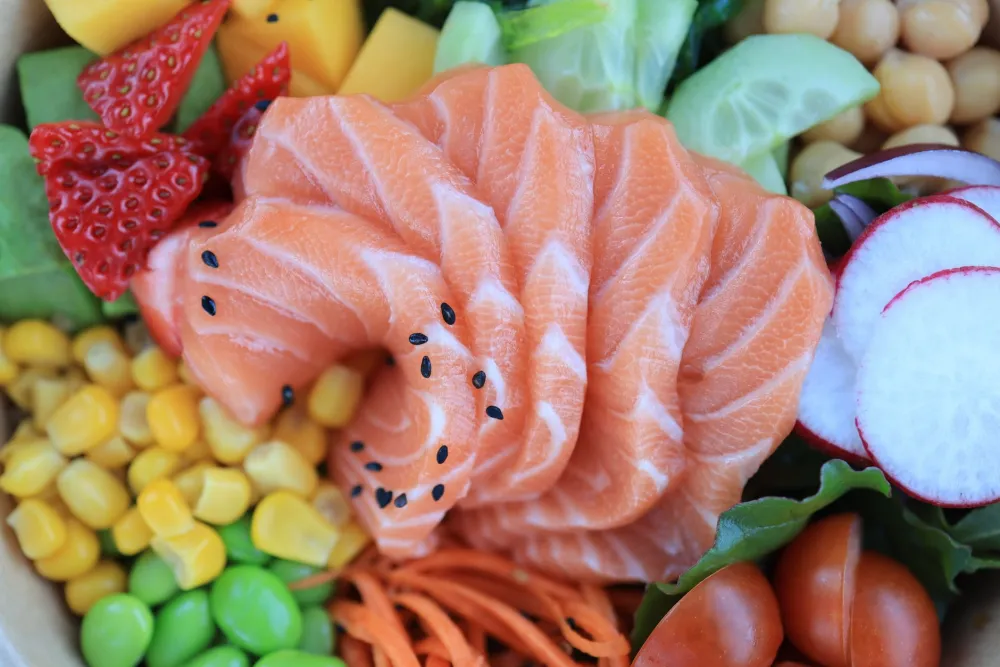
Meals on keto get built around non-starchy vegetables, protein foods like eggs, fish and poultry, and fats like olive oil, avocado and nuts. Think of it as adding foods rather than only cutting them. More greens, more fish, more olive oil on everything.
This table gives you a quick sorting system for the grocery store or the fridge door.
| Food group | Enjoy often | Go easy | Skip for now |
|---|---|---|---|
| Vegetables | Spinach, zucchini, broccoli | Onions, carrots, tomatoes | Potatoes, corn, peas |
| Protein | Eggs, fish, chicken | Bacon, deli meats | Breaded or sweet-glazed meats |
| Fats | Olive oil, avocado | Butter, heavy cream | Fried fast food |
| Dairy | Hard cheeses | Plain Greek yogurt | Milk, sweetened yogurt |
| Fruit | Avocado, olives | Berries, small portions | Bananas, grapes, juice |
| Grains and starches | None | Chia, flaxseed | Bread, rice, pasta |
| Drinks | Water, black coffee, tea | Diet soda | Regular soda, beer |
Quality still counts. You could technically hit your carb target with gas-station pork rinds and processed cheese, but your gut and your heart won’t thank you. Our breakdown of dirty keto vs clean keto explains why whole foods make a real difference in how you feel.
Protein deserves a quick note. Aim for a palm-sized portion at most meals rather than a giant steak at every sitting. Moderate protein helps you stay full and hold onto muscle without crowding out the fats that drive ketosis.
Your Keto Diet for Beginners Meal Plan: Week One
The easiest week-one plan repeats a handful of simple meals, so you aren’t counting carbs at every bite. For the first seven days, rotation beats variety. Fewer decisions mean fewer slip-ups.
Below is a sample four-day rotation you can repeat and swap around. Let portions follow your hunger, not a strict calorie number.
| Day | Breakfast | Lunch | Dinner |
|---|---|---|---|
| Day A | Eggs scrambled with spinach | Tuna salad lettuce wraps | Salmon with roasted broccoli |
| Day B | Greek yogurt with walnuts | Chicken Cobb salad | Pork chops with green beans |
| Day C | Veggie omelet with cheese | Leftover salmon over greens | Chicken thighs, cauliflower rice |
| Day D | Hard-boiled eggs, avocado | Burger patty, side salad | Shrimp stir-fry with zucchini |
Snacks are optional. Many people find they need fewer after the first few days. Cheese, olives, a small handful of almonds or celery with a spoonful of peanut butter all work well when hunger hits around 3 PM.
Days 1 to 3: the switch
Your body is burning through its stored glycogen. Most people feel fairly normal on day one, then notice cravings, more trips to the bathroom and maybe a headache by day two or three. For many, ketosis begins somewhere in this window, though timing varies with activity level and how many carbs you ate beforehand.

Days 4 to 7: the wobble
This is when keto flu, if it shows up, tends to peak. You might feel tired, irritable or foggy, and your usual workout may feel harder than it should. Keep eating your meals, push fluids and salt, and go to bed early. For many people, this stretch passes within a week.
Week Two: What Changes?
In week two, many people notice steadier energy, fewer cravings and less hunger between meals. Weight loss on the scale usually slows down, and that slowdown is normal. It doesn’t mean the plan stopped working.
Here’s why. Each gram of glycogen your body stores holds onto water, so when glycogen drops in week one, that water goes too. The scale can move fast early on. Once that water settles, any further change reflects slower, steadier shifts.
Week two is a good time to make the plan more sustainable. Try a couple of new recipes, add a second vegetable to dinner, and bring back moderate exercise if week one felt rough. Brisk walks, cycling or light strength training are good places to start.
Keep an eye on fiber too. Constipation is one of the most common complaints on low-carb plans, and leafy greens, chia seeds, avocado and plenty of water can help. If you want ready-made meals beyond the first two weeks, our free 28-day keto diet plan picks up where this guide leaves off.
What to Expect in Your First Two Weeks of Keto
Most beginners move through four rough phases in their first 14 days: carb burn-off, a possible keto flu dip, adjustment, and a steadier rhythm. Everyone’s timing differs, but this overview shows the typical pattern.
| Days | What’s happening | What you may feel | What helps |
|---|---|---|---|
| 1 to 3 | Glycogen running down | Cravings, frequent urination | Prepped meals, extra water |
| 4 to 7 | Entering ketosis | Headache, fatigue, fog | Salt, broth, early nights |
| 8 to 10 | Adapting to ketones | Energy slowly returning | Gentle exercise, new recipes |
| 11 to 14 | Steadier fat burning | Less hunger, slower scale | More fiber, track trends |
Don’t panic if you don’t match this table. Some people sail through with barely a yawn. Others feel off for most of week one. Both are common.

How Do You Get Through Keto Flu?
Keto flu is a cluster of temporary symptoms, including headache, tiredness, brain fog, irritability and muscle cramps, that some people feel while adjusting to very low carbs. It usually starts within the first few days and, for many, fades within about a week. Replacing fluids and electrolytes is often the most practical fix.
Despite the name, it isn’t an infection. The Cleveland Clinic describes keto flu as a common side effect of the transition, likely tied to fluid and electrolyte shifts as your body adjusts. Electrolytes are minerals like sodium, potassium and magnesium that help your nerves and muscles work.
These steps help many people feel better faster:
- Salt your food: Unless your doctor has told you to limit sodium, a little extra salt or a mug of broth can ease headaches.
- Eat potassium-rich foods: Avocados, spinach, mushrooms and salmon all fit on keto.
- Drink steadily: Sip water through the day rather than chugging it all at night.
- Go easy on workouts: Swap intense sessions for walks or yoga for a few days.
- Don’t slash calories too: Cutting carbs and eating very little at the same time often makes symptoms worse.
Some people turn to magnesium or electrolyte supplements. The evidence for them specifically on keto is limited, supplements aren’t tightly regulated by the FDA, and some can interact with medications. Check with a pharmacist first. For a deeper look, see our full guide to keto flu symptoms and how long they last.
Keto Myths vs Facts for Beginners
A few popular keto beliefs are exaggerated or flat-out wrong, and they trip up beginners in the first two weeks. Some hold up. Others don’t.
Myth: You can eat unlimited bacon and cheese. Keto lowers carbs, but calories and food quality still matter. Plenty of people stall because they treat fat as a free pass.
Myth: Keto flu means something is wrong. Mild symptoms in the first week are common and usually pass. Severe or lasting symptoms are a different story and deserve medical attention.
Myth: All that early weight loss is fat. Much of the first-week drop is water released alongside glycogen. Fat loss, when it happens, is slower and quieter.
Myth: Keto is the only diet that works. Research generally suggests many approaches can lead to weight loss when people can stick with them. Keto suits some people well and others poorly.
Myth: Ketone supplements put you in fat-burning mode. Drinks and pills that raise blood ketones don’t make up for a high-carb diet, and the evidence that they boost fat loss is weak.

What Does the Research Say About Keto?
Research suggests keto can produce faster weight loss than some other diets in the first few months. Over a year or more, results often look similar to other approaches. Sticking with a plan seems to matter more than which plan you pick.
The strongest medical evidence for keto is in treating certain types of epilepsy, where it’s been used for about a century under specialist care. Some clinical trials also suggest low-carb and ketogenic diets may improve blood sugar in people with type 2 diabetes, though that should always happen with a doctor keeping an eye on medications.
There are open questions. Some people see a rise in LDL cholesterol, often called “bad” cholesterol, on a high-fat diet, and long-term studies on heart health are limited. If you plan to stay on keto beyond a few weeks, ask your doctor about a cholesterol check.
What the research doesn’t support: claims that keto dramatically “boosts” metabolism, that it detoxes your body, or that carbs are inherently toxic. Keto is one tool among several, not magic.
When Should You See a Doctor?
See a doctor before starting keto if you have a chronic condition or take regular medication. Seek care promptly if severe symptoms show up. Mild tiredness in week one is common, but feeling seriously unwell is not.
Get medical help right away for chest pain, trouble breathing, a racing or irregular heartbeat, fainting, confusion, vomiting you can’t keep down, or a sudden severe headache. If you have diabetes, also seek care quickly for very high or very low blood sugar readings. These aren’t keto flu, and they’re not something to look up online.
Schedule a regular checkup if fatigue, constipation, dizziness or poor sleep last beyond your first two weeks, or if you notice unexplained weight loss beyond what you’d expect. A registered dietitian can also help you shape a keto diet for beginners around your health history, your budget and the meals your family already eats.
FAQ
The Bottom Line
A keto diet for beginners comes down to low net carbs, moderate protein, healthy fats and plenty of vegetables, with a bumpy patch that often lands in week one. Before you start, run through the safety check and talk to your doctor if you take medication or manage a health condition. Plan three days of simple meals, salt your food, drink steadily and go easy on workouts until the fog lifts. Judge your progress by trends and how you feel at day 14, not by the dramatic early drop on the scale.
This article is for informational purposes only and is not a substitute for professional medical advice, diagnosis, or treatment. Always consult a qualified healthcare provider about your specific situation. If you experience severe or sudden symptoms, seek medical care immediately.

Weight Loss and Nutrition
Browse every related article on this topic in one place.