Plenty of people who start keto don’t quit because they’re hungry. They quit on day three, staring into an open fridge with no idea what to cook. A simple plan fixes that. Below you’ll find 20 easy recipes, a ready-made seven-day menu and an honest look at how your first week may feel.
- What Are Keto Meals for Beginners, Exactly?
- How Many Carbs Should Keto Meals for Beginners Have?
- 20 Simple Keto Recipes for Your First Week
- What Does a 7-Day Keto Meal Plan Look Like?
- How Do You Prep Keto Meals for Beginners in One Afternoon?
- What Should You Expect in Your First Week on Keto?
- Keto Myths vs Facts for First-Timers
- Does Keto Work? What the Research Says
- Who Should Talk to a Doctor Before Starting Keto?
- FAQ
- The Bottom Line
What Are Keto Meals for Beginners, Exactly?
Keto meals for beginners are simple, low-carb dishes built around protein, fat and non-starchy vegetables. They’re easy enough to cook on a tired weeknight. The ketogenic (keto) diet is a very low-carbohydrate, high-fat eating pattern that nudges your body toward burning fat for fuel instead of sugar.
When carbs drop low enough, your liver starts turning fat into compounds called ketones, which your brain and muscles can use for energy. That state is called ketosis. Medical centers such as Cleveland Clinic describe keto as a very low-carb, high-fat diet designed to push the body into ketosis, a shift that for many people takes a few days of strict carb limits.
Here’s the thing: your first week isn’t the time for elaborate fat bombs or almond-flour baking projects. The meals that stick are the boring-in-a-good-way kind. Eggs. Rotisserie chicken. A sheet pan and a lemon.
Want the bigger-picture rules before you cook? Our keto diet for beginners starter plan walks through the basics over 14 days.
How Many Carbs Should Keto Meals for Beginners Have?
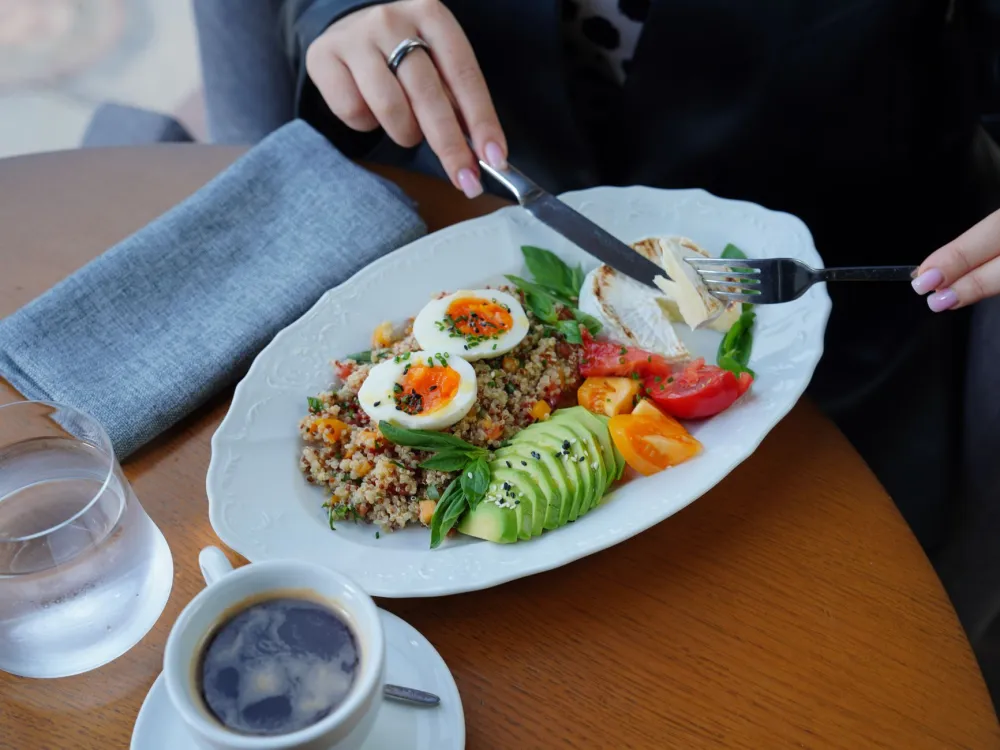
Most keto plans aim for roughly 20 to 50 grams of net carbs a day, which works out to about 5 to 15 grams per meal. Net carbs are total carbohydrates minus fiber, since your body doesn’t digest and absorb fiber the way it does sugar and starch.
That’s a big shift from the typical American plate. One medium banana or a cup of cooked white rice can eat up most or all of a day’s carb budget.
So what actually works? A simple plate formula you can use without counting every bite:
- A palm-size protein: eggs, chicken thighs, salmon, ground beef, shrimp or tofu.
- Half the plate in vegetables: leafy greens, zucchini, cauliflower, broccoli, asparagus or green beans.
- A fat for flavor: olive oil, avocado, butter, cheese or a handful of nuts.
- Starches on pause: bread, pasta, rice, potatoes, tortillas and sugary drinks.
Fat quality still matters on keto. The American Heart Association recommends limiting saturated fat, so many dietitians suggest leaning on olive oil, avocado, nuts and fatty fish instead of stacking bacon and butter onto every plate. Our breakdown of dirty keto vs clean keto explains why that choice may matter for your heart over time.
20 Simple Keto Recipes for Your First Week
These 20 recipes cover breakfast, lunch, dinner and snacks. They use ordinary grocery-store ingredients and mostly take under 30 minutes. Treat the carb numbers as rough per-serving estimates, since brands and portions shift them. Haven’t shopped yet? Our keto grocery list for beginners covers everything below.
Easy keto breakfasts
- Spinach and cheddar egg muffins: Whisk 10 eggs with a big handful of chopped spinach, 1 cup of shredded cheddar, salt and pepper. Pour into a greased 12-cup muffin tin and bake at 350°F (175°C) for 18 to 22 minutes, until set. Two muffins likely come in under 3 grams of net carbs, and they keep in the fridge for 3 to 4 days.
- Coconut chia pudding: Stir 3 tablespoons of chia seeds into 3/4 cup of unsweetened coconut milk with a splash of vanilla. Refrigerate overnight, then top with a few raspberries. Chia is mostly fiber, so net carbs usually stay in the low single digits.
- Bacon, eggs and avocado plate: Cook two strips of bacon, fry two eggs in the same pan, and add half a sliced avocado with flaky salt. Ten minutes, one pan, very few carbs.
- Greek yogurt crunch bowl: Top half a cup of plain full-fat Greek yogurt with chopped walnuts, cinnamon and a small spoonful of blueberries. Flavored yogurts often carry added sugar, so stick with plain. Expect roughly 5 to 8 grams of net carbs.
- Mushroom and pepper scramble: Sauté sliced mushrooms and a quarter of a bell pepper in butter, then scramble in three eggs with a sprinkle of feta. It’s a good way to use up whatever is wilting in the crisper drawer.
Not a breakfast person? That’s fine. Keto doesn’t require three meals a day, and many people find a later first meal feels natural once the cravings settle. Just don’t push it so far that you feel shaky or end up overeating at night.
Quick keto lunches
- Chicken Caesar lettuce wraps: Shred a store-bought rotisserie chicken, toss a few cups with Caesar dressing and grated Parmesan, then spoon it into romaine leaves. Creamy Caesar is often low in sugar, but brands vary, so check the label.
- Tuna-stuffed avocado: Mix a can of tuna with a tablespoon of mayo, diced celery and a squeeze of lemon, then pile it into two avocado halves. No cooking, about five minutes.
- Mason jar Cobb salad: Layer dressing on the bottom, then chopped chicken, hard-boiled egg, bacon, blue cheese, cherry tomatoes and greens. Shake it into a bowl at lunch. It holds up for about two days in the fridge.
- Turkey and cheese roll-ups: Roll sliced deli turkey around provolone and a cucumber spear, with a smear of mustard or cream cheese. Some deli meats contain added sugar, so a quick label check helps.
- Pesto chicken zoodle bowl: Toss spiralized zucchini (many stores sell it prepacked) with leftover chicken, a spoonful of basil pesto and a few cherry tomatoes. Eat it cold, or warm it for a minute in a skillet.
Notice a pattern? Most of these meals reuse the same few proteins, and that’s on purpose. Cooking once and eating twice is one of the surest ways to keep a new eating plan from falling apart by Thursday.
Simple keto dinners
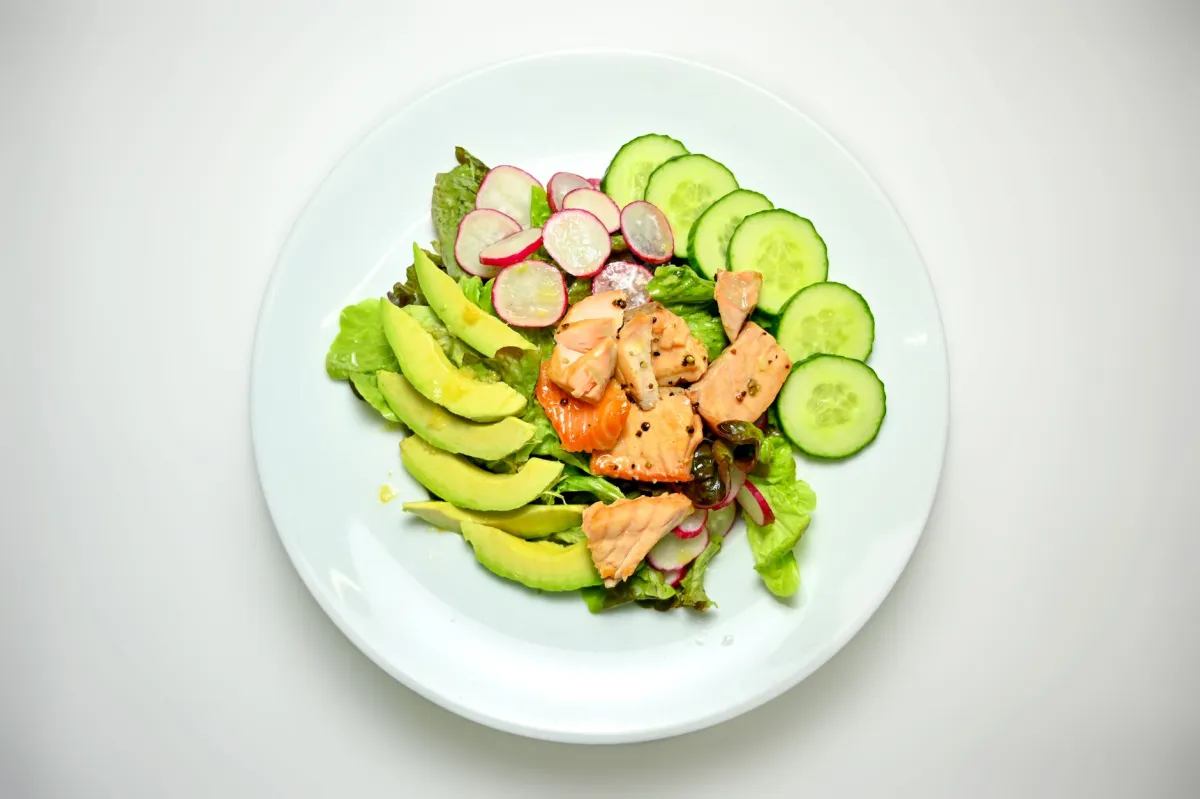
- Sheet-pan lemon butter salmon: Arrange salmon fillets and trimmed asparagus on a sheet pan, drizzle with olive oil and melted butter, and add lemon slices and garlic. Roast at 400°F (205°C) for about 12 to 15 minutes, until the fish reaches 145°F (63°C), the USDA’s safe cooking temperature for fish.
- Bunless burger bowls: Cook ground beef patties to 160°F (71°C), then serve over shredded lettuce with pickles, cheddar, red onion and a quick sauce of mayo, mustard and a dash of pickle juice. It tastes like a drive-through burger without the bun.
- Shrimp cauliflower fried rice: Stir-fry riced cauliflower in sesame oil with garlic and scallions, push it aside, scramble two eggs, then add cooked shrimp and a splash of soy sauce or tamari. Dinner is ready in about 15 minutes.
- Garlic chicken thighs with green beans: Season bone-in chicken thighs and roast at 425°F (220°C) for 35 to 45 minutes, until they reach 165°F (74°C). Toss green beans in the pan drippings for the last 15 minutes. Thighs stay juicy even if they go a few minutes long, which makes them forgiving for new cooks.
- Zucchini noodles with meat sauce: Brown ground beef or Italian sausage, stir in a no-sugar-added marinara and simmer. Sauté zucchini noodles for just two or three minutes so they don’t turn watery, then spoon the sauce over the top.
- Pork chops with roasted Brussels sprouts: Roast halved Brussels sprouts with olive oil and salt at 425°F (220°C) for 20 to 25 minutes. Meanwhile, sear pork chops in a hot skillet until they reach 145°F (63°C), then rest them 3 minutes before slicing.
Every one of these dinners follows the same template: protein, a green vegetable and a fat. Once that clicks, you can swap ingredients freely and invent your own keto meals for beginners without a recipe card in sight.
Keto snacks that actually fill you up
- Everything-bagel eggs: Hard-boil a half dozen eggs at the start of the week, then sprinkle everything-bagel seasoning on them when you peel.
- Baked Parmesan crisps: Drop tablespoon-size piles of shredded Parmesan on a parchment-lined sheet and bake at 400°F (205°C) for 5 to 7 minutes. They crisp up like chips once cooled.
- Celery and almond butter: Choose an unsweetened almond butter and keep the serving to a tablespoon or two, since nut butters add up fast.
- Cucumber rounds with guacamole: Thick cucumber slices make a sturdy, crunchy scoop when you’re craving tortilla chips.
Snacks are optional. If your meals have enough protein and fat, you may find you don’t need them at all, which is one reason many people like this style of eating.
What Does a 7-Day Keto Meal Plan Look Like?
A beginner-friendly seven-day plan repeats a handful of recipes and turns dinner leftovers into the next day’s lunch, which can cut down on cooking time. The table below strings these recipes into a full week you can follow as-is or reshuffle.
| Day | Breakfast | Lunch | Dinner |
|---|---|---|---|
| Monday | Egg muffins | Tuna-stuffed avocado | Sheet-pan salmon |
| Tuesday | Coconut chia pudding | Chicken Caesar lettuce wraps | Bunless burger bowls |
| Wednesday | Egg muffins | Leftover burger bowl | Garlic chicken thighs |
| Thursday | Greek yogurt bowl | Leftover chicken over greens | Shrimp cauliflower fried rice |
| Friday | Egg muffins | Turkey and cheese roll-ups | Zucchini noodles with meat sauce |
| Saturday | Bacon, eggs and avocado | Mason jar Cobb salad | Pork chops and Brussels sprouts |
| Sunday | Mushroom and pepper scramble | Pesto chicken zoodle bowl | Repeat your favorite dinner |
Add a snack from the list whenever you’re hungry between meals. Eat until you’re comfortably satisfied instead of chasing a calorie number. This plan isn’t built for aggressive restriction, and it shouldn’t leave you dizzy or ravenous. Want a longer runway? The same structure stretches into a month of low-carb meals.
How Do You Prep Keto Meals for Beginners in One Afternoon?
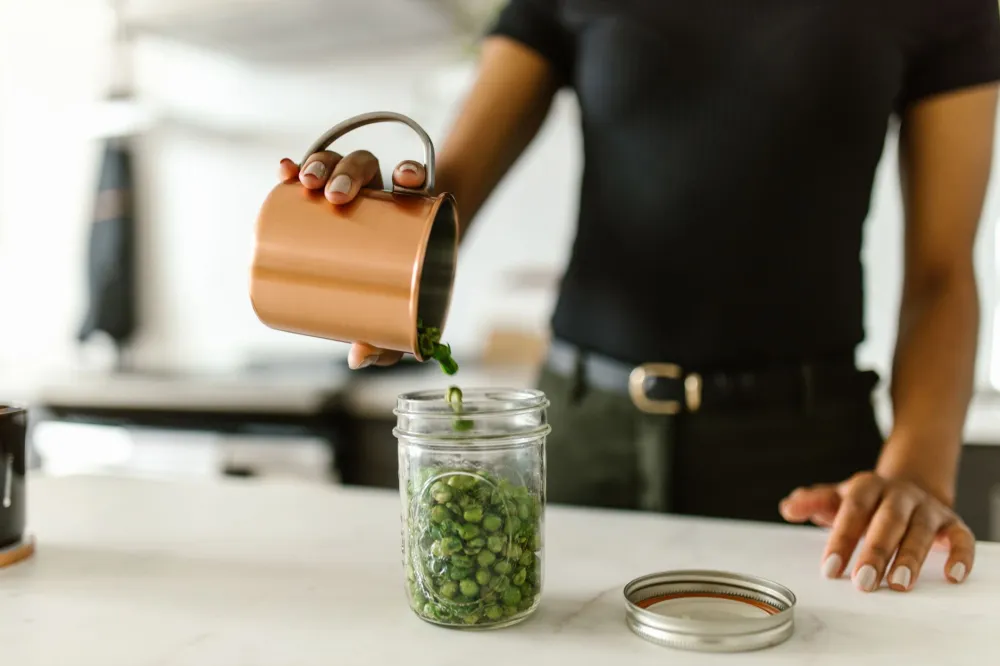
You can prep most keto meals for beginners in about two hours on a weekend afternoon by batch-cooking proteins, eggs and one tray of vegetables. These five moves cover most of the week:
Prepped food in the fridge is a powerful nudge on a long workday. If weekly cooking tends to wear you down, our guide to meal prep for busy weeks without burnout has more realistic shortcuts.
What Should You Expect in Your First Week on Keto?
Many people feel tired, foggy or headachy somewhere around days two to five, then notice steadier energy and fewer cravings by the end of the first week. Even the best keto meals for beginners won’t fully prevent this adjustment period. Knowing it’s coming, though, makes it much easier to ride out.
Days 1 and 2: You’ll probably feel mostly normal, maybe with cravings for bread or sweets. Your body is still running on glycogen, the sugar stored in your liver and muscles.
Days 2 to 5: This is when the so-called keto flu often shows up: headache, fatigue, irritability, brain fog and sometimes muscle cramps. Part of the reason is that very low carb intake makes your kidneys release more water and sodium. For most people it fades within a few days to a week. Our article on keto flu symptoms and how long they last covers it in detail.
Days 5 to 7: Many people say hunger evens out and the afternoon slump at their desk eases, though not everyone does. The scale may drop noticeably, but much of that early change is water leaving along with stored glycogen, not body fat.
Mild, short-lived fatigue is common. But symptoms that are severe, keep going past a couple of weeks, or include persistent vomiting, confusion, a racing heart or trouble breathing aren’t a normal part of adjusting to keto. They deserve prompt medical attention, not more late-night internet research.
Keto Myths vs Facts for First-Timers
The biggest beginner myths are that keto means unlimited bacon, that fast early weight loss is all fat, and that vegetables are off the table. Here’s how those ideas stack up against what nutrition experts generally agree on:
| Myth | Fact | What to do |
|---|---|---|
| Unlimited bacon is fine | Fat quality still matters | Favor olive oil, fish, nuts |
| Early weight loss is fat | Much of it is water | Judge progress over weeks |
| Keto means no vegetables | Non-starchy vegetables are essential | Fill half your plate |
| Ketosis equals ketoacidosis | They are very different | Learn the warning signs |
| Keto snacks are always healthy | Many are heavily processed | Choose whole foods first |
That ketoacidosis row matters. Nutritional ketosis is a mild, controlled state, while diabetic ketoacidosis is a dangerous medical emergency that happens mainly in people with type 1 diabetes and sometimes type 2. Anyone with diabetes should plan carb changes with their care team.
Does Keto Work? What the Research Says
Research suggests keto can help some people lose weight and improve blood sugar in the short term. Longer studies generally find results similar to other diets people manage to stick with. Most experts agree the best diet is the one you can keep up.
Keto isn’t new. Doctors have used ketogenic diets since the 1920s to help manage epilepsy that doesn’t respond well to medication, and that remains one of its best-supported medical uses. Weight-loss research is more mixed: several trials show faster loss in the first few months, with the gap often narrowing after a year.
There are trade-offs worth weighing. LDL cholesterol (the “bad” kind) rises noticeably in some people on keto, which is why a baseline blood test can be useful. Harvard Health has cautioned that keto can be hard to sustain and has flagged possible concerns such as nutrient shortfalls, constipation, and extra strain on the liver and kidneys in some people.
The research doesn’t back two popular claims: that keto melts fat dramatically faster than other diets when calories and protein are matched, or that it cures chronic disease on its own. If strict carb limits feel miserable, a less restrictive pattern like the Mediterranean diet has a deeper long-term evidence base for heart health. Choosing keto meals for beginners is a reasonable experiment, not the only path to eating well.

Who Should Talk to a Doctor Before Starting Keto?
Anyone with diabetes, kidney or liver disease, heart disease, a history of disordered eating, or who is pregnant or breastfeeding should talk with a doctor before starting keto. Cutting carbs this sharply changes blood sugar, fluid balance and how some medications behave.
- Diabetes on medication: Insulin and other glucose-lowering drugs may need adjusting by your care team, since blood sugar can drop quickly.
- Pregnancy or breastfeeding: Nutrition needs change, so any major diet shift belongs in a conversation with your doctor.
- Kidney, liver, gallbladder or pancreas conditions: A high-fat, very low-carb plan may not be appropriate.
- Heart disease or high cholesterol: Your doctor may want to track your lipid levels before and after.
- A history of disordered eating: Strict food rules can stir up old patterns. A registered dietitian or therapist can help you find a safer approach.
If you take blood pressure medication, check in before you start. Lower carb intake can shift fluid levels and blood pressure. Never stop or change a prescribed medication on your own. And if you ever notice chest pain, trouble breathing, a sudden severe headache, numbness or weakness, or unexplained weight loss, see a doctor promptly.
FAQ
The Bottom Line
The easiest keto meals for beginners follow one template: a protein, a pile of non-starchy vegetables and a healthy fat, with most days landing around 20 to 50 grams of net carbs. Start with a few repeatable recipes like egg muffins, lettuce wraps and sheet-pan salmon, and cook once so you can eat twice. Expect a rough patch around days two to five, and support yourself with fluids and salty broth. Judge your progress over weeks rather than days. If you have a medical condition or take medication, talk with your doctor before you begin.
This article is for informational purposes only and is not a substitute for professional medical advice, diagnosis, or treatment. Always consult a qualified healthcare provider about your specific situation. If you experience severe or sudden symptoms, seek medical care immediately.

Weight Loss and Nutrition
Browse every related article on this topic in one place.