Most keto mistakes show up in the first month, usually before you’ve even figured out what a “net carb” is. A pounding headache on day three, a scale that won’t budge in week two, a creamer that turns out to have sugar in it: sound familiar? The good news is that nearly every one of these slip-ups has a simple fix.
- What Is Keto, and Why Is Month One So Hard?
- Mistake 1: Skimping on Water, Salt and Electrolytes
- Mistake 2: Missing the Hidden Carbs
- Mistake 3: Forgetting Vegetables and Fiber
- Mistake 4: Eating Too Little or Fearing Fat
- Mistake 5: Leaning on "Dirty Keto" Convenience Foods
- Mistake 6: Judging Progress by the Scale or Ketone Strips
- Mistake 7: Starting Without a Plan
- Mistake 8: Skipping the Doctor Check-In
- What Should Your First Month on Keto Look Like?
- How Do You Fix Keto Mistakes? A First-Month Reset
- Which Keto Myths Trip Up Beginners?
- When Should You See a Doctor About Keto Symptoms?
- FAQ
- The Bottom Line
What Is Keto, and Why Is Month One So Hard?
The ketogenic diet, or keto, is a very low-carbohydrate, high-fat way of eating designed to shift your body into ketosis. In ketosis, your liver turns fat into molecules called ketones, which your brain and muscles can burn for fuel when glucose (blood sugar) runs low.
Most keto plans keep carbs somewhere around 20 to 50 grams a day. For perspective, a medium banana has roughly 27 grams. One piece of fruit can eat up most of your daily allowance, which is why keto feels so different from how most Americans eat.
Month one is a transition. Your body burns through glycogen first, the stored carbohydrate in your liver and muscles, and glycogen is packed with water. As it drops, you lose water and minerals too, which explains both the quick early dip on the scale and many of the rough days that follow.
Most keto mistakes cluster right in this adjustment window. Harvard Health has pointed out that keto can be hard to stick with and carries risks such as nutrient shortfalls and constipation, which is one more reason to start carefully rather than all at once.
Mistake 1: Skimping on Water, Salt and Electrolytes
Not drinking enough and skipping salt is probably the most common beginner error, and it’s a big driver of the so-called keto flu. Electrolytes are minerals such as sodium, potassium and magnesium that help your nerves, muscles and heart do their jobs.
Here’s the thing: when insulin falls on a very low-carb diet, your kidneys tend to release more sodium and water. Cut the bread, crackers and processed foods too, and your salt intake can drop sharply. For many people, that means headaches, fatigue, lightheadedness when standing up, muscle cramps and brain fog during the first week or so.
The Cleveland Clinic describes keto flu as a set of flu-like symptoms some people get as their bodies adjust to the diet. Our guide to keto flu symptoms and how long they last covers the full picture, but shifts in fluid and minerals are a big part of the story.

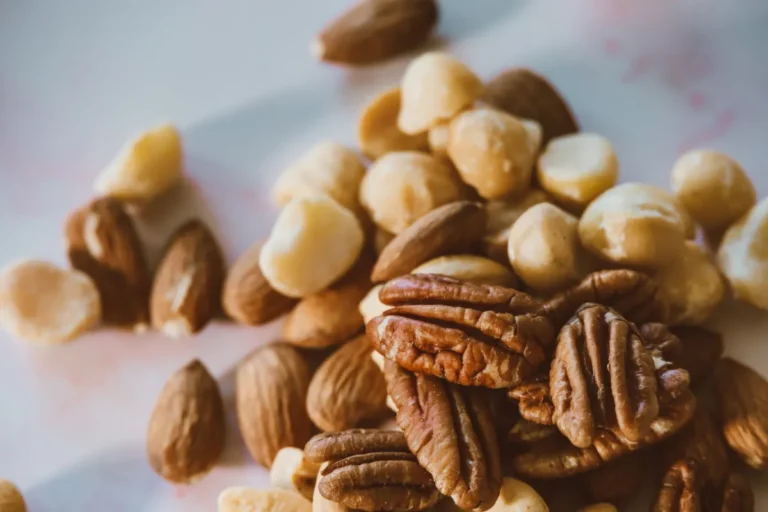
So what actually helps? Sip water steadily through the day instead of chugging it all at night. Many people find a mug of salty broth in the afternoon takes the edge off, and potassium-rich foods like avocado, spinach and mushrooms can help too. Pumpkin seeds, almonds and leafy greens bring magnesium.
Mistake 2: Missing the Hidden Carbs
Hidden carbs are among the sneakiest keto mistakes. They can quietly push you over your daily limit without a single slice of bread, and most beginners count the obvious foods while missing everything else.
These are the usual suspects:
- Condiments and dressings: ketchup, barbecue sauce, teriyaki and many bottled dressings contain added sugar.
- Coffee add-ins: flavored creamers, milk and syrups add up fast over several cups a day.
- “Sugar-free” labels: some sweeteners, such as maltitol, can affect blood sugar more than others.
- Fruit and starchy vegetables: a few berries can fit, but bananas, grapes, potatoes and corn usually don’t.
- Drinks: soda, juice, sweet tea, beer and mixed cocktails.
The fix takes a few minutes of label reading. Check the Nutrition Facts panel for total carbohydrates and fiber, and look hard at the serving size. Keep in mind that “net carbs” (total carbs minus fiber) isn’t a term the FDA officially defines, so a front-of-package claim isn’t the whole story.
Logging everything in a free food-tracking app for two weeks can be eye-opening. Starting with a keto grocery list for beginners also keeps most of the guesswork out of your cart in the first place.
Mistake 3: Forgetting Vegetables and Fiber
Cutting carbs doesn’t have to mean cutting vegetables, but plenty of beginners end up eating mostly meat, cheese and eggs. That plate runs short on fiber, which keeps digestion moving and feeds your microbiome, the trillions of bacteria living in your gut.
Constipation is one of the most commonly reported keto side effects, and low fiber combined with low fluid is a likely culprit. The USDA’s Dietary Guidelines for Americans suggest roughly 14 grams of fiber for every 1,000 calories you eat, which is tough to hit without plants.
Think about what to add, not just what to cut. Aim to fill about half your plate with non-starchy vegetables like broccoli, cauliflower, zucchini, green beans, bell peppers and leafy greens. Chia seeds, ground flaxseed, avocado and raspberries add fiber for relatively few net carbs.
Your gut bacteria will likely thank you. If you’re curious how fiber shapes digestion, our piece on what feeds your gut microbiome explains it in plain terms.
Mistake 4: Eating Too Little or Fearing Fat
Under-eating is a surprisingly common keto mistake. It often comes from treating keto like a crash diet, or from years of hearing that fat is the enemy. Because keto dulls appetite for many people, it’s easy to eat far less than your body needs without noticing.
But there’s a catch. Very low intake tends to backfire, bringing fatigue, irritability, poor sleep and intense cravings, and making it more likely you’ll quit by week three. Severe restriction can also feed an unhealthy relationship with food, and no diet is worth that.
A satisfying keto meal usually has three parts: a protein (eggs, chicken, fish, tofu or plain Greek yogurt), a big serving of vegetables, and a fat you enjoy, like olive oil, avocado, nuts or a little cheese. Enough protein also helps you hold onto muscle, which matters for strength and long-term health.
If you have a history of disordered eating, a restrictive plan like keto may not be a safe fit. Talk with your doctor or a registered dietitian before you try it.
Mistake 5: Leaning on “Dirty Keto” Convenience Foods
Building your first month around bacon, processed meats, bunless fast-food burgers and packaged keto snacks can keep carbs low while leaving your overall nutrition thin. This approach is often called “dirty keto,” and it’s tempting precisely because it’s easy.
The American Heart Association recommends limiting saturated fat for heart health. Some people see their LDL cholesterol (the “bad” kind) climb on a high-fat diet heavy in butter, cream and red meat, while others don’t. Because responses vary so much, a baseline cholesterol test before you start is a smart move.
A cleaner approach leans on olive oil, avocados, nuts, seeds, eggs, fatty fish like salmon and sardines, and plenty of vegetables. Our breakdown of dirty keto vs clean keto compares the two side by side.

A realistic middle ground works for most busy households. Keep a few convenience items for chaotic weeknights, but cook most meals from whole foods. Keto bars and fat bombs are treats, not food groups.
Mistake 6: Judging Progress by the Scale or Ketone Strips
The scale is a poor guide in month one, because early changes on keto are largely water, not fat. Many people see a quick drop in week one, then a slowdown that feels like failure even though it’s completely normal.
Your weight can jump a pound or two (roughly 0.5 to 1 kg) overnight after a salty restaurant meal, a bad night’s sleep or a stressful day. For many women, hormonal shifts across the menstrual cycle move the number too. Weekly averages tell a much truer story than daily weigh-ins, and if progress stalls for weeks, our guide to getting past weight loss plateaus offers sustainable next steps.
Urine ketone strips have their own quirk. They measure ketones you’re excreting, not necessarily what’s circulating in your blood, and readings often get lighter as your body gets better at using ketones. A pale strip in week three doesn’t automatically mean you’ve fallen out of ketosis.
Mistake 7: Starting Without a Plan
Jumping into keto on a Monday with no groceries, no meal ideas and a fridge full of leftover pasta is a reliable way to end up at the drive-through by Wednesday. Planning sounds boring. It’s also what makes month one doable.
After a long workday, the easiest option usually wins. Before you start, pick two or three go-to breakfasts, four or five simple dinners and a couple of snacks you can grab without thinking. Our list of easy keto meals for beginners is a good place to borrow ideas.
Social events need a plan too. Birthday dinners, office potlucks and holidays like Thanksgiving are easier if you eat a protein-rich snack beforehand and fill your plate with turkey, roasted vegetables and salad. If you drink, many people find alcohol hits harder on a low-carb diet, so go slow and never drive after drinking.
Mistake 8: Skipping the Doctor Check-In
Starting keto without talking to your doctor is risky if you take medication or have a chronic condition, because a sudden drop in carbs can change how some drugs affect you. This matters most for diabetes and blood pressure medicines.
Insulin and some diabetes pills can cause low blood sugar when carb intake falls quickly. A class of diabetes drugs called SGLT2 inhibitors has been linked to a serious complication called ketoacidosis, and the FDA has issued warnings about that risk. Blood pressure can also dip as you lose water, which may make some medications too strong. Never change or stop a prescribed medicine on your own.
Get a professional’s go-ahead first if any of these apply to you:
- Pregnancy or breastfeeding: keto isn’t generally recommended without medical guidance.
- Diabetes of any type: medications may need adjusting before you begin.
- Kidney, liver or gallbladder problems: a high-fat diet may not be appropriate.
- Heart disease or high cholesterol: your doctor may want to monitor your labs.
- A history of eating disorders: restrictive diets can trigger relapse.
What Should Your First Month on Keto Look Like?
For many beginners, week one brings the toughest symptoms, weeks two and three bring steadier energy, and by week four the routine starts to feel more automatic. Timelines vary a lot, and some people never feel great on keto, which is useful information in itself.
| Timeframe | What many people notice | What tends to help |
|---|---|---|
| Days 1 to 3 | Cravings, hunger, early water loss | Planned meals, steady water intake |
| Days 3 to 7 | Possible keto flu symptoms | Fluids, salty broth, extra rest |
| Week 2 | Energy may start improving | More vegetables, check hidden carbs |
| Week 3 | Scale often slows or stalls | Weekly averages, waist measurements |
| Week 4 | Routine feels easier | Review how you feel, plan ahead |
The headache-and-fatigue stretch typically eases within a week or two as your body adapts. If symptoms drag on longer than that, or get worse instead of better, check in with your doctor rather than pushing through.
Exercise is another area where beginners overreach. Hard workouts like heavy lifting, long runs or high-intensity interval training (HIIT) often feel tougher in the first couple of weeks, since your muscles are low on their usual quick fuel. Gentle walks, easy cycling and yoga are kinder choices while you adapt, and you can build intensity back up gradually.

How Do You Fix Keto Mistakes? A First-Month Reset
If your first weeks haven’t gone to plan, you don’t need to start over. Most keto mistakes can be corrected with a handful of steady habits, and you can begin with them today, in this order:
One slip, like a slice of birthday cake, doesn’t erase your progress. You might feel a bit off for a day or two as your body shifts back toward ketosis, and then you simply pick up with your next meal.
Which Keto Myths Trip Up Beginners?
Several popular keto beliefs don’t hold up well against the evidence, and believing them can make month one harder than it needs to be. Here’s how the common claims stack up against what research supports.

- Myth: more fat means more fat loss. Fact: calories still count. Adding extra butter to everything can stall progress rather than speed it up.
- Myth: protein kicks you out of ketosis. Fact: moderate protein is unlikely to cause problems for most people, and too little can cost you muscle.
- Myth: keto beats every other diet. Fact: a Stanford-led trial called DIETFITS, published in JAMA in 2018, found healthy low-carb and healthy low-fat diets produced similar weight loss over a year.
- Myth: keto flu means it’s working. Fact: those symptoms mostly reflect fluid and mineral shifts. They’re a side effect, not a badge of honor.
- Myth: ketone supplements speed fat loss. Fact: they can raise blood ketones, but good evidence that they help you lose fat is lacking.
The takeaway is pretty practical. The diet that works best is usually the one you can follow comfortably for months, not the one with the most dramatic first week.
When Should You See a Doctor About Keto Symptoms?
See a doctor if your keto symptoms are severe, last longer than a couple of weeks, or come with any red-flag signs. Mild tiredness in week one is common. Feeling worse and worse is not something to tough out.
Skip the blog and get medical care promptly if you notice chest pain, trouble breathing, a racing or irregular heartbeat, fainting, confusion, a sudden severe headache, numbness or weakness, nonstop vomiting, or signs of serious dehydration such as very little urine.
People with diabetes should be especially alert. Nausea, vomiting, belly pain, fast breathing or feeling very unwell can signal ketoacidosis, a medical emergency that can occur even when blood sugar isn’t very high in people taking certain medications.
Other reasons to schedule a visit include constipation lasting more than a week or two, sudden severe pain in your side or back (keto may raise kidney stone risk for some people), and weight loss that’s faster than you intended or happens without trying.
A registered dietitian can be a big help too, particularly if you have a medical condition, want to follow keto longer than a month or two, or simply feel stuck. Personalized guidance usually beats trial and error.
FAQ
The Bottom Line
Most first-month keto mistakes come from underestimating the transition: too little water and salt, too few vegetables, hidden carbs and unrealistic expectations for the scale. Check in with your doctor, keep fluids steady, and build each meal around vegetables, protein and healthy fats. Judge progress by weekly trends and how you feel, not by one weigh-in or ketone strip. And if keto simply doesn’t suit your body or your life, that’s a valid result too.
This article is for informational purposes only and is not a substitute for professional medical advice, diagnosis, or treatment. Always consult a qualified healthcare provider about your specific situation. If you experience severe or sudden symptoms, seek medical care immediately.

Weight Loss and Nutrition
Browse every related article on this topic in one place.