

You peel off your socks at the end of a long day, and one ankle has a deep elastic dent while the other looks fine. Usually the cause is ordinary, like a rolled ankle or a bug bite. But a lopsided leg is also the classic warning sign of a blood clot, so it’s worth knowing the difference.
- Why Is Only One Leg Swelling?
- Is One Leg Swelling an Emergency?
- The Cause to Rule Out First: A Blood Clot (DVT)
- Other Common Causes of One Leg Swelling
- How Do the Causes of a Swollen Leg Compare?
- What Can You Check at Home Before Your Visit?
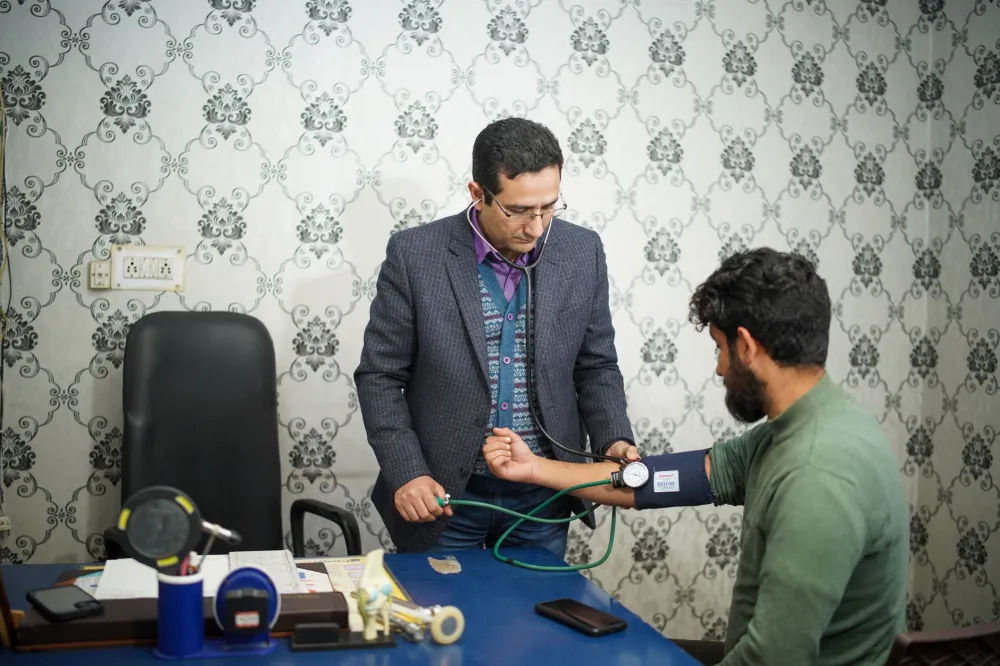
- What Happens When a Doctor Checks Your Swollen Leg?
- One Leg Swelling Myths vs Facts
- Can You Lower Your Risk of a Leg Clot?
- FAQ
- The Bottom Line
Why Is Only One Leg Swelling?
When only one leg swells, the trouble is usually in that leg, not in your whole body. Swelling, which doctors call edema, is extra fluid that has seeped out of tiny blood vessels and collected in the surrounding tissue.
Here’s how doctors sort it out. Conditions that affect the whole body, like heart failure, kidney disease, liver disease, certain blood pressure medicines or a long, hot day on your feet, tend to puff up both legs at once. Gravity pulls the extra fluid down evenly, so both ankles look about the same.
One-sided swelling breaks that pattern. It points to a local traffic jam: a blocked vein, a hurt muscle, an infection, a cyst pressing on a vessel, or lymph channels that aren’t draining. If both legs are puffy, our guide to swollen legs and their common causes is a better place to start.
That’s why one-sided swelling gets taken seriously in the exam room. A doctor’s first worry usually isn’t your heart. It’s whether a clot is hiding in that leg.

Is One Leg Swelling an Emergency?
One leg swelling becomes an emergency when it comes with chest pain, sudden shortness of breath, coughing up blood or a racing heartbeat. Those can signal a clot that has traveled to the lungs. New swelling with pain, warmth or redness needs a same-day visit, not a wait-and-see approach.
A simple triage can help you decide how fast to move:
- Call 911 now: swelling plus chest pain, trouble breathing, fainting, coughing up blood or a sudden racing heartbeat.
- Same-day care: a calf or thigh that’s newly swollen, sore, warm or red, especially after surgery, a hospital stay, a long trip or an injury.
- Also same day: spreading redness with fever or chills, or severe pain after an injury that feels far worse than the injury itself.
- Call your doctor soon: mild swelling that crept in over weeks, with no pain, redness or breathing symptoms.
So when in doubt, get it checked the same day. A leg ultrasound is quick and painless, and ruling out a clot is far easier than dealing with one that was missed.
The Cause to Rule Out First: A Blood Clot (DVT)
Deep vein thrombosis (DVT) is a blood clot that forms in one of the large, deep veins of the leg, usually in the calf or thigh. It’s the cause to rule out first because part of the clot can break loose and travel to the lungs. That event, called a pulmonary embolism (PE), is dangerous.
According to the CDC, common signs of DVT include swelling, pain or tenderness that isn’t caused by an injury, skin that feels warm, and redness or discoloration. People often describe the ache as a charley horse that won’t let go. It usually affects just one leg.
A pulmonary embolism looks different and is more urgent. Sudden shortness of breath, chest pain that may sharpen when you breathe in, a fast heartbeat, lightheadedness or coughing up blood all mean calling 911 right away.
Who is more likely to get a leg clot?
Clots tend to form when blood flow slows, when a vein wall is damaged, or when blood becomes more prone to clotting. The CDC lists several well-established risk factors:
- Not moving much: recent surgery, a hospital stay, bed rest or a leg in a cast.
- Long trips: sitting for travel lasting more than about four hours, whether by plane, car, bus or train.
- Hormones: pregnancy, the weeks after giving birth, and estrogen-containing birth control or hormone therapy.
- Health history: cancer and its treatment, a previous clot, a family history of clots or an inherited clotting disorder.
- Other factors: older age, carrying extra weight and smoking.
Many people who develop a DVT have more than one risk factor at once, like a long flight a few days after a knee procedure. Others have none they know of, which is one more reason not to talk yourself out of getting checked.
Other Common Causes of One Leg Swelling
Most cases of one leg swelling turn out not to be a clot. Injuries, skin infections, a Baker’s cyst and long-term vein or lymph problems are all common, and each leaves its own clues.
An injury you may have forgotten
A sprained ankle, a pulled calf muscle or a hard bump against the coffee table can all cause swelling on one side. Injured tissue releases fluid as part of healing, and a bruise may show up a day or two later. If you’re dealing with that colorful aftermath, here’s what may help a bruise fade faster.
One injury worth knowing by name is a calf muscle tear, sometimes called “tennis leg.” People often describe a sudden pop, or the feeling that someone kicked the back of the calf, followed by swelling. Because it can look like a clot, doctors may still order an ultrasound.
A small number of serious injuries, such as a fracture or crush injury, can lead to compartment syndrome. Pressure builds inside a muscle group and cuts off its blood supply. The hallmark is pain out of proportion to the injury, plus a leg that feels rock-hard and tight. That’s an emergency.
Cellulitis, a skin infection
Cellulitis is a bacterial infection of the deeper layers of the skin, and the lower leg is one of its favorite spots. It typically causes a patch of red, warm, tender, swollen skin that spreads over hours to days, sometimes with fever or chills. Bacteria often sneak in through a small break, like a cut, a scratched bug bite, cracked heels or athlete’s foot between the toes.
Cellulitis usually needs prescription antibiotics, so creams alone won’t clear it. Spreading redness with a fever is a reason to be seen promptly, and the Mayo Clinic has a clear overview of the signs to watch for.
A Baker’s cyst behind the knee
A Baker’s cyst is a fluid-filled bulge behind the knee, often linked to arthritis or a cartilage tear that makes the joint produce extra fluid. You might notice tightness or a squishy lump when you straighten your leg. If the cyst bursts, fluid can trickle into the calf and cause sudden pain and swelling that looks almost identical to a DVT, so imaging is usually needed to tell them apart.
Vein problems and varicose veins
Chronic venous insufficiency happens when the one-way valves inside leg veins weaken, letting blood pool instead of flowing back to the heart. It often affects both legs, but it can be worse on one side, especially the leg with more varicose veins. Expect swelling that builds through the day and eases overnight, a heavy ache and, over time, brownish skin around the ankle.
A related problem, superficial thrombophlebitis, is a clot in a vein just under the skin. It usually feels like a tender, red, rope-like cord. It’s generally less dangerous than a DVT, but the two can happen together, so get it checked.
Lymphedema
Lymphedema is swelling caused by a lymphatic system that can’t drain fluid well. Your lymphatic system is a network of thin vessels and small glands called nodes that carries extra fluid back into the bloodstream. In the legs, it most often follows cancer surgery or radiation involving the lymph nodes in the groin or pelvis, though some people are born with lymph vessels that don’t work properly. The swelling is usually painless, feels heavy and may extend to the foot and toes.
Less common causes
A few other conditions can explain a one-sided swollen leg. May-Thurner syndrome is a quirk of anatomy in which an artery presses on the main vein draining the left leg, which may cause left-leg swelling and raise the risk of clots there. Gout or arthritis flares can make a knee or ankle puffy, hot and very painful. Rarely, a cyst, enlarged lymph node or tumor in the pelvis presses on veins or lymph vessels from the outside.
One thing that usually doesn’t cause swelling is a pinched nerve. If you have shooting pain down one leg but no puffiness, sciatica pain may be the more likely culprit.
How Do the Causes of a Swollen Leg Compare?
The fastest way to make sense of a swollen leg is to read the clues that come with it: pain, skin color, warmth, timing and what happened in the days before. This table summarizes typical patterns, though real cases often overlap and only an exam can confirm the cause.
| Cause | Typical clues | How fast it starts | Urgency |
|---|---|---|---|
| DVT (blood clot) | Calf ache, warmth, tight swelling | Hours to days | Same day; 911 if breathless |
| Cellulitis | Spreading red, hot, tender skin | Hours to days | Same day, sooner with fever |
| Injury or muscle tear | Pop, bruising, pain with use | Right after injury | Soon; ER if severe |
| Ruptured Baker’s cyst | Knee lump, sudden calf pain | Sudden | Same day to rule out clot |
| Venous insufficiency | Worse by evening, varicose veins | Weeks to years | Routine doctor visit |
| Lymphedema | Heavy, painless, toes involved | Weeks to months | Routine, prompt if new |
| Compartment syndrome | Severe pain, rock-hard muscle | Hours after injury | Emergency, call 911 |
Notice a pattern? Anything that appears quickly, hurts, or changes the color and temperature of your skin belongs in the “get it checked today” column.
What Can You Check at Home Before Your Visit?
You can’t diagnose a clot at home, but a few simple observations can help you decide how quickly to get care and give your doctor useful details. These checks take about five minutes and need only a soft tape measure, a pen and your phone.
Run through this self-check while you arrange care:
- Compare both legs: look side by side in good light for differences in size, color and shiny or stretched skin.
- Measure your calves: wrap a tape measure at the same height on each leg, such as four inches below the kneecap. A noticeable difference between the two, especially an inch or more, is worth mentioning to your doctor.
- Feel for warmth: rest the back of your hand on each calf and notice whether one feels clearly warmer.
- Trace any redness: outline the edge with a pen and note the time. If the red area spreads past the line within hours, don’t wait for your appointment.
- Snap daily photos: pictures show changes far better than memory does.
- Jot down recent events: travel, surgery, injuries, new medicines or hormone changes.
If the swelling followed an obvious minor injury, like a mild ankle sprain, rest, ice wrapped in a thin towel for 15 to 20 minutes at a time, and propping the leg up may ease it over a few days. If it isn’t steadily improving, or you can’t put weight on it, get it looked at. Achilles tendon problems can also cause puffiness at the back of the ankle, and our guide to heel pain causes covers that area in more detail.
What Happens When a Doctor Checks Your Swollen Leg?
Most evaluations for one leg swelling follow a predictable path: questions, a hands-on exam, sometimes a blood test, and usually an ultrasound if a clot is possible. Knowing what’s coming can make the visit feel a lot less intimidating.
How long treatment lasts depends on the cause and your health history, so follow-up visits matter. If anything changes, like new shortness of breath or worsening pain, don’t wait for the next scheduled appointment.
One Leg Swelling Myths vs Facts
A lot of folk wisdom about leg swelling sounds sensible and turns out to be wrong. These are the myths that most often lead people to wait too long.

Myth: no pain, no clot. Fact: some deep vein clots cause only swelling or a mild heavy feeling, and a few cause no leg symptoms at all. Pain isn’t a reliable filter.
Myth: it went down overnight. Fact: elevation and rest can temporarily shrink swelling from almost any cause, including a clot. Looking better after an evening on the couch doesn’t rule anything out.
Myth: only seniors get clots. Fact: risk rises with age, but younger adults get clots too, especially with factors like estrogen-containing birth control, pregnancy, surgery, long travel or an inherited clotting disorder.
Myth: flex your foot to test. Fact: an old bedside check called Homans’ sign, where calf pain appears when the foot is pulled upward, is considered unreliable. An ultrasound is what confirms or rules out a DVT.
Myth: compression socks fix everything. Fact: compression can help some vein and lymph problems, but it isn’t the right first move for new, unexplained swelling, and it may be unsafe for people with poor artery circulation. Ask your doctor before trying them.
Can You Lower Your Risk of a Leg Clot?
You can’t control every risk factor, but staying active, moving on long trips and following your doctor’s clot-prevention plan after surgery may lower your chances of a DVT. Most of these habits cost nothing.

On long flights and road trips, the CDC recommends moving your legs often and exercising your calf muscles. Try this seated routine: lift your heels while keeping your toes on the floor, then lift your toes while keeping your heels down, repeating several times every hour or so. Walk the aisle when it’s safe, and on road trips, plan stops every couple of hours to stretch.
After surgery or a hospital stay, ask what your clot-prevention plan is before you head home. It may include walking early, wearing compression devices or taking blood-thinning medicine, and following it closely matters.
Hormones deserve a conversation too. If you use estrogen-containing birth control or hormone therapy, or you’re pregnant or recently gave birth, talk with your doctor about your personal clot risk. Our women’s health guide covers related topics.
Day to day, your calf muscles work like a pump, squeezing the deep veins with each step and pushing blood back toward your heart. That’s one reason regular movement helps, and you don’t need a marathon habit. Our look at how many daily steps the science supports may help you set a realistic target. Not smoking and keeping a healthy weight may lower your risk further.
None of these steps make clots impossible, so the warning signs above still apply even if you do everything right.
FAQ
The Bottom Line
One leg swelling usually has a local cause, such as an injury, cellulitis, a Baker’s cyst or vein trouble, but a blood clot is the one to rule out first. New swelling that’s painful, warm or red deserves same-day care, and swelling with chest pain or trouble breathing means calling 911. While you arrange care, compare your legs, measure both calves and skip massaging the sore one. A quick ultrasound often gives a clear answer, and that peace of mind is worth the trip.
This article is for informational purposes only and is not a substitute for professional medical advice, diagnosis, or treatment. Always consult a qualified healthcare provider about your specific situation. If you experience severe or sudden symptoms, seek medical care immediately.

Everyday Health and Wellness
Browse every related article on this topic in one place.






1 thought on “One Leg Swelling: Causes, Warning Signs and When to Act”
Comments are closed.