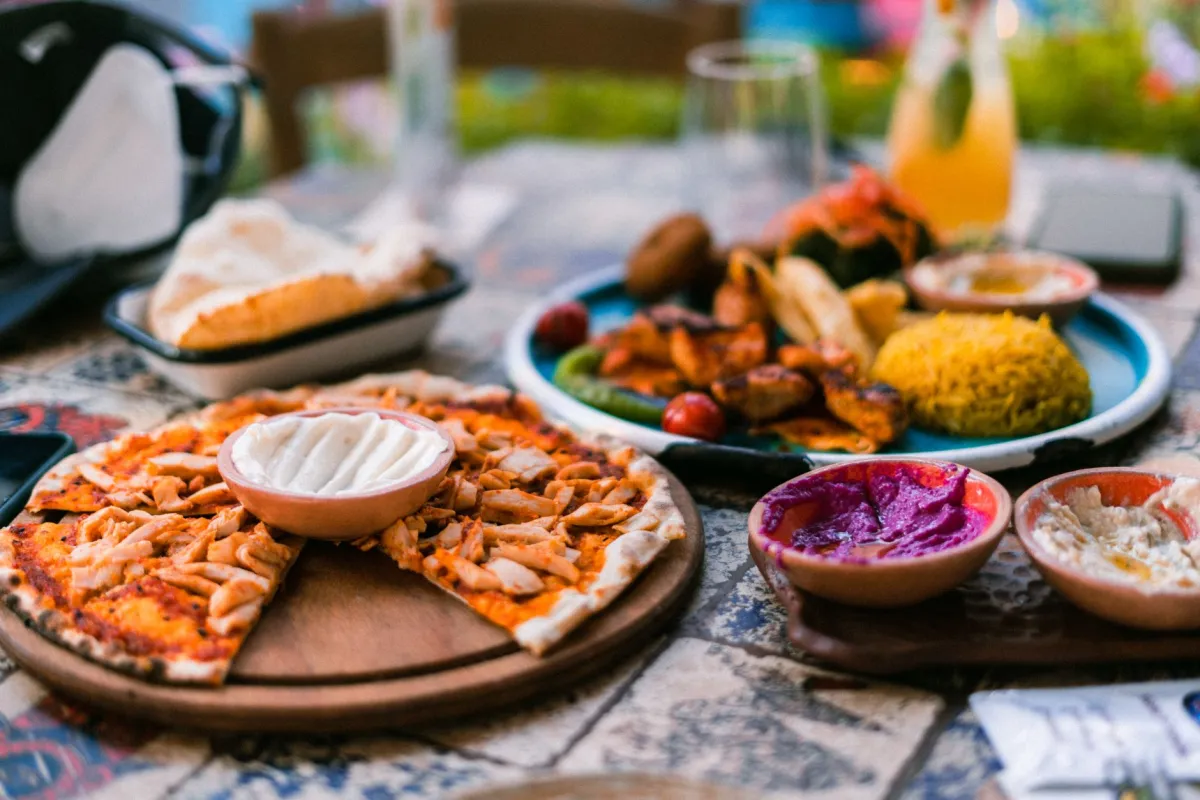
You already know the plan: more vegetables, more beans, a drizzle of olive oil. Then it’s 6:30 on a Tuesday, the fridge holds half a lemon and takeout starts looking good. This printable takes the guesswork out with a full week of meals and a shopping list you can stick on the fridge.
- Your 7-Day Mediterranean Diet Meal Plan Printable
- How Do You Use This Mediterranean Diet Meal Plan Printable?
- Why This Plan Works for Beginners
- How Can You Adjust the Plan for Budget, Diet or Appetite?
- What Mistakes Do Beginners Make With a Mediterranean Meal Plan?
- Who Should Check With a Doctor or Dietitian First?
- What Does the Research Say About the Mediterranean Diet?
- FAQ
- The Bottom Line
Nearly every meal uses ordinary supermarket food, and most dinners make enough for the next day’s lunch. Print it, shop once and see how the week feels.
Your 7-Day Mediterranean Diet Meal Plan Printable
This plan is written for one adult, so double the grocery list for two. Dinners marked “extra” stretch into tomorrow’s lunch.
Week 1: Daily Meals
| Day | Breakfast | Lunch | Dinner | Snack |
|---|---|---|---|---|
| Monday | Greek yogurt, berries, walnuts | Chickpea salad, cucumber, feta | Sheet-pan salmon, broccoli, potatoes (extra) | Apple and almonds |
| Tuesday | Oatmeal, banana, cinnamon | Leftover salmon over greens | Lentil soup, whole-grain bread (extra) | Hummus and carrots |
| Wednesday | Spinach and tomato egg scramble | Leftover lentil soup | Chicken, peppers, zucchini, brown rice (extra) | Orange and walnuts |
| Thursday | Whole-grain toast, hummus, tomato | Leftover chicken rice bowl | Whole-wheat pasta, white beans, spinach (extra) | Greek yogurt with honey |
| Friday | Oatmeal, berries, walnuts | Leftover pasta with greens | Baked cod, green beans, potatoes | Hummus and cucumber |
| Saturday | Eggs, spinach, whole-grain toast | Tuna, white bean, tomato salad | Veggie pita pizzas with mozzarella | Apple and almonds |
| Sunday | Greek yogurt, banana, walnuts | Greek salad with chickpeas, pita | Chickpea-tomato stew, brown rice | Olive oil popcorn |
A simple plate rule: fill about half with vegetables, a quarter with whole grains or potatoes, and a quarter with protein. Use olive oil as your main cooking fat.
Weekend Prep List
- Cook the brown rice and store it in the fridge.
- Wash and chop peppers, cucumbers, carrots and onions.
- Whisk a jar of dressing: olive oil, red wine vinegar, lemon, oregano.
- Rinse and drain the canned chickpeas and white beans.
- Portion nuts into small handfuls for snacks.
Grocery List: Vegetables
| Item | Approx. amount | Used in |
|---|---|---|
| Baby spinach | 2 bags | Eggs, pasta, salads |
| Mixed salad greens | 1 bag | Tuesday and Friday lunches |
| Broccoli | 1 large head | Monday dinner |
| Zucchini | 2 medium | Wednesday dinner |
| Bell peppers | 3 | Chicken dinner, pita pizzas |
| Cucumbers | 2 | Salads, snacks |
| Cherry tomatoes | 2 pints | Eggs, toast, salads |
| Carrots | 1 bag | Soup, snacks |
| Yellow onions | 3 | Soup, chicken, stew |
| Garlic | 1 head | Most dinners |
| Lemons | 3 | Salmon, dressing |
| Potatoes | 2 lb (about 900 g) | Salmon and cod dinners |
| Frozen green beans | 1 bag | Friday dinner |
Grocery List: Fruit
| Item | Approx. amount | Used in |
|---|---|---|
| Frozen mixed berries | 1 bag | Yogurt, oatmeal |
| Bananas | 3 | Oatmeal, yogurt |
| Apples | 2 | Snacks |
| Oranges | 2 | Snack |
Grocery List: Fish and Chicken
| Item | Approx. amount | Used in |
|---|---|---|
| Salmon fillets | 2 (about 12 oz total) | Monday dinner, Tuesday lunch |
| Boneless chicken thighs | 1 lb (about 450 g) | Wednesday dinner, Thursday lunch |
| Frozen cod fillets | 1 bag | Friday dinner |
| Canned tuna in water | 1 can | Saturday lunch |
Grocery List: Dairy and Eggs
| Item | Approx. amount | Used in |
|---|---|---|
| Eggs | 1 dozen | Breakfasts |
| Plain Greek yogurt | 32 oz tub | Breakfasts, snack |
| Feta cheese | 1 small block | Salads |
| Shredded part-skim mozzarella | 1 small bag | Pita pizzas |
Grocery List: Beans and Whole Grains
| Item | Approx. amount | Used in |
|---|---|---|
| Canned chickpeas | 3 cans | Salads, stew |
| Canned white beans | 2 cans | Pasta, tuna salad |
| Dry brown or green lentils | 1 cup | Tuesday soup |
| Rolled oats | 1 canister | Breakfasts |
| Brown rice | 1 bag | Two dinners |
| Whole-wheat pasta | 1 box | Thursday dinner |
| Whole-grain bread | 1 loaf | Soup, toast |
| Whole-wheat pitas | 1 pack | Pizzas, Sunday lunch |
| Popcorn kernels | 1 small jar | Sunday snack |
Grocery List: Pantry and Flavor
| Item | Approx. amount | Used in |
|---|---|---|
| Extra-virgin olive oil | 1 bottle | Cooking, dressing |
| Hummus | 1 tub | Toast, snacks |
| Walnuts | 1 small bag | Breakfasts, snack |
| Almonds | 1 small bag | Snacks |
| Canned crushed tomatoes | 2 large cans | Soup, stew, pizza |
| Low-sodium vegetable broth | 1 carton | Lentil soup |
| Red wine vinegar | 1 bottle | Dressing |
| Dried oregano | 1 jar | Chicken, salads |
| Ground cumin | 1 jar | Soup, stew |
| Cinnamon | 1 jar | Oatmeal |
| Honey | 1 small jar | Yogurt |
Amounts are approximate. Check your pantry first, because you may already own the oil, spices and oats.
How Do You Use This Mediterranean Diet Meal Plan Printable?
Treat this as a shopping map and a loose schedule, not a contract. Shop from the list once, spend about an hour on weekend prep, then work through the days in order so leftovers roll into lunch.
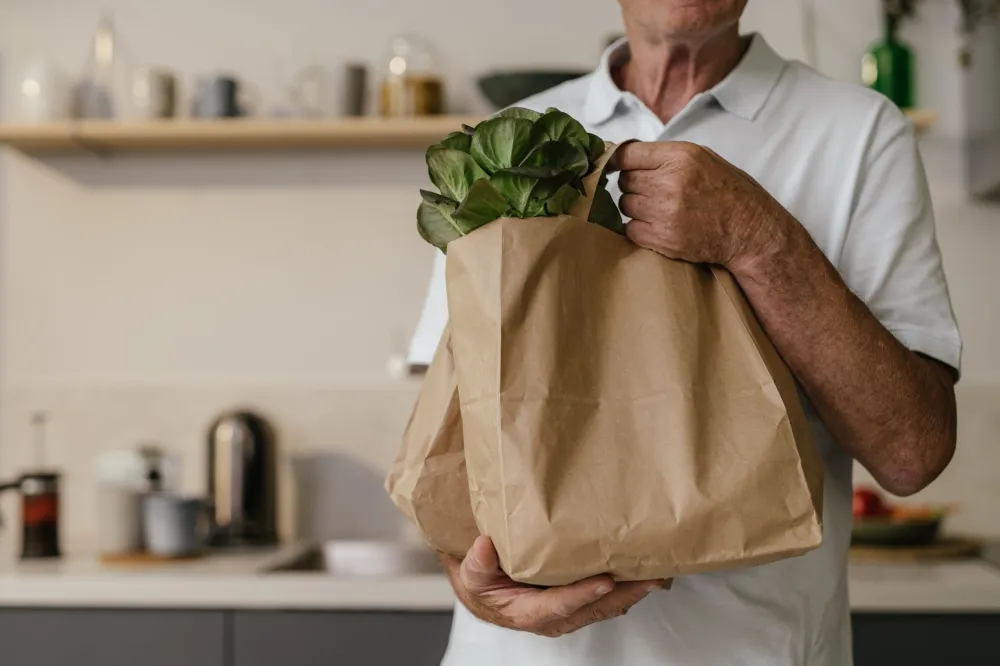
Here’s the simplest way to put it to work:
- Print and post it: Tape the week to the fridge or save the PDF to your phone so it’s handy when you’re standing in the store.
- Shop the list in one trip: The grocery list follows store sections, so you can move through produce, the fish counter and the pantry aisles without backtracking.
- Prep on the weekend: Cooked rice, chopped vegetables and a jar of dressing often turn weeknight dinners into 20 to 30 minutes of work.
- Cook “extra” dinners on purpose: Make a double batch on those nights. The USDA advises eating cooked leftovers within about 3 to 4 days.
- Swap days, not rules: If Wednesday falls apart, move it to Thursday. The plan still works as long as the overall pattern holds.
What the first couple of weeks may feel like
The biggest change for most people is fiber. Beans, lentils, oats and whole grains pack in far more of it than many standard meals, and a jump that sudden can cause gas or bloating for a week or so.
That usually settles as your gut adjusts. Your microbiome, the trillions of bacteria living in your gut, ferments much of that fiber, which is one reason researchers are interested in this way of eating. If you’re curious what feeds those bacteria, read about what actually feeds your gut microbiome.
Why This Plan Works for Beginners
This plan changes what’s on your plate without asking you to learn new cooking skills. You’re adding beans, fish, vegetables, nuts and olive oil to meals you already know how to make.
The Mediterranean diet is an eating pattern inspired by the traditional foods of countries bordering the Mediterranean Sea. Think plenty of plants, whole grains, beans, nuts and olive oil, fish a couple of times a week, modest dairy, and little red meat or sweets. For a plain overview, Mayo Clinic is a solid starting point, and our plain-English Mediterranean diet explainer covers the background.
Notice what’s missing from the plan: calorie counts, forbidden foods and weigh-ins. That’s deliberate. Patterns you can keep tend to beat plans you quit by Thursday.
How Can You Adjust the Plan for Budget, Diet or Appetite?
You can tweak this plan by swapping ingredients within the same food group: one bean for another, frozen fish for fresh, or bigger or smaller grain portions. The structure stays the same, so the week still balances out.
| Your situation | Simple swap | Example |
|---|---|---|
| Tight budget | Canned or frozen fish and produce | Canned salmon instead of fresh |
| Vegetarian | Beans, lentils or eggs for meat | Lentils instead of chicken |
| Smaller appetite | Smaller grain and protein portions | Half portion of rice |
| Very active | Add grains, nuts or a snack | Extra slice of whole-grain bread |
| Gluten-free | Rice, potatoes or certified gluten-free oats | Brown rice pasta on Thursday |
| Picky eaters at home | Build-your-own bowls | Toppings served separately |
Money is the worry people raise first. The good news is that beans, lentils, oats, frozen vegetables and canned fish tend to be among the cheapest foods in most American supermarkets. Store-brand olive oil works fine for cooking, so save the fancy bottle for drizzling, if you buy one at all.
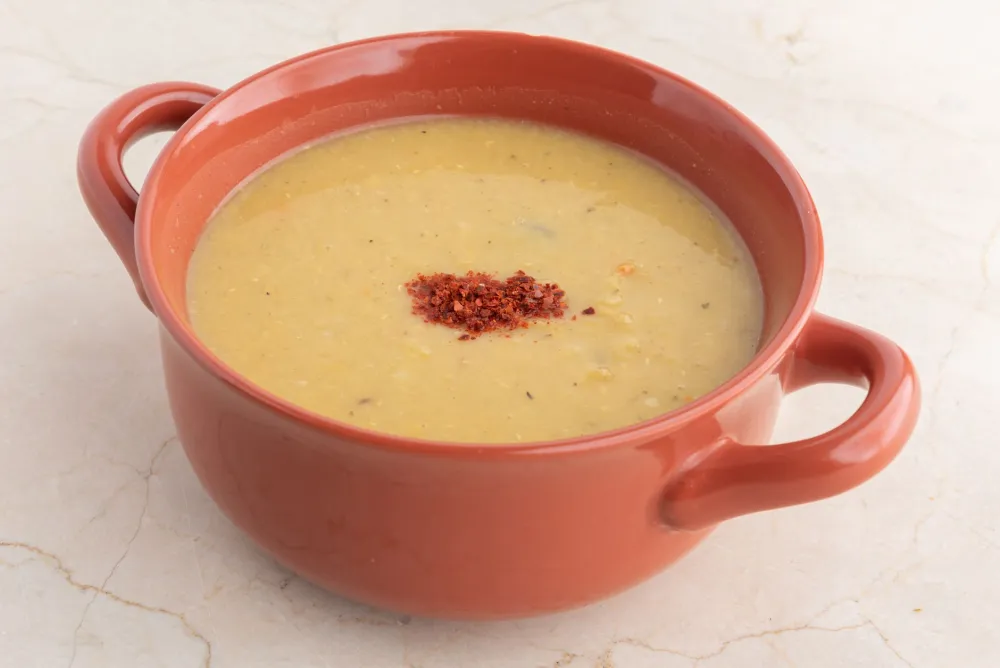
If weeknights are chaos, our guide to meal prep for busy weeks without burnout has more ideas. Even prepping two parts, like rice and dressing, can take a real bite out of the 6 PM scramble.
What Mistakes Do Beginners Make With a Mediterranean Meal Plan?
The usual traps are pouring olive oil without measuring, buying packaged foods with a “Mediterranean” label and trying to overhaul everything by Monday. Any one of them can quietly undo the benefits of a good meal plan.
- Treating olive oil as free: It’s a healthy fat, but one tablespoon is roughly 120 calories (approximate, per USDA data). A tablespoon or so per meal is plenty for most people.
- Snacking from the bag: A 1-ounce (about 28 g) handful of almonds is roughly 160 calories. Pre-portioning keeps it a snack instead of a second dinner.
- Buying the label, not the food: “Mediterranean-style” chips and frozen meals are often heavily processed. Our look at ultra-processed foods and simple swaps explains why that matters.
- Skipping the beans: Legumes do much of the heavy lifting for fiber and plant protein. Don’t drop them first.
- Eating too little: Slashing portions to speed up weight loss tends to backfire. Here’s why crash diets backfire and what lasts instead.
One more trap: thinking you need red wine. You don’t. More on that in the research section below.
Who Should Check With a Doctor or Dietitian First?
Most healthy adults can follow this plan without special precautions. Some people should check with a doctor or registered dietitian first, especially if they take medications or manage a long-term condition, since food changes can interact with treatment.
- Blood thinners such as warfarin: Leafy greens are rich in vitamin K, which affects how warfarin works. Keeping your intake steady matters, so ask your doctor before changing how much you eat.
- Diabetes medications: Shifting carbohydrates toward whole grains and beans can change blood sugar, so your care team may want to keep an eye on it.
- Kidney disease: Beans, potatoes and leafy greens contain potassium, which some people with kidney disease need to limit.
- Pregnancy: Fish choices and portions matter, so check with your doctor.
- Food allergies or a history of disordered eating: A dietitian can help tailor the plan safely.
Here’s the clear safety line. Unexplained weight loss, chest pain, trouble breathing, numbness or weakness, and ongoing digestive symptoms such as blood in your stool call for a prompt visit to a doctor. A meal plan can’t sort those out, and they deserve a proper medical evaluation.
What Does the Research Say About the Mediterranean Diet?
Research suggests this way of eating is associated with better heart health, and it has been studied more than most eating patterns. The evidence is strongest for heart disease. Claims about fast weight loss or single “superfoods” are much weaker.
The best-known trial is PREDIMED, a large Spanish study of adults at high risk of heart disease. Participants assigned to a Mediterranean diet with extra-virgin olive oil or nuts had fewer major cardiovascular events, such as heart attacks and strokes, than those told to cut back on fat. The original paper was retracted and republished after problems with how some participants were randomized. The corrected results still pointed the same way.

Many observational studies, which follow what people eat and how their health changes over the years, link this pattern to lower rates of heart disease and type 2 diabetes. They can’t prove cause and effect, though. People who eat this way may also move more or smoke less. For a balanced read on the research, Harvard Health is a good place to start.
Where the hype runs ahead of the evidence
Weight loss is where expectations need adjusting. Studies suggest Mediterranean-style eating can support weight loss about as well as other balanced diets when overall intake is similar. It isn’t faster. It may be easier to stick with, and that’s a real advantage.
Let’s clear up the wine myth. No major health authority recommends starting to drink for your health. The research on alcohol is murkier than older headlines suggested, as our review of light drinking and brain health research shows. Water, sparkling water and tea work just fine with this meal plan.
FAQ
The Bottom Line
This plan works best when it removes decisions: one grocery list, one prep session and leftovers that become lunch. Print the week, shop the list once and follow the days in order. Add beans gradually, pour olive oil by the tablespoon and let go of the wine idea. If you take medications or manage a health condition, check with your doctor or a dietitian before making big changes.
This article is for informational purposes only and is not a substitute for professional medical advice, diagnosis, or treatment. Always consult a qualified healthcare provider about your specific situation. If you experience severe or sudden symptoms, seek medical care immediately.

Weight Loss and Nutrition
Browse every related article on this topic in one place.