Picture the 6 PM rush: the pan is starting to scorch, the kids are hungry, and you’re squinting at a nutrition label on your phone. A high protein foods chart printable taped inside a cabinet door beats that scramble. Most of us guess at protein, and the guesses are often off. One large egg has about 6 grams, roughly what you’d get from a single ounce of cheddar.
Every number comes from USDA FoodData Central, the federal government’s food nutrient database. They’re rounded and marked approx. because brands and cooking methods vary. Think of it as a list you can scan in ten seconds. Print it first, then keep reading to turn those numbers into real meals.
High Protein Foods Chart Printable: 42 Foods With Grams
Legend: approx. protein and calories per serving, cooked unless noted, rounded from USDA FoodData Central. Brands vary.
Meat and Poultry
| Food | Serving | Protein | Calories |
|---|---|---|---|
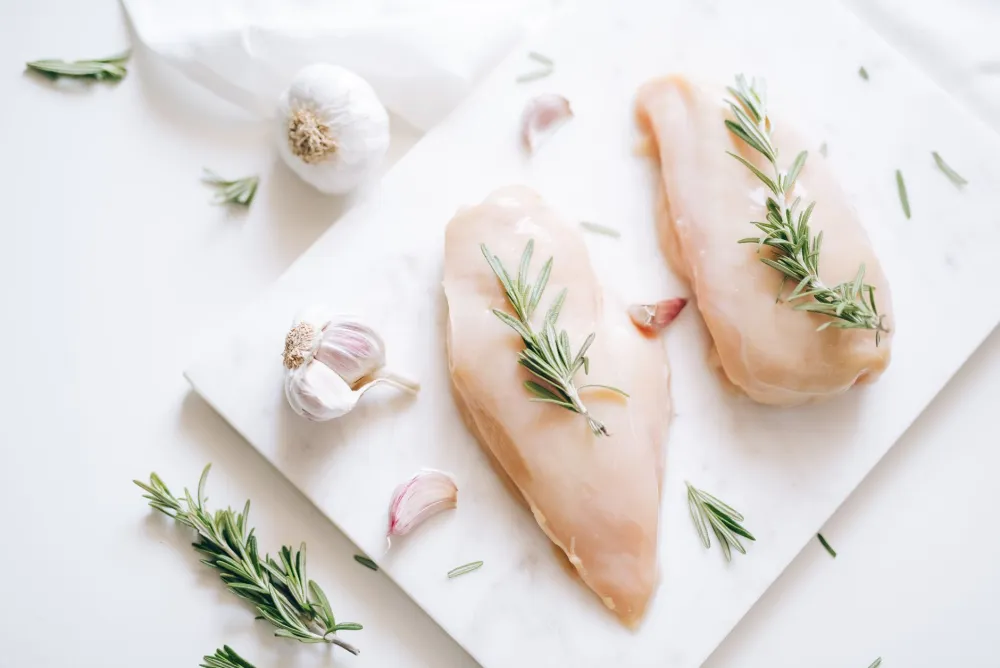
| Chicken breast, skinless | 3 oz (85 g) | ~26 g | ~140 |
| Beef sirloin steak, lean | 3 oz (85 g) | ~25 g | ~160 |
| Turkey breast, roasted | 3 oz (85 g) | ~25 g | ~130 |
| Ground beef, 93% lean | 3 oz (85 g) | ~22 g | ~165 |
| Pork tenderloin | 3 oz (85 g) | ~22 g | ~125 |
| Chicken thigh, skinless | 3 oz (85 g) | ~21 g | ~170 |
Fish and Seafood
| Food | Serving | Protein | Calories |
|---|---|---|---|
| Tilapia | 3 oz (85 g) | ~22 g | ~110 |
| Salmon, Atlantic | 3 oz (85 g) | ~22 g | ~175 |
| Sardines, canned, drained | 3 oz (85 g) | ~21 g | ~175 |
| Tuna, canned light, drained | 3 oz (85 g) | ~20 g | ~100 |
| Shrimp | 3 oz (85 g) | ~20 g | ~85 |
| Cod | 3 oz (85 g) | ~19 g | ~90 |
Eggs and Dairy
| Food | Serving | Protein | Calories |
|---|---|---|---|
| Greek yogurt, plain nonfat | 6 oz (170 g) | ~17 g | ~100 |
| Ricotta, part-skim | 1/2 cup | ~14 g | ~170 |
| Cottage cheese, 2% | 1/2 cup | ~13 g | ~90 |
| Egg whites | 3 large | ~11 g | ~50 |
| Milk, 2% | 1 cup (8 oz) | ~8 g | ~120 |
| Cheddar cheese | 1 oz (28 g) | ~7 g | ~115 |
| String cheese, part-skim | 1 stick | ~7 g | ~80 |
| Whole egg | 1 large | ~6 g | ~72 |
Beans, Soy and Plant Proteins
| Food | Serving | Protein | Calories |
|---|---|---|---|
| Tempeh | 3 oz (85 g) | ~17 g | ~160 |
| Edamame, shelled | 1/2 cup | ~9 g | ~95 |
| Lentils | 1/2 cup | ~9 g | ~115 |
| Tofu, firm, packaged | 3 oz (85 g) | ~9 g | ~85 |
| Black beans | 1/2 cup | ~8 g | ~115 |
| Soy milk, unsweetened | 1 cup (8 oz) | ~7 g | ~80 |
| Chickpeas | 1/2 cup | ~7 g | ~135 |
Nuts and Seeds
| Food | Serving | Protein | Calories |
|---|---|---|---|
| Hemp seeds, hulled | 3 tbsp | ~10 g | ~165 |
| Pumpkin seeds, hulled | 1 oz (28 g) | ~8 g | ~160 |
| Peanuts | 1 oz (28 g) | ~7 g | ~165 |
| Peanut butter | 2 tbsp | ~7 g | ~190 |
| Almonds | 1 oz (about 23) | ~6 g | ~165 |
| Sunflower seeds, hulled | 1 oz (28 g) | ~6 g | ~165 |
| Chia seeds | 1 oz (about 2 tbsp) | ~5 g | ~140 |
Grains and Vegetables
| Food | Serving | Protein | Calories |
|---|---|---|---|
| Quinoa | 1 cup | ~8 g | ~220 |
| Whole-wheat pasta | 1 cup | ~7 g | ~175 |
| Rolled oats, dry | 1/2 cup | ~5 g | ~150 |
| Spinach | 1 cup | ~5 g | ~40 |
| Brown rice | 1 cup | ~5 g | ~220 |
| Whole-wheat bread | 1 slice | ~4 g | ~80 |
| Broccoli, chopped | 1 cup | ~4 g | ~55 |
| Potato, baked with skin | 1 medium | ~4 g | ~160 |
Daily Protein Quick Math
- Baseline for healthy adults: 0.8 g per kg of body weight (about 0.36 g per pound).
- 150 lb adult: about 55 g a day.
- 200 lb adult: about 72 g a day.
- Older or very active adults may need more. Ask your doctor or a dietitian.
Easy 20 to 30 Gram Combos
- 6 oz Greek yogurt + 3 tbsp hemp seeds: about 27 g
- 2 eggs + 1/2 cup cottage cheese: about 25 g
- 3 oz tempeh + 1/2 cup lentils: about 26 g
- 3 oz canned tuna + 2 slices whole-wheat bread: about 28 g
- 1 cup milk + 1/2 cup oats + 2 tbsp peanut butter: about 20 g
How Do You Use This Chart Day to Day?
The easiest approach is to pick one protein anchor from the top rows of any table for each meal, then fill in with foods further down. You don’t have to count every gram forever. The goal is to train your eye so a protein-rich plate starts to look normal.
Here’s a routine that works for most people in the first week or two:
- Post it where you plan: The fridge door or the inside of a pantry door works well, since that’s where grocery lists get written.
- Find your rough target: Use the quick math box. A 150-pound adult lands near 55 grams a day, a useful starting point for many adults.
- Anchor each meal: Choose one food with 15 grams or more, like Greek yogurt at breakfast or chicken at dinner.
- Spot-check three days: Jot down what you eat and tally it against the chart. Three ordinary days tell you more than one perfect one.
- Fix the weakest meal first: Swap or add one item, not ten.
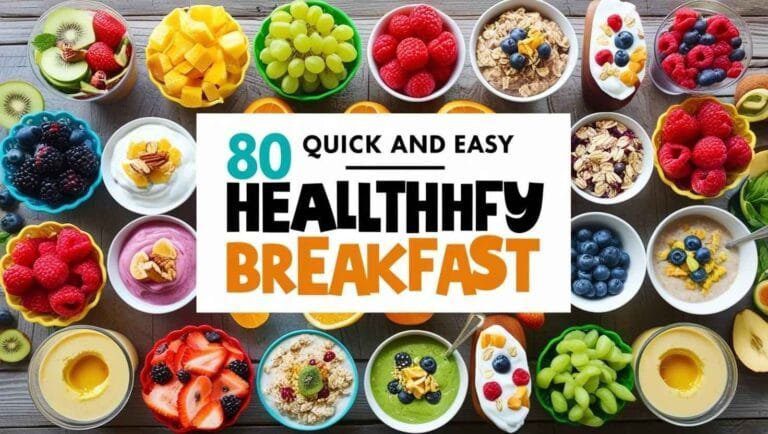
For a lot of people, breakfast is the gap. Toast and coffee often land under 10 grams, while a bowl of Greek yogurt with seeds can clear 25. If mornings are your weak spot, these high-protein breakfast ideas give you plenty of options to rotate.

Protein is one of the three macronutrients, along with carbs and fat. It’s made of amino acids, the small building blocks your body uses to repair muscle, make enzymes and support immune function. MedlinePlus, the consumer health site from the National Institutes of Health, lists different protein recommendations for children, teens and adults, which is why a chart of common foods beats a single magic number.
What to expect in the first two weeks
Week one usually brings a surprise: intake is often lopsided, light at breakfast and heavy at dinner. By week two, you’ll probably stop checking the chart for your regular foods because you’ll simply remember them. Some people feel fuller between meals, though that varies from person to person.
How to Adjust the Chart for Your Life
You can adapt the chart for a tight budget, a vegetarian diet or a smaller appetite just by choosing different rows. The numbers stay the same. Only your picks change.
On a budget
Protein doesn’t have to mean pricey steaks. Canned fish, eggs, dried beans and store-brand dairy are often among the cheapest protein sources in a typical US grocery store.
| Instead of | Try | Protein (approx.) |
|---|---|---|
| Fresh salmon fillet | Canned tuna or sardines | ~20 g per 3 oz |
| Steak | Lentils or black beans | ~8 to 9 g per 1/2 cup |
| Protein bars | Hard-boiled eggs | ~6 g each |
| Chicken breast | Chicken thighs | ~21 g per 3 oz |
| Single-serve yogurt cups | Large tub of Greek yogurt | ~17 g per 6 oz |
Cooking a big pot of lentils or a sheet pan of chicken thighs on Sunday makes these swaps easier on weeknights. Our guide to meal prep for busy weeks has a realistic way to do it without spending your whole weekend in the kitchen.
Vegetarian or vegan
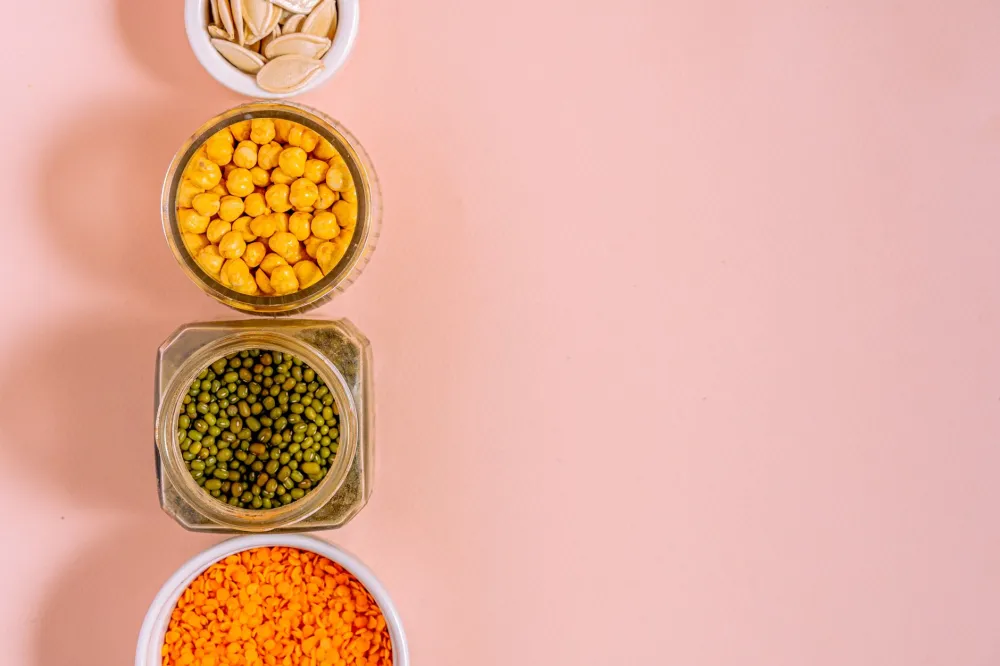
Plant eaters can meet their protein needs by leaning on the soy and bean rows, then adding smaller amounts from nuts, seeds and grains. Tempeh, edamame, tofu and lentils do most of the heavy lifting. Hemp and pumpkin seeds make easy toppers for oatmeal or salads.
Smaller appetites and portion sizes
When big portions feel like a chore, go for density. Greek yogurt, cottage cheese and egg whites pack more protein into fewer bites than most foods on the list. Cut a serving in half and the numbers get cut in half too, so 1 1/2 ounces of chicken gives you roughly 13 grams.
What Are the Common Protein Chart Mistakes?
The most common mistakes with any protein chart are mixing up raw and cooked weights, eating most of your protein at dinner, and trusting front-of-box claims over the label. Each one is easy to fix once you know what to look for.
- Raw vs cooked weight: Meat shrinks as it cooks, so 4 ounces raw ends up near 3 ounces cooked. This chart uses cooked weights unless noted.
- Dinner-heavy days: Loading 50 grams into one meal and 5 into another is common. Spreading it out is easier on your appetite.
- Ignoring the package: Bacon and hot dogs contain protein, but they also bring lots of sodium and saturated fat.
- Falling for “protein” snacks: Some bars and cereals add a few grams of protein to a lot of sugar. Check the label against the chart.
- Crowding out plants: Going all-in on protein can push fiber-rich vegetables, fruit and whole grains off the plate.
That last one matters more than people expect. Swapping your morning fruit for a third egg won’t help if your fiber intake drops to almost nothing. Think of protein as something you add, not a reason to cut everything else.
One more quiet mistake: measuring once and assuming forever. Your “3-ounce” chicken portion may drift toward 6 ounces over a few months. A kitchen scale checked every so often keeps the numbers honest.
Who Should Check With a Doctor First?
Most healthy adults can use a protein chart without special supervision. Some people should still check with a doctor or registered dietitian before raising their protein intake, especially if they live with a chronic condition or take medications that affect appetite.
- Kidney disease: People with chronic kidney disease are often advised to limit protein, so follow your care team’s numbers rather than any chart.
- Liver disease or gout: Protein type and amount may need tailoring.
- Pregnancy or breastfeeding: Needs change, so ask your OB-GYN or midwife.
- Weight-loss medications: If you take a GLP-1 drug, our article on GLP-1 and protein targets covers why muscle matters, but your prescriber should guide the specifics.
- A history of disordered eating: Tracking numbers can be unhelpful for some people. A dietitian can suggest gentler approaches.
Using this chart also means checking for allergies, since soy, dairy, eggs, peanuts, tree nuts, fish and shellfish all show up on it. And if you notice unexplained weight loss, ongoing fatigue or other symptoms that won’t go away, see a doctor rather than adjusting your diet on your own.
What Does the Research Say About Protein?
Research supports the idea that most healthy adults need at least 0.8 grams of protein per kilogram of body weight daily, and that older or very active adults may benefit from more. Past that point, the evidence gets murkier, and a few popular ideas outrun the science.
That 0.8 figure, the Recommended Dietary Allowance (RDA), was set to prevent deficiency in nearly all healthy adults. Many researchers see it as a floor, not a target. Some experts suggest older adults aim closer to 1.0 to 1.2 grams per kilogram to help slow sarcopenia, the gradual muscle loss that comes with age. Sports nutrition groups often suggest higher ranges for athletes.
If weight loss is the goal, protein may help you hold on to muscle while you lose fat. Our piece on how much protein you need to keep muscle during weight loss walks through the numbers in more detail.
Myth vs fact
Myth: more protein always means more muscle. Fact: protein supports muscle repair, but muscle growth mostly depends on strength training. Without that training signal, much of the extra protein simply isn’t put to muscle-building use. If you’re deciding where to spend your gym time, see our breakdown of strength training vs cardio.
Myth: you need shakes to hit your target. Fact: most people can meet their needs with ordinary food from a chart like this one. Supplements can be convenient, but the FDA doesn’t check them for safety and effectiveness the way it reviews drugs, and some may interact with medications. Mention them to your doctor or pharmacist.
Myth: all protein is equal. Fact: Harvard Health has noted that the source of your protein matters. Diets heavy in red and processed meat are associated with higher health risks, while protein from fish, poultry, beans and nuts is linked with better outcomes in observational studies. Those studies show associations, not proof of cause. For the bigger picture on eating well, browse our weight loss and nutrition guide.
FAQ
The Bottom Line
A high protein foods chart printable turns guesswork into quick choices at the grocery store and the stove. Start by printing it, finding your rough daily target in the quick math box, and anchoring each meal with one food that has 15 grams or more. Fix your weakest meal first, which is often breakfast, and lean on beans, eggs and canned fish when money’s tight. If you have kidney disease, take a weight-loss medication or are pregnant, check with your doctor before raising your intake.
This article is for informational purposes only and is not a substitute for professional medical advice, diagnosis, or treatment. Always consult a qualified healthcare provider about your specific situation. If you experience severe or sudden symptoms, seek medical care immediately.

Weight Loss and Nutrition
Browse every related article on this topic in one place.