

If you have searched for how to get rid of cavities at home, you have probably found plenty of promises: oil pulling, special toothpastes, herbal powders. The honest answer is more useful. A very early cavity can sometimes be stopped and repaired by your own saliva and fluoride. Once a real hole has formed in the tooth, though, it cannot grow back, and the only way to get rid of it is treatment from a dentist.
This guide explains the difference, what dentists do at each stage, and the habits that stop new cavities from forming.
What Is a Cavity?
A cavity, also called tooth decay or dental caries, is a damaged area of the tooth that turns into a small hole. It starts with plaque, the sticky film of bacteria that builds up on teeth. When you eat or drink sugars and starches, those bacteria produce acid. Each acid attack pulls minerals out of the enamel, the hard outer layer of the tooth.
Your saliva works to put those minerals back between meals. Decay happens when the acid attacks win: too much sugar, too often, with too little cleaning and fluoride. Over time the enamel weakens, then breaks down into a hole, and the decay can spread into the softer dentin beneath and eventually reach the nerve.

The Stages of Tooth Decay
| Stage | What you may notice | Can it be reversed? |
|---|---|---|
| 1. Demineralization | A chalky white spot on the tooth. No pain. | Yes. Fluoride and good cleaning can remineralize it. |
| 2. Enamel decay | The white spot turns brown, and a small hole forms. | No. Needs a filling. |
| 3. Dentin decay | Sensitivity to sweet, hot or cold. | No. Needs a filling or crown. |
| 4. Pulp damage | Toothache, often throbbing or keeping you awake. | No. Usually needs a root canal. |
| 5. Abscess | Severe pain, swelling, bad taste, sometimes fever. | No. Needs urgent dental care. |
Signs You Might Have a Cavity
- Sensitivity when you eat or drink something sweet, hot or cold
- Pain when you bite down
- A toothache that comes and goes or lingers
- A visible hole or pit in a tooth
- White, brown or black staining on the tooth surface
- Food regularly getting stuck in the same spot
Early cavities often cause no symptoms at all, which is why regular dental checkups and X-rays matter. By the time a tooth hurts, the decay is usually well along.
How to Get Rid of Cavities: What You Can Do at Home
Home care cannot fill a hole, but it can stop early decay, slow existing cavities and prevent new ones.
Brush twice a day with fluoride toothpaste
Fluoride is the most proven tool against decay. It helps rebuild weakened enamel and makes teeth more resistant to acid. Adults should use a fluoride toothpaste, typically 1,350 to 1,500 ppm. After brushing, spit, but do not rinse with water, so the fluoride stays on your teeth longer.
Clean between your teeth
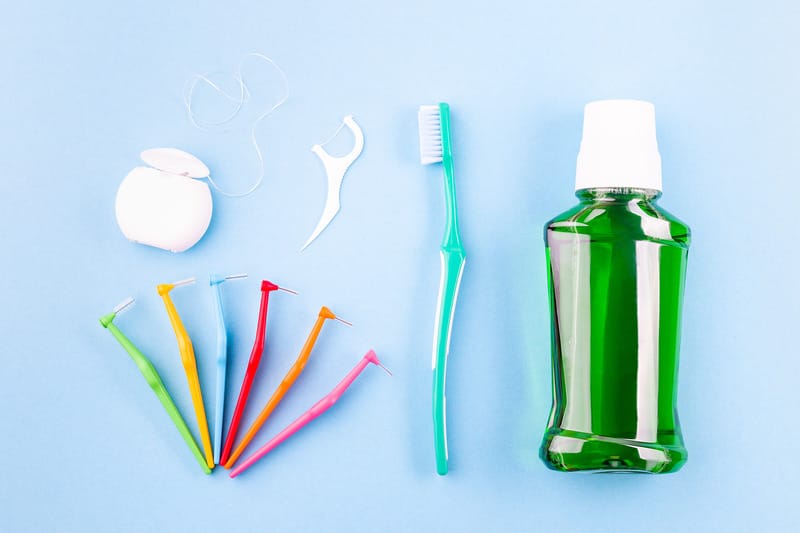
Brushing misses the surfaces between teeth, where many cavities start. Use floss or interdental brushes once a day.
Cut how often you have sugar
How often you have sugar matters more than how much. Every sugary snack or drink starts a new acid attack that lasts around an hour. Keep sweet foods to mealtimes, and avoid sipping sugary drinks, juice or sweetened coffee through the day. Our tips on cutting added sugar without feeling deprived can help.
Help your saliva
Drink water between meals and chew sugar-free gum after eating, which boosts saliva flow. Gum with xylitol may add a small extra benefit.
Ask about extra fluoride
If you get cavities often, your dentist may prescribe a high-fluoride toothpaste or recommend a fluoride mouthwash used at a different time from brushing.
How Dentists Treat Cavities
- Fluoride varnish for very early decay. A concentrated fluoride coating is painted on to help the enamel remineralize.
- Silver diamine fluoride, a liquid that can stop decay from progressing without drilling. It stains the decayed area black, so it is used mostly on back teeth, baby teeth or for people who cannot have fillings.
- Fillings. The decay is removed and the hole filled with tooth-colored composite or another material. This is the most common treatment.
- Crowns when decay is large and the tooth is weak. A cap covers and protects what is left.
- Root canal treatment when decay reaches the nerve. The infected pulp is removed and the tooth sealed. Read more in our root canal treatment guide.
- Extraction when a tooth cannot be saved.
The earlier a cavity is treated, the smaller, quicker and cheaper the fix.
How to Prevent Cavities
- Brush twice daily with fluoride toothpaste, including last thing at night.
- Clean between teeth once a day.
- Limit sugary food and drinks to mealtimes.
- See your dentist for checkups at the interval they recommend, often every 6 to 12 months.
- Ask about dental sealants, a protective coating on the chewing surfaces of back teeth, especially for children.
- Drink fluoridated tap water where it is available.
- If you have a dry mouth from medication, tell your dentist, because it raises cavity risk.
Pain at the back of the mouth is not always a cavity. If it is around an erupting tooth, see our guide to wisdom tooth pain.
Untreated decay and gum problems are a frequent cause of bad breath too.
While you wait for a dental appointment, these steps for toothache relief can take the edge off the pain.
Hardened plaque is a separate problem that only a dentist can fully clear: see how to remove tartar safely.
FAQ
Can a cavity heal on its own?
Only at the earliest stage, when there is a white spot but no hole. Fluoride and good cleaning can remineralize it. Once a hole forms, it cannot heal and needs a dentist.
How long can a cavity go untreated?
It varies from months to years, but decay keeps progressing. Leaving it risks pain, infection and the need for a root canal or extraction instead of a simple filling.
Does a cavity always hurt?
No. Early cavities are often painless. Pain usually means the decay has reached the inner layers of the tooth.
How can I ease cavity pain until I see a dentist?
Over-the-counter pain relievers, avoiding very hot, cold or sweet food, and rinsing with warm salt water can help briefly. Book a dental appointment as soon as possible, and seek urgent care if you have facial swelling or fever.
Are cavities contagious?
The bacteria that cause decay can pass between people through saliva, for example from parent to child by sharing spoons. Good oral hygiene in the whole household helps protect children.
The Bottom Line
You cannot get rid of a true cavity at home. An early white spot can be reversed with fluoride and good cleaning, but once a hole forms, a dentist needs to treat it, and the sooner the better. The real win is prevention: fluoride toothpaste twice a day, cleaning between teeth, keeping sugar to mealtimes and regular checkups. Find more mouth and teeth guides in our ear, nose, throat and dental hub.
This article is for general information and is not a substitute for advice from your dentist.
Sources
- National Institute of Dental and Craniofacial Research: Tooth Decay
- American Dental Association: Fluoride
- Cleveland Clinic: Cavities
- NHS: Tooth Decay
- MedlinePlus: Tooth Decay
Medical disclaimer: This article is for general information only and is not a substitute for advice, diagnosis or treatment from a qualified health professional. If your symptoms are severe, sudden or getting worse, contact a doctor or emergency services.

Ear, Nose, Throat and Dental
Browse every related article on this topic in one place.