
A toothache can go from a dull niggle to the kind of throbbing pain that keeps you awake all night. When it hits, you want relief fast. There are safe ways to take the edge off at home, but it helps to be honest about what they can and cannot do: home remedies ease pain for a while, and they do not fix the problem causing it.
This guide covers the common causes of toothache, what is safe to try while you wait for a dental appointment, which popular remedies have little evidence behind them, what your dentist will do and the warning signs that mean you need help the same day.
What Causes Toothache?
Most toothache starts when the sensitive pulp inside a tooth, which holds the nerve and blood vessels, becomes irritated or infected. The most common causes are:
- Tooth decay. Once a cavity gets through the enamel into the softer dentin, hot, cold and sweet foods can trigger pain. If decay reaches the pulp, the ache can become constant and throbbing. Our guide on how to get rid of cavities explains how decay develops.
- A dental abscess. A pocket of pus at the root tip or in the gum causes severe, throbbing pain, often with swelling, a bad taste or pain on biting.
- A cracked or broken tooth, which often hurts sharply when you bite or release, and can be hard to spot.
- A loose or broken filling or crown, which exposes the tooth underneath.
- Gum disease, which can cause aching, tender gums and, in later stages, loose teeth.
- Sensitive teeth from worn enamel or receding gums, giving short, sharp twinges with cold drinks or ice cream.
- Wisdom teeth coming through or becoming infected at the back of the jaw. See our guide to wisdom tooth pain.
- Teeth grinding, which can make several teeth and the jaw ache, especially in the morning.
Pain that is not from the tooth
A sinus infection can make the upper back teeth ache, usually several at once, often with a blocked nose and pain that gets worse when you bend forward. Our article on sinus congestion remedies covers this. Jaw joint problems and, rarely, heart problems can also cause pain felt in the teeth or jaw. Our guide to jaw pain on one side explains the differences.
Safe Short-Term Relief While You Wait
These steps can make the wait for a dentist more bearable. They work best combined.
Painkillers
Ibuprofen is usually the most effective over-the-counter option for dental pain because it reduces inflammation as well as pain. Paracetamol (acetaminophen) is an alternative if you cannot take ibuprofen, for example because of stomach ulcers, some kidney problems, certain asthma or pregnancy. Many adults can take both together or alternate them, but always follow the dose on the label, do not exceed the daily maximum and check with a pharmacist if you take other medicines or have health conditions. Children under 16 should not take aspirin.
Simple measures at home
- Cold compress. Hold an ice pack wrapped in a cloth against your cheek for 15 to 20 minutes at a time. This can ease swelling and dull the pain.
- Warm salt water rinse. Dissolve half a teaspoon of salt in a glass of warm water, swish gently and spit. It can help clean the area and soothe sore gums. Do not swallow it.
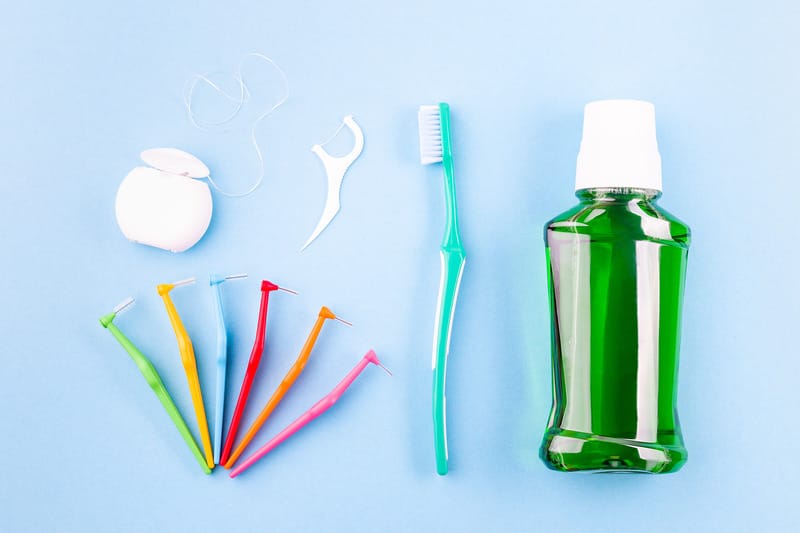
- Gently clean around the tooth. Food trapped between teeth can cause or worsen pain. Use floss or an interdental brush carefully.
- Avoid your triggers. Skip very hot, cold or sugary foods and drinks, and chew on the other side.
- Sleep with your head raised on an extra pillow. Lying flat can make throbbing worse at night.
- Use a desensitising toothpaste if the pain is a short, sharp twinge from cold. It takes a couple of weeks of regular use to work.
Clove oil and other remedies: what the evidence says
Older articles often promise “proven” natural cures. The evidence is much thinner than that.
| Remedy | What we know |
|---|---|
| Clove oil | Contains eugenol, which has a mild numbing effect and is used in some dental materials. Evidence for home toothache relief is limited. Apply a tiny amount on cotton wool to the tooth, not the gum, as neat oil can burn soft tissue. Not suitable for young children. |
| Miswak (chewing stick) | A traditional tooth-cleaning stick with some evidence for reducing plaque. It is a cleaning tool, not a treatment for toothache or infection. |
| Garlic, peppermint tea, essential oils | Little or no good evidence for dental pain. Raw garlic can irritate gums. |
| Numbing gels (benzocaine) | Brief, partial relief for adults. Do not use on children under 2, and follow the label. |
What Your Dentist Will Do
Book an appointment if toothache lasts more than a day or two, keeps coming back or is severe. The dentist will ask about your pain, examine the tooth and usually take an X-ray. Treatment depends on the cause:
- A filling for a cavity that has not reached the nerve.
- Root canal treatment if the pulp is inflamed or infected. It removes the source of pain and saves the tooth. Our guide to root canal treatment explains the steps.
- Draining an abscess, followed by root canal treatment or removal of the tooth.
- Extraction if the tooth cannot be saved.
- A new filling or crown for a broken restoration or cracked tooth.
- Cleaning and gum treatment for gum disease.
- Fluoride varnish or sealant for sensitive teeth.
Antibiotics are not a cure for toothache. Dentists prescribe them only when an infection is spreading or you are unwell, and the source of the infection still needs treatment.

Red Flags: When to Get Urgent Help
Most toothaches need a dentist within a few days. Some need help much sooner. Contact an emergency dentist or out-of-hours service the same day if you have:
- Swelling in your face, cheek, jaw or gum
- A high temperature or feeling generally unwell
- Severe pain that painkillers do not control
- Bleeding that will not stop after a tooth injury, or a knocked-out adult tooth
Go to an emergency department or call emergency services if you have swelling around your eye or neck, swelling that is spreading fast, difficulty swallowing, difficulty breathing or opening your mouth. These can be signs of a serious spreading infection.
Preventing Toothache
- Brush twice a day with a fluoride toothpaste and spit rather than rinse afterwards.
- Clean between your teeth once a day.
- Cut down on how often you have sugary snacks and drinks.
- Wear a mouthguard for contact sports, and ask about a night guard if you grind your teeth.
- Keep up regular dental checkups, so decay is caught while it is small and painless.
Good daily habits also help with problems like bad breath, which often shares the same causes.
Related reading: How to Remove Tartar From Teeth: What Works at Home and What Needs a Dentist.
Related reading: How Long Does Nicotine Stay in Your System? Urine, Saliva, Blood and Hair.
Related reading: Mold Exposure Symptoms: What Damp and Mold Can Really Do to Your Health.
Related reading: Heel Pain: Common Causes, Treatment and Is It Ever Serious?.
FAQ
What is the fastest way to stop a toothache?
For most adults, an anti-inflammatory painkiller such as ibuprofen, taken as the label directs, together with a cold compress gives the quickest relief. It is temporary, so book a dentist.
Why is toothache worse at night?
Lying flat increases blood flow to the head, which can make an inflamed tooth throb, and there are fewer distractions. Raising your head on a pillow can help.
Can a toothache go away on its own?
Mild sensitivity sometimes settles. Pain from decay or infection may fade if the nerve dies, but the infection remains and can flare up as an abscess. Get it checked even if the pain stops.
Does clove oil really work for toothache?
It may give brief, mild numbing, but the evidence is limited and the neat oil can burn your gums. Use only a small amount, and treat it as a stopgap.
Can I go to a doctor instead of a dentist for toothache?
A doctor can advise on pain relief and help with a spreading infection, but cannot treat the tooth. You will still need a dentist to fix the cause.
The Bottom Line
Toothache is usually a sign of decay, infection, a cracked tooth or gum problems. Painkillers taken as directed, a cold compress, salt water rinses and avoiding triggers can ease it for a day or two, but no home remedy treats the cause. See a dentist promptly, and get urgent help for facial swelling, fever or any difficulty swallowing or breathing. Browse more in our ear, nose, throat and dental hub.
This article is for general information and is not a substitute for advice from your dentist.
Sources
- NHS: Toothache
- NHS: Dental Abscess
- Cleveland Clinic: Toothache
- Cleveland Clinic: Sensitive Teeth
- National Institute of Dental and Craniofacial Research: Tooth Decay
Medical disclaimer: This article is for general information only and is not a substitute for advice, diagnosis or treatment from a qualified health professional. If your symptoms are severe, sudden or getting worse, contact a doctor or emergency services.

Ear, Nose, Throat and Dental
Browse every related article on this topic in one place.