

Almost everyone has bad breath sometimes, especially first thing in the morning or after a garlicky meal. Persistent bad breath is different. It can knock your confidence, and because it is hard to smell your own breath, many people only find out when someone tells them.
The reassuring part is that in most cases the cause is in the mouth, and it responds well to better cleaning and a visit to the dentist. This guide covers what causes bad breath, how to check yours, what genuinely helps, what only masks the smell and when it is worth seeing a dentist or doctor.
What Causes Bad Breath?
The medical name is halitosis. In the large majority of cases, the smell comes from bacteria in the mouth. These bacteria break down bits of food, dead cells and proteins and release volatile sulphur compounds, the gases behind the “rotten egg” smell.
Causes in the mouth
- A coated tongue. The back of the tongue is rough and traps bacteria and debris. It is one of the most common sources of bad breath and is often missed during brushing.
- Plaque and food between the teeth, especially if you do not clean between them every day.
- Gum disease. Bacteria collect in pockets between the gums and teeth. Bleeding gums when you brush are an early sign. Hardened plaque (tartar) gives bacteria more places to hide, and our guide on how to remove tartar explains why only a dental professional can fully clear it.
- Tooth decay and infection, including deep cavities, abscesses and gum flaps around partly erupted wisdom teeth.
- Dry mouth. Saliva washes away bacteria. Anything that reduces it, such as breathing through your mouth, dehydration, many medicines, alcohol or some health conditions, makes breath worse.
- Dentures that are not cleaned well or are worn overnight.
Food, drink and habits
- Garlic, onions and strong spices, whose odour compounds are absorbed and breathed out for hours
- Coffee and alcohol, which also dry the mouth
- Smoking and other tobacco, which leave their own smell and raise the risk of gum disease
- Crash diets, fasting and very low carbohydrate diets, which can produce a fruity or acetone smell from ketones. If you follow a keto plan, this is common and usually harmless.
Causes outside the mouth
These are much less common but worth knowing about:
- Tonsil stones: small, smelly, whitish lumps that form in pits in the tonsils
- Sinus problems and post-nasal drip, where mucus at the back of the throat feeds bacteria
- Acid reflux
- Uncontrolled diabetes, where a fruity smell can be a sign of ketoacidosis, an emergency
- Rarely, liver or kidney disease, which can give a musty or ammonia-like smell
Why Morning Breath Happens
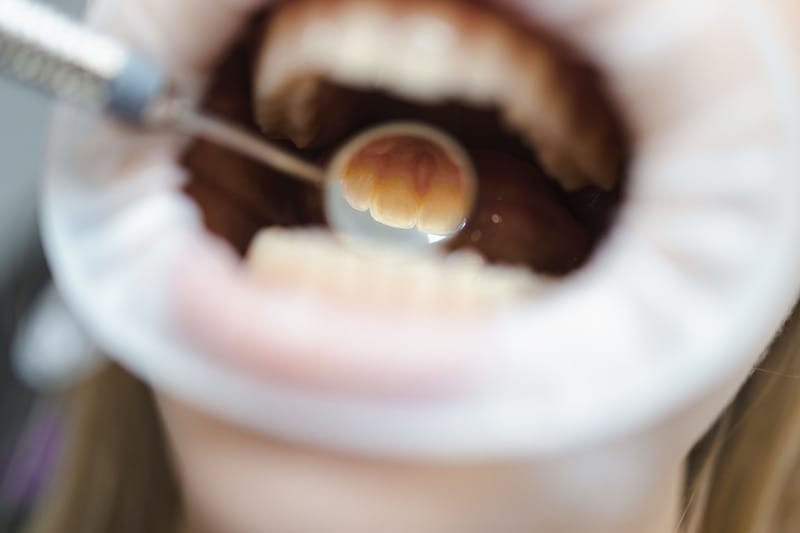
While you sleep, your mouth makes much less saliva, so bacteria multiply undisturbed. Sleeping with your mouth open or snoring makes it worse. Morning breath is normal and should improve once you brush, clean your tongue, eat breakfast and drink some water. If it lasts all day, look for one of the causes above.
How to Check Your Breath
Breathing into your hand is not reliable, because your nose gets used to your own smell. These simple checks work better:
- The wrist test: lick the inside of your wrist, wait about 10 seconds for it to dry, then smell it.
- The floss test: floss between your back teeth and smell the floss.
- The tongue scrape test: gently scrape the back of your tongue with a spoon and smell the residue. A white or yellow coating is a good clue.
- Ask someone you trust for an honest opinion. It is often the quickest answer.
Some people worry constantly about bad breath when others notice nothing. If tests and a dentist find no problem but the worry is affecting your life, it is worth discussing with your doctor, as this anxiety is recognised and can be helped.
What Actually Helps
For most people, a better daily routine fixes the problem within a couple of weeks.
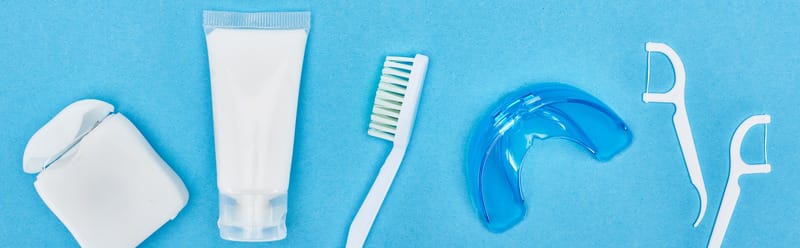
- Brush twice a day for two minutes with a fluoride toothpaste, paying attention to the gum line.
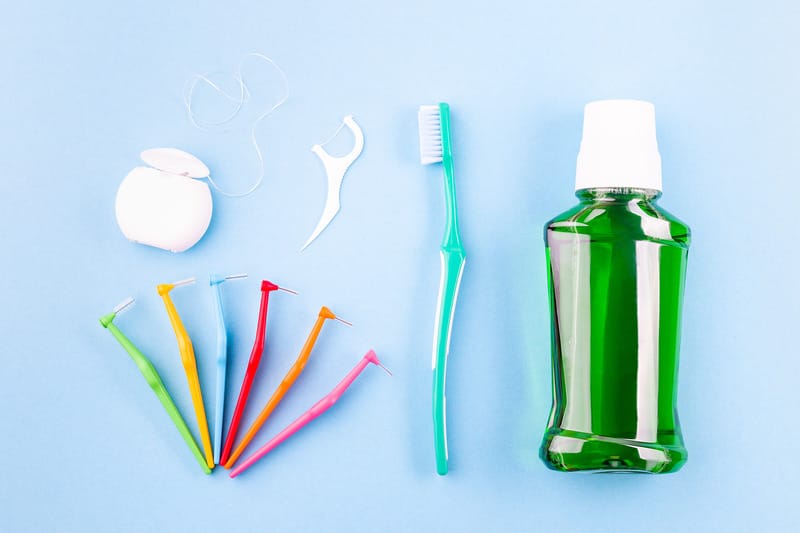
- Clean between your teeth once a day with floss or interdental brushes. Food trapped here is a major source of odour.
- Clean your tongue every day with a tongue scraper or your toothbrush, working gently from back to front.
- Drink water through the day to keep your mouth moist. See our guide on how much water you really need.
- Chew sugar-free gum after meals to boost saliva.
- Use an alcohol-free antibacterial mouthwash if your dentist suggests one. Products containing chlorhexidine, cetylpyridinium chloride or zinc can reduce odour, but they work best on top of brushing and flossing, not instead of them. Long-term chlorhexidine can stain teeth.
- Clean dentures every day and take them out at night.
- Stop smoking. Your breath, gums and taste all improve.
- See your dentist and hygienist regularly to treat gum disease and decay and remove tartar.
What Does Not Help
| Common fix | What it really does |
|---|---|
| Mints and breath sprays | Mask the smell for a short time. Sugary mints feed bacteria and raise the risk of decay. |
| Alcohol-based mouthwash on its own | Freshens briefly but can dry the mouth, and does not remove plaque or tongue coating |
| Brushing harder | Damages gums and enamel without reaching between teeth or the back of the tongue |
| Antibiotics | Not a routine treatment. Bad breath is managed by removing the source. |
If you have tried a careful routine for two or three weeks and nothing has changed, the cause probably needs a professional to find it.
When to See a Dentist or Doctor
See a dentist first if your bad breath does not improve with good oral hygiene, or if you have:
- Bleeding, swollen or receding gums
- Toothache, a loose tooth or a bad taste that will not go away. Our toothache relief guide covers what to do while you wait.
- Sore or painful areas in the mouth
See a doctor if your dentist finds no cause in your mouth, or if bad breath comes with symptoms such as a blocked nose or facial pain, heartburn, persistent sore throat or white lumps on the tonsils, unexplained weight loss or ongoing tiredness.
FAQ
Why does my breath smell even though I brush my teeth?
Brushing alone misses the back of the tongue and the spaces between teeth, the two most common sources. Add daily interdental cleaning and tongue cleaning, and see your dentist to check for gum disease.
Can bad breath come from the stomach?
Occasionally, with acid reflux, but this is far less common than people think. Most bad breath starts in the mouth.
Do tongue scrapers work?
Yes, cleaning the tongue reduces the coating where odour-causing bacteria live. A scraper or a soft toothbrush both work if used gently every day.
Can tonsil stones cause bad breath?
Yes. They are a mix of debris and bacteria and can smell strongly. Gargling with salt water can help. If they keep coming back or cause pain, see your doctor.
Can dehydration cause bad breath?
Yes. Less saliva means bacteria are not washed away, so breath often smells worse when you are thirsty, after exercise or after drinking alcohol.
The Bottom Line
Bad breath usually comes from bacteria in the mouth, especially on the tongue, between the teeth and around the gums. Brushing twice daily, cleaning between your teeth and your tongue, staying hydrated and seeing your dentist regularly solve most cases. Mints only cover it up. If it persists despite a good routine, ask your dentist, and see your doctor if the mouth is not the cause. Explore more in our ear, nose, throat and dental hub.
This article is for general information and is not a substitute for advice from your dentist or doctor.
Sources
- NHS: Bad Breath
- Cleveland Clinic: Bad Breath (Halitosis)
- Cleveland Clinic: Tonsil Stones
- Cleveland Clinic: Periodontal Disease
- National Institute of Dental and Craniofacial Research: Dry Mouth
Medical disclaimer: This article is for general information only and is not a substitute for advice, diagnosis or treatment from a qualified health professional. If your symptoms are severe, sudden or getting worse, contact a doctor or emergency services.

Ear, Nose, Throat and Dental
Browse every related article on this topic in one place.






2 thoughts on “Bad Breath: Causes, What Helps and When to See a Dentist”
Comments are closed.