
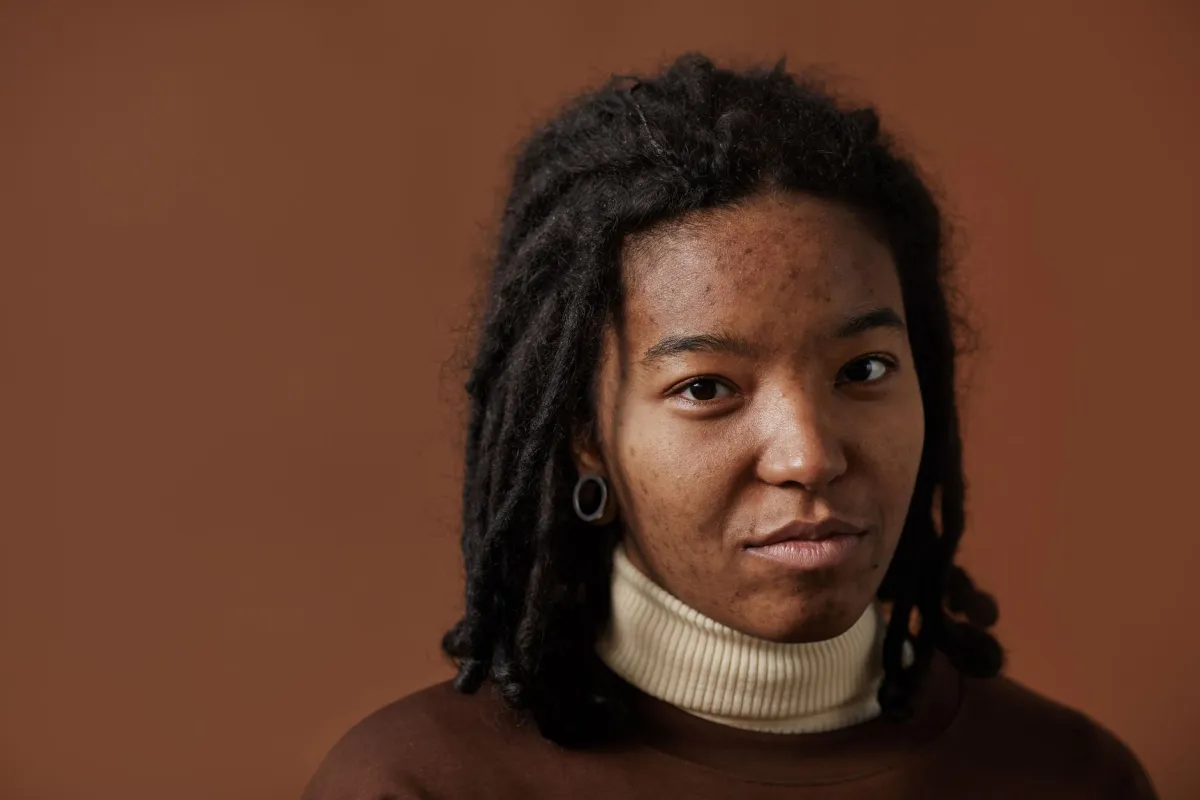
You made it through your teens expecting clear skin on the other side. Instead, you’re in your 30s, 40s, or beyond, staring at a fresh breakout in the bathroom mirror before a big meeting. You are absolutely not alone.
What Exactly Is Adult Acne?
Adult acne is acne that develops or continues after age 25. It’s not a different skin disease from teenage acne; the core biology is the same. Your skin contains millions of tiny hair follicles (the small tunnels from which each hair grows). Each follicle connects to a sebaceous gland, which produces an oily substance called sebum. When dead skin cells, sebum, and sometimes bacteria called Cutibacterium acnes (formerly called Propionibacterium acnes) clog that follicle, you get a pimple.
The difference with adult acne is where it tends to show up and what’s driving it. Teen acne often covers the forehead and nose. Adult acne clusters along the lower face, jawline, chin, and neck. It also tends to be more inflamed and slower to heal, partly because adult skin produces slightly less collagen and turns over more slowly than younger skin.
According to the American Academy of Dermatology, adult acne affects many adults, with women experiencing it more often than men. For many people, it becomes a chronic condition rather than a one-time phase.
Why Does Adult Acne Keep Coming Back?
Most people treat the pimple, not the cause. Here are the main reasons breakouts return.
Hormonal Fluctuations
Hormones are the single biggest driver of recurring adult acne, especially for women. Androgens, a group of hormones that includes testosterone, signal your sebaceous glands to produce more oil. When androgen levels rise, your pores are more likely to clog.
This is why so many women notice breakouts in the week before their period, when estrogen and progesterone both fall and androgens have a stronger relative effect on oil glands. Acne can also worsen during perimenopause (the years leading up to menopause, when hormone levels become less stable) and with conditions like polycystic ovary syndrome (PCOS), which involves higher androgen levels. If your breakouts follow a clear hormonal pattern, standard over-the-counter products may only scratch the surface.
Chronic Stress
Stress doesn’t just feel bad. It directly affects your skin. When you’re under pressure, your body releases cortisol, a hormone that helps you handle short-term threats. The problem is cortisol also boosts oil production and promotes inflammation throughout your body, including in your skin.
Research suggests the stress-acne connection works both ways: stress makes acne worse, and acne itself causes stress, creating a difficult feedback loop. If your skin flares up every time work gets intense or your schedule goes sideways, stress is a likely trigger. Practices that help regulate your stress response, such as those in beginner meditation without the mysticism, are worth adding to your overall skin strategy.

Diet and Blood Sugar Spikes
The diet-acne link is one of the most debated areas in dermatology, but evidence has been building steadily. Foods with a high glycemic index (meaning they raise blood sugar quickly, like white bread, sugary drinks, chips, and processed snacks) appear to worsen acne in many people. The likely reason: blood sugar spikes trigger a cascade that raises insulin levels, which in turn can increase androgen activity and sebum production.
Dairy is another commonly discussed trigger. Some research suggests that milk and certain dairy products may influence hormones in ways that promote breakouts, though this varies from person to person. Harvard Health notes that while diet is not the only factor, reducing high-glycemic foods is one of the more evidence-backed dietary steps for acne-prone adults. If you’re interested in an eating pattern that naturally tends to be lower glycemic, the Mediterranean diet explained simply is a good starting point.
The Wrong Skincare Products
Here’s an irony that surprises a lot of people: some skincare products marketed for anti-aging or hydration can trigger acne in adults. Heavy moisturizers, certain facial oils, and makeup products that aren’t labeled non-comedogenic (meaning they won’t clog pores) can block follicles and create the exact conditions acne needs to form.
Over-cleansing is another common trap. Stripping the skin with harsh cleansers two or three times a day damages the skin’s natural barrier, triggering the sebaceous glands to overproduce oil as compensation. Then the extra oil clogs pores. You end up with more breakouts than before.
Underlying Health Conditions
Sometimes recurring adult acne signals that something else is going on. PCOS, thyroid disorders, and other hormonal conditions can show up on the skin. Certain medications, including some corticosteroids, lithium, and high-dose B12 supplements, are known to cause or worsen acne. If your breakouts appeared after starting a new medication or are accompanied by other symptoms like irregular periods, unusual hair growth, or unexplained fatigue, talk to your doctor. The skin can be a window into internal health, much like the way nail health reveals clues about what’s happening inside your body.

Acne Myth vs. Fact: What the Research Actually Shows
A lot of well-meaning advice floating around online about adult acne is either outdated or simply wrong. Here’s what the evidence actually supports.
| The Myth | What Research Actually Shows |
|---|---|
| Acne is caused by dirty skin | Acne forms inside follicles, not on the surface. Over-washing worsens breakouts by disrupting the skin barrier. |
| Chocolate directly causes acne | Evidence is weak and inconsistent. High-sugar foods are a stronger concern than chocolate specifically. |
| Sun exposure clears acne | A tan may temporarily hide redness, but UV damage worsens inflammation long-term and increases scarring risk. |
| Popping pimples makes them heal faster | Picking introduces more bacteria, prolongs healing, and significantly increases the risk of permanent scarring. The guide on how to pop a pimple without damage outlines the rare situations where extraction may be appropriate. |
| Adults shouldn’t get acne; it means poor hygiene | Adult acne is a medical condition with hormonal and inflammatory roots. Hygiene is rarely the main driver. |
What Actually Helps: Practical Steps You Can Start Today
Managing adult acne is less about finding one magic product and more about adjusting several habits at once. Here’s what the evidence points to, in order of impact for most people.

When Should You See a Dermatologist?
A dermatologist can evaluate adult acne in ways that a shelf full of products never can. If over-the-counter treatments haven’t made a meaningful difference after two to three months, or if your acne is causing dark spots (post-inflammatory hyperpigmentation), scarring, or significant emotional distress, book an appointment.
Prescription options available through a dermatologist include topical or oral antibiotics (typically used short-term), prescription-strength retinoids, spironolactone (a medication that blocks androgen activity, commonly used for hormonal acne in women), and in severe cases, oral isotretinoin. According to the Mayo Clinic, combination therapies that address acne from multiple angles at once tend to be more effective than single-ingredient approaches for persistent adult acne.
If your acne appeared suddenly alongside other symptoms like irregular periods, unwanted hair growth, or unexplained weight changes, ask your doctor about hormonal testing. Treating an underlying condition like PCOS will often improve the skin far more than any topical product alone. You can read more about the relationship between hormonal conditions and health in the piece on endometriosis, PCOS, and what the research reveals.
One more thing worth saying clearly: acne is a medical condition, not a character flaw. Persistent breakouts in adulthood are not a sign of laziness or poor hygiene. They’re a sign that something in your body’s chemistry needs attention, and qualified professionals exist specifically to help with that.
Breakouts are not limited to the face. If you get spots on your chest, our guide on how to get rid of chest acne covers causes and treatments for that area.
For a single flare-up you need to calm quickly, see how to get rid of pimples fast.
FAQ
The Bottom Line
Adult acne keeps coming back because the underlying triggers, from hormonal shifts to chronic stress to pore-clogging products, are ongoing. Treating individual pimples without addressing those root causes is why so many people stay stuck in a cycle of breakouts. The most effective approach is identifying your personal pattern, building a gentle and consistent skincare routine with proven active ingredients, and looping in a dermatologist if over-the-counter options aren’t moving the needle after two to three months. Clear skin in adulthood is a realistic goal; it just usually requires a more targeted strategy than the one that worked, or didn’t, at 16.
This article is for informational purposes only and is not a substitute for professional medical advice, diagnosis, or treatment. Always consult a qualified healthcare provider about your specific situation. If you experience severe or sudden symptoms, seek medical care immediately.
Sources
- American Academy of Dermatology: Adult acne
- American Academy of Dermatology: Can the right diet get rid of acne?

Skin and Beauty
Browse every related article on this topic in one place.