
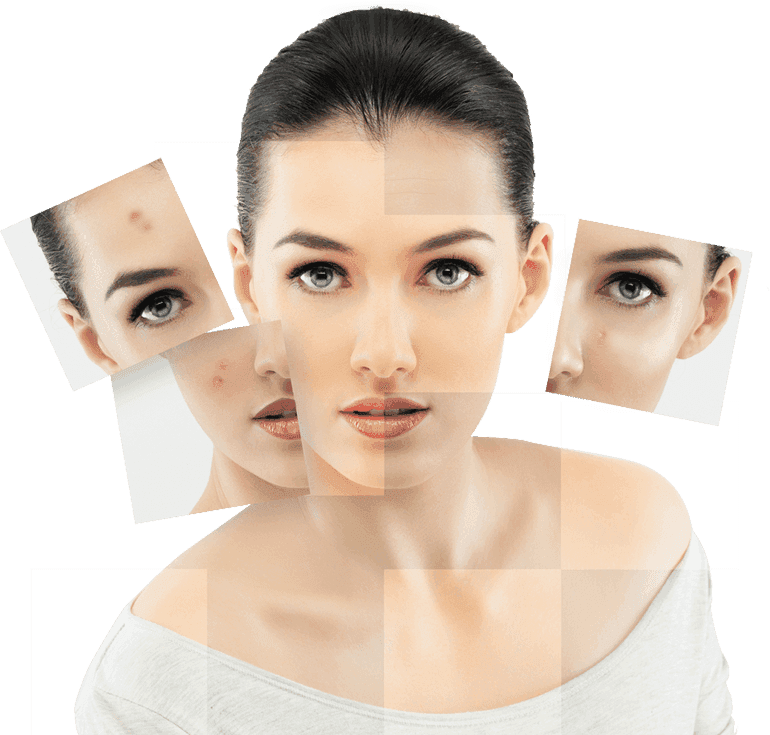
A pimple always seems to show up right before something that matters: a date, an interview, a wedding photo. It is natural to want it gone by morning. The honest answer is that nothing you do at home will make a pimple vanish overnight. What you can do is calm the redness and swelling, help it heal a few days sooner, and avoid the common tricks that make it bigger, redder and more likely to scar.
This guide covers what actually speeds a single pimple along, what to skip, when a dermatologist can help fast, and how to stop the next one from appearing.
Why a Pimple Will Not Disappear Overnight
A pimple forms when a hair follicle (pore) gets blocked with oil and dead skin cells. Bacteria that normally live on the skin multiply in that plugged pore, and your immune system responds with inflammation. That inflammation is what you see: the red, raised, sometimes painful bump.
Inflammation takes time to settle. A small whitehead may clear in 3 to 7 days, while a deep, tender spot can last one to two weeks or more. Treatments can shorten that time and make the spot less noticeable, but no cream, patch or kitchen remedy reverses the process in a few hours. Knowing this up front helps you avoid the panic picking that so often turns a small spot into a scab that lasts longer than the pimple would have.
What Actually Helps a Pimple Heal Faster
These are the options with the most sense and evidence behind them. You do not need all of them at once. Pick one or two and be gentle.
Benzoyl peroxide spot treatment
Benzoyl peroxide kills acne-causing bacteria and helps clear the blocked pore. A 2.5% to 5% gel or cream works about as well as stronger versions and is less irritating. Dab a thin layer on the spot once or twice a day. It can bleach towels, pillowcases and clothing, so let it dry before bed and use a white pillowcase if you can.
Salicylic acid
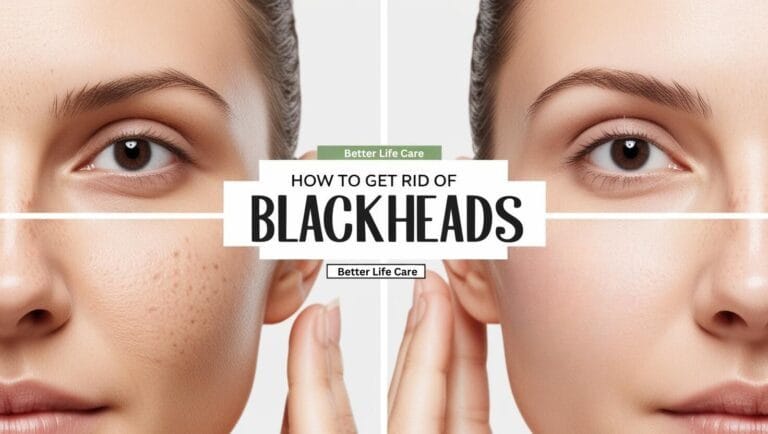
Salicylic acid loosens dead skin and helps unclog pores. It is available in cleansers, toners and spot gels, usually at 0.5% to 2%. It is better for whiteheads and blackheads than for big, deep spots. Our guide to getting rid of blackheads covers how to use it as part of a routine.
Hydrocolloid pimple patches
Pimple patches are small stickers made of the same moisture-absorbing material used in wound dressings. They work best on a spot that has come to a head: they soak up fluid, keep the area moist so it heals with less crusting, and, perhaps most useful of all, stop you from touching or picking. Some patches contain salicylic acid or tea tree oil. Plain patches do little for deep, closed bumps under the skin.
Ice for swelling
For a swollen, red spot, wrap an ice cube or cold pack in a thin cloth and hold it on the pimple for 5 to 10 minutes. This can briefly reduce redness and puffiness before an event. Never put ice directly on bare skin.
A warm compress for deep, painful spots
The American Academy of Dermatology suggests a warm compress for a deep, painful pimple that has not come to a head. Soak a clean cloth in hot (not scalding) water and hold it on the spot for 10 to 15 minutes, up to three or four times a day. This can ease pain and help the spot come to a head on its own.
What to Avoid: Remedies That Make It Worse
Many internet tips are at best useless and at worst a fast route to irritated, peeling or burned skin.
- Toothpaste. It may contain baking soda, menthol, fluoride and fragrance, all of which can irritate skin. Any drying effect comes with a real chance of redness and peeling that looks worse than the pimple.
- Lemon juice. Lemon is very acidic and can sting and irritate. On skin exposed to sunlight, citrus juice can also cause a blistering reaction and dark marks.
- Rubbing alcohol. It strips the skin, causing dryness and flaking, and does nothing to the inflammation underneath.
- Aspirin paste. Older posts, including an earlier version of this one, suggested crushing aspirin into a paste. Aspirin is related to salicylic acid, but a crushed tablet is not a tested skin product. The paste can be harsh, there is no good evidence it works, and people who are allergic or sensitive to aspirin can react to it. A proper salicylic acid product is a safer choice.
- Scrubbing or over-washing. Harsh scrubs and washing many times a day irritate inflamed skin and can make acne flare.
- Piling on products. Using benzoyl peroxide, salicylic acid, retinol and a scrub on the same spot at once usually leads to a red, flaky patch.
Do not pop it
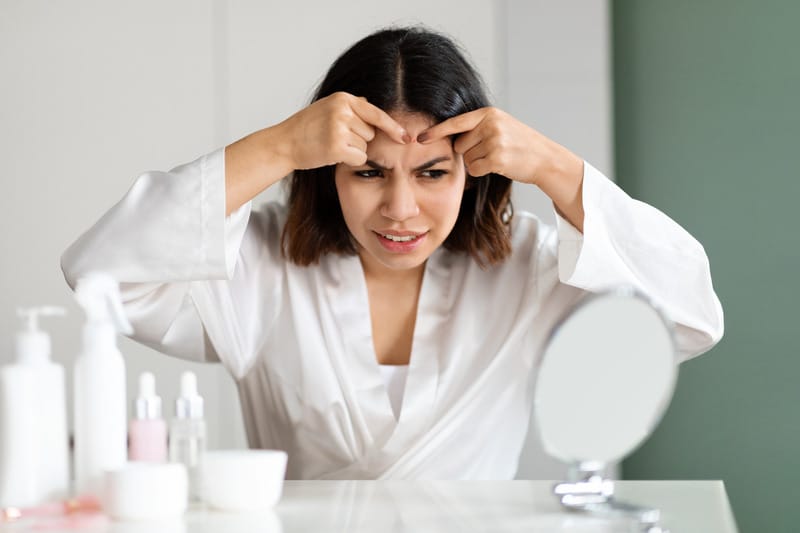
Squeezing pushes bacteria and pus deeper into the skin, raises the chance of infection and can leave a dark mark or a permanent scar. The AAD advises leaving extraction to a dermatologist. If you are tempted anyway, our article on whether you should pop a pimple explains the risks in more detail.
The Fastest Option: A Dermatologist Visit
For a large, painful cyst or nodule before an important event, a dermatologist can inject a small amount of dilute corticosteroid (cortisone) straight into the spot. This usually flattens it noticeably within a day or two. It is a quick in-office procedure, but it is not for routine use: injections can occasionally cause a small dent in the skin (atrophy) or a lighter patch, which often improves over time.
A dermatologist can also safely drain a spot that has come to a head, using sterile tools. If you get these deep spots often, that is a sign you need ongoing treatment rather than a quick fix.
When It Might Not Be a Pimple
Some bumps look like pimples but need different care. Treating them as acne can delay the right treatment.
| Bump | Typical signs | What to do |
|---|---|---|
| Pimple | Red bump, may have a white head, often on face, chest or back | Spot treatment, leave it alone |
| Cold sore | Tingling or burning first, then a cluster of small blisters, usually on or near the lip | Antiviral cream or tablets; do not squeeze, it is contagious |
| Boil | Larger, very painful, hot lump that grows over days and fills with pus | Warm compresses; see a doctor if large, on the face or with fever |
| Ingrown hair | Small bump in a shaved or waxed area, sometimes with a visible hair | Warm compress, gentle exfoliation, pause shaving |
A spot on the lip line can be either a pimple or a cold sore. Our guide to a pimple on the lip explains how to tell them apart.
How to Prevent the Next Pimple
The best way to avoid emergency spot treatment is a simple daily routine. The NHS and dermatologists recommend the same basics:
- Wash twice a day with a mild cleanser and lukewarm water, and again after sweating.
- Use non-comedogenic products, meaning moisturisers, sunscreens and make-up labelled as not clogging pores.
- Keep hands, phones and hair off your face as much as you can.
- Remove make-up before bed and wash pillowcases regularly.
- Use a regular treatment if you get spots often, such as benzoyl peroxide, salicylic acid or adapalene (a retinoid gel sold over the counter in some countries). These take 6 to 12 weeks to show their full effect, so stick with them.
If spots keep returning in your twenties, thirties or later, see our guide to adult acne and why it keeps coming back. If over-the-counter products have not helped after about three months, or your acne is leaving scars, a doctor or dermatologist can prescribe stronger treatments.
Related reading: Tummy Tuck (Abdominoplasty): Types, Recovery, Risks and Results.
FAQ
Can you really get rid of a pimple overnight?
No. You can reduce redness and swelling overnight with ice, a spot treatment or a patch, but the pimple itself usually takes several days to heal. A dermatologist’s cortisone injection is the fastest option for a large, painful spot.
Do pimple patches actually work?
They help most on spots that already have a white head. They absorb fluid, protect the spot and stop you from picking. They do little for deep bumps under the skin.
Does toothpaste help pimples?
No. Toothpaste is not made for skin and often contains ingredients that irritate it. Use a benzoyl peroxide or salicylic acid spot treatment instead.
Should I put ice or heat on a pimple?
Ice helps a swollen, red spot look calmer for a while. A warm compress is better for a deep, painful spot that has not come to a head. Always wrap ice in a cloth.
How can I hide a pimple quickly?
Calm it with ice first, then apply a thin layer of green-tinted or skin-coloured concealer with a clean brush. A thin pimple patch can also sit under make-up.
The Bottom Line
There is no overnight cure for a pimple, but you can help it heal faster and look less obvious. A benzoyl peroxide or salicylic acid spot treatment, a pimple patch, ice for swelling and a warm compress for deep spots are your best tools. Skip toothpaste, lemon, alcohol and aspirin paste, and resist squeezing. For a big, painful spot before an important day, a dermatologist can help quickly, and a steady daily routine is what keeps the next pimple from arriving.
This article is for general information and is not a substitute for advice from your doctor or dermatologist.
Sources
- American Academy of Dermatology: Tips to Treat a Deep, Painful Pimple
- American Academy of Dermatology: Pimple Popping
- American Academy of Dermatology: Acne Diagnosis and Treatment
- NHS: Acne
- Cleveland Clinic: A Dermatologist’s Advice on How to Get Rid of a Pimple
Medical disclaimer: This article is for general information only and is not a substitute for advice, diagnosis or treatment from a qualified health professional. If your symptoms are severe, sudden or getting worse, contact a doctor or emergency services.

Skin and Beauty
Browse every related article on this topic in one place.