A PRP breast lift sells perkier breasts in a lunch-hour visit, using a syringe of your own blood and no scalpel. The before-and-after photos look convincing, so it’s fair to wonder whether the results are real or just good lighting. Here’s what the treatment actually does, what the evidence shows, and where the risks hide.
- What Is a PRP Breast Lift?
- How Is PRP Supposed to Improve Breasts?
- Why Do Breasts Sag in the First Place?
- What Happens During a PRP Breast Lift Appointment?
- PRP Breast Lift Results: What Can You Expect?
- What Does the Research Say About PRP for Breasts?
- Is a PRP Breast Lift Safe? Risks and Side Effects
- PRP Breast Lift vs Surgical Lift and Other Options
- Myth vs Fact: The Vampire Breast Lift Claims
- What Can You Do Today for Firmer-Looking Breasts?
- How to Vet a PRP Breast Lift Provider
- When Should You See a Doctor?
- FAQ
- The Bottom Line
What Is a PRP Breast Lift?
A PRP breast lift is a nonsurgical cosmetic treatment in which a provider injects platelet-rich plasma, a concentrated portion of your own blood, into the breasts. The goal is to improve shape and skin texture. The whole thing takes about an hour, uses needles instead of incisions, and usually means little downtime.
Platelets are tiny cell fragments in your blood, best known for helping it clot after a cut. They also carry proteins called growth factors, chemical messengers that tell nearby tissue to repair itself.
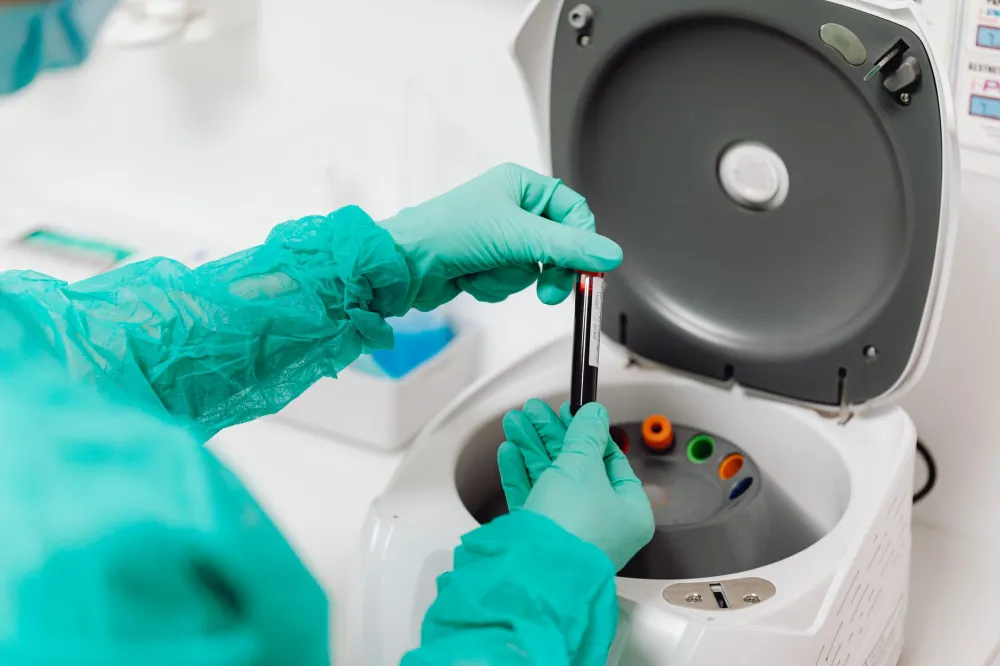
According to Cleveland Clinic, PRP is made by drawing a small amount of your blood and spinning it in a centrifuge, a machine that separates the platelets from the red blood cells. Doctors already use PRP for tendon injuries, knee arthritis and hair thinning. Breast use is much newer and far less studied.
Why Is It Called a Vampire Breast Lift?
“Vampire breast lift” is a branded name tied to a specific trademarked protocol. The blood-based nickname stuck because it’s memorable. Many clinics simply call it a PRP breast lift or PRP breast rejuvenation.
Here’s the catch with either name. The word “lift” sets an expectation the treatment can’t meet, and that gap is a big reason people walk away disappointed.
How Is PRP Supposed to Improve Breasts?
The theory is that growth factors may nudge your body to build more collagen and fresh small blood vessels, which could slightly firm the skin and add a little fullness. Collagen is the protein that gives skin its structure and bounce, and you make less of it as you age.
That’s the idea on paper. In practice, many clinics mix PRP with hyaluronic acid filler, a gel that adds volume, and the filler is likely doing most of the visible plumping in marketing photos.
So the question isn’t only “does PRP work?” It’s also “what else is in the syringe?” Always ask.
Why Do Breasts Sag in the First Place?
Breasts sag mainly because the skin and internal support structures stretch over time, a change doctors call breast ptosis. Cooper’s ligaments, thin bands of connective tissue, help hold breast tissue in place, along with the skin itself. When those loosen, the breast settles lower on the chest.
Several everyday factors play a role:
- Aging and menopause: lower estrogen levels mean less collagen and elastic tissue, and some glandular tissue is replaced by softer fat.
- Pregnancy and breastfeeding: breasts swell and shrink, which can stretch skin and ligaments.
- Weight changes: gaining and losing weight repeatedly can leave skin looser.
- Genetics and breast size: larger, heavier breasts often sag sooner, and skin elasticity runs in families.
- Smoking: it’s associated with faster skin aging and has been linked to more sagging.
Sagging is mostly a mechanical problem: extra skin, stretched ligaments and tissue sitting lower. Injections can’t remove skin or reposition a nipple. For the bigger picture on how hormones shape the body across life stages, see our women’s health guide.
What Happens During a PRP Breast Lift Appointment?
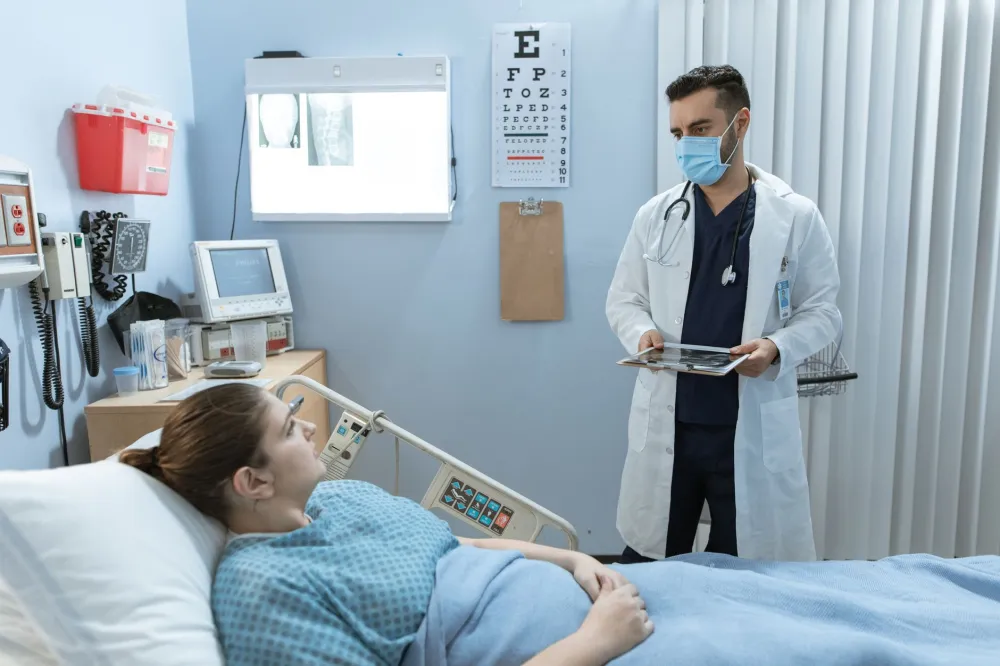
Expect about an hour, and most of that time goes to prep and waiting while your blood is processed. Steps vary by clinic, but the general flow looks like this.
Many people return to desk work within a day. Tenderness, some swelling and a few bruises are typical, and the bruises often fade over a week or two, much like a bad bump on the shin.
PRP Breast Lift Results: What Can You Expect?
Realistic results are subtle at best: maybe smoother skin texture or a little more upper fullness, not a visibly higher breast. People with mild deflation or crepey skin are the most likely to notice a difference. True sagging usually looks about the same afterward.
Timing follows a pattern. In the first few days, swelling can make breasts look fuller, which is temporary and easy to mistake for results. Clinics often say real changes show up gradually over weeks to a few months, as collagen builds, if it builds at all.
Durability is another open question. You may hear claims that results last a year or longer, but no strong long-term studies back that up. Filler, if used, breaks down over time too.
Here’s a quick self-check: stand in front of a mirror without a bra. If your nipple sits at or below the crease under your breast, injections are very unlikely to give you the lift you want. That’s where a surgical consultation makes more sense.
What Does the Research Say About PRP for Breasts?
Research on PRP for lifting breasts is very limited. No large, well-designed trials show it reliably improves sagging. Most of what’s out there comes from clinic marketing, before-and-after photos and small case reports.
The gold standard is the randomized controlled trial, where people are randomly assigned to a treatment or a comparison so researchers can see what the treatment adds. That kind of study barely exists for the vampire breast lift.
Even in better-studied areas like knee arthritis and hair loss, PRP results are mixed. Part of the problem is that PRP isn’t one standard product. Each machine and clinic prepares it differently, so the platelet concentration in your syringe may not match what was tested anywhere else.
A separate line of research looks at adding PRP to fat grafting, a surgery that moves your own fat into the breasts. The hope is that PRP helps more of the transferred fat survive. Findings so far are mixed, and that’s a different procedure from a standalone PRP breast lift.
What the Research Does NOT Support
- Lifting sagging breasts: no good evidence shows PRP raises breast position.
- Lasting cup-size increases: any size change is likely swelling or filler.
- Replacing surgery: injections can’t remove loose skin.
- “Natural means risk-free”: your own blood lowers allergy risk, not every risk.

Is a PRP Breast Lift Safe? Risks and Side Effects
A PRP breast lift is generally considered low risk for short-term side effects because it uses your own blood. It isn’t risk-free, though, and its long-term effects on breast tissue haven’t been well studied. Most problems are minor and temporary.
Common, short-lived effects include bruising, swelling, tenderness and soreness where blood was drawn. Less common problems include infection, small firm lumps called nodules (more likely when filler is added), uneven results between breasts, and temporary tingling or numbness if a nerve gets irritated.
The Mammogram Question
Some plastic surgeons worry that injections into breast tissue could create small lumps or tissue changes that look suspicious on a mammogram or ultrasound. Nobody knows how often that happens, because the long-term research hasn’t been done. If you go ahead, tell every radiologist and doctor who images your breasts that you’ve had injections.
Who Should Skip or Wait
Talk to your doctor first if you’re pregnant or breastfeeding, have a personal or strong family history of breast cancer, have a bleeding or platelet disorder, take blood thinners, or have an active skin infection on your chest. Our article on habits that raise breast cancer risk is a good starting point if you’re unsure where you stand.
PRP Breast Lift vs Surgical Lift and Other Options
A surgical breast lift is the only option that reliably raises sagging breasts. A PRP breast lift may, at most, refine skin quality. Here’s how the main choices stack up.
| Option | What it does | Typical downtime | Evidence |
|---|---|---|---|
| PRP alone | May slightly improve skin | About a day | Very limited |
| PRP plus filler | Adds some volume | A few days | Limited; filler not FDA-approved here |
| Fat transfer | Adds volume with your fat | One to two weeks | Established, results vary |
| Surgical lift (mastopexy) | Removes skin, raises breasts | Several weeks | Strong, long track record |
| Breast implants | Adds size and fullness | Several weeks | Strong, FDA-approved devices |
| Everyday habits | Supports comfort and contour | None | Supportive, not lifting |
Mayo Clinic explains that a surgical breast lift raises the breasts by removing excess skin and reshaping the breast tissue. The tradeoffs are scars, anesthesia and a longer recovery, which is exactly why a needle-only option sounds so appealing.
If you’re weighing the bigger step, our guide to breast lift surgery (mastopexy) walks through types, recovery and results. For a closer look at the branded injections, see what the vampire breast lift can and cannot do.
Myth vs Fact: The Vampire Breast Lift Claims
Most marketing claims stretch a small amount of science into a big promise. Here’s how the common ones hold up.
Myth: It’s a lift without surgery. Fact: nothing about PRP raises breast position or removes skin. “Rejuvenation” is a more accurate word than “lift.”
Myth: Because it’s your blood, it can’t hurt you. Fact: allergic reactions are unlikely, but bruising, infection and lumps can still happen, and long-term effects on imaging are uncertain.
Myth: Results last for years. Fact: durability claims mostly come from clinics, not long-term studies.
Myth: The before-and-after photos prove it works. Fact: lighting, posture, bra lines and early swelling can all change how breasts look in a photo. Ask to see results at least six months out.

What Can You Do Today for Firmer-Looking Breasts?
No habit can reverse true sagging. But a few everyday choices may help your breasts look and feel better supported while protecting the skin you have. They’re cheap and low risk, which is more than most trends can say.
- Get a proper bra fitting: a well-fitted bra and a supportive sports bra during workouts reduce bounce and discomfort.
- Strengthen your chest: push-ups (even on your knees or against a counter) and chest presses two or three times a week build the muscle under the breasts.
- Check your posture: rounding forward at a laptop all day makes breasts look lower than they are.
- Keep weight changes gradual: slow, steady changes may be easier on skin elasticity than big swings.
- Skip smoking: it’s linked to faster skin aging everywhere, chest included.
- Use sunscreen on your upper chest: sun damage breaks down collagen in that thin skin.
For more on what helps and what’s hype, read our breakdown of perky breasts naturally, simple habits vs overhyped fixes. If your weight is shifting, our weight loss and nutrition guide focuses on slow, sustainable approaches that are kinder to your skin and your sanity.
How to Vet a PRP Breast Lift Provider
If you still want to try a PRP breast lift, choose a licensed physician with breast and injection experience. A board-certified plastic surgeon or dermatologist is a solid starting point. Get clear answers before anyone draws blood, because rules about who can inject vary by state, and some med spas offer this with limited medical oversight.
Bring these questions to your consultation:
- Who is injecting: what’s their training and license?
- What’s in the syringe: PRP only, or PRP plus filler?
- Total cost: how many sessions do most patients need?
- Long-term photos: can you see their own patients at six months or later?
- Complication plan: what happens if you develop a lump?
A provider who welcomes these questions and tells you plainly when you’re not a good candidate is a far better sign than one promising dramatic change.
When Should You See a Doctor?
See a doctor promptly after any breast injection if you develop fever, spreading redness, warmth, pus, or pain that gets worse instead of easing after a few days. These can signal infection. A lump that doesn’t fade within a few weeks also deserves a professional look.
Separate from any cosmetic treatment, get checked for a new breast lump, skin dimpling, nipple discharge or a nipple that suddenly turns inward. Severe or persistent symptoms always deserve a real medical evaluation. And if you have chest pain or trouble breathing, seek care right away instead of searching online.
FAQ
The Bottom Line
A PRP breast lift may modestly refresh breast skin for some people, but it can’t lift real sagging, and the research behind it is thin. Treat bold before-and-after photos with healthy skepticism, and ask exactly what’s being injected. If your nipple sits at or below the breast crease, a surgical consultation is the more realistic conversation. Whatever you choose, start by getting your breast screening up to date and talking openly with a qualified doctor about your goals.
This article is for informational purposes only and is not a substitute for professional medical advice, diagnosis, or treatment. Always consult a qualified healthcare provider about your specific situation. If you experience severe or sudden symptoms, seek medical care immediately.

Skin and Beauty
Browse every related article on this topic in one place.