Nipah virus can start out looking like a bad case of the flu: a fever, a pounding headache, sore muscles that make getting out of bed a chore. For some people, though, the illness turns within days, with confusion, drowsiness or seizures as the virus reaches the brain. Here’s what the warning signs look like, how this rare bat-borne virus spreads, and why the risk for most Americans stays very low.
- What Is Nipah Virus?
- What Are the First Nipah Virus Symptoms?
- How Long After Exposure Do Symptoms Appear?
- Is Nipah Virus Deadly? What Recovery Looks Like
- How Does Nipah Virus Spread?
- Can Nipah Virus Spread in the US?
- How Do Doctors Diagnose and Treat Nipah?
- Nipah Virus Myths vs Facts
- How Can You Lower Your Risk When Traveling?
- When to See a Doctor About Nipah Virus Symptoms
- Is It Nipah, Flu or Something Else?
- FAQ
- The Bottom Line
What Is Nipah Virus?
Nipah virus is a zoonotic virus, which is a germ that jumps from animals to people. It can cause severe brain inflammation and breathing problems in humans. The World Health Organization (WHO) lists it as a priority pathogen for research, because it can be deadly, can pass between people, and has no approved vaccine or specific cure.
Scientists first identified the virus during an outbreak among pig farmers in Malaysia in 1998 and 1999, with related cases in Singapore. It’s named after Sungai Nipah, the Malaysian village where it was first isolated. Since then, outbreaks have shown up almost every year in Bangladesh and repeatedly in India, especially in the southern state of Kerala.
Nipah belongs to the paramyxovirus family, the same broad group that includes measles and mumps. Its closest cousin, Hendra virus, has caused rare infections in horses and people in Australia. Together, they’re called henipaviruses.
So why read about this if you live in Ohio or Arizona? Headlines about Nipah tend to arrive loaded with fear and light on context. Knowing what the symptoms look like and how the virus moves helps you separate real risk from noise, especially if you travel. For a shorter overview, see our guide to Nipah virus signs, spread and prevention.
What Are the First Nipah Virus Symptoms?
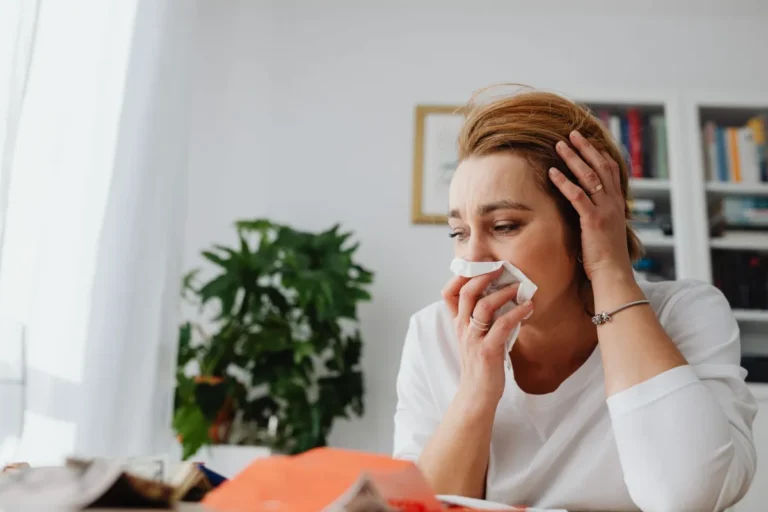
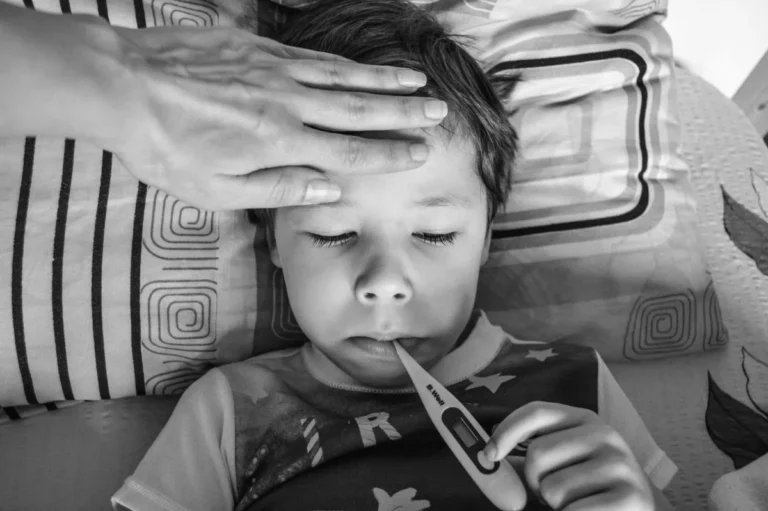
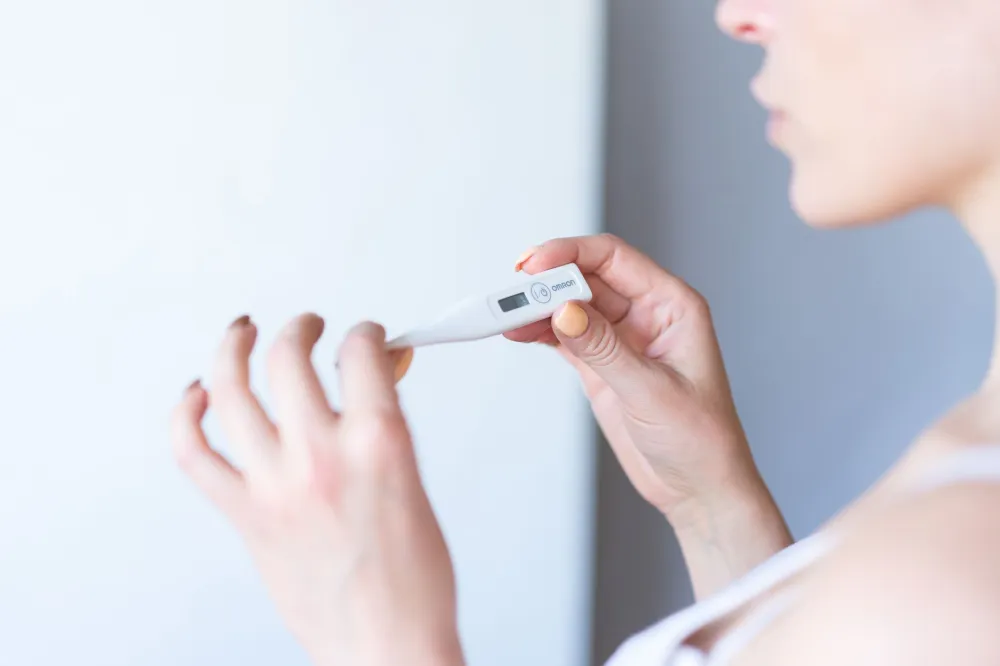
Early Nipah symptoms are mostly flu-like: fever, headache, muscle aches, vomiting and sore throat. Those signs overlap with so many common infections that doctors lean heavily on travel history and exposure when deciding whether Nipah is even on the table.
The early stage often looks like the flu
In the first few days, a person may simply feel wiped out. Picture a fever that spikes, a headache that won’t let go, sore muscles and maybe some nausea. A sore throat or cough can show up too.
Nothing about that screams rare virus, and that’s what makes Nipah tricky. In areas where outbreaks happen, health workers watch for clusters of fever and confusion within the same village or household. A cluster like that is often the first clue that something unusual is going on.
When the virus reaches the brain
The symptoms people fear most come from encephalitis, which is swelling and inflammation of the brain. The WHO describes early warning signs such as dizziness, drowsiness and altered consciousness. In plain terms, someone seems foggy, muddled or hard to wake. Some people become disoriented, act out of character or struggle to get their words out.
In severe cases, seizures follow. According to the WHO, encephalitis can progress to coma within 24 to 48 hours. That speed is why any confusion after fever in someone with a possible exposure is treated as a medical emergency.
Breathing problems can happen too
Some people develop atypical pneumonia, a lung infection that doesn’t behave like the common bacterial kind. Others develop acute respiratory distress, when the lungs can’t get enough oxygen into the blood. Breathing problems appear to show up more often in outbreaks in Bangladesh and India than in the original Malaysian outbreak.
This matters for spread. People with coughing and respiratory symptoms may be more likely to pass the virus to caregivers, since droplets and secretions carry it.
Some infections cause mild or no symptoms
Not everyone who catches Nipah gets seriously ill. The WHO notes that infection can range from no symptoms at all, to mild respiratory illness, to fatal encephalitis. Antibody testing during outbreaks has turned up people who were infected but never felt very sick.
The table below shows how symptoms can unfold, stage by stage. Not everyone follows this exact path, and some people skip steps entirely.
| Stage | Typical timing | Common signs | What it means |
|---|---|---|---|
| Incubation | Usually 4 to 14 days | No symptoms yet | Virus multiplying quietly |
| Early illness | First few days | Fever, headache, aches, vomiting | Easily mistaken for flu |
| Neurological | Can follow within days | Drowsiness, confusion, seizures | Encephalitis, an emergency |
| Respiratory | Alongside or instead | Cough, trouble breathing | Pneumonia or respiratory distress |
| Severe | Within 24 to 48 hours | Coma | Intensive care needed |
| Late relapse | Months or years later | Returning brain inflammation | Rare but documented |
How Long After Exposure Do Symptoms Appear?
Nipah symptoms usually appear 4 to 14 days after exposure, according to the WHO. Incubation periods as long as 45 days have been reported, though that’s unusual.
That window is why health authorities in affected regions track close contacts for several weeks. It’s also why a doctor will ask not just whether you traveled, but when. A fever that starts two months after a trip is far less likely to be Nipah than one that shows up a week after you get back.
Is Nipah Virus Deadly? What Recovery Looks Like
It can be. The WHO estimates the case fatality rate at 40% to 75%, depending on the outbreak and on how much intensive care is available. Those numbers are sobering, but they come from places where outbreaks hit rural communities with limited access to hospital care.
Survival doesn’t always mean a clean slate. The WHO reports that about 20% of survivors are left with lasting neurological effects, such as seizure disorders and personality changes. Recovery can take weeks to months and often involves fatigue, trouble concentrating and rehabilitation.
There’s one more unusual feature. A small number of survivors develop relapsed or late-onset encephalitis, where brain inflammation returns months or even years after the first illness. That’s why long-term follow-up matters for anyone who has recovered.
How Does Nipah Virus Spread?
Nipah spreads in three main ways: from infected animals, through food contaminated by bats, and from person to person through close contact with body fluids. It doesn’t spread easily through casual contact the way flu or COVID-19 can.
Fruit bats are the natural reservoir
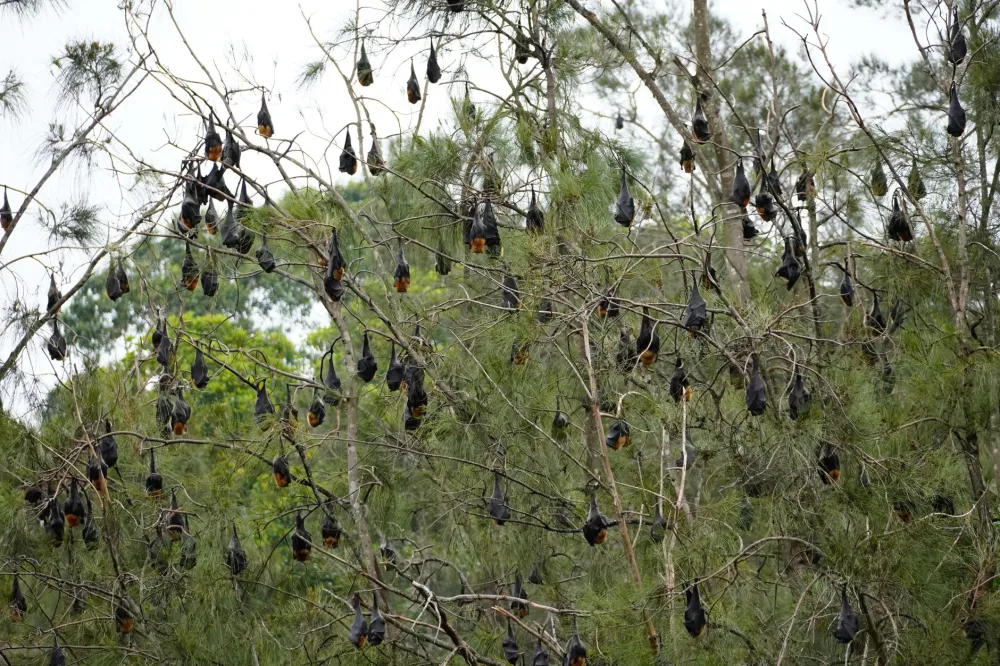
The virus lives naturally in fruit bats, especially large ones in the genus Pteropus, often called flying foxes. The bats carry it without looking sick and shed it in their saliva, urine and droppings. These bats live across parts of South and Southeast Asia, Australia and the Pacific, which is why scientists keep an eye on regions well beyond the places that have had human cases.
Contaminated food, especially raw date palm sap
In Bangladesh and parts of India, a major route is raw date palm sap. Farmers hang pots on trees to collect the sweet sap overnight, and bats visit to drink it, sometimes leaving saliva or urine behind. Anyone who drinks the sap fresh and unboiled can swallow the virus.
Fruit partly eaten by bats carries similar risk. A mango or guava with bite marks may look harmless, but it can carry saliva from an infected bat.
Infected animals like pigs and horses
The original Malaysian outbreak spread from bats to pigs, then from pigs to the farmers and slaughterhouse workers who handled them. Sick pigs cough, struggle to breathe and shed large amounts of virus. Authorities brought that outbreak under control partly by culling huge numbers of pigs.
Horses are another concern, mainly because of the related Hendra virus in Australia. In general, direct contact with the blood, tissues or body fluids of sick animals in affected areas is a recognized risk.
Person to person through close contact
In Bangladesh and India, human-to-human spread is well documented, mostly among family members caring for sick relatives and among health workers. The virus moves through contact with a patient’s saliva, respiratory droplets, urine or blood. Sharing a bed, feeding a patient by hand or cleaning up without gloves are the kinds of contact that carry the most risk.
The good news is that most patients seem to infect few or no one else, which is why outbreaks usually burn out rather than spreading far. Every so often, though, one very sick patient infects several people. That’s why hospitals rely on strict infection control.
Can Nipah Virus Spread in the US?
According to the CDC, no Nipah virus cases have been reported in the United States, and the risk to the general public is considered very low. The fruit bats that carry the virus aren’t native to the mainland US, and pigs here have never been linked to it.
Could a traveler bring it home? In theory, yes, which is why doctors are trained to ask about recent international travel when someone shows up with fever and confusion. Even then, the virus needs close contact with body fluids to spread, so a single imported case would be unlikely to spark wide community transmission.
The people at highest risk are those living in or traveling to affected areas who drink raw date palm sap, handle sick animals or care for Nipah patients without protective gear. For the average American at the grocery store or the office, Nipah isn’t a realistic daily concern.
How Do Doctors Diagnose and Treat Nipah?
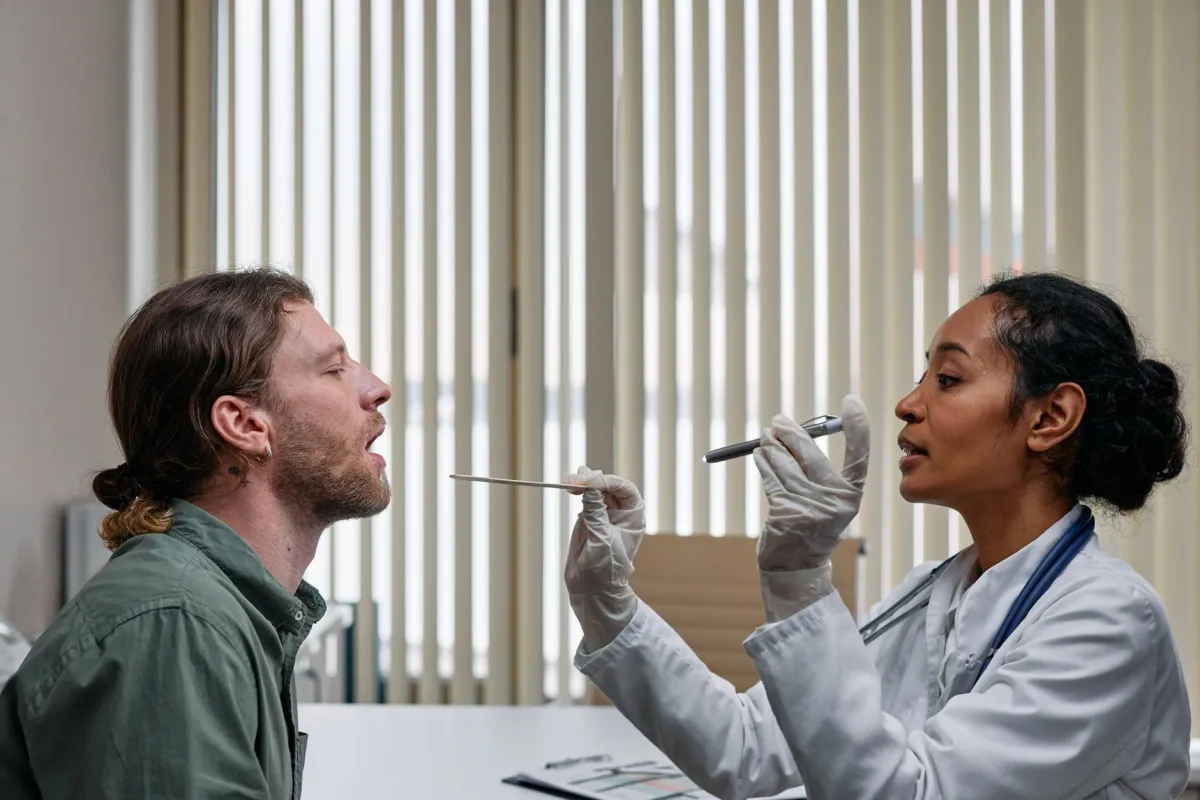
Doctors diagnose Nipah with lab tests that look for the virus’s genetic material or for antibodies. No specific antiviral is approved for it, so treatment is supportive hospital care that keeps the patient stable while the immune system fights the infection.
Early in the illness, labs often use real-time polymerase chain reaction (RT-PCR), a test that detects the virus’s genetic code. Samples may come from throat and nose swabs, blood, urine or cerebrospinal fluid, the clear liquid that surrounds the brain and spinal cord. Antibody tests later on can show whether someone has been infected. In the US, these tests run through specialized public health labs, not your local urgent care.
Supportive care can include intensive care, a ventilator to help with breathing, IV fluids and medicines to control seizures. Some antivirals have been tried during outbreaks, but the evidence that they help is limited. Monoclonal antibodies, lab-made proteins designed to latch onto the virus, are being studied and have been offered under special protocols in some outbreaks.
On prevention, several Nipah vaccine candidates have moved into human clinical trials, but none is licensed for people yet. A vaccine against Hendra virus is used in horses in Australia, which gives researchers a useful head start.
Nipah Virus Myths vs Facts
Nipah gets a lot of scary coverage, so it helps to sort myth from fact. Here’s what the evidence supports:
- Myth: It spreads like COVID: Nipah needs close contact with body fluids. Casual contact, like passing someone in a store, isn’t how it typically spreads.
- Myth: Any fever after travel means Nipah: Fever after a trip is far more often flu, COVID-19, a stomach bug or malaria, depending on where you went.
- Myth: All bats carry it: The virus is tied mainly to fruit bats in specific regions, not the small insect-eating bats in American backyards.
- Myth: Everyone who catches it dies: Fatality rates are high, but many people survive, and some infections are mild or silent.
- Myth: There’s already a vaccine: Several candidates are in trials, but none is approved for humans.
That said, the bats you might see at dusk in the US can carry other diseases, including rabies. Never handle a wild bat with bare hands, whatever the species.

How Can You Lower Your Risk When Traveling?
You can lower your Nipah risk in affected regions by avoiding raw date palm sap, skipping fruit with bite marks, staying away from sick animals and washing your hands often. These steps are simple and match WHO prevention advice.
- Skip raw sap and toddy: Don’t drink fresh, unboiled date palm sap in areas with past outbreaks.
- Inspect your fruit: Throw away fruit with bite marks or scratches, and wash and peel the rest.
- Avoid sick animals: Keep away from sick pigs, horses or bats, and stay out of bat roosting areas.
- Wash your hands well: Use soap and water for at least 20 seconds, especially before eating.
- Protect yourself as a caregiver: If someone is sick, avoid contact with their saliva, urine or blood and follow local health guidance.
Before an international trip, check the CDC’s travel health notices for your destination and consider a visit to a travel medicine clinic a few weeks ahead. Day to day, the basics still count everywhere, and our look at daily habits that support immunity covers sleep, food and movement. Just keep expectations realistic: good habits support your body, but they won’t shield you from a specific virus like Nipah.
When to See a Doctor About Nipah Virus Symptoms
See a doctor promptly if you develop fever, headache or breathing trouble within about two weeks of being in an area with Nipah activity, especially after drinking raw sap, handling sick animals or caring for a sick person. Confusion, extreme drowsiness, seizures or trouble breathing call for emergency care right away, not a wait-and-see approach.
If you’ve recently traveled and start feeling unwell, these steps can help you get the right care quickly and protect the people around you.

Is It Nipah, Flu or Something Else?
For almost everyone in the US, fever and headache without recent travel to an affected region point to a common infection, not Nipah. Flu, COVID-19 and other everyday viruses cause the vast majority of fevers, especially in fall and winter.
The difference usually comes down to exposure history and speed. Nipah typically follows a specific exposure in a specific part of the world, and the shift from flu-like illness to confusion or seizures can be fast. Ordinary flu rarely affects thinking that way in healthy adults, though any confusion with fever deserves prompt medical attention whatever the cause.
If you’re sorting out more familiar bugs, our guide on how to tell flu, cold and COVID apart walks through the clues. For practical household planning, see how to get your home ready for flu season, which matters far more for most American families than Nipah does.
For more plain-language explainers on staying well year-round, browse our everyday health and wellness guide.
FAQ
The Bottom Line
Nipah symptoms usually start like the flu, with fever, headache, muscle aches and vomiting, and they can move quickly to confusion, seizures or serious breathing trouble. The virus spreads from fruit bats, infected animals, bat-contaminated food like raw date palm sap, and close contact with a sick person’s body fluids. No cases have been reported in the US, so the risk for most Americans is very low. If you travel to affected regions, skip raw sap and bitten fruit, avoid sick animals, and see a doctor promptly if you get sick within a couple of weeks of returning, telling them exactly where you’ve been.
This article is for informational purposes only and is not a substitute for professional medical advice, diagnosis, or treatment. Always consult a qualified healthcare provider about your specific situation. If you experience severe or sudden symptoms, seek medical care immediately.

Everyday Health and Wellness
Browse every related article on this topic in one place.