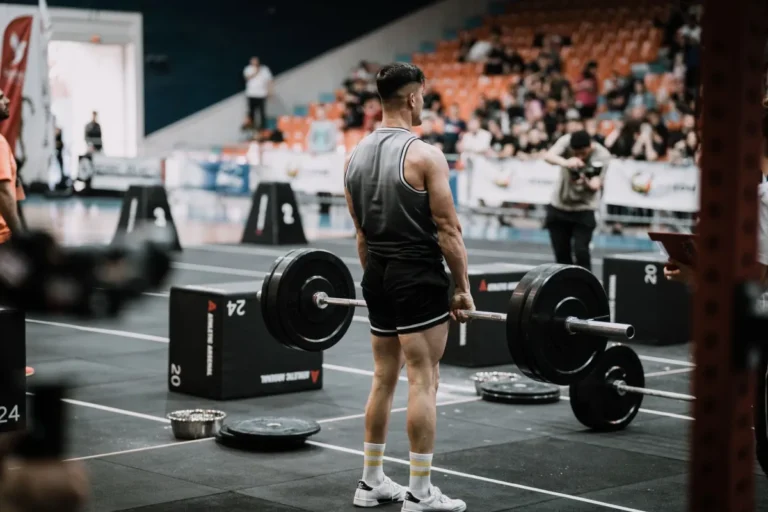
Back pain after exercise has a knack for showing up at the worst moment. You bend to tie your shoes the morning after deadlifts, and your lower back answers with a dull, stubborn ache. Most of the time that’s ordinary muscle soreness doing its job, but sometimes it’s a strain that needs a different plan.
- Is Back Pain After Exercise Soreness or Injury?
- What Causes Sore Back Muscles After a Workout?
- Soreness vs Injury: How to Tell the Difference
- A Quick Self-Check for a Sore Back
- How Long Does Back Pain After Exercise Last?
- What Helps Sore Back Muscles Recover?
- What If It's a Back Strain?
- Back Pain Myths That Keep People Stuck
- When Is Back Pain After Exercise a Red Flag?
- How to Prevent Back Pain After Exercise
- FAQ
- The Bottom Line
Is Back Pain After Exercise Soreness or Injury?
Most back pain after exercise is delayed onset muscle soreness, not an injury. Delayed onset muscle soreness (DOMS) is the achy, stiff feeling that shows up a day or two after a workout that challenged your muscles in a new or harder way. It usually fades on its own within several days.
An injury is a different animal. A muscle strain happens when muscle fibers are overstretched or torn, while a sprain involves ligaments, the tough bands that connect bone to bone. Back strains are among the most common reasons people feel sharp pain during or right after lifting, twisting or bending.
Here’s the simplest way to think about it. Soreness is your muscles adapting to new work, and it doesn’t need protecting. An injury is damage that needs a little care while it heals. The timing of the pain, how it feels, and how it responds to movement are your best clues.
What Causes Sore Back Muscles After a Workout?
Sore back muscles usually come from microscopic damage to muscle fibers, followed by a normal repair process that involves some inflammation. This is most likely after exercise that’s new to you, heavier or longer than usual, or packed with eccentric movements, where a muscle lengthens while it works, like slowly lowering a barbell to the floor.
Your back pitches in on more exercises than you might expect. The erector spinae, the long muscles running along both sides of your spine, work hard during deadlifts, kettlebell swings, squats and even planks. Your lats, the broad muscles along the sides of your upper back, carry the load in rows and pull-ups, and the rhomboids between your shoulder blades fire during almost every pulling motion.
Common triggers for a sore back include:
- A brand-new program: the first week of a boot camp class, a new lifting routine, or a return after months off.
- A sudden jump in volume: more sets, more weight, or more miles than your body is used to handling.
- Unfamiliar movements: a rowing machine, rock climbing, or a Saturday spent raking leaves can all leave your back complaining.
- Fatigue-driven form changes: late in a session, your lower back may pick up the slack for tired legs, glutes or core muscles.
Lactic acid, though, isn’t the culprit. The old idea that it pools in your muscles and causes next-day soreness has been largely debunked. Lactate clears from your blood within roughly an hour after exercise, long before soreness kicks in.

Soreness vs Injury: How to Tell the Difference
Timing is the clearest difference. Soreness creeps in hours later, while an injury usually announces itself during the workout or right after. Soreness also tends to feel spread out and even on both sides, while an injury is often sharp and focused on one spot.
Use this side-by-side comparison as a starting point, not a diagnosis.
| Clue | Muscle soreness (DOMS) | Possible injury |
|---|---|---|
| When it starts | 12 to 48 hours later | During or right after exercise |
| How it feels | Dull, achy, stiff | Sharp, stabbing or pulling |
| Location | Broad, usually both sides | One spot or one side |
| With movement | Eases as you warm up | Worsens with certain moves |
| Muscle spasm | Uncommon | Common, may lock up |
| Nerve symptoms | None | Possible tingling or numbness |
| Typical recovery | About 3 to 5 days | Days to several weeks |
As a rough rule, pain that loosens as you move and warm up leans toward soreness. If movement keeps making it worse, or one specific motion sets off a jolt every time, treat it as a possible strain until it settles or a professional says otherwise.
A Quick Self-Check for a Sore Back
Five direct questions can help you sort most back pain after exercise into “probably soreness” or “possibly injury.” They won’t replace an exam, but they can help you decide whether to keep moving gently, back off, or call your doctor.
- Did I feel a pop or sudden twinge mid-rep? That points toward a strain.
- Did the ache show up the next morning? That fits the classic DOMS pattern.
- Can I press on one exact spot that hurts? Pinpoint pain is more typical of injury.
- Does a 10-minute walk loosen me up? Soreness usually responds; injuries often don’t.
- Any tingling, numbness or pain below the knee? That suggests an irritated nerve.
If most of your answers point toward soreness, you can likely manage it at home. If two or more point toward injury, or if you said yes to the last question, get evaluated. That matters most if you aren’t feeling better within a few days.
How Long Does Back Pain After Exercise Last?
Ordinary soreness typically peaks 24 to 72 hours after a workout and fades within about five days. It occasionally lingers up to a week after a very hard or unfamiliar session. A mild back strain usually takes longer, often improving noticeably within one to two weeks and settling within several weeks for many people.
The Cleveland Clinic describes DOMS as a normal, temporary response to unfamiliar or intense exercise. Think of the first two weeks as a rough timeline.
Workout day: Soreness usually isn’t there yet. Sharp pain during a set is your first clue that you may be dealing with an injury rather than DOMS.
Days 1 to 2: Soreness builds and peaks. Getting out of bed, leaning over the sink, or lifting a laundry basket feels stiff and slow. A strain at this stage may bring spasms that make certain positions hard to hold.
Days 3 to 5: Soreness fades noticeably, and most people feel close to normal by the end of this window. A strain typically eases more slowly, though you should notice small gains day by day if you keep moving gently.
Week 2: DOMS should be long gone. A mild strain is often much better, though heavy lifting may still feel off. Pain that isn’t improving at all by now is a reason to check in with your doctor or a physical therapist.
What Helps Sore Back Muscles Recover?
Gentle movement ranks among the most useful things you can do for sore back muscles, alongside heat, good sleep and a little patience. No single trick makes soreness vanish overnight. Several simple habits, though, may help you feel better sooner and move more comfortably while your body repairs itself.
Many people find this simple 72-hour plan useful for ordinary post-workout soreness:
What about ice? It may feel good on a fresh strain during the first day or two, mostly because it numbs the pain. The evidence that ice speeds recovery from ordinary soreness is mixed, so go with whatever feels better to you.
Over-the-counter pain relievers like acetaminophen or nonsteroidal anti-inflammatory drugs (NSAIDs), such as ibuprofen, may take the edge off. They aren’t right for everyone. People with kidney problems, stomach ulcers or heart disease, or anyone taking blood thinners, should check with a doctor or pharmacist first, and always follow the label.
What If It’s a Back Strain?
If you suspect a mild back strain, the goal is to calm the irritated tissue without going completely still. Current back pain guidance favors staying as active as your pain allows over bed rest, since long stretches of rest are associated with more stiffness and slower recovery.
Start by skipping the exact movement that hurt, whether that was a heavy deadlift, a twisting kettlebell swing or a sloppy last set of rows. Most other comfortable activities are generally fair game. Walking is often one of the best options, and our breakdown of walking vs rest for back pain explains why movement usually wins.
Once the sharp pain settles, usually after several days to a week, try lighter versions of your usual exercises. Think half the weight, slower reps and stopping well before discomfort. A physical therapist can help if you’re unsure how to rebuild, or if the same spot keeps getting hurt.
The Mayo Clinic notes that many cases of back pain improve within a few weeks of home care. For practical ideas in the meantime, these lower back pain relief tips you can try at home cover positions, heat and gentle movement.

Back Pain Myths That Keep People Stuck
Some common beliefs about back pain after a workout lead people to push through real injuries, or to baby ordinary soreness for far too long. Let’s sort the popular ideas from what the research supports.
| Myth | Fact |
|---|---|
| No pain, no gain | Soreness isn’t required for progress |
| Lactic acid causes next-day soreness | Lactate clears within about an hour |
| Stretching first prevents soreness | Research shows little effect on soreness |
| Bed rest heals a sore back | Gentle movement usually helps more |
| More soreness means a better workout | Soreness mostly reflects novelty |
That last row deserves a second look. Soreness isn’t a progress tracker. Getting stronger, lifting with better form, and recovering faster between sessions are far better signs that your training is working.
When Is Back Pain After Exercise a Red Flag?
Back pain after exercise needs prompt medical attention if it comes with numbness, leg weakness, loss of bladder or bowel control, fever, or severe pain that doesn’t ease with rest. These symptoms can signal nerve compression, infection or other problems that need a real exam, not a blog post.
Seek emergency care right away if you notice any of these:
- Bladder or bowel changes: new trouble controlling them, or numbness in the groin or inner thighs.
- New leg weakness: a foot that drags, or a leg that gives way.
- Chest symptoms: upper back pain with chest pain, trouble breathing, or pain spreading to your jaw or arm.
- Dark urine with severe pain: tea- or cola-colored urine plus extreme muscle pain, swelling or weakness.
- Pain after a fall or impact: especially if you’re older or have weaker bones.
Make an appointment with your doctor if your pain isn’t improving after one to two weeks, wakes you up at night, or comes with unexplained weight loss or fever. Pain that travels down the back of one leg may point to an irritated sciatic nerve, and our guide to sciatica pain and what helps explains what that feels like.
How to Prevent Back Pain After Exercise
Gradual progress and steady form are your best defenses against back pain after exercise. Most post-workout back trouble comes from doing too much too soon, or from technique slipping during those final, grinding reps.

Small, steady increases beat heroic sessions. Many coaches suggest raising weight or volume by no more than roughly 10 percent a week. The evidence for that exact number is limited, but the principle of gradual progress is sound. If you’ve been away from the gym for a few weeks or months, start lighter than your ego wants.
Warm up for 5 to 10 minutes before lifting. Brisk walking, bodyweight squats, hip hinges and a few light sets of your first exercise prepare your back far better than static toe-touches. On heavy sets, keep a couple of reps in the tank, since grinding out one more rep with a rounded back is a classic setup for a strain.
Strong glutes, hips and core muscles give your lower back more support, so it isn’t doing the work of three muscle groups. Learning to hinge from your hips during deadlifts and kettlebell swings helps too. For a deeper look at gym-specific causes, see our article on why back pain after the gym happens, and browse the full back and neck pain guide for posture, sleep and desk-related tips.
One last piece many people overlook is what happens outside the gym. Sitting hunched at a desk for eight hours and then jumping straight into heavy lifting asks a lot of stiff hips and a tight lower back. A short walk or a few mobility moves before your workout may help bridge that gap.
FAQ
The Bottom Line
Most back pain after exercise is ordinary muscle soreness that builds a day or two later, feels achy on both sides and fades within about a week. Sudden, sharp, one-sided pain that starts mid-workout is more likely a strain, and it often responds well to gentle movement, heat and a short break from the move that caused it. Start today with a walk and a warm shower rather than the couch. Numbness, leg weakness, bladder changes, chest pain or dark urine mean getting medical care right away. Pain that isn’t improving after a week or two deserves a professional evaluation.
This article is for informational purposes only and is not a substitute for professional medical advice, diagnosis, or treatment. Always consult a qualified healthcare provider about your specific situation. If you experience severe or sudden symptoms, seek medical care immediately.

Back and Neck Pain
Browse every related article on this topic in one place.