
You bought the eggs, skipped the bread, and still came home with a bag of “keto-friendly” snacks that turned out to be mostly wishful thinking. A quick-scan food list is the fastest way to stop guessing in the grocery aisle.
- Keto Food List Printable: 48 Foods to Eat, Moderate or Avoid
- How Do You Use This Keto Food List Printable?
- How Can You Adjust the Keto Food List Printable?
- Common Mistakes With a Keto List of Foods to Eat and Avoid
- Who Should Check With a Doctor Before Starting Keto?
- What Does the Research Say About Keto?
- FAQ
- The Bottom Line
Every number below is a rounded, approximate value based on USDA FoodData Central data, so treat it as a practical guide rather than lab-grade math. Think of this printable as the cheat sheet you check before you shop, not a rulebook you have to follow perfectly.
Keto Food List Printable: 48 Foods to Eat, Moderate or Avoid
Net carbs are total carbohydrates minus fiber. Many keto plans aim for roughly 20 to 50 grams of net carbs a day. All values are approximate and vary by brand and size.
- Eat freely: very low in carbs, though you still eat normal portions.
- Moderate: fits keto in measured servings.
- Avoid: one serving can use up most of a day’s carbs.
Proteins
| Food | Serving | Net carbs (approx.) | Status | Note |
|---|---|---|---|---|
| Eggs | 1 large | Under 1 g | Eat freely | Cheap, versatile breakfast base |
| Chicken thighs | 4 oz (113 g) cooked | 0 g | Eat freely | Juicier and cheaper than breasts |
| Ground beef | 4 oz (113 g) cooked | 0 g | Eat freely | Leaner blends if cholesterol matters |
| Salmon | 4 oz (113 g) cooked | 0 g | Eat freely | Rich in omega-3 fats |
| Canned tuna | 3 oz (85 g) | 0 g | Eat freely | Pantry staple for quick lunches |
| Shrimp | 4 oz (113 g) cooked | Under 1 g | Eat freely | Frozen bags cook in minutes |
| Firm tofu | 1/2 cup (about 125 g) | About 2 g | Eat freely | Solid plant protein option |
| Bacon | 2 slices | Under 1 g | Moderate | Processed and high in sodium |
Low-Carb Vegetables
| Food | Serving | Net carbs (approx.) | Status | Note |
|---|---|---|---|---|
| Spinach, raw | 1 cup | Under 1 g | Eat freely | Shrinks a lot when cooked |
| Romaine lettuce | 1 cup shredded | Under 1 g | Eat freely | Use as buns or wraps |
| Zucchini | 1 cup chopped | About 2 g | Eat freely | Spiralize as a noodle swap |
| Asparagus | 1 cup | About 2 g | Eat freely | Roast with olive oil |
| Mushrooms | 1 cup raw | About 2 g | Eat freely | Adds savory depth to eggs |
| Cauliflower | 1 cup chopped | About 3 g | Eat freely | Rice it, mash it, roast it |
| Broccoli | 1 cup chopped | About 4 g | Eat freely | Plenty of fiber per bite |
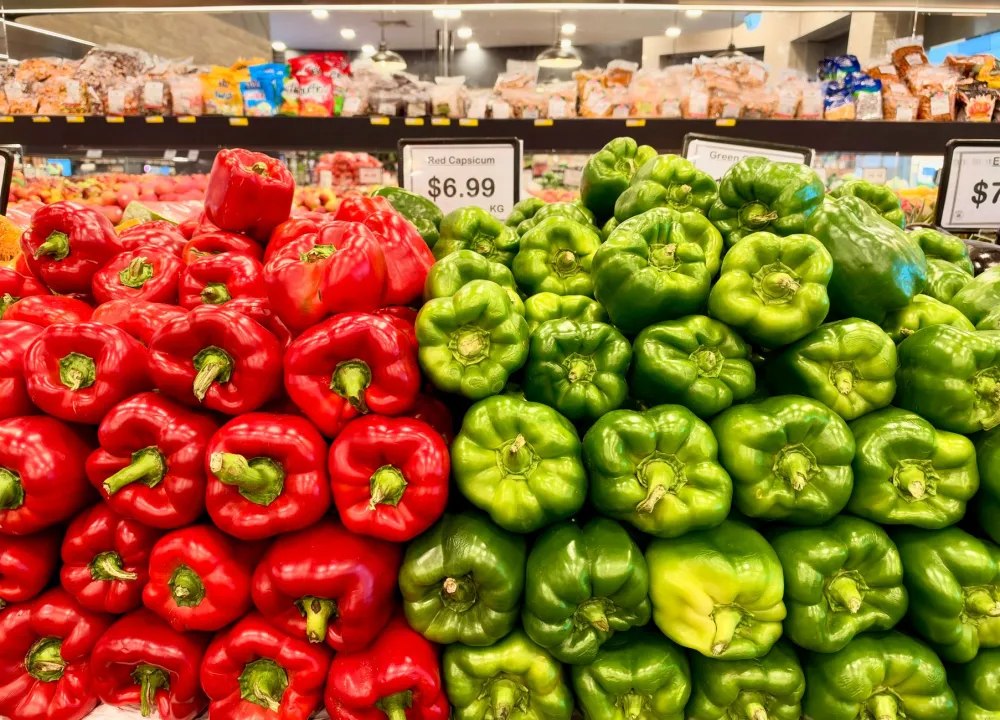
| Bell pepper | 1/2 cup chopped | About 2 to 3 g | Moderate | Green has fewer carbs than red |
| Tomato | 1 medium | About 3 g | Moderate | Fine fresh; watch jarred sauces |
| Onion | 1/4 cup chopped | About 3 g | Moderate | Use for flavor, not bulk |
Healthy Fats and Oils
| Food | Serving | Net carbs (approx.) | Status | Note |
|---|---|---|---|---|
| Olive oil | 1 tbsp | 0 g | Eat freely | Best everyday cooking oil |
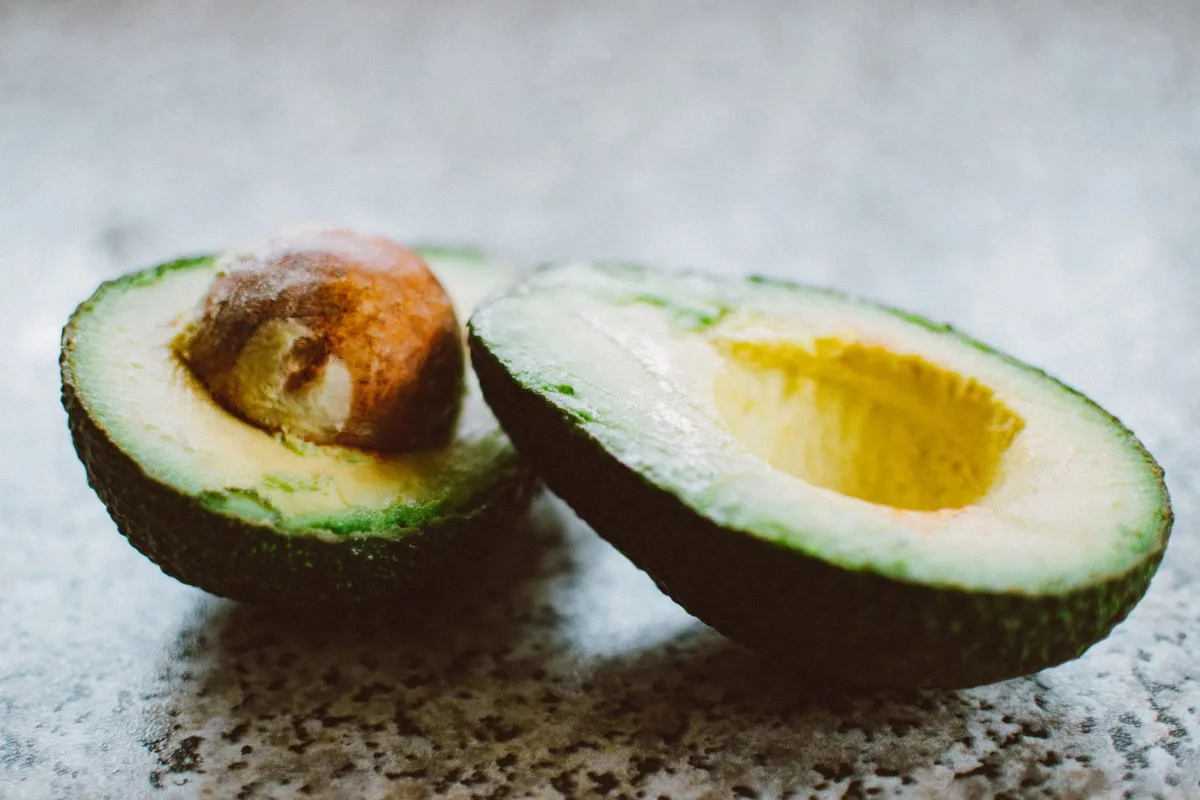
| Avocado | 1/2 medium | About 2 g | Eat freely | High fiber and filling |
| Olives | 10 large | About 1 g | Eat freely | Salty, so count sodium |
| Butter | 1 tbsp | 0 g | Moderate | High in saturated fat |
| Coconut oil | 1 tbsp | 0 g | Moderate | Mostly saturated fat; use sparingly |
Dairy
| Food | Serving | Net carbs (approx.) | Status | Note |
|---|---|---|---|---|
| Cheddar cheese | 1 oz (28 g) | Under 1 g | Moderate | Calorie-dense and easy to overeat |
| Mozzarella | 1 oz (28 g) | Under 1 g | Moderate | Melts well for pizza swaps |
| Cream cheese | 2 tbsp | About 1 g | Moderate | Thickens sauces and dips |
| Heavy cream | 1 tbsp | Under 1 g | Moderate | Coffee splashes add up fast |
| Plain Greek yogurt, full-fat | 1/2 cup | About 4 g | Moderate | Skip flavored cups |
Nuts, Seeds and Berries
| Food | Serving | Net carbs (approx.) | Status | Note |
|---|---|---|---|---|
| Chia seeds | 2 tbsp | About 2 g | Eat freely | Mostly fiber; makes pudding |
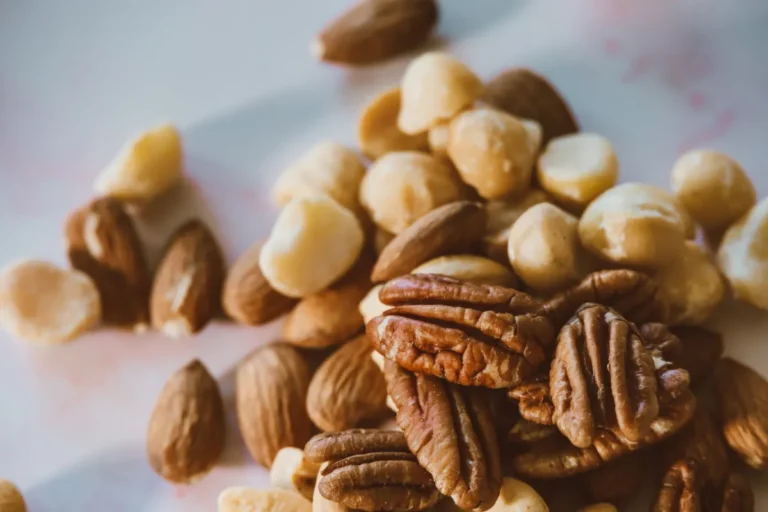
| Pecans | 1 oz (about 19 halves) | About 1 g | Moderate | One of the lowest-carb nuts |
| Walnuts | 1 oz | About 2 g | Moderate | Source of plant omega-3s |
| Pumpkin seeds, shelled | 1 oz | About 2 g | Moderate | Good source of magnesium |
| Almonds | 1 oz (about 23) | About 3 g | Moderate | Pre-portion; handfuls disappear |
| Peanut butter, natural | 2 tbsp | About 5 g | Moderate | Choose no-sugar-added jars |
| Raspberries | 1/2 cup | About 3 g | Moderate | Lowest-carb berry pick |
| Strawberries | 1/2 cup sliced | About 4 g | Moderate | Pair with cream, not sugar |
Drinks
| Food | Serving | Net carbs (approx.) | Status | Note |
|---|---|---|---|---|
| Water or sparkling water | Any amount | 0 g | Eat freely | Unsweetened only |
| Black coffee | 8 oz (240 ml) | 0 g | Eat freely | Flavored creamers add sugar |
| Unsweetened tea | 8 oz (240 ml) | 0 g | Eat freely | Hot or iced both work |
| Broth | 1 cup | About 1 g | Eat freely | Helps replace sodium early on |
Foods to Avoid or Save for Rare Occasions
| Food | Serving | Net carbs (approx.) | Status | Note |
|---|---|---|---|---|
| White bread | 1 slice | About 12 g | Avoid | Try lettuce wraps instead |
| White rice | 1 cup cooked | About 44 g | Avoid | Cauliflower rice is the swap |
| Pasta | 1 cup cooked | About 40 g | Avoid | Zucchini noodles fill the gap |
| Baked potato | 1 medium | About 33 g | Avoid | Mashed cauliflower works well |
| Banana | 1 medium | About 24 g | Avoid | Berries are the lower-carb pick |
| Black beans | 1/2 cup cooked | About 13 g | Avoid | Healthy, but carb-heavy for keto |
| Regular soda | 12 oz (355 ml) | About 39 g | Avoid | All sugar, zero fiber |
| Orange juice | 8 oz (240 ml) | About 26 g | Avoid | Try sparkling water with citrus |
Food not listed? Check the Nutrition Facts label, subtract dietary fiber from total carbohydrates, and compare the result with your daily target.
How Do You Use This Keto Food List Printable?
The easiest way to use it is to build most meals from the “eat freely” rows, add a measured serving from the “moderate” rows, and treat the “avoid” rows as foods to swap out. Print it, tape it somewhere you’ll see it, and check it before you shop.
Here’s a simple routine that many people find sticks:
- Save it twice: print the free PDF for the fridge and keep a copy on your phone for the store.
- Pick a daily range: many plans use about 20 to 50 grams of net carbs a day, but the right number depends on your health and goals.
- Build the plate first: one palm-size protein, two fist-size servings of vegetables, and a thumb of fat.
- Add moderates last: measure nuts, cheese and berries instead of eating from the bag.
- Shop from the list: pair it with our keto grocery list for beginners to fill your cart quickly.
A quick example shows how the math works. A dinner of 4 ounces of salmon (0 g), 1 cup of broccoli (about 4 g) and 1 tablespoon of butter (0 g) lands at roughly 4 grams of net carbs. That leaves room for berries, nuts or a side salad later in the day.
Want the thinking done for you? Our free 28 day keto diet plan turns these same foods into week-by-week meals.
How Can You Adjust the Keto Food List Printable?
You can adapt the list for a tight budget, a vegetarian diet or a smaller appetite by swapping foods within the same row group. The carb counts stay similar while the price, protein source or portion changes to fit your life.
On a tight grocery budget
Keto doesn’t require specialty products. Frozen vegetables, eggs and cheaper cuts of meat cover most of the list at regular supermarket prices.
| Pricier pick | Budget swap | Why it works |
|---|---|---|
| Fresh salmon fillets | Canned salmon or tuna | Same protein, zero carbs |
| Steak | Chicken thighs or ground beef | Cheaper per pound, still 0 g |
| Fresh berries | Frozen berries | Similar carbs, less waste |
| Fresh asparagus | Frozen broccoli or spinach | Low carb, lasts for weeks |
| Packaged keto bars | Hard-boiled eggs | Fewer additives, much cheaper |
Vegetarian keto foods
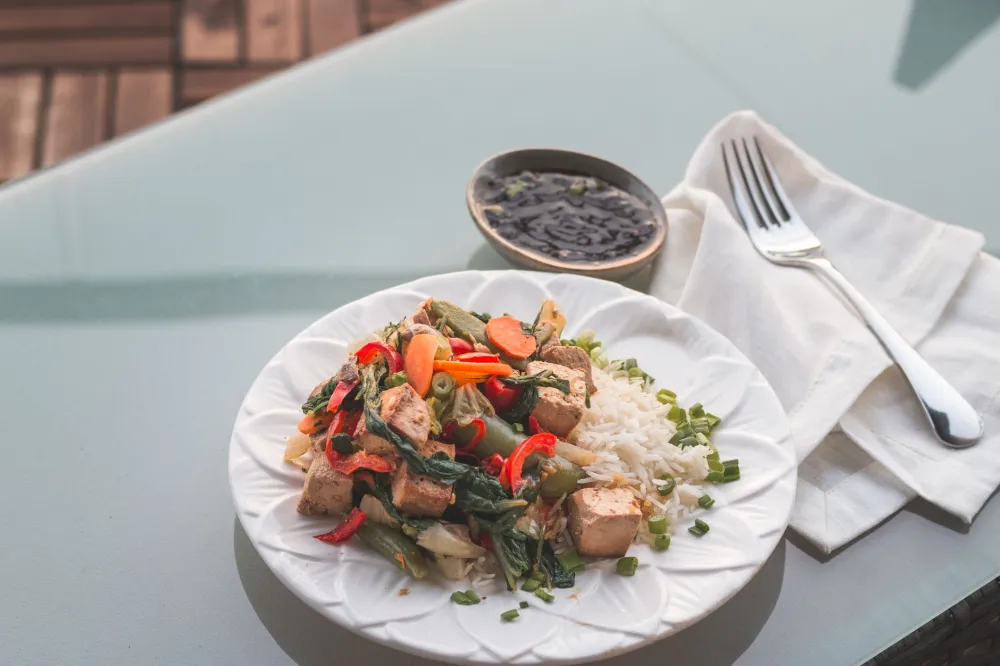
Vegetarian keto is doable, though it takes more planning. Lean on eggs, firm tofu, plain Greek yogurt, cheese, nuts and seeds, and keep the vegetables generous. Fully vegan keto is harder because beans and lentils are carb-heavy, so a registered dietitian can help you avoid gaps in protein, vitamin B12 and iron.
Portion sizes and appetite
“Eat freely” means low in carbs, not unlimited. Smaller adults, older adults and less active people usually need smaller portions of meat and fat than the serving sizes shown. Our keto diet for seniors guide explains a gentler pace that may suit anyone easing in.
Common Mistakes With a Keto List of Foods to Eat and Avoid
The most common mistake is watching only carbs and forgetting calories, fiber and hidden sugars. A food can be technically keto and still work against your goals.

- Overdoing fat: butter, cheese and nuts are calorie-dense, and weight loss still depends on overall energy balance.
- Hidden sauce carbs: ketchup, barbecue sauce and bottled dressings can carry several grams of sugar per tablespoon.
- Skimping on vegetables: without fiber, constipation is a common complaint on low-carb diets.
- Living on keto-labeled snacks: many are ultra-processed. Our breakdown of dirty keto vs clean keto explains why whole foods matter.
- Forgetting fluids and salt: carb cuts cause early water loss, which may leave you lightheaded.
One more trap: treating the list as a test you pass or fail. A slice of birthday cake doesn’t erase a week of good choices. Just go back to the list at the next meal.
Who Should Check With a Doctor Before Starting Keto?
If you have a chronic health condition or take daily prescription medicine, talk with a doctor before you change how you eat. Very low-carb eating can shift blood sugar, blood pressure and fluid balance faster than many people expect.
Check in first if any of these apply to you:
- Diabetes: type 1 or type 2, especially if you use insulin or other glucose-lowering medicines.
- Kidney, liver or pancreas conditions: including a history of pancreatitis or gallbladder problems.
- Heart concerns: high LDL cholesterol or a family history of early heart disease.
- Pregnancy or breastfeeding: talk with your OB or midwife before any major diet change.
- Eating disorder history: strict food rules can be risky, so work with a professional.
- Under 18: growing bodies have different needs.
What Does the Research Say About Keto?
Research suggests a ketogenic diet may help some people lose weight and improve blood sugar in the short term. Over longer periods, results tend to look similar to other healthy diets. Sticking with it is the hard part, and effects on cholesterol vary from person to person.
A ketogenic diet is a very low-carb, higher-fat eating pattern that pushes the body to burn fat for fuel and make ketones, small molecules the liver produces when carbs run low. Doctors have used carefully supervised versions for decades to help manage certain types of epilepsy. For weight loss, the evidence is more mixed.

The DIETFITS trial, published in JAMA in 2018, compared a healthy low-fat diet with a healthy low-carb diet over a year and found similar average weight loss in both groups. That doesn’t make keto useless. It suggests the best diet is often the one you can keep eating. Both Harvard Health and the Cleveland Clinic publish patient guides on keto that stress how hard it can be to sustain.
A few myths are worth clearing up:
- Myth, unlimited fat: calories still count, even when carbs are low.
- Myth, all fruit is banned: small portions of berries fit most daily ranges.
- Myth, the only way to lose weight: trials suggest several eating patterns work similarly over time.
Some people see LDL cholesterol rise on keto, especially with lots of butter and processed meat. Leaning on olive oil, avocado, nuts and fish from the list may help, and a blood test a few months in can show how your body is responding.
Related reading: Intermittent Fasting Schedule Printable: Free PDF, 4 Charts.
FAQ
The Bottom Line
A keto food list printable works best as a simple shopping and plating guide. Build meals from the eat freely rows, measure the moderate ones, and swap out the avoid foods. Download the free PDF, stick it on your fridge, and plan your next grocery run around it. If you have a health condition or take daily medicine, talk with your doctor before you start.
This article is for informational purposes only and is not a substitute for professional medical advice, diagnosis, or treatment. Always consult a qualified healthcare provider about your specific situation. If you experience severe or sudden symptoms, seek medical care immediately.

Weight Loss and Nutrition
Browse every related article on this topic in one place.