Standing in the produce aisle with your phone out, trying to remember whether carrots count? You’re not alone. The good news is that most vegetables fit just fine, a handful need a measuring cup, and only a few deserve a “maybe next time.” The list below sorts all of it.
- Low Carb Vegetables List Printable: 45 Foods by Net Carbs
- How Do You Use This Low Carb Vegetables List Printable?
- How Do You Adjust the List to Your Carb Goal?
- Common Mistakes With a Low Carb Fruits and Vegetables List
- Who Should Check With a Doctor or Dietitian First?
- What Does the Research Say About Low Carb Vegetables?
- FAQ
- The Bottom Line
Every number here is rounded from USDA FoodData Central values and labeled approximate, so you can tape the list to the fridge and stop second-guessing yourself. Below it, you’ll find how to use it, smart swaps, and the mistakes that quietly stall progress.
Low Carb Vegetables List Printable: 45 Foods by Net Carbs
Net carbs are total carbs minus fiber, measured in grams (g). Values are approximate, rounded from USDA data, and refer to raw foods unless marked cooked.
- Eat freely: low net carbs at normal portions.
- Moderation: fits well when you measure the portion.
- Limit: one serving can use much of a strict daily carb budget.
Leafy Greens
| Item | Serving | Net carbs (g, approx.) | Rating | Note |
|---|---|---|---|---|
| Spinach | 1 cup | Under 1 | Eat freely | Wilts down, so cook big handfuls |
| Romaine lettuce | 1 cup shredded | Under 1 | Eat freely | Crunchy base for salads, wraps |
| Arugula | 1 cup | Under 1 | Eat freely | Peppery, great with eggs |
| Kale | 1 cup chopped | About 1 | Eat freely | Massage with oil for salads |
| Swiss chard | 1 cup | Under 1 | Eat freely | Sauté the stems too |
| Collard greens | 1 cup chopped | Under 1 | Eat freely | Sturdy leaves work as wraps |
| Bok choy | 1 cup shredded | About 1 | Eat freely | Fast stir-fry favorite |
Cruciferous Vegetables
| Item | Serving | Net carbs (g, approx.) | Rating | Note |
|---|---|---|---|---|
| Broccoli | 1 cup chopped | About 4 | Eat freely | Roast until the edges crisp |
| Cauliflower | 1 cup chopped | About 3 | Eat freely | Rice it or mash it |
| Green cabbage | 1 cup chopped | About 3 | Eat freely | Cheap and keeps for weeks |
| Brussels sprouts | 1 cup | About 5 | Eat freely | Count servings if eating bowlfuls |
| Radishes | 1 cup sliced | About 2 | Eat freely | Roasted, they mimic potatoes |
Everyday Low Carb Vegetables
| Item | Serving | Net carbs (g, approx.) | Rating | Note |
|---|---|---|---|---|
| Zucchini | 1 cup chopped | About 3 | Eat freely | Spiralize into noodles |
| Asparagus | 1 cup | About 2 | Eat freely | Snap off woody ends |
| Green beans | 1 cup | About 4 | Eat freely | Frozen works just as well |
| Celery | 1 cup chopped | About 1 | Eat freely | Pairs well with nut butter |
| Cucumber, with peel | 1 cup sliced | About 3 | Eat freely | Swap for chips with dip |
| White mushrooms | 1 cup sliced | About 2 | Eat freely | Adds a meaty texture |
| Green bell pepper | 1 cup chopped | About 4 | Eat freely | Lower carb than red |
| Eggplant | 1 cup cubed | About 2 | Eat freely | Soaks up oil, so measure it |
| Tomato | 1 medium | About 3 | Eat freely | Jarred sauces may add sugar |
Vegetables to Eat in Moderation
| Item | Serving | Net carbs (g, approx.) | Rating | Note |
|---|---|---|---|---|
| Red bell pepper | 1 cup chopped | About 6 | Moderation | Sweeter than green peppers |
| Onion | 1/2 cup chopped | About 6 | Moderation | Flavor amounts are fine |
| Carrots | 1/2 cup chopped | About 4 | Moderation | Easy to eat several servings |
| Spaghetti squash, cooked | 1 cup | About 8 | Moderation | Pasta swap, watch the portion |
| Butternut squash, cooked | 1/2 cup | About 8 | Moderation | A side, not the main |
| Beets, cooked | 1/2 cup | About 7 | Moderation | A few slices in salad |
| Green peas, cooked | 1/2 cup | About 8 | Moderation | More protein than most vegetables |
Starchy Vegetables to Limit
| Item | Serving | Net carbs (g, approx.) | Rating | Note |
|---|---|---|---|---|
| Potato, baked with skin | 1 medium | About 33 | Limit | Try mashed cauliflower instead |
| Sweet potato, baked | 1 medium | About 20 | Limit | Half portions fit moderate plans |
| Corn kernels, cooked | 1/2 cup | About 15 | Limit | Nutritionally acts like a grain |
| Parsnips, cooked | 1/2 cup | About 10 | Limit | Roast with radishes to stretch |
Low Carb Fruits
| Item | Serving | Net carbs (g, approx.) | Rating | Note |
|---|---|---|---|---|
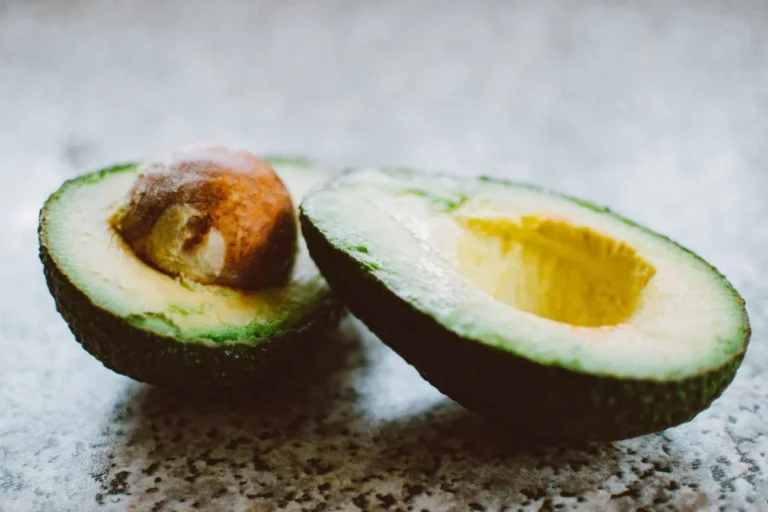
| Avocado | 1/2 medium | About 2 | Eat freely | Mostly fat and fiber |
| Olives | 10 large | About 1 | Eat freely | Salty, so mind sodium |
| Lemon or lime juice | 1 tablespoon | About 1 | Eat freely | Brightens any vegetable |
| Raspberries | 1 cup | About 7 | Moderation | Very high in fiber |
| Blackberries | 1 cup | About 6 | Moderation | Great with plain yogurt |
| Strawberries | 1 cup halves | About 9 | Moderation | Half cup on strict days |
| Blueberries | 1/2 cup | About 9 | Moderation | Smaller serving than other berries |
| Watermelon | 1 cup diced | About 11 | Moderation | Mostly water, still sweet |
Higher Carb Fruits to Limit
| Item | Serving | Net carbs (g, approx.) | Rating | Note |
|---|---|---|---|---|
| Banana | 1 medium | About 24 | Limit | Use half in a smoothie |
| Apple | 1 medium | About 21 | Limit | Thin slices stretch further |
| Grapes | 1 cup | About 26 | Limit | Very easy to overeat |
| Mango | 1 cup pieces | About 22 | Limit | A treat portion, not a snack |
| Raisins | 1 small box | About 32 | Limit | Drying concentrates the sugar |
Quick Rules to Keep in Mind
- Half the plate: fill it from the first three tables.
- Fruit pairing: eat fruit with protein or fat.
- Frozen counts: choose plain bags without sauces.
- Labels matter: check canned and jarred vegetables for added sugar.
How Do You Use This Low Carb Vegetables List Printable?
The easiest approach is to build meals around the “eat freely” groups, add a measured portion from the moderation tables, and save the limit foods for planned occasions. That habit handles most of the carb math without an app.
Quick definition before we go on. Net carbs are total carbohydrates minus fiber, the part of a plant your body can’t fully digest. Fiber passes through mostly intact and feeds your microbiome, the trillions of bacteria living in your gut, which is why many low carb plans count net carbs. Our guide to what feeds your gut microbiome explains why that matters.

Try this simple routine. It takes about five minutes a week:
- Print and post it: Keep the PDF on the fridge, or snap a photo of it for grocery runs.
- Circle your regulars: Mark 8 to 10 items you already like. Familiar food is what you’ll actually cook on a tired Tuesday night.
- Shop the groups in order: Fill your cart from the leafy greens, cruciferous and everyday tables first, then add a few moderation picks.
- Build the plate: Aim for roughly half the plate non-starchy vegetables, a palm-sized portion of protein, and some fat for flavor and fullness.
- Measure moderation foods for one week: After about a week of using a half-cup measure, most people can eyeball portions reasonably well.
How Do You Adjust the List to Your Carb Goal?
You adjust this list by changing how much you eat from the moderation and limit groups, not by cutting vegetables. The eat-freely groups stay about the same for nearly everyone, from strict keto to a gentle cut in refined carbs.
If You’re Following Strict Keto
Keto plans often aim for roughly 20 to 50 grams of carbs a day, so most of your vegetables should come from the first three tables. One measured serving of berries a day usually fits. For the full picture, proteins and fats included, see our printable keto food list.
If You’re Moderately Low Carb
Broader low carb plans often allow more, sometimes around 100 grams a day or a bit higher. That leaves room for daily moderation vegetables, a piece of fruit, and now and then half a sweet potato. Many people find this level easier to stick with over the long haul.
If You’re on a Tight Grocery Budget
Cabbage, carrots, onions, frozen broccoli and frozen spinach are usually among the cheapest produce in most US supermarkets. Frozen vegetables are typically picked and frozen at peak ripeness, so they hold their nutrients well and won’t turn to mush in the crisper drawer. Our keto grocery list for beginners has more budget-friendly staples.
If You’re Vegetarian or Plant-Based
The vegetables themselves don’t change. The protein does: tofu, tempeh, eggs, Greek yogurt and cheese carry far fewer carbs than beans and lentils. Beans still bring fiber and protein, so measured half-cup portions can fit a moderate plan.
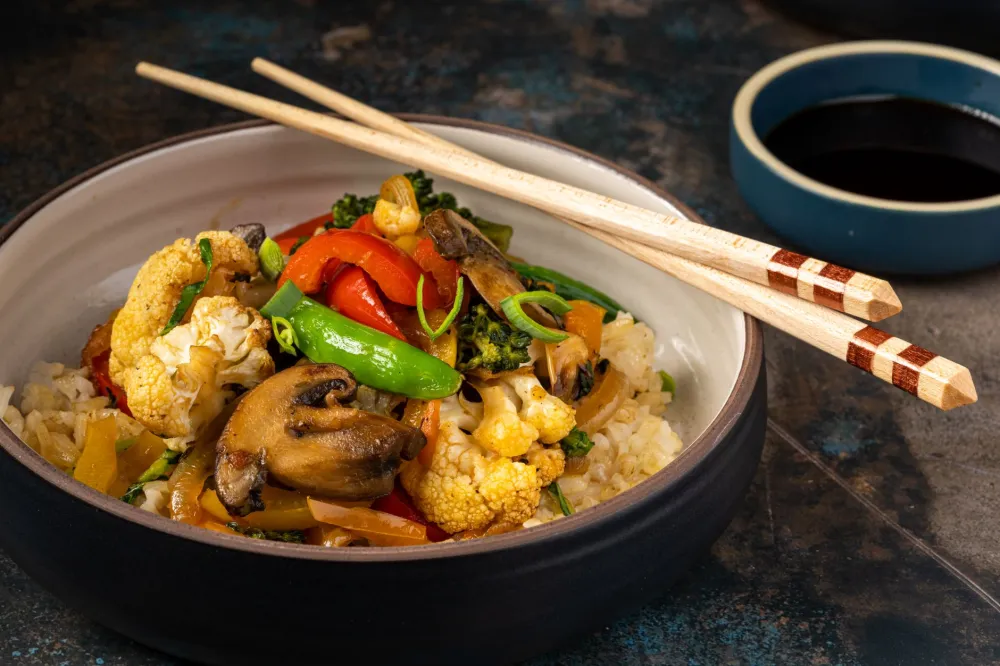
Swaps do the most work with comfort foods. These keep the texture you miss while easing the carb load:
| Instead of | Try | Why it works |
|---|---|---|
| Mashed potatoes | Mashed cauliflower | Similar texture, far fewer carbs |
| Spaghetti | Zucchini or spaghetti squash | Holds sauce well |
| White rice | Riced cauliflower | Sold frozen in most stores |
| Tortilla chips | Cucumber or pepper slices | Same crunch for dips |
| Banana in smoothies | Frozen berries or avocado | Creamy with less sugar |
| Sandwich bread | Collard or romaine wraps | Sturdy enough to fold |
Common Mistakes With a Low Carb Fruits and Vegetables List
The biggest mistake with any low carb fruits and vegetables list is eating too few vegetables, not too many. People cut carbs, lean on meat, cheese and packaged keto snacks, and their fiber intake drops off fast.
Watch for these other slip-ups:
- Banning carrots and onions: A few ounces in a stew or salad barely moves your daily total. Whole meals of them do.
- Ignoring the extras: Honey glazes, breading, teriyaki sauce and restaurant “veggie” sides can turn a low carb vegetable into a sugary one.
- Trusting every keto label: Many keto-branded snacks are ultra-processed. A bag of snap-ready celery beats most of them.
- Cutting carbs overnight: Very fast cuts can bring headaches and fatigue for some people, often called keto flu. Plenty of water and salty broth may help.
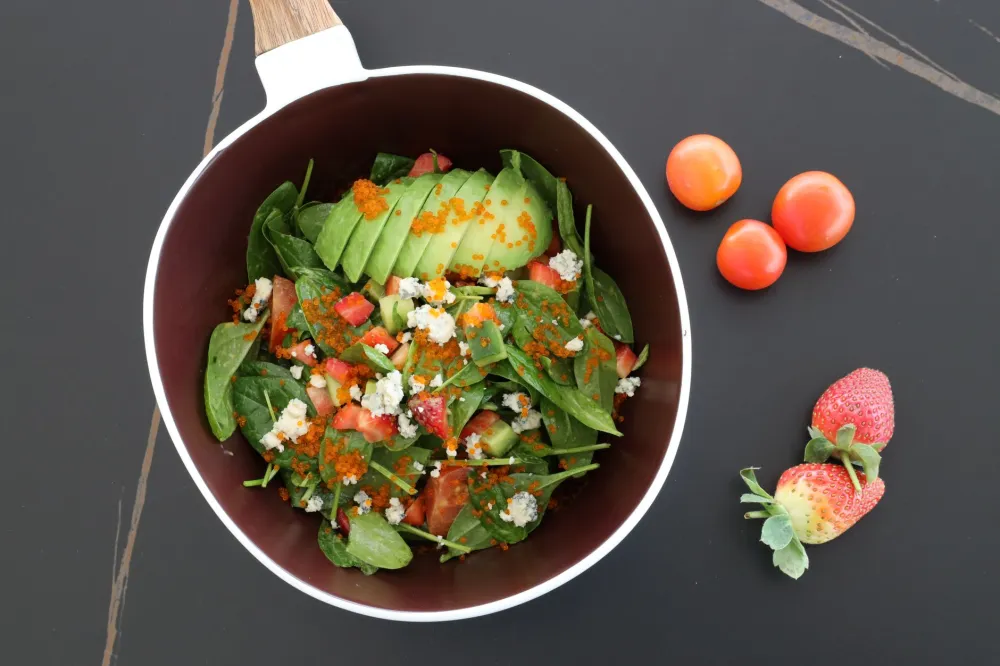
Myth: fruit is off-limits on low carb. Fact: half an avocado, a cup of raspberries, or a squeeze of lime fits most plans. It’s the bananas, grapes and dried fruit that drain a strict budget fast.
One more trap is worth a closer look. Extreme restriction tends to backfire, and research on why crash diets backfire suggests steady habits usually outlast dramatic ones. Treat this list as a menu of options to add, not a rulebook to punish yourself with.
Who Should Check With a Doctor or Dietitian First?
Anyone taking medication for blood sugar, using a blood thinner, managing kidney disease, or pregnant should talk with a doctor before changing carb intake much. A low carb vegetables list printable is a food reference, not a medical plan.
- Diabetes medications: Insulin and some diabetes pills lower blood sugar, and cutting carbs may drop it further. Doses sometimes need adjusting. Our overview of type 2 diabetes covers the basics.
- Warfarin users: Leafy greens are rich in vitamin K, which affects how warfarin works. The usual advice is to keep intake steady, so ask your doctor before a big change.
- Kidney disease: Potassium and protein limits may apply, and a renal dietitian can tailor the list.
- Pregnancy or breastfeeding: Carb needs differ, so check with your OB or midwife first.
- Eating disorder history: Food ratings can stir up old patterns. A dietitian can help you use lists like this safely.
Severe or persistent symptoms, such as ongoing dizziness, shakiness or exhaustion, deserve a real medical evaluation. Chest pain, trouble breathing, sudden numbness or weakness, or unexplained weight loss mean seeing a doctor promptly, not reading blogs.
What Does the Research Say About Low Carb Vegetables?
Research links vegetable-rich eating with better long-term health, and low carb diets can help some people with weight and blood sugar. Over a year or more, though, results often look similar to other well-planned diets. The best pattern is usually the one you can keep.
Most of us have room to grow here. According to the CDC, only about 1 in 10 US adults eats enough vegetables. The Dietary Guidelines for Americans also flag fiber as a nutrient many people fall short on, and non-starchy vegetables add fiber with very few carbs.
Quality counts too. Harvard Health and other expert sources emphasize carbohydrate quality, favoring vegetables, fruits and whole foods over refined starches and added sugar. The American Diabetes Association’s plate method makes the same point visually: half the plate goes to non-starchy vegetables.
Several trials suggest low carb diets may produce faster weight loss in the first few months than low fat diets. That gap tends to shrink with time, and individual responses vary widely.
Related reading: Walking Plan for Weight Loss PDF: Free 4-Week Printable.
FAQ
The Bottom Line
Most vegetables belong on a low carb plate, and the starchy ones just need smaller portions. Use this list to fill half your plate from the eat-freely groups, measure moderation foods for a week, and save sweet fruit for planned treats. Start by circling 8 to 10 favorites and building your next grocery list around them. If you take diabetes medication or a blood thinner, or you have a health condition, talk with your doctor before changing your carb intake.
This article is for informational purposes only and is not a substitute for professional medical advice, diagnosis, or treatment. Always consult a qualified healthcare provider about your specific situation. If you experience severe or sudden symptoms, seek medical care immediately.

Weight Loss and Nutrition
Browse every related article on this topic in one place.