Your fridge door has been open for a full minute, and the only thing in there that looks like dinner is leftover yogurt. By 6 PM, takeout wins again. The fix isn’t more willpower. It’s deciding dinner before you’re hungry enough to pick up the phone.
- Your Free 7-Day 1500 Calorie Meal Plan Printable
- How Do You Use This 1500 Calorie Meal Plan Printable?
- Is a 1,500-Calorie Plan Right for You?
- How Can You Adjust the Plan?
- Which Mistakes Make a 1,500-Calorie Plan Harder?
- Who Should Talk to a Doctor First?
- What Does Research Say About High-Protein Plans?
- FAQ
- The Bottom Line
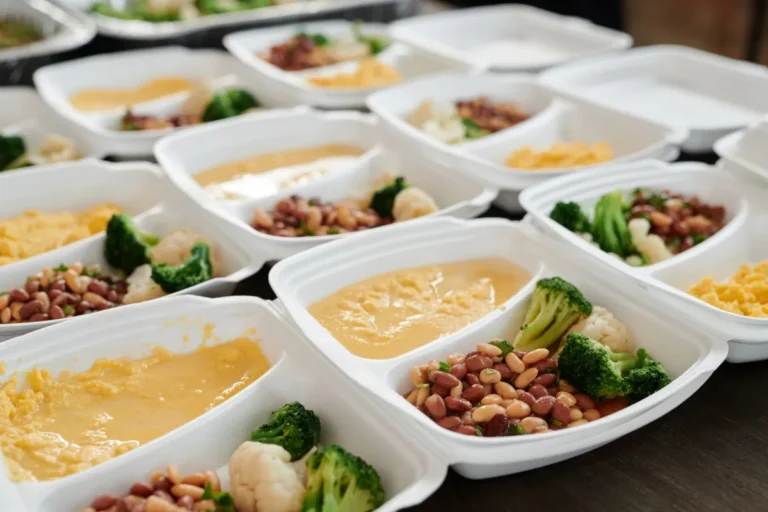
Every meal uses regular supermarket food. Leftovers are planned in, so you cook about four nights, and the cells are big enough to read from across the kitchen. Print the 1500 calorie meal plan printable, shop once, then keep scrolling for swaps, common mistakes and what the research says.
Your Free 7-Day 1500 Calorie Meal Plan Printable
Daily target: about 1,500 calories and roughly 100 to 120 grams of protein (approx.). Totals shift a little with brands and portions.
Week 1: Day-by-Day Meals
| Day | Breakfast | Lunch | Dinner | Snack |
|---|---|---|---|---|
| Monday | Greek yogurt, berries, 2 tbsp granola | Chicken hummus wrap, apple | 5 oz salmon, rice, broccoli | 3/4 cup cottage cheese, cucumber |
| Tuesday | 2 eggs plus 2 whites, toast | Tuna salad on greens, crackers | Turkey bean chili (makes 3 servings) | Apple, 1 tbsp peanut butter |
| Wednesday | Overnight oats with yogurt, chia | Leftover turkey chili | Sheet-pan chicken thighs, sweet potato | String cheese, grapes |
| Thursday | Cottage cheese, berries, chia | Leftover chicken, rice, spinach bowl | Shrimp stir-fry, frozen veggies, rice | 1/2 cup shelled edamame |
| Friday | Pepper and spinach egg scramble, toast | Lentil soup, string cheese, crackers | Lean beef tacos, slaw, salsa | Greek yogurt, berries |
| Saturday | Yogurt smoothie: banana, spinach, milk | Turkey sandwich, baby carrots, hummus | Baked cod, potatoes, side salad | 2 hard-boiled eggs |
| Sunday | Yogurt bowl, banana, peanut butter | Chicken burrito bowl, beans, salsa | Tofu veggie stir-fry, brown rice | Cottage cheese, berries |
Portion guide: about 4 to 5 oz (115 to 140 g) cooked protein, about 2/3 cup cooked rice or potatoes, about 1 tsp oil per meal, and vegetables as much as you like.
Weekend Prep Checklist
- Cook turkey bean chili and portion three servings.
- Bake 1 lb chicken breast; freeze half for Sunday.
- Cook a pot of brown rice for the week.
- Wash greens; slice peppers and cucumber.
- Mix Wednesday’s overnight oats on Tuesday night.
1500 Calorie Grocery List: Proteins
| Item | Approx. amount | Used on |
|---|---|---|
| Chicken breast | 1 lb (450 g) | Mon, Sun |
| Boneless chicken thighs | 1 lb (450 g) | Wed, Thu |
| Salmon fillet | 5 oz (140 g) | Mon |
| Cod fillet | 5 oz (140 g) | Sat |
| Frozen shrimp | 6 oz (170 g) | Thu |
| 93% lean ground turkey | 1 lb (450 g) | Tue, Wed |
| 93% lean ground beef | 8 oz (225 g) | Fri |
| Canned tuna | 1 can (5 oz) | Tue |
| Low-sodium deli turkey | 4 oz (115 g) | Sat |
| Eggs | 1 dozen | Tue, Fri, Sat |
| Extra-firm tofu | 1 block (14 oz) | Sun |
Grocery List: Dairy
| Item | Approx. amount | Used on |
|---|---|---|
| Plain nonfat Greek yogurt | 1 large tub (32 oz) | Mon, Wed, Fri, Sat, Sun |
| Low-fat cottage cheese | 1 tub (24 oz) | Mon, Thu, Sun |
| Milk or soy milk | Half gallon | Wed, Sat |
| String cheese | 1 small pack | Wed, Fri |
| Shredded cheese | 1 small bag | Fri, Sun |
Grocery List: Produce
| Item | Approx. amount | Used on |
|---|---|---|
| Frozen mixed berries | 2 lb bag | Mon, Thu, Fri, Sun |
| Apples | 2 | Mon, Tue |
| Bananas | 2 | Sat, Sun |
| Grapes | Small bunch | Wed |
| Baby spinach | 1 large tub | Tue, Thu, Fri, Sat |
| Mixed salad greens | 1 bag | Tue, Sat |
| Broccoli | 1 crown | Mon |
| Green beans | 12 oz | Wed |
| Cucumber | 1 | Mon, Sat |
| Sweet potato | 1 large | Wed |
| Baby potatoes | 1 lb | Sat |
| Onions | 2 | Tue, Fri |
| Bell peppers | 3 | Fri, Sun |
| Baby carrots | 1 bag | Sat |
| Coleslaw mix | 1 bag | Fri |
Grocery List: Grains and Bread
| Item | Approx. amount | Used on |
|---|---|---|
| Rolled oats | Small canister | Wed |
| Brown rice or microwave pouches | 1 bag or 5 pouches | Mon, Thu, Sun |
| Whole-wheat tortillas | 1 pack | Mon |
| Corn tortillas | 1 small pack | Fri |
| Whole-grain bread | 1 loaf | Tue, Fri, Sat |
| Whole-grain crackers | 1 box | Tue, Fri |
| Low-sugar granola | 1 small bag | Mon |
Grocery List: Pantry and Frozen
| Item | Approx. amount | Used on |
|---|---|---|
| Canned kidney or black beans | 3 cans | Tue, Sun |
| Canned diced tomatoes | 2 cans | Tue |
| Low-sodium lentil soup | 1 can or carton | Fri |
| Peanut butter | 1 jar | Tue, Sun |
| Olive oil | 1 bottle | Cooking all week |
| Chia seeds | 1 small bag | Wed, Thu |
| Salsa | 1 jar | Fri, Sun |
| Hummus | 1 tub | Mon, Sat |
| Frozen stir-fry vegetables | 2 bags | Thu, Sun |
| Frozen shelled edamame | 1 bag | Thu |
Amounts are approximate, for one adult for seven days. Check your pantry first, and choose frozen fish or shrimp if fresh is pricey.
How Do You Use This 1500 Calorie Meal Plan Printable?
Shop once from the grocery tables, prep a few staples on the weekend, and follow the days in order so the leftovers land where they’re planned. Tuesday’s chili becomes Wednesday’s lunch, and Wednesday’s chicken thighs become Thursday’s rice bowl. It’s a small bit of choreography, but it’s what makes the week run itself.
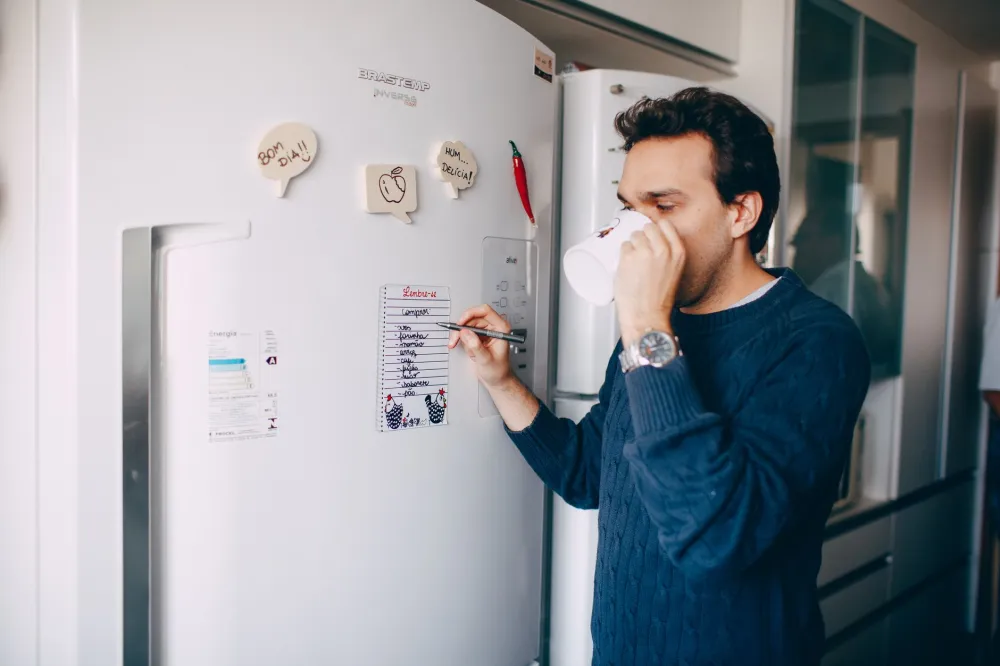
- Print and post it: Tape the plan where you’ll see it before you open the fridge. At 6 PM, a decision already made beats a decision you have to make.
- Shop with the list, not your stomach: Buy everything in one trip, ideally after a meal, so the cart doesn’t fill up with extras.
- Prep for about an hour: Chili, rice and chicken cover most of the first half of the week. Our guide to meal prep for busy weeks without burnout has more shortcuts.
- Swap whole days, not single meals: If Thursday’s shrimp night falls apart, eat Saturday’s menu instead. Moving full days keeps the totals close.
- Repeat before you rotate: Run the same week twice before changing anything. Familiar meals mean fewer decisions and less waste.
What the first two weeks may feel like
In the first few days, many people notice hunger creeping in around their old snack times. That usually eases as the routine settles, and the planned snack plus a glass of water tends to help more than gritting your teeth through it. By week two, shopping and prep often go faster because you know the list by heart.
Expect the scale to bounce. Water shifts from salt, carbs and hormonal cycles can hide or exaggerate change for a week or more, so judge progress over several weeks rather than single mornings.
Is a 1,500-Calorie Plan Right for You?
A 1,500-calorie plan may suit many smaller or less active adults aiming for gradual weight loss. It’s too low for some people and not appropriate for others. Height, age, sex, activity level and health conditions all change the math.
A 1,500-calorie meal plan is a set menu that spreads roughly 1,500 calories across the day, so you don’t have to count every bite. The Dietary Guidelines for Americans estimate that many adult women need roughly 1,600 to 2,400 calories a day and many adult men roughly 2,000 to 3,000, depending on age and activity. For plenty of people, 1,500 creates a meaningful deficit.
Pace matters. The CDC notes that people who lose weight gradually, about 1 to 2 pounds a week, are more likely to keep it off. A 1500 calorie meal plan high protein approach is built for that steady pace, not a crash.
| Your situation | Is 1,500 a fit? | Better next step |
|---|---|---|
| Smaller, mostly seated adult | Often a reasonable deficit | Try the plan as written |
| Taller or physically active adult | Likely too low | Add a snack or bigger portions |
| Hard daily training | Probably too low | Ask a dietitian for a target |
| Pregnant or breastfeeding | Not without medical guidance | Talk to your doctor first |
| History of disordered eating | Not a good starting point | Work with a professional first |
| Under 18 | Not appropriate | Talk to a pediatrician |
If this plan leaves you starving by day four, it probably needs more food, not more discipline. Constant hunger is a signal worth listening to.
How Can You Adjust the Plan?
You can adjust this 1500 calorie meal plan printable for budget, vegetarian eating or a bigger appetite. The trick is swapping foods within the same slot: protein for protein, grain for grain. Keeping the structure is what keeps calories roughly steady.
Budget and vegetarian swaps
| Instead of | Try | Why it works |
|---|---|---|
| Salmon fillet | Canned salmon or tuna | Cheaper, still protein-rich |
| Chicken breast | Tofu or tempeh | Plant protein, same role |
| Ground beef | Lentils or black beans | Adds fiber, lowers cost |
| Shrimp | Eggs or edamame | Budget-friendly protein |
| Fresh berries | Frozen berries | Similar nutrition, less waste |
| Rice pouches | Bulk dry brown rice | Cheaper per serving |
Protein isn’t identical across swaps. According to USDA FoodData Central, 4 ounces (about 115 g) of cooked chicken breast has roughly 35 grams of protein, while a cup of cooked lentils has about 18 grams plus plenty of fiber. Our high protein foods chart lists 42 options with approx. amounts.
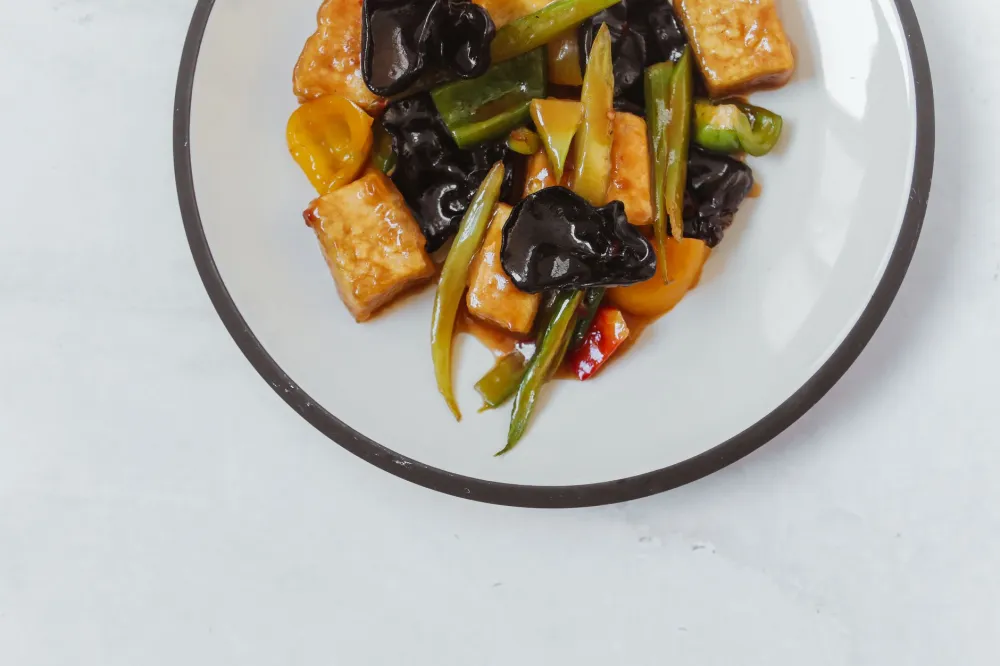
Vegetarians can lean on eggs, Greek yogurt, cottage cheese, tofu, edamame and lentils, which already appear in the plan. Vegans can use soy milk, soy yogurt and extra tofu or tempeh. Hitting about 100 grams of protein takes more planning, so a dietitian can help.
Portion sizes and appetite
If you’re active or hungry all the time, adding about 200 to 300 calories a day is a sensible first step. Try an extra piece of fruit with string cheese, or a larger scoop of rice at dinner. Going below 1,500 without medical supervision isn’t something we’d suggest, because crash diets tend to backfire through hunger, fatigue and muscle loss.
Which Mistakes Make a 1,500-Calorie Plan Harder?
Most of the trouble with a 1500 calorie meal plan printable isn’t the food on the page. It’s the extras that sneak in around it. Small add-ons can quietly eat up a modest calorie deficit.
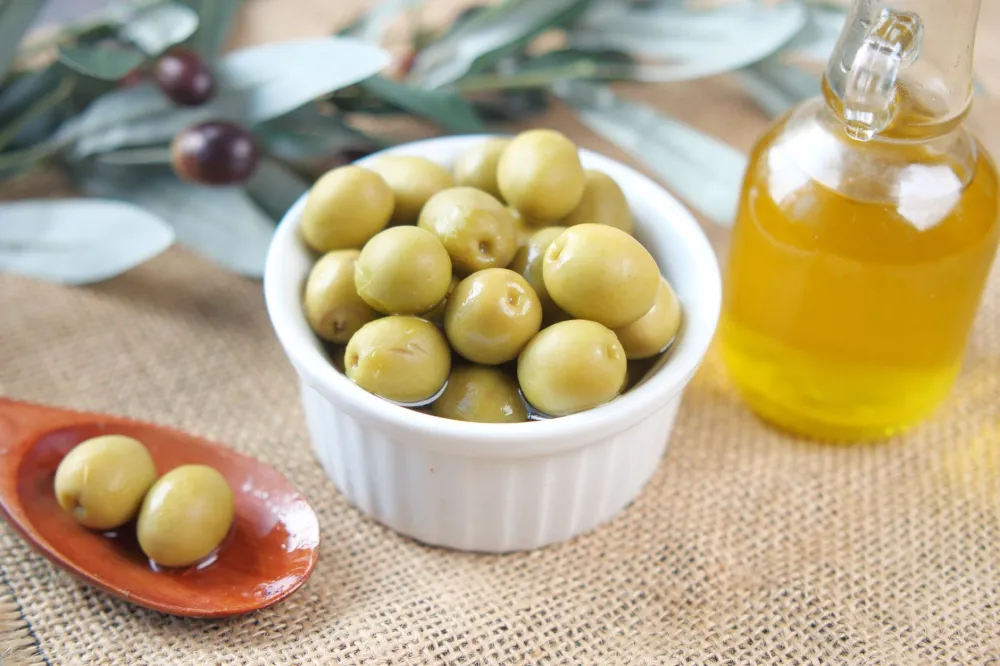
- Free-pouring oil: One tablespoon of olive oil is about 120 calories (approx.). Measure it for the first couple of weeks.
- Skipping the snack: It’s planned protein, not a bonus. Skipping it often leads to a bigger, unplanned snack at 9 PM.
- Drinking your calories: Sweet coffee drinks, juice and alcohol aren’t in the plan. Water, sparkling water, plain coffee or tea keep things on track.
- Weighing every morning: Daily swings are normal. A weekly average gives a calmer, truer picture.
- Dropping vegetables to save time: They add volume and fiber for very few calories, which helps you feel full.
- Quitting after one off day: A birthday dinner doesn’t erase a week. Pick up at the next meal.
If progress stalls for several weeks despite steady habits, our guide to getting past weight loss plateaus covers sensible next moves.
Who Should Talk to a Doctor First?
Check with your doctor or a registered dietitian (RD) before starting if you have a chronic health condition, take medicines that affect blood sugar or appetite, or are pregnant or breastfeeding. A calorie cut plus higher protein can interact with these situations in ways no printable can account for.
- Diabetes: Especially if you use insulin or other medicines that can cause low blood sugar.
- Kidney disease: Higher-protein eating may not be appropriate for you.
- Pregnancy or breastfeeding: Calorie needs are higher, so talk to your doctor.
- Past or current eating disorder: Calorie-set plans can be triggering; a professional can guide you.
- Weight-loss medications such as GLP-1 drugs: Your care team can set protein and calorie goals.
- Older adults and teens: Needs differ, and muscle protection matters more.
Stop and get checked if you feel dizzy, faint or unusually exhausted. Red-flag symptoms such as chest pain, trouble breathing, a sudden severe headache, numbness or weakness, or unexplained weight loss mean seeing a doctor promptly, not tweaking a meal plan. Severe or persistent symptoms always deserve a real medical evaluation.
Bringing this 1500 calorie meal plan printable to an appointment can make the conversation easier. A dietitian can adjust portions in minutes once they see what you’re actually eating.
What Does Research Say About High-Protein Plans?
Research suggests that eating more protein while cutting calories may help you feel fuller and keep more muscle. Total calories still drive weight change, though. Protein is a helpful tool inside a sensible plan, not a shortcut around one.
The basic adult recommendation, called the Recommended Dietary Allowance (RDA), is 0.8 grams of protein per kilogram of body weight, about 0.36 grams per pound. Several weight-loss trials have used more than that. Higher protein during a calorie deficit is associated with better retention of lean mass, meaning muscle and other non-fat tissue. Our guide to protein for weight loss covers daily targets in more detail.

Muscle needs a reason to stay, too. Studies generally find that pairing adequate protein with resistance exercise, like squats, push-ups or dumbbell work two or three times a week, preserves muscle better than diet alone. If you’re weighing your options, see how strength training vs cardio for weight loss compare.
What the research does not support
There’s no good evidence that any single food “burns fat,” or that eating protein far past your needs speeds results on its own. Protein still carries calories, about 4 per gram. But there’s a catch on the other side too: claims that a set calorie plan “resets” your metabolism don’t hold up. Mayo Clinic explains that weight loss generally comes down to using more calories than you take in, so the protein in this 1500 calorie meal plan printable earns its place by making a moderate deficit easier to live with.
FAQ
The Bottom Line
A 1500 calorie meal plan printable works best as a starting structure, not a rulebook. Print the 7-day plan, shop once from the grocery list, prep chili, rice and chicken on the weekend, and get protein at every meal. Give it two weeks before judging, add food if you’re constantly hungry, and check with your doctor first if you have a health condition or take medication that affects blood sugar or appetite.
This article is for informational purposes only and is not a substitute for professional medical advice, diagnosis, or treatment. Always consult a qualified healthcare provider about your specific situation. If you experience severe or sudden symptoms, seek medical care immediately.

Weight Loss and Nutrition
Browse every related article on this topic in one place.