

A keto chart for carbs answers the question you keep asking in the grocery aisle: is this okay, or did that handful of cashews just eat half your day? Labels help, but loose produce, bulk-bin nuts and deli chicken don’t come with neat numbers. So here’s one page that fills the gap.
Every number is rounded from USDA FoodData Central, the federal government’s food nutrient database. Brands and varieties differ, so treat each figure as an estimate. The lowest-carb foods sit at the top of each table, so your safest picks are usually the first ones your eye lands on.
Keto Chart for Carbs: 45 Foods With Net Carbs
Legend: Net carbs = total carbs minus fiber. All values approx. rounded, per serving shown (USDA FoodData Central).
Non-Starchy Vegetables
| Food | Serving | Net carbs (approx.) | Total carbs (approx.) |
|---|---|---|---|
| Spinach, raw | 1 cup | Under 1 g | 1 g |
| Romaine lettuce | 1 cup shredded | Under 1 g | 1.5 g |
| Celery | 1 cup chopped | 1.5 g | 3 g |
| White mushrooms | 1 cup sliced | 1.5 g | 2.5 g |
| Cucumber | 1/2 cup sliced | 1.5 g | 2 g |
| Green bell pepper | 1/2 cup chopped | 2 g | 3.5 g |
| Zucchini | 1 cup chopped | 2.5 g | 4 g |
| Green cabbage | 1 cup chopped | 3 g | 5 g |
| Cauliflower | 1 cup chopped | 3 g | 5 g |
| Broccoli | 1 cup chopped | 3.5 g | 6 g |
Proteins
| Food | Serving | Net carbs (approx.) | Total carbs (approx.) |
|---|---|---|---|
| Chicken breast, cooked | 3 oz (85 g) | 0 g | 0 g |
| Ground beef, cooked | 3 oz | 0 g | 0 g |
| Salmon, cooked | 3 oz | 0 g | 0 g |
| Canned tuna | 3 oz | 0 g | 0 g |
| Shrimp, cooked | 3 oz | Under 1 g | Under 1 g |
| Egg | 1 large | Under 1 g | Under 1 g |
| Firm tofu | 1/2 cup | 2.5 g | 5.5 g |
Dairy and Fats
| Food | Serving | Net carbs (approx.) | Total carbs (approx.) |
|---|---|---|---|
| Butter | 1 tbsp | 0 g | 0 g |
| Olive oil | 1 tbsp | 0 g | 0 g |
| Heavy cream | 1 tbsp | Under 1 g | Under 1 g |
| Cheddar cheese | 1 oz | Under 1 g | Under 1 g |
| Mozzarella, whole milk | 1 oz | Under 1 g | Under 1 g |
| Cream cheese | 1 oz (2 tbsp) | 1 g | 1 g |
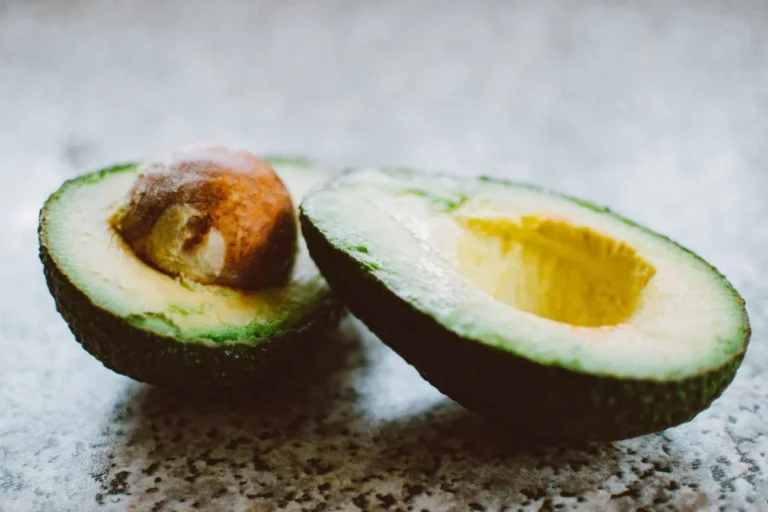
| Avocado | 1/2 fruit | 1.5 g | 6 g |
| Greek yogurt, plain whole-milk | 6 oz | 7 g | 7 g |
Nuts and Seeds
| Food | Serving | Net carbs (approx.) | Total carbs (approx.) |
|---|---|---|---|
| Ground flaxseed | 2 tbsp | Under 1 g | 4 g |
| Pecans | 1 oz (about 19 halves) | 1 g | 4 g |
| Macadamia nuts | 1 oz | 1.5 g | 4 g |
| Walnuts | 1 oz | 2 g | 4 g |
| Chia seeds | 1 oz | 2 g | 12 g |
| Almonds | 1 oz (about 23) | 2.5 g | 6 g |
| Cashews | 1 oz | 8 g | 9 g |
Fruits
| Food | Serving | Net carbs (approx.) | Total carbs (approx.) |
|---|---|---|---|
| Cherry tomatoes | 1/2 cup | 2 g | 3 g |
| Blackberries | 1/2 cup | 3 g | 7 g |
| Raspberries | 1/2 cup | 3 g | 7 g |
| Strawberries | 1/2 cup halves | 4 g | 6 g |
| Blueberries | 1/2 cup | 9 g | 11 g |
Higher-Carb Foods to Limit
One serving can use most of a strict daily keto budget.
| Food | Serving | Net carbs (approx.) | Total carbs (approx.) |
|---|---|---|---|
| Whole milk | 1 cup | 12 g | 12 g |
| Black beans, cooked | 1/2 cup | 12 g | 20 g |
| White bread | 1 slice | 13 g | 14 g |
| Apple | 1 medium | 21 g | 25 g |
| Banana | 1 medium | 24 g | 27 g |
| Baked potato with skin | 1 medium | 33 g | 37 g |
| Pasta, cooked | 1 cup | 40 g | 43 g |
| White rice, cooked | 1 cup | 44 g | 45 g |
Want more? Browse all our free printables: meal plans, food lists, trackers and challenges, each with a PDF.
How Do You Use This Keto Chart for Carbs?
The quickest method is to pick a daily net carb budget, build each meal from the top rows, and add up only the foods that actually carry carbs. Meals built this way tend to land in single digits without much effort.
- Print it and post it: The fridge door or the inside of a pantry cabinet beats a phone app you have to wake up with greasy fingers mid-cooking.
- Set a daily budget: Many keto plans use roughly 20 to 30 grams of net carbs a day. Your doctor or a registered dietitian can help you choose a number that fits your health.
- Start with protein and vegetables: Pick a protein from the zero-carb table, then add one or two vegetables from the top of the list.
- Count only the carb carriers: Oils, butter and plain meats add essentially nothing, so the math usually comes down to vegetables, nuts, dairy and berries.
- Match the serving column: Two cups of broccoli means doubling the number. A kitchen scale for the first week or two trains your eye faster than guessing.

Here’s one day built only from the chart. Treat it as an example, not a prescription. It comes in well under a typical strict keto limit, which leaves room for a splash of cream or an extra handful of greens.
| Meal | Foods | Net carbs (approx.) |
|---|---|---|
| Breakfast | 2 eggs, spinach, cheddar | 2 g |
| Lunch | Chicken, 2 cups romaine, avocado | 3 g |
| Snack | 1 oz pecans | 1 g |
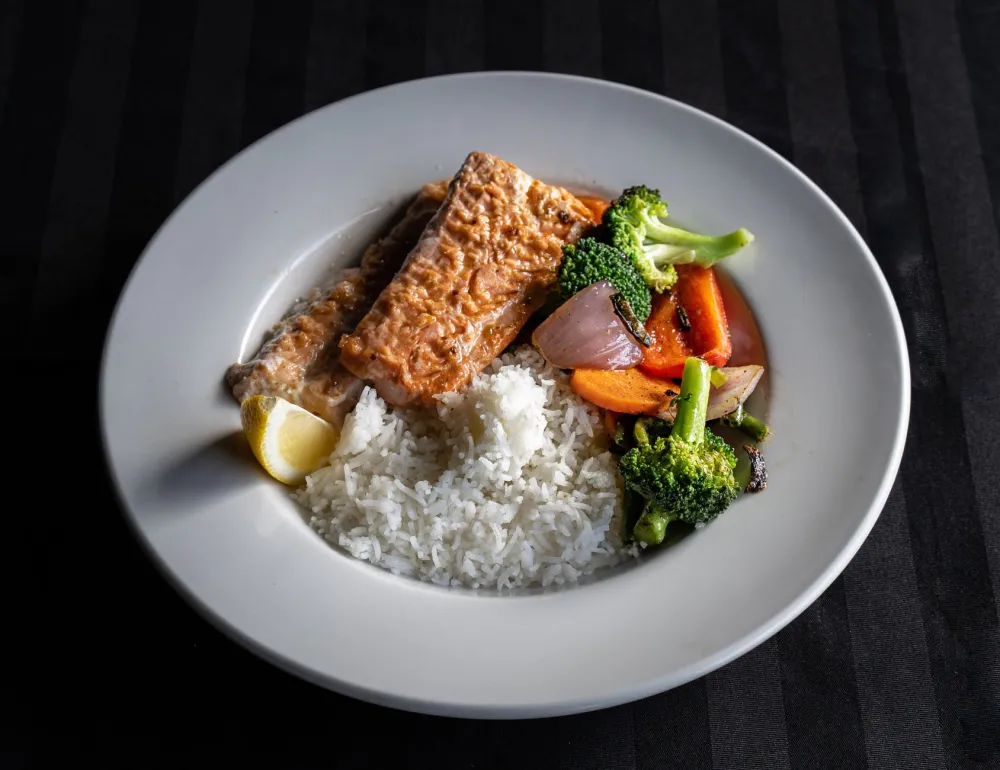
| Dinner | Salmon, 1 cup broccoli, butter | 4 g |
| Dessert | 1/2 cup raspberries, heavy cream | 4 g |
| Day total | Five chart-based meals | About 14 g |
Notice where most of those carbs come from: vegetables and berries. That’s a good sign. They arrive packaged with fiber and vitamins, plus the crunch that keeps keto from feeling like a cheese-only punishment. If you want to log the numbers day by day, our printable macro tracking sheet pairs well with this chart.
How Many Net Carbs a Day Is Keto?
Most keto approaches keep net carbs somewhere around 20 to 50 grams a day, and beginners often start near the lower end. The amount that keeps any one person in ketosis varies with body size, activity level and metabolism, so the number is a starting point rather than a rule.
Ketosis is a metabolic state where your body, running low on carbohydrates, burns more fat and makes ketones (fuel molecules produced by the liver) for energy. Net carbs are total carbohydrates minus fiber, because fiber passes through your gut largely undigested and doesn’t raise blood sugar the way starch and sugar do. The Cleveland Clinic describes the keto diet as a very low-carbohydrate, high-fat eating plan, which is exactly why a reliable carb reference matters so much.
Some people count total carbs instead. It’s stricter and a little simpler, since you skip the subtraction. Either method works with the chart, because both columns are right there.
How Can You Adjust the Chart for Your Needs?
You can adapt this chart to a tight budget, a vegetarian kitchen or a gentler low carb plan by changing which rows you lean on. The numbers stay put. Your shopping list and portions change.
On a tight budget
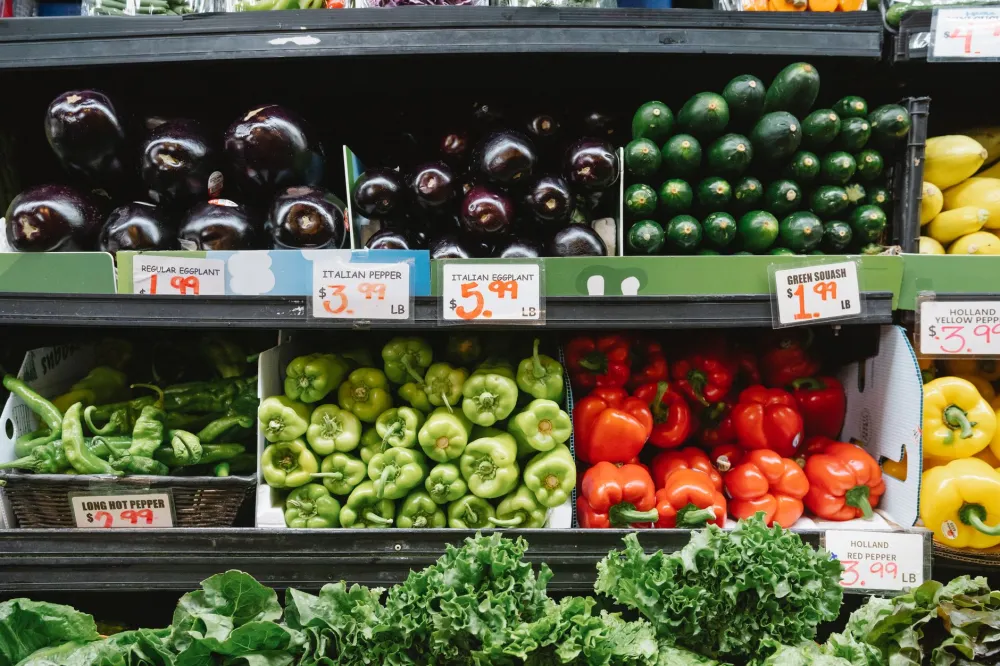
Eggs, canned tuna, green cabbage and frozen broccoli or cauliflower rank among the cheapest rows on the chart. Bone-in chicken thighs and family packs of ground beef stretch further than salmon does. Frozen berries are often cheaper than fresh and work fine stirred into yogurt.
Vegetarian keto
Eggs, cheese, Greek yogurt, tofu, nuts, seeds and avocado carry most vegetarian keto menus. Beans are tricky, since half a cup can eat a big chunk of your carb budget, so protein takes more planning. A fully vegan version is harder still, and many people find it helpful to review the plan with a registered dietitian to cover protein, iron and vitamin B12.
Bigger appetites or a looser low carb plan
Still hungry? Add volume from the top vegetable rows first, since a second cup of spinach or zucchini barely moves the total. If you’re following a moderate low carb approach rather than strict keto, the limit table becomes an occasional treat table: a small apple or half a cup of beans might fit. For more vegetable ideas, see our low carb vegetables list printable, and for a wider eat-or-skip view, try the keto food list printable.
What Mistakes Add Hidden Carbs?
Most people overshoot their carbs not through cake but through small, uncounted extras like sauces, drinks and free-poured nuts. A quick label check and a look at portion sizes catch most of them before they add up.
- Sauces and dressings: A tablespoon of regular ketchup has roughly 5 grams of carbs, and sweet dressings or barbecue sauce can carry more.
- Raw versus cooked measures: Spinach shrinks dramatically, so a cup cooked holds several times the carbs of a cup raw. The chart lists raw vegetables.
- Free-pouring nuts: One ounce of cashews is about 8 grams net. Eating straight from the bag can easily triple that.
- Drinks: Milk in a large latte or a splash of juice in a smoothie counts. Water, plain coffee and unsweetened tea don’t.
- Skimping on vegetables: Cutting greens to save carbs often means less fiber, and constipation is a common complaint on keto.
Packaged foods labeled keto deserve a second look, too. Many use sugar alcohols, sweeteners that affect people differently and can cause gas or loose stools in larger amounts. Our guide to first-month keto mistakes covers more of these traps.

Who Should Talk to a Doctor First?
Anyone with a chronic health condition or daily medication should talk with a doctor before cutting carbs this sharply. Very low carb eating can shift blood sugar, blood pressure and fluid balance, sometimes within days.
- Diabetes: Especially if you use insulin or other glucose-lowering medicines, since doses may need adjusting under medical supervision.
- Blood pressure medication: Lower carb intake can shift fluid and blood pressure.
- Kidney, liver, pancreas or gallbladder conditions: These can affect how your body handles fat and protein.
- Pregnancy or breastfeeding: Talk to your doctor before any restrictive diet.
- A history of disordered eating: Strict food rules and counting can be a trigger, so get support first.
Teens and children should follow keto only under medical guidance. And if you notice chest pain, trouble breathing, a racing heartbeat, confusion or unexplained weight loss, see a doctor promptly. Those aren’t side effects to wait out.
What Does the Research Say About Keto?
Research suggests keto may produce faster weight loss than higher-carb diets over the first few months, but several reviews find the gap tends to narrow by about a year. Long-term effects remain less well studied, and how well a person sticks with any plan seems to matter more than the plan itself.
Ketogenic diets have a long medical history in treating some forms of epilepsy that don’t respond well to medication, always under specialist care. For weight and blood sugar, the evidence is promising but mixed. Harvard Health has pointed out that keto can be hard to sustain and that LDL cholesterol rises in some people, which is a good reason to get bloodwork checked if you stay on it.
A few myths are worth clearing up:
- Myth: all carbs are the enemy. Fact: non-starchy vegetables and berries supply fiber and nutrients most keto plans encourage.
- Myth: fat is unlimited. Fact: calories still count for weight change, even in ketosis.
- Myth: a keto label means low carb. Fact: check total carbohydrate and fiber yourself.
So where does that leave you? Keto is one tool, not magic. If a strict version leaves you miserable, a moderate low carb pattern built from the same vegetables, proteins and healthy fats may be easier to stick with. Our free 28 day keto diet plan shows how those foods fit into full weeks of meals.
FAQ
The Bottom Line
A keto chart for carbs works best as a quick, reliable reference: build meals from proteins and the top vegetable rows, then spend your remaining net carbs on nuts, dairy and berries. Measure portions for the first week or two, because serving size is where most hidden carbs creep in. Print the free PDF, stick it where you cook, and check with your doctor first if you have a health condition or take daily medication.
This article is for informational purposes only and is not a substitute for professional medical advice, diagnosis, or treatment. Always consult a qualified healthcare provider about your specific situation. If you experience severe or sudden symptoms, seek medical care immediately.

Weight Loss and Nutrition
Browse every related article on this topic in one place.