
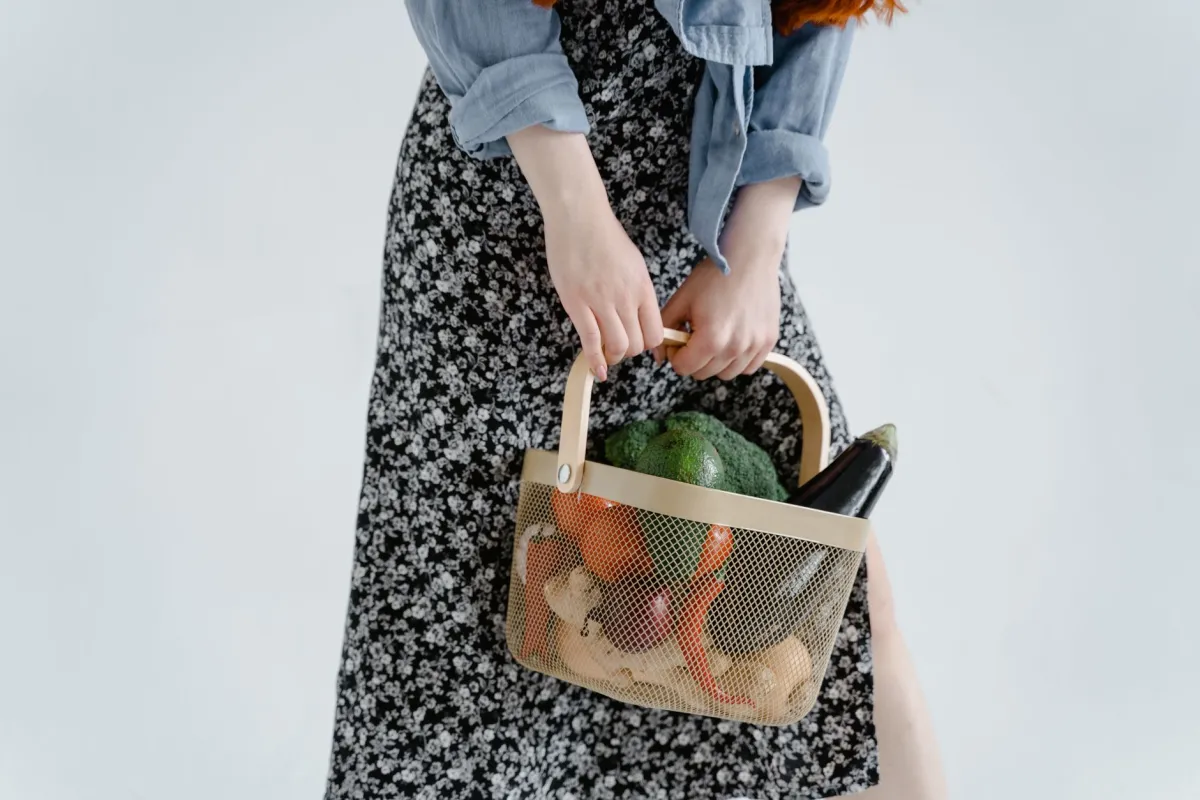
Monday morning, you buy a bag of kale with big plans. By Wednesday night you’re staring into the fridge, wondering what’s for dinner and whether takeout counts as failing. The problem usually isn’t willpower. It’s the missing plan, and that’s what you’ll find below.
- Clean Eating Plan Week 1: 7-Day Menu and Grocery List
- How Do You Use This Clean Eating Plan Week 1?
- How Can You Adjust the Plan to Fit Your Life?
- What Mistakes Do Beginners Make in Week 1?
- Who Should Check With a Doctor or Dietitian First?
- What Does the Research Say About Clean Eating?
- FAQ
- The Bottom Line
Clean eating has no official or medical definition. Most dietitians use the phrase loosely to mean building meals around minimally processed whole foods, like vegetables, fruit, whole grains, beans, eggs, fish and plain dairy, while easing up on heavily processed snacks and sugary drinks. This plan sticks to familiar foods, planned leftovers and one short prep session, so you’ll cook less than you might expect.
Clean Eating Plan Week 1: 7-Day Menu and Grocery List
Every meal below uses foods from a regular US grocery store. Cells give the meal name and a short note, not a full recipe. Swap days around as you like.
Week 1 Meal Plan
| Day | Breakfast | Lunch | Dinner | Snack |
|---|---|---|---|---|
| Monday | Oatmeal, berries, walnuts | Chicken quinoa bowl, greens | Sheet-pan salmon, broccoli, sweet potato | Apple, peanut butter |
| Tuesday | Greek yogurt, berries, oats | Leftover salmon over greens | Turkey chili with beans (make double) | Carrots, hummus |
| Wednesday | Veggie egg scramble, whole-grain toast | Leftover turkey chili | Chicken stir-fry, brown rice | Orange, small handful almonds |
| Thursday | Overnight oats, banana | Leftover stir-fry | Black bean tacos, corn tortillas | Yogurt, cinnamon, berries |
| Friday | Spinach egg scramble, fruit | Chickpea salad, feta, lemon | Baked chicken, zucchini, quinoa | Pear, cheese stick |
| Saturday | Banana oat pancakes (oats, egg, banana) | Lentil soup (make double) | Whole-wheat pita veggie pizza | Air-popped popcorn |
| Sunday | Veggie omelet, toast | Leftover lentil soup | Turkey meatballs, whole-wheat pasta, green beans | Pepper strips, hummus |
Four meals roll straight into the next day’s lunch, so you cook fewer times than the table suggests.
Sunday Prep List (About 60 to 90 Minutes)
- Cook a pot of quinoa and a pot of brown rice.
- Bake about 1 pound of chicken for Monday’s bowl.
- Wash greens and chop peppers, carrots and onions.
- Portion almonds and walnuts into small bags.
- Hard-boil 4 to 6 eggs for backup snacks.
Week 1 Grocery List
Amounts are approximate for one adult. For two people, roughly double the proteins and produce.
Produce
| Item | Amount (approx.) | Used for |
|---|---|---|
| Spinach or mixed greens | 2 large bags | Bowls, salads, eggs |
| Broccoli | 2 heads | Salmon, stir-fry |
| Bell peppers | 4 | Stir-fry, pizza, snacks |
| Carrots | 2-pound bag | Snacks, soup, chili |
| Sweet potatoes | 2 | Monday dinner |
| Yellow onions | 3 | Chili, soup, stir-fry |
| Garlic | 1 head | Most dinners |
| Zucchini | 2 | Friday dinner, pizza |
| Green beans | 1 pound (about 450 g) | Sunday dinner |
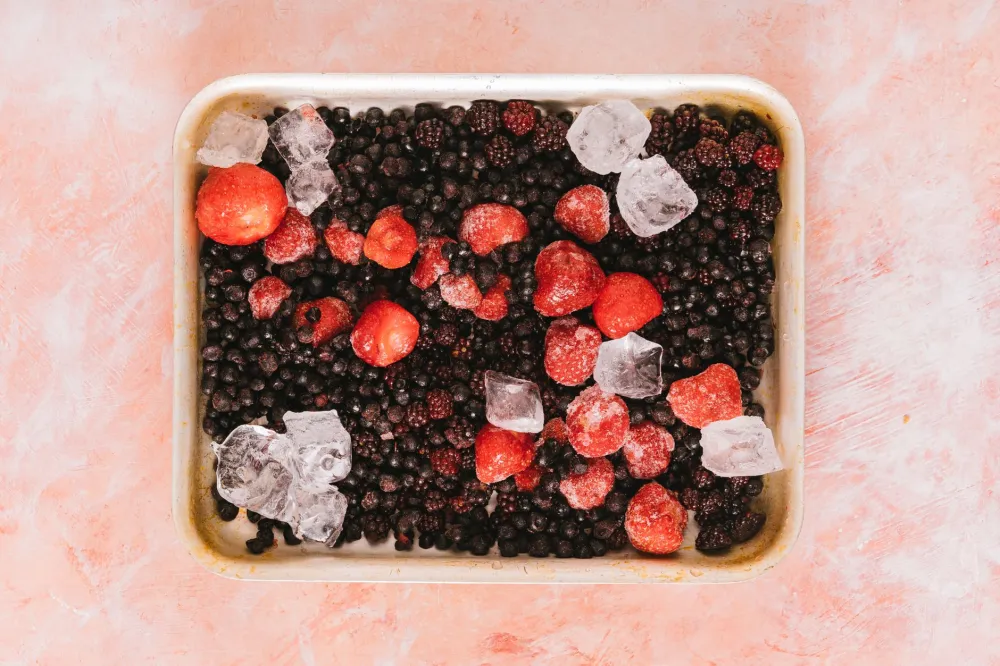
| Berries, fresh or frozen | 2 pints or 1 bag | Oats, yogurt |
| Bananas | 5 | Oats, pancakes |
| Apples | 3 | Snacks |
| Oranges and pears | 2 each | Snacks |
| Lemons | 2 | Salads, salmon |
Proteins and Beans
| Item | Amount (approx.) | Used for |
|---|---|---|
| Eggs | 1 dozen | Breakfasts, pancakes |
| Chicken breasts or thighs | About 3 pounds | Bowl, stir-fry, Friday dinner |
| Salmon fillets | About 1 pound | Monday dinner, Tuesday lunch |
| Ground turkey | 2 pounds | Chili, meatballs |
| Canned black beans | 2 cans | Tacos, chili |
| Canned kidney beans | 1 can | Chili |
| Canned chickpeas | 1 can | Friday lunch |
| Dry lentils | 1-pound bag | Saturday soup |
Whole Grains
| Item | Amount (approx.) | Used for |
|---|---|---|
| Rolled oats | 1 canister | Breakfasts, pancakes |
| Quinoa | 1 bag | Bowls, Friday dinner |
| Brown rice | 1 bag | Stir-fry |
| Whole-grain bread | 1 loaf | Toast |
| Corn tortillas | 1 pack | Tacos |
| Whole-wheat pita | 1 pack | Pizza night |
| Whole-wheat pasta | 1 box | Sunday dinner |
| Popcorn kernels | 1 small jar | Saturday snack |
Dairy and Alternatives
| Item | Amount (approx.) | Used for |
|---|---|---|
| Plain Greek yogurt | 32-ounce tub | Breakfasts, snacks |
| Milk or unsweetened soy milk | Half gallon | Oats |
| Feta cheese | 1 small tub | Salad, pizza |
| Mozzarella cheese sticks | 1 pack | Snacks, pizza |
Pantry and Flavor
| Item | Amount (approx.) | Used for |
|---|---|---|
| Olive oil | 1 bottle | Cooking, dressing |
| Natural peanut butter | 1 jar | Snacks |
| Almonds and walnuts | 1 small bag each | Oats, snacks |
| Hummus | 1 tub | Snacks |
| Canned diced tomatoes | 2 cans | Chili |
| No-sugar-added marinara | 1 jar | Pizza, pasta |
| Low-sodium broth | 1 carton | Lentil soup |
| Low-sodium soy sauce | 1 bottle | Stir-fry |
| Chili powder, cumin, cinnamon | 1 jar each | Chili, oats |
Check labels on canned goods and sauces for added sugar and sodium, and rinse canned beans to wash away some of the salt.
Want more? Browse all our free printables: meal plans, food lists, trackers and challenges, each with a PDF.
How Do You Use This Clean Eating Plan Week 1?
Use this plan by shopping once, prepping once, and following the menu loosely rather than perfectly. The goal for the first seven days is a rhythm you can repeat, not a flawless score.
- Print and post it: Stick the menu on the fridge so dinner is decided before you’re tired and hungry.
- Shop the grocery list in one trip: Check your pantry and freezer first, then cross off what you already own.
- Prep on Sunday: Grains, chopped veggies and one batch of chicken take most of the weeknight work off your plate.
- Swap days freely: If Thursday tacos sound better on Tuesday, switch them. Just keep the leftover pairs together.
- Jot down how you feel: Note hunger, energy and digestion each day so you know what to keep for week 2.
Want to plan week 2 yourself? Our free printable meal prep planner template uses the same layout, and the clean eating food list printable gives you 45 simple foods to mix and match.
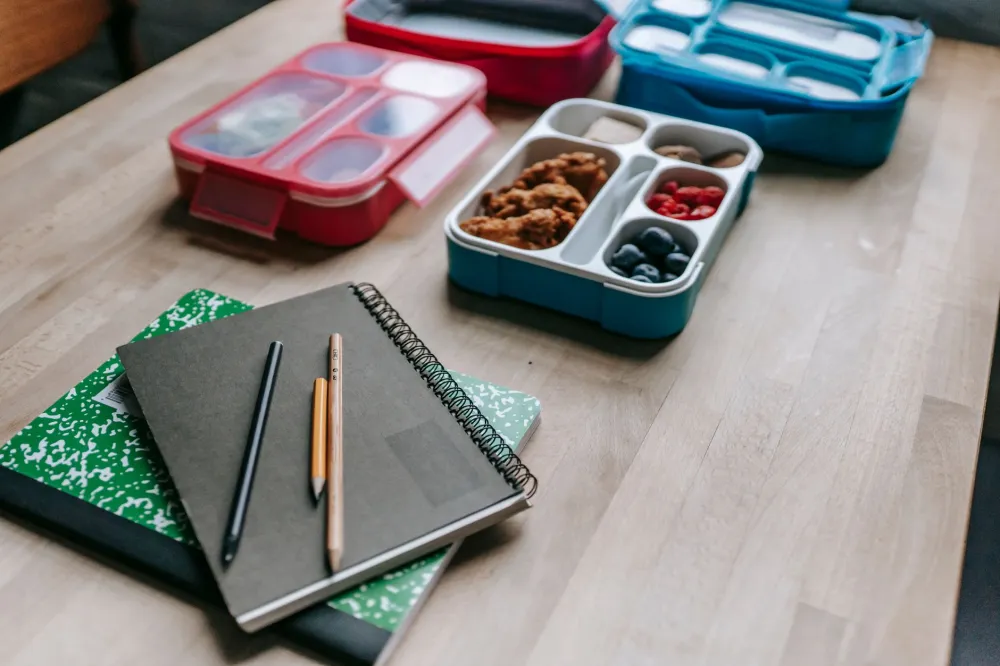
What to Expect in the First 7 Days
Most people notice the cooking routine first. Everyone responds differently, but this rough timeline reflects common experiences when someone shifts toward more whole foods and fiber.
| Days | What many people notice | What helps |
|---|---|---|
| Days 1 to 2 | More chopping, more dishes | Lean on Sunday prep |
| Days 3 to 4 | Some gas or bloating from fiber | Drink water, go slower on beans |
| Days 5 to 7 | Fewer snack cravings for some | Note favorite meals for week 2 |
That mid-week bloating is common. Fiber feeds your gut microbiome, the trillions of bacteria living in your digestive tract, and they can produce extra gas while they adjust. For most people it eases within a week or two. Pain that is severe or doesn’t settle deserves a call to your doctor.
How Can You Adjust the Plan to Fit Your Life?
You can adjust this plan for your budget, a vegetarian diet or a bigger or smaller appetite by swapping ingredients inside the same meal structure. Keep the pattern of vegetables, a protein and a whole grain at most meals, and the details can flex.
On a Tight Budget
Chicken thighs usually cost less than breasts. Dry lentils and beans are among the cheapest proteins in the store. One cup of cooked lentils offers roughly 18 grams of protein and about 15 grams of fiber, according to USDA data. Store brands work just as well, and so does swapping fresh salmon for canned salmon or canned light tuna.
Vegetarian or Vegan
Swap chicken for tofu or tempeh in the stir-fry and bowls. Turn the turkey chili into a three-bean chili, and make lentil meatballs for Sunday instead of turkey. Vegans can use a fortified soy yogurt and skip the eggs at breakfast. Our list of healthy breakfast ideas includes plenty of plant-based options.
Portion Sizes
Skip the calorie math for now. The USDA’s MyPlate model suggests filling about half your plate with fruits and vegetables, a quarter with protein and a quarter with grains. Eat until you’re comfortably full. If you’re still hungry an hour later, add more vegetables or a bit more protein next time.
What Mistakes Do Beginners Make in Week 1?
The most common week 1 mistake is treating clean eating as all or nothing. That usually ends in burnout by the weekend. A few others come up again and again.
- Going too strict, too fast: One pizza night doesn’t undo anything. Rigid rules are a big reason crash diets backfire.
- Cutting whole food groups: Fruit, whole grains and potatoes all fit. Clean eating isn’t low carb.
- Skimping on protein at breakfast: A bowl of plain toast often leaves people hungry by mid-morning.
- Trusting “healthy” labels: Flavored yogurt, granola and bottled dressings can carry a lot of added sugar. These tips on cutting added sugar without feeling deprived help.
- Overbuying produce: Shop for this week only. A drawer of slimy spinach is discouraging.
One more thing. For some people, clean eating rules slide into anxiety about food, a pattern sometimes called orthorexia, which means an unhealthy fixation on eating “pure” foods. If you notice guilt, fear or skipped social meals because of food rules, that’s worth talking about with a doctor or therapist.
Who Should Check With a Doctor or Dietitian First?
Most healthy adults can follow a clean eating plan without medical input. People with certain conditions or medications should get personalized advice first, and a registered dietitian can tailor a plan like this one safely.
- Diabetes: Especially if you use insulin or medications that lower blood sugar, since changing carbs can affect your readings.
- Kidney disease: Protein, potassium and phosphorus may need limits.
- Blood thinners such as warfarin: Big swings in leafy greens, which contain vitamin K, can matter. Ask your doctor before changing.
- Pregnancy or breastfeeding: Needs differ, including fish choices. Talk to your doctor.
- A history of eating disorders: Structured food rules can be triggering, so plan with your care team.
- Digestive conditions: People with irritable bowel syndrome (IBS) may react to beans, onions and garlic.
Food changes shouldn’t be your first move for worrying symptoms. Unexplained weight loss, chest pain, trouble breathing, or ongoing stomach pain mean seeing a doctor promptly, not tweaking a meal plan.

What Does the Research Say About Clean Eating?
No major study tests “clean eating” by name. Research on overall eating patterns, though, consistently links diets rich in vegetables, fruit, whole grains and beans with better long-term health. The evidence is strongest for the overall pattern, not for any single food or rule.
Most of us have room to improve. The CDC reports that only about 1 in 10 American adults eats enough fruits and vegetables. Adding produce at most meals, as this plan does, is a practical place to start.
The research on processed food is getting sharper too. In a small, tightly controlled NIH study published in Cell Metabolism in 2019, adults ate roughly 500 more calories a day on an ultra-processed diet than on a minimally processed one, even though both diets were matched for key nutrients. Large observational studies, which track what people eat without assigning diets, link heavy ultra-processed food intake with higher risks of heart disease and type 2 diabetes, though they can’t prove cause and effect. Our deeper look at ultra-processed foods research covers the details.
Fiber gets less attention than it deserves. Harvard Health notes that fiber-rich foods help you feel full and support steady digestion. Federal nutrition guidance sets daily fiber targets for adults, and many people fall short.
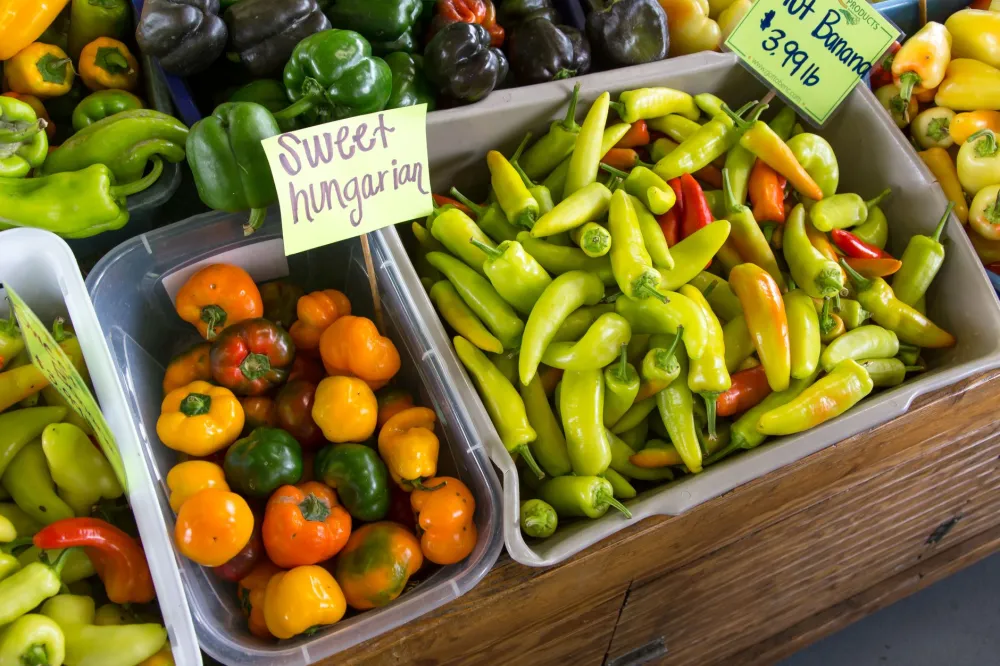
Where does clean eating go off the rails? Mostly in the marketing. Here’s a quick myth-versus-fact check.
| Myth | Fact |
|---|---|
| Clean means organic only | Conventional produce is just as worthwhile |
| You need a detox first | Your liver and kidneys handle that |
| All processed food is bad | Canned beans and frozen veggies are fine |
| Clean eating guarantees weight loss | Results vary; portions still matter |
Related reading: Anti Inflammatory Diet Chart Indian: Simple 36-Food PDF.
FAQ
The Bottom Line
A clean eating plan for week 1 works best when it stays simple: mostly whole foods, planned leftovers and one prep session. Print the menu, shop the list in one trip, and leave room to swap meals or order takeout without guilt. Notice how your energy and hunger feel by day 7, then keep what worked for week 2. If you have a medical condition or take daily medications, check the plan with your doctor or a registered dietitian first.
This article is for informational purposes only and is not a substitute for professional medical advice, diagnosis, or treatment. Always consult a qualified healthcare provider about your specific situation. If you experience severe or sudden symptoms, seek medical care immediately.

Weight Loss and Nutrition
Browse every related article on this topic in one place.