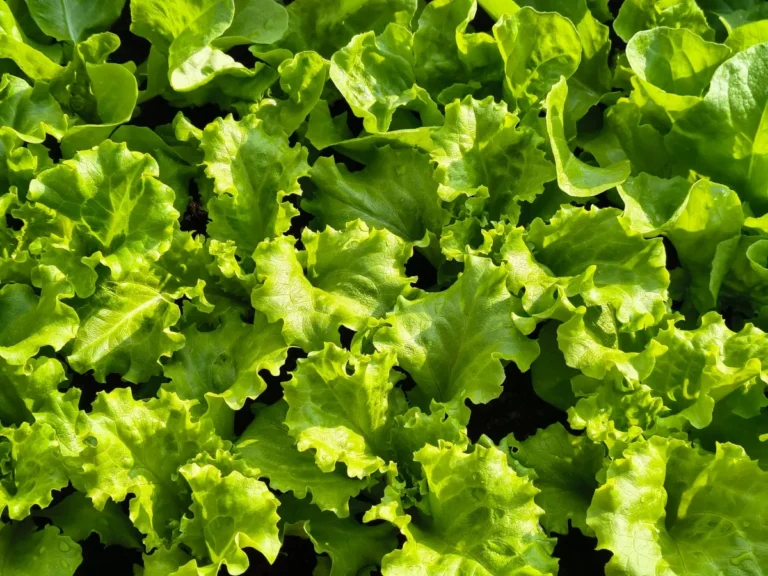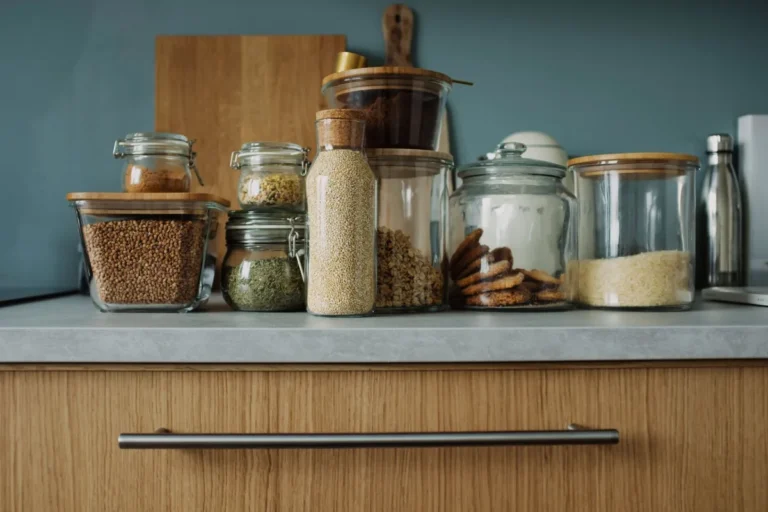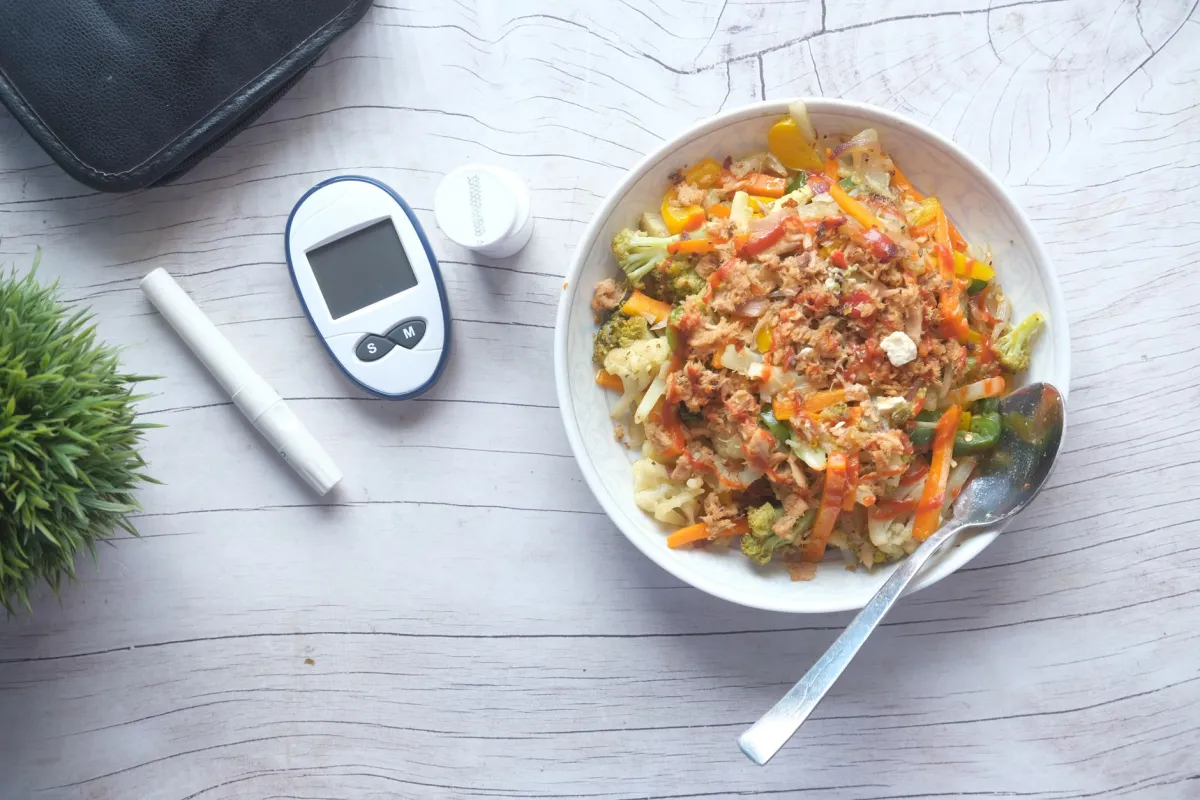
If you’ve searched for a 1200 calorie diabetic diet PDF, you already know the math isn’t the hard part. The hard part is standing at the fridge at 6 p.m. hungry and worn out, trying to remember whether a scoop of rice fits your blood sugar goals. This page puts those answers on one sheet you can print and tape to the fridge door.
- Your 1200 Calorie Diabetic Diet PDF: 47-Food List
- How Do You Use This 1200 Calorie Diabetic Diet PDF?
- How Can You Adjust the List for Your Life?
- What Mistakes Do People Make on a 1,200 Calorie Diabetic Plan?
- Who Should Check With a Doctor or Dietitian First?
- What Does the Research Say About Calorie Cutting for Diabetes?
- FAQ
- The Bottom Line
A 1,200 calorie diabetic eating plan is a reduced-calorie pattern that spreads carbohydrates (the nutrient that raises blood sugar the most) fairly evenly across the day, with plenty of vegetables and lean protein. That’s the whole idea in one sentence. The rest of this page is the tool.
Your 1200 Calorie Diabetic Diet PDF: 47-Food List
All numbers are approximate, rounded from USDA FoodData Central. Carbs are total grams per serving. Brands vary, so check the label on what you buy.
Non-Starchy Vegetables: Eat Freely
| Food | Serving | Carbs (g) | Calories | Note |
|---|---|---|---|---|
| Spinach, raw | 2 cups | ~2 | ~15 | Salad or omelet base |
| Romaine lettuce | 2 cups | ~3 | ~15 | Bulks up any lunch |
| Broccoli, cooked | 1 cup | ~11 | ~55 | About 5 g fiber |
| Cauliflower, raw | 1 cup | ~5 | ~25 | Rice it as a swap |
| Green beans, cooked | 1 cup | ~10 | ~45 | Canned low-sodium works |
| Zucchini, raw | 1 cup | ~4 | ~20 | Spiralize for noodles |
| Bell pepper | 1 medium | ~7 | ~30 | Great raw snack |
| Cucumber | 1 cup sliced | ~4 | ~15 | Crunch, almost no carbs |
| Tomato | 1 medium | ~5 | ~20 | Fresh or canned |
| Mushrooms, raw | 1 cup | ~2 | ~15 | Meaty texture, few calories |
Lean Proteins and Dairy: Anchor Every Meal
| Food | Serving | Carbs (g) | Calories | Note |
|---|---|---|---|---|
| Chicken breast, skinless | 3 oz cooked | 0 | ~140 | Deck-of-cards size |
| Salmon | 3 oz cooked | 0 | ~160 | Omega-3 fats |
| Tuna in water | 3 oz | 0 | ~100 | Cheap pantry staple |
| Shrimp | 3 oz cooked | ~0 | ~85 | Cooks in minutes |
| Ground turkey, 93% lean | 3 oz cooked | 0 | ~170 | Tacos, chili, bowls |
| Egg | 1 large | ~0.5 | ~70 | Easy breakfast protein |
| Firm tofu | 3 oz | ~2 | ~70 to 120 | Varies by brand |
| Plain nonfat Greek yogurt | 3/4 cup | ~6 | ~100 | Skip fruit-on-the-bottom |
| Low-fat cottage cheese | 1/2 cup | ~4 | ~90 | High-protein snack |
| Fat-free milk | 1 cup | ~12 | ~85 | Counts as a carb |
| Unsweetened almond milk | 1 cup | ~1 | ~35 | Low-carb milk swap |
Smart Carbs: Eat in Measured Portions
| Food | Serving | Carbs (g) | Calories | Note |
|---|---|---|---|---|
| Rolled oats | 1/2 cup dry | ~27 | ~150 | Skip flavored packets |
| Brown rice | 1/3 cup cooked | ~15 | ~70 | Measure, don’t eyeball |
| Quinoa | 1/3 cup cooked | ~13 | ~75 | A bit more protein |
| Whole wheat bread | 1 slice | ~12 | ~80 | Check label for fiber |
| Whole wheat pasta | 1/3 cup cooked | ~13 | ~60 | Cook it al dente |
| Sweet potato, baked | 1/2 medium | ~12 | ~50 | Keep the skin on |
| Corn tortilla | 1 (6 inch) | ~11 | ~55 | Two make taco night |
| Black beans | 1/2 cup cooked | ~20 | ~115 | Carb plus protein |
| Lentils | 1/2 cup cooked | ~20 | ~115 | About 8 g fiber |
Fruit: Moderate, One Serving at a Time
| Food | Serving | Carbs (g) | Calories | Note |
|---|---|---|---|---|
| Strawberries | 1 cup halves | ~12 | ~50 | Lots of fiber |
| Blueberries | 3/4 cup | ~16 | ~65 | Frozen works fine |
| Apple | 1 small | ~20 | ~75 | Pair with protein |
| Orange | 1 medium | ~15 | ~60 | Eat it, don’t juice it |
| Kiwi | 1 medium | ~10 | ~40 | Built-in portion control |
| Banana | 1 small | ~23 | ~90 | Less ripe is gentler |
Healthy Fats: Small Amounts, Big Calories
| Food | Serving | Carbs (g) | Calories | Note |
|---|---|---|---|---|
| Avocado | 1/4 medium | ~4 | ~80 | Fiber plus filling fat |
| Olive oil | 1 tsp | 0 | ~40 | Measure, don’t pour |
| Almonds | 1/2 oz (about 11) | ~3 | ~80 | Pre-portion into bags |
| Peanut butter | 1 tbsp | ~3 | ~95 | Choose no-sugar-added |
| Chia seeds | 1 tbsp | ~5 | ~60 | Mostly fiber |
Limit or Avoid: Big Blood Sugar Movers
| Food | Serving | Carbs (g) | Calories | Note |
|---|---|---|---|---|
| Regular soda | 12 oz can | ~39 | ~150 | Try sparkling water |
| Orange juice | 1 cup | ~26 | ~110 | Whole orange instead |
| Plain bagel | 1 medium | ~53 | ~270 | Equals 4 bread slices |
| Glazed doughnut | 1 medium | ~25 | ~240 | Rare treat only |
| Sweetened coffee drink | 16 oz | Often 35+ | Often 250+ | Check menu nutrition facts |
| White rice, takeout size | 1 1/2 cups | ~67 | ~310 | Eat a third |
A Simple 1,200 Calorie Day Framework
| Meal | Calories (approx.) | Carbs (approx. g) | Example build |
|---|---|---|---|
| Breakfast | ~300 | ~25 to 40 | 2 eggs, toast, strawberries |
| Lunch | ~350 | ~30 to 45 | Salad, chicken, quinoa |
| Dinner | ~400 | ~30 to 45 | Salmon, broccoli, sweet potato |
| Snack | ~150 | ~10 to 15 | Greek yogurt, few berries |
- Half the plate: non-starchy vegetables.
- A quarter: lean protein.
- A quarter: one measured smart carb.
- Pair carbs: always with protein or fat.
- Don’t skip meals: steady timing means steadier sugar.
- Drink: water or unsweetened drinks.
How Do You Use This 1200 Calorie Diabetic Diet PDF?
Treat the list as a menu, not a rulebook. Pick foods you already like from each group, build plates using the framework, and measure portions for the first week. Then check your blood sugar the way your care team advises and adjust with them.
A printed sheet works best where you actually plan meals, so tape it inside a cabinet door or next to the grocery list.
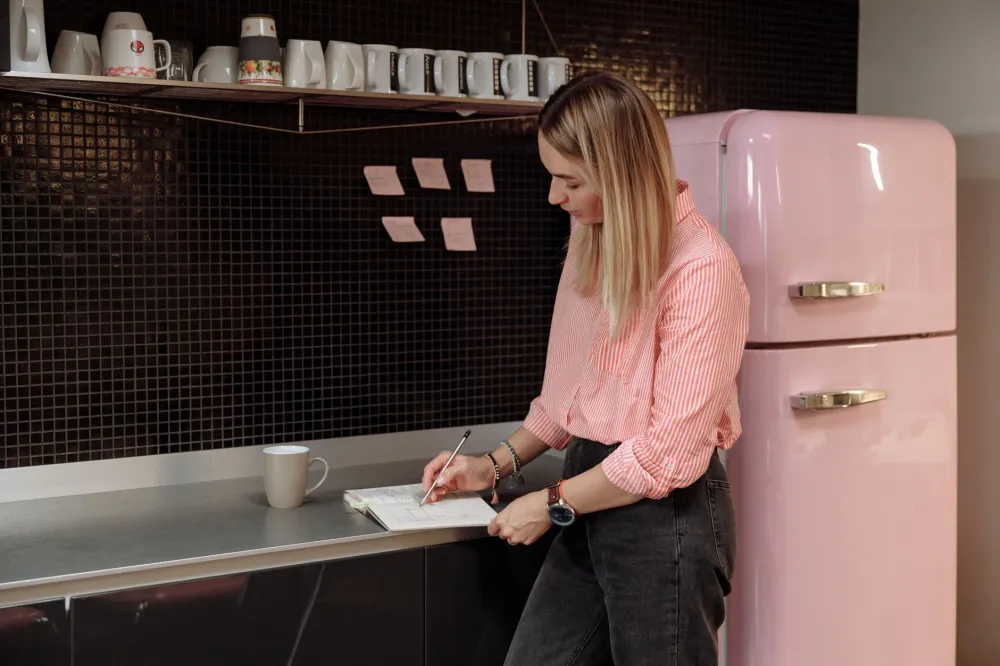
Here’s a realistic way to put the list to work without overhauling your whole kitchen in one weekend.
- Get the green light: confirm with your doctor or dietitian that 1,200 calories is the right target for you, especially if you take diabetes medication.
- Circle 15 to 20 favorites: grab a pen and mark foods you’d happily eat this week. Familiar food is food you’ll stick with.
- Build plates, not recipes: half vegetables, a quarter protein, a quarter smart carb. The plate method is promoted by the American Diabetes Association and the CDC because it works without a calculator.
- Measure for one week: use measuring cups for rice, oats and oil. After a week, most people can eyeball a 1/3 cup far more accurately.
- Log what you see: jot down meals and readings so patterns show up. A simple macro tracking sheet pairs well with this list.
- Review in 2 to 4 weeks: bring your notes to your care team and adjust together.
What to expect in the first two weeks
The first few days are often the hungriest, since your stomach is used to bigger portions. Loading up on the eat-freely vegetables usually takes the edge off.
By the second week, many people notice fewer afternoon crashes and more predictable readings. If your numbers drop lower than usual, call your care team. Don’t push harder.
How Can You Adjust the List for Your Life?
You can tweak this list for your budget, your food preferences or your appetite by swapping within the same group: a protein for a protein, a carb for a carb. Keeping swaps inside their group keeps calories and carbs roughly where they should be. Here are the most common tweaks.
| Situation | What to change | Why it helps |
|---|---|---|
| Vegetarian | Beans, tofu, eggs, Greek yogurt | Keeps protein steady |
| Tight budget | Frozen veg, canned tuna, dry lentils | Same nutrients, lower cost |
| Always hungry | Add soup, salad, extra vegetables | More volume, few calories |
| Very active days | Ask about a higher target | 1,200 may be too low |
| Eating out | Protein plus veg, half the starch | Restaurant portions run large |
Vegetarian? Beans and lentils count as both protein and carbs, so one 1/2 cup serving fills your carb slot for that meal. For more low-carb filler ideas, our printable low carb vegetables list doubles your options.

Some readers find 1,200 calories leaves them shaky or unable to concentrate. That’s useful information, not a personal failing. A 1500 calorie meal plan may be a better fit, and the food groups in this 1200 calorie diabetic diet PDF still apply.
What Mistakes Do People Make on a 1,200 Calorie Diabetic Plan?
The big three are skipping meals, drinking sugar and cutting carbs sharply without telling your doctor. Each one can swing blood sugar in ways that feel awful and make the plan harder to keep. Most are easy to fix once you spot them.
- Skipping breakfast: saving calories for later often backfires into a big, carb-heavy dinner.
- Going ultra-low carb solo: a sudden carb cut while on certain medications can push sugar too low.
- Drinking your carbs: one regular soda can carry nearly as many carbs as a full meal.
- Trusting “sugar-free”: sugar-free cookies still contain flour and often sugar alcohols, which can upset your stomach.
- Free-pouring oil and nuts: two extra tablespoons of oil add roughly 240 calories.
- All-or-nothing weekends: strict weekdays followed by a free-for-all is the classic pattern behind why crash diets backfire.
There’s one more trap: treating the “limit” table as forbidden. A doughnut at an office birthday won’t undo your week. Planning for it, by keeping that day’s other carbs lighter, usually works better than white-knuckling through.
Who Should Check With a Doctor or Dietitian First?
Anyone taking insulin or another glucose-lowering medication should talk to their doctor before starting a 1,200 calorie plan. Eating less can cause hypoglycemia, which is blood sugar that drops too low. Several other groups also need personal guidance rather than a printable sheet.
- Insulin or sulfonylurea users: doses may need adjusting as you eat less. Never change them on your own.
- People on GLP-1 medications: appetite may already be low, and protein needs deserve attention.
- Pregnant or breastfeeding: this plan isn’t designed for you. Ask your OB or diabetes team.
- Kidney disease: protein and potassium limits may change the list.
- History of disordered eating: calorie counting can be risky, so work with a professional.
- Men, taller or very active adults: 1,200 calories is often too low for you.
Calorie targets are personal. Your size, age, activity level and medications all shape what’s reasonable, which is why a number that works for one person can be wrong for another. Many insurance plans, including Medicare, cover some diabetes nutrition counseling, so a visit with a registered dietitian may cost less than you’d expect.
If you notice red-flag symptoms such as chest pain, trouble breathing, sudden numbness or weakness, or unexplained weight loss, see a doctor promptly. A food list can’t help with those. Newer to diabetes? Our type 2 diabetes guide covers symptoms, diagnosis and treatment basics.
What Does the Research Say About Calorie Cutting for Diabetes?
Research suggests that modest weight loss, often around 5 percent of body weight, is associated with better blood sugar control in many people with type 2 diabetes. A reduced-calorie plan is one tool for getting there. Long-term results depend on whether you can keep eating that way.
The Look AHEAD trial, a large NIH-funded study, followed adults with type 2 diabetes in an intensive lifestyle program built on calorie reduction and physical activity. Participants generally saw gains in weight loss, A1C (a measure of average blood sugar over about three months) and fitness. The program didn’t reduce heart attacks or strokes compared with standard care, though.
For prediabetes, the CDC’s National Diabetes Prevention Program is based on research showing that losing 5 to 7 percent of body weight, plus regular activity, may lower the risk of developing type 2 diabetes. That’s a modest goal, not a dramatic one.

You may also have heard of the UK DiRECT trial, where some people with recent type 2 diabetes reached remission after major weight loss. That program used a very low calorie formula diet under close medical supervision, so it isn’t a home template.
What the research does not support
There’s no single magic carb percentage. The American Diabetes Association has said that several eating patterns, from Mediterranean-style to lower-carb, can work when they fit the person. Evidence for “blood sugar” supplements such as cinnamon is mixed at best. Supplements aren’t tightly regulated and can interact with medications, so run any of them past your pharmacist first.
FAQ
The Bottom Line
A 1200 calorie diabetic diet PDF works best as a simple guide: fill half your plate with vegetables, anchor each meal with protein, and measure one smart carb. Print the list, circle the foods you already enjoy, and measure portions for one week. Before you start, check with your doctor, especially if you take insulin or another glucose-lowering medicine. Small, steady changes you can live with tend to beat strict plans you can’t.
This article is for informational purposes only and is not a substitute for professional medical advice, diagnosis, or treatment. Always consult a qualified healthcare provider about your specific situation. If you experience severe or sudden symptoms, seek medical care immediately.

Weight Loss and Nutrition
Browse every related article on this topic in one place.