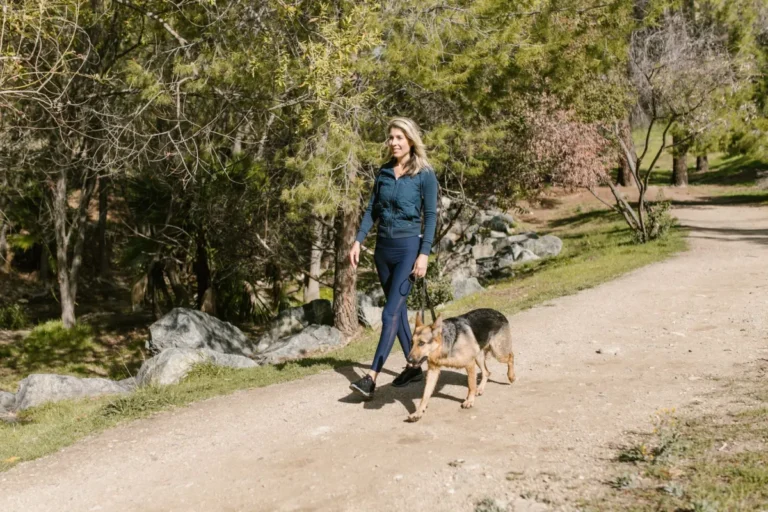
Day four of a walking challenge is where most plans fall apart. Your calves ache, it’s drizzling outside, and the plan wants 45 minutes you don’t have. This printable starts at 10 minutes, builds slowly, and has rest days already on the calendar.
- Your 30 Day Walking Challenge Printable Calendar
- How Do You Use This 30 Day Walking Challenge Printable?
- What Should a Walking Challenge for Beginners Feel Like?
- How Can You Make the Challenge Easier or Harder?
- Common Mistakes That Derail a Walking Challenge
- Who Should Check With a Doctor First?
- What Does the Research Say About Daily Walking?
- FAQ
- The Bottom Line
Print it, stick it on the fridge, and check off each day. By the final week, you’ll be close to the roughly 150 minutes of weekly moderate activity the CDC recommends for most adults. Below the calendar, you’ll find how to use it, how to make it easier or harder, and the mistakes that quietly derail most people.
Your 30 Day Walking Challenge Printable Calendar
Easy days should feel relaxed. On brisk days, you should be able to talk in full sentences but not sing. Rest days are part of the plan, not a sign you’re falling behind.
Week 1: Build the Habit (Days 1 to 7)
| Day | Activity | Time or reps | Done |
|---|---|---|---|
| Day 1 | Easy walk | 10 min | ☐ |
| Day 2 | Easy walk | 10 min | ☐ |
| Day 3 | Easy walk | 12 min | ☐ |
| Day 4 | Easy walk + calf stretch | 10 min + 2 min | ☐ |
| Day 5 | Easy walk | 12 min | ☐ |
| Day 6 | Easy walk, new route | 15 min | ☐ |
| Day 7 | Rest or gentle stretch | 5 to 10 min | ☐ |
Week 1 total: about 70 minutes. The only goal is showing up. Speed doesn’t matter yet.
Week 2: Add Some Pace (Days 8 to 14)
| Day | Activity | Time or reps | Done |
|---|---|---|---|
| Day 8 | Brisk walk | 15 min | ☐ |
| Day 9 | Brisk walk | 15 min | ☐ |
| Day 10 | Easy walk + stretch | 15 min | ☐ |
| Day 11 | Brisk walk | 18 min | ☐ |
| Day 12 | Easy walk | 15 min | ☐ |
| Day 13 | Brisk walk | 20 min | ☐ |
| Day 14 | Rest or gentle stretch | 5 to 10 min | ☐ |
Week 2 total: about 100 minutes. On brisk days, pick up the pace just enough to breathe harder while still holding a conversation.
Week 3: Short Speed Bursts (Days 15 to 21)
| Day | Activity | Time or reps | Done |
|---|---|---|---|
| Day 15 | Brisk walk | 20 min | ☐ |
| Day 16 | Intervals: 1 fast, 2 easy | 20 min | ☐ |
| Day 17 | Easy walk | 20 min | ☐ |
| Day 18 | Brisk walk | 22 min | ☐ |
| Day 19 | Easy walk + stretch | 20 min | ☐ |
| Day 20 | Brisk walk | 25 min | ☐ |
| Day 21 | Rest or gentle stretch | 5 to 10 min | ☐ |
Week 3 total: about 125 minutes. For intervals, walk one minute faster, then two minutes easy, and repeat.
Week 4: Reach 30 Minutes (Days 22 to 28)
| Day | Activity | Time or reps | Done |
|---|---|---|---|
| Day 22 | Brisk walk | 25 min | ☐ |
| Day 23 | Intervals: 1 fast, 2 easy | 25 min | ☐ |
| Day 24 | Easy walk | 20 min | ☐ |
| Day 25 | Brisk walk | 28 min | ☐ |
| Day 26 | Gentle hill or stairs walk | 25 min | ☐ |
| Day 27 | Brisk walk | 30 min | ☐ |
| Day 28 | Rest or gentle stretch | 5 to 10 min | ☐ |
Week 4 total: about 150 minutes, which lines up with the weekly activity target for adults.
Days 29 and 30: Finish Strong
| Day | Activity | Time or reps | Done |
|---|---|---|---|
| Day 29 | Brisk walk | 30 min | ☐ |
| Day 30 | Celebration walk, favorite route | 30 min or more | ☐ |
Before and After Every Walk
- Warm up: walk slowly for 3 to 5 minutes.
- Wear supportive shoes with good grip.
- Drink water before and after.
- Cool down: slow pace, then stretch calves.
- Rate how you feel from 1 to 5.
How Do You Use This 30 Day Walking Challenge Printable?
Print the calendar, pick one daily time slot, and check off each day after you walk. That’s the whole system. The structure does the heavy lifting, so your willpower doesn’t have to.

A few small setup choices make a big difference, especially in week one, when the novelty wears off fast.
- Post it where you’ll see it: The fridge or bathroom mirror works better than a drawer.
- Anchor it to a habit: Walk right after morning coffee, lunch, or the school drop-off.
- Lay out your shoes: Put them by the door the night before.
- Check the box right away: That small mark is oddly satisfying, and it builds momentum.
- Repeat a week if needed: If a week felt hard, do it again before moving on.
Missed a day? Skip it and pick up with the next day on the calendar. Don’t try to double up to make up for it.
What Should a Walking Challenge for Beginners Feel Like?
A walking challenge for beginners should feel doable on most days. Brisk walks should leave you a little out of breath, but never gasping. If you finish feeling wiped out, you went too hard. If you feel nothing at all by week three, you can nudge the pace up.
At its core, a walking challenge is a short, structured plan that adds a set amount of walking each day for a fixed period, usually with gradual increases. The results come from consistency, not from any single heroic workout.
How fast is a brisk walk?
Brisk walking usually means about 2.5 to 3 miles per hour (about 4 to 5 km/h) or faster for many adults. You don’t need a tracker, though. The CDC describes a simple “talk test”: during moderate activity, you can talk but not sing. That’s your sweet spot for brisk days.
What to expect in the first two weeks
Days 1 to 4 often bring mild calf or shin tightness, especially if you’ve been mostly sitting. That’s common and usually fades within a day or two. By the end of week two, many people notice that 15-minute walks feel shorter and their breathing settles faster. Sleep and mood may improve too, though everyone responds differently.
How Can You Make the Challenge Easier or Harder?
You can scale this 30 day walking challenge printable by changing the daily minutes while keeping the same rest days and weekly pattern. The table below shows three levels, so you can pick the row that fits where you are today.
| Level | Week 1 daily | Week 4 daily | Best for |
|---|---|---|---|
| Gentle | 5 to 8 min | 15 to 20 min | Long break or achy joints |
| Standard | 10 to 15 min | 25 to 30 min | Most beginners |
| Stretch | 15 to 20 min | 35 to 45 min | Already walk a few days |
Life rarely cooperates with a perfect plan, so here are the tweaks that help most with real schedules and real bodies.

- Short on time: Split the day’s minutes into two or three mini walks.
- Cranky knees or hips: Choose flat, softer surfaces like a track, and skip the hill day.
- Cold or rainy weather: Walk laps at a mall, a big-box store, or indoors on a treadmill.
- Want more challenge: Add a gentle incline or longer fast intervals in weeks 3 and 4.
If weight loss is one of your goals, our 4-week walking plan for weight loss pairs well with this calendar once you finish day 30.
Common Mistakes That Derail a Walking Challenge
The biggest mistake is doing too much too soon, which often leads to sore shins, blisters, or burnout by the second week. Slow progress still counts as progress. The calendar rises gradually for exactly this reason.
- Going all out on day one: A heroic 45-minute walk usually means skipping days 2 and 3.
- Skipping rest days: Muscles, tendons, and feet adapt during rest, not during the walk.
- Worn-out shoes: Flat, cracked soles can make every step harder on your feet.
- Walking through sharp pain: Mild soreness is normal. Sharp, worsening pain is not.
- All-or-nothing thinking: A 5-minute walk on a bad day still counts. Check the box.

Heel pain is one to watch. A sharp, stabbing pain with your first steps in the morning may point to plantar fasciitis, a common irritation of the tissue under your foot. Our guide on common causes of heel pain explains what helps and when to get it checked.
Another quiet trap is judging your 30 day walking challenge printable only by the bathroom scale. Track how many boxes you checked, how far you can walk comfortably, and how you sleep. A simple printable weight loss tracker can sit next to the calendar if you want both in one place.
Who Should Check With a Doctor First?
Most healthy adults can start a gentle walking plan safely, but some people should talk to a doctor before beginning. A quick conversation can help you pick the right starting level and spot anything that needs attention first.
- Heart or lung conditions: Including heart disease, high blood pressure that isn’t controlled, or COPD.
- Diabetes: Especially if you use insulin or have numbness in your feet.
- Recent surgery or injury: Ask when it’s safe to build up activity.
- Pregnancy: Your doctor or midwife can advise what’s right for you.
- Joint conditions: Such as arthritis or a past knee or hip replacement.
Stop walking and get medical help if you have chest pain or pressure, trouble breathing that doesn’t settle with rest, dizziness or fainting, or pain spreading to your arm, neck, or jaw. These are signs to see a doctor promptly, not reasons to finish the session.
Watch your legs, too. Calf pain with swelling, warmth, or redness in just one leg needs prompt evaluation, because it can sometimes signal a blood clot. Our article on one leg swelling and when to act covers the warning signs.
What Does the Research Say About Daily Walking?
Research links regular brisk walking with better heart health, mood, and overall fitness. You don’t need extreme step counts to benefit. Most of this evidence comes from observational studies, which track large groups of people over time. They show links, not proof of cause and effect.
According to the CDC, adults should aim for at least 150 minutes of moderate-intensity activity per week, such as brisk walking, plus muscle-strengthening activities on two or more days. This calendar lands near that 150-minute mark in week 4. Adding simple strength moves, like bodyweight squats or wall push-ups, rounds things out nicely.

Myth vs fact
Myth: you need 10,000 steps a day. That number started largely as a marketing figure. Large observational studies suggest health benefits begin at much lower counts, and may level off somewhere around 7,000 to 8,000 steps for many adults. Our breakdown of what the science says about 10,000 steps goes deeper.
Myth number two: walking alone will melt pounds in a month. Walking burns calories, but research suggests exercise without changes to eating usually leads to modest weight loss. Where walking really shines is fitness, mood, blood sugar control, and building a habit you can keep. That’s a better reason to start anyway.
Walking may also help some people with ordinary lower back pain. Gentle movement is often recommended over long bed rest for nonspecific back pain, though severe or persistent pain deserves a proper medical evaluation. Here’s more on walking vs rest for back pain.
What the research does not support is the idea that faster is always better for beginners. The Mayo Clinic advises starting slowly and building up gradually, which is exactly how this calendar is designed.
FAQ
The Bottom Line
A 30 day walking challenge works best when it starts small, builds gradually, and treats rest days as part of the plan. This calendar takes you from 10 minutes a day to about 30, landing near the 150 weekly minutes adults are encouraged to get. Print it, pick a daily time, and do day 1 today, even if it’s just around the block. If you have a heart, lung, or joint condition, check with your doctor first, and stop for chest pain or trouble breathing.
This article is for informational purposes only and is not a substitute for professional medical advice, diagnosis, or treatment. Always consult a qualified healthcare provider about your specific situation. If you experience severe or sudden symptoms, seek medical care immediately.

Everyday Health and Wellness
Browse every related article on this topic in one place.