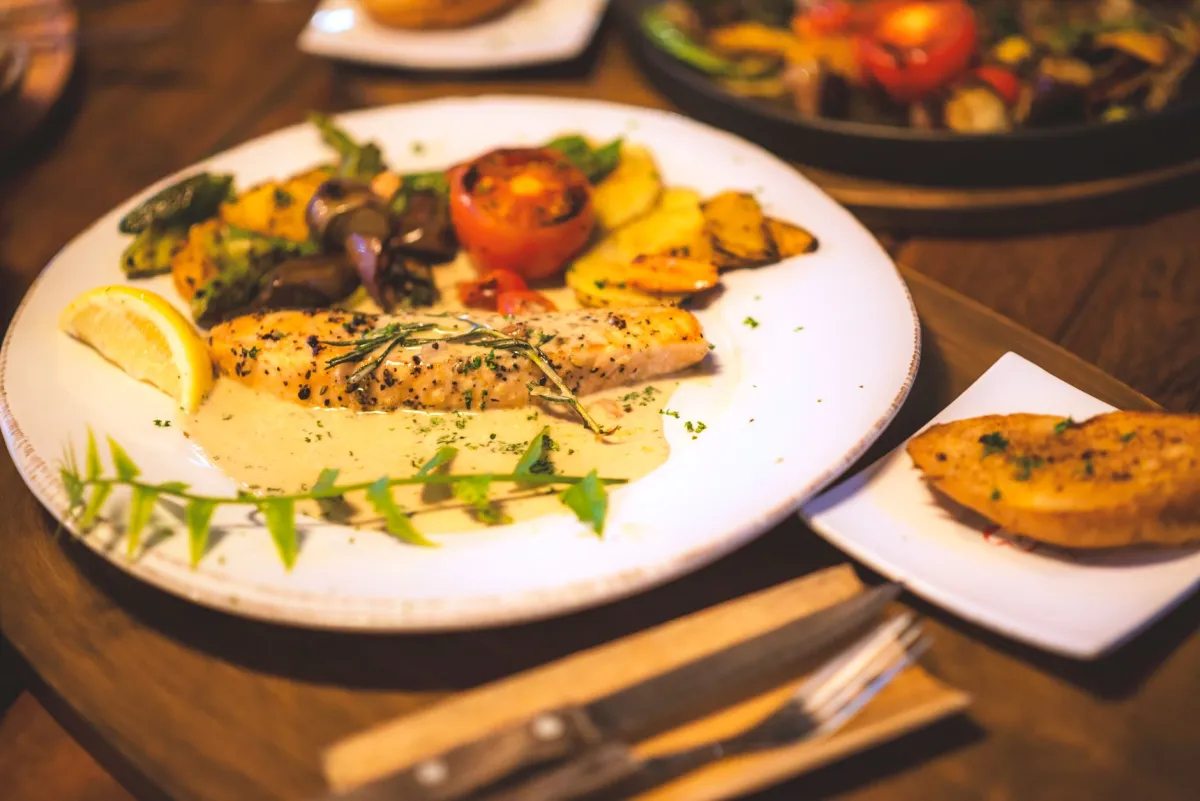
It’s 6 PM, your knees feel stiff, and dinner has to happen in 30 minutes. You’ve probably heard that salmon and berries help with inflammation, and you’re not wrong. What you really need is a plan for Tuesday night.
- Your 7 Day Anti Inflammatory Meal Plan Printable
- How Do You Use This Anti Inflammatory Meal Plan Printable?
- How Can You Adjust the Plan for Your Kitchen?
- Common Mistakes That Sink an Anti Inflammatory Diet
- Who Should Talk to a Doctor or Dietitian First?
- What Does the Research Say About Anti Inflammatory Eating?
- FAQ
- The Bottom Line
The plan follows the eating pattern with the most research behind it: plenty of vegetables and fruit, beans, whole grains, fish and olive oil, with fewer ultra-processed foods (packaged foods with long ingredient lists and little left of the original plant or animal). Portions are for one adult, leftovers do double duty, and most dinners take 40 minutes or less.
Your 7 Day Anti Inflammatory Meal Plan Printable
Amounts serve one adult. Double the grocery list for two. Swap days freely.
Week 1: Daily Meals
| Day | Breakfast | Lunch | Dinner | Snack |
|---|---|---|---|---|
| Day 1 | Oatmeal, berries, walnuts | Lentil soup, carrot sticks | Baked salmon, sweet potato, broccoli | Apple with almond butter |
| Day 2 | Greek yogurt, berries, ground flax | Leftover salmon over spinach | Chickpea curry with brown rice | Carrots and hummus |
| Day 3 | Spinach mushroom egg scramble, toast | Leftover curry, extra spinach | Sheet-pan chicken, peppers, onions | Orange and walnuts |
| Day 4 | Overnight oats, chia, tart cherries | Chicken quinoa bowl, lemon dressing | Black bean tacos, slaw, avocado | Greek yogurt with cinnamon |
| Day 5 | Berry spinach smoothie with flax | Leftover beans over kale salad | Tuna pasta, cherry tomatoes, spinach | Pear and pumpkin seeds |
| Day 6 | Avocado toast with an egg | Lentil soup from the freezer | Shrimp stir-fry, broccoli, brown rice | Berries and dark chocolate |
| Day 7 | Spinach, mushroom, pepper omelet | Kale salad, shrimp, tomatoes | Turkey and bean chili | Popcorn with olive oil |
Prep Notes for the Week
- Before Day 1: cook lentil soup, brown rice and quinoa.
- Freeze half the soup for Day 6.
- Day 1: bake both salmon fillets.
- Day 3: roast extra chicken for Day 4.
- Day 4: save extra beans for Day 5.
- Day 6: cook extra shrimp for Day 7.
Grocery List: Produce
| Item | Approx. amount | Used on |
|---|---|---|
| Mixed berries (frozen is fine) | 2 bags | Days 1, 2, 5, 6 |
| Frozen tart cherries | 1 small bag | Day 4 |
| Baby spinach | 2 large tubs | Days 2, 3, 5, 7 |
| Kale | 1 bunch | Days 5, 7 |
| Broccoli | 2 heads | Days 1, 6 |
| Bell peppers | 4 | Days 3, 6, 7 |
| Sweet potatoes | 2 | Day 1 |
| Red cabbage | 1 small head | Day 4 |
| Cherry tomatoes | 2 pints | Days 5, 7 |
| Carrots | 1 bag (2 lb) | Days 1, 2, 6 |
| Mushrooms | 8 oz | Days 3, 7 |
| Onions and garlic | 3 onions, 1 head | Most days |
| Avocados | 2 | Days 4, 6 |
| Apples, oranges, pears | 2 of each | Snacks |
| Lemons | 2 | Dressings |
| Fresh ginger | 1 small knob | Days 2, 6 |
Grocery List: Proteins and Dairy
| Item | Approx. amount | Used on |
|---|---|---|
| Salmon fillets | 2 (about 12 oz) | Days 1, 2 |
| Chicken thighs or breasts | About 1 lb | Days 3, 4 |
| Eggs | 1 dozen | Days 3, 6, 7 |
| Plain Greek yogurt | 32 oz tub | Days 2, 4 |
| Frozen shrimp | About 8 oz | Days 6, 7 |
| Canned tuna or sardines | 2 cans | Day 5 |
| Ground turkey | About 1 lb | Day 7 |
Grocery List: Grains, Beans and Pantry
| Item | Approx. amount | Used on |
|---|---|---|
| Rolled oats | 1 canister | Days 1, 4 |
| Brown rice | 1 bag | Days 2, 6 |
| Quinoa | 1 small bag | Day 4 |
| Whole-wheat pasta | 1 box | Day 5 |
| Whole-grain bread | 1 loaf | Days 3, 6 |
| Corn tortillas | 1 pack | Day 4 |
| Dried lentils | 1 lb bag | Days 1, 6 |
| Canned chickpeas | 1 can | Day 2 |
| Canned black beans | 2 cans | Days 4, 5 |
| Canned kidney beans | 1 can | Day 7 |
| Canned crushed tomatoes | 3 cans | Days 2, 7 |
| Low-sodium broth | 1 carton (32 oz) | Day 1 |
| Plain popcorn kernels | 1 small bag | Day 7 |
Grocery List: Fats, Nuts and Flavor
| Item | Approx. amount | Used on |
|---|---|---|
| Extra-virgin olive oil | 1 bottle | Daily |
| Walnuts | 1 small bag | Days 1, 3 |
| Almond butter | 1 jar | Day 1 |
| Ground flaxseed | 1 small bag | Days 2, 5 |
| Chia seeds | 1 small bag | Day 4 |
| Pumpkin seeds | 1 small bag | Day 5 |
| Hummus | 1 tub | Day 2 |
| Turmeric, cumin, curry powder | 1 jar each | Days 2, 7 |
| Cinnamon | 1 jar | Days 1, 4 |
| Dark chocolate (70% or more) | 1 bar | Day 6 |
Frozen fruit, frozen fish and canned beans all count. They’re often cheaper and keep longer, which matters when your budget is tight.
How Do You Use This Anti Inflammatory Meal Plan Printable?
Print the plan, shop once from the grocery list, and spend about an hour prepping before Day 1. After that, follow the days in whatever order fits your week. The structure matters more than hitting every meal exactly. If Thursday falls apart and you grab a turkey sandwich, Friday still counts.
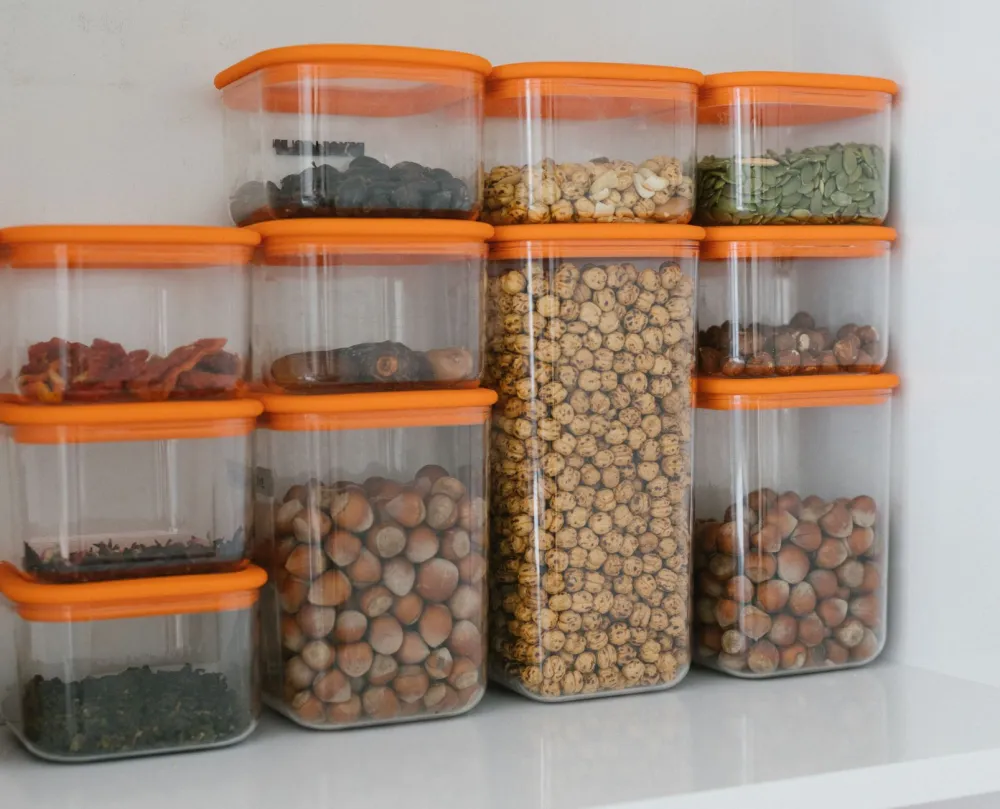
Here’s how to get this plan off the fridge and onto your plate:
- Print two copies: one for the fridge, one for your phone case or tote bag at the store.
- Shop your pantry first: cross off the spices, oats and oil you already own before you buy anything.
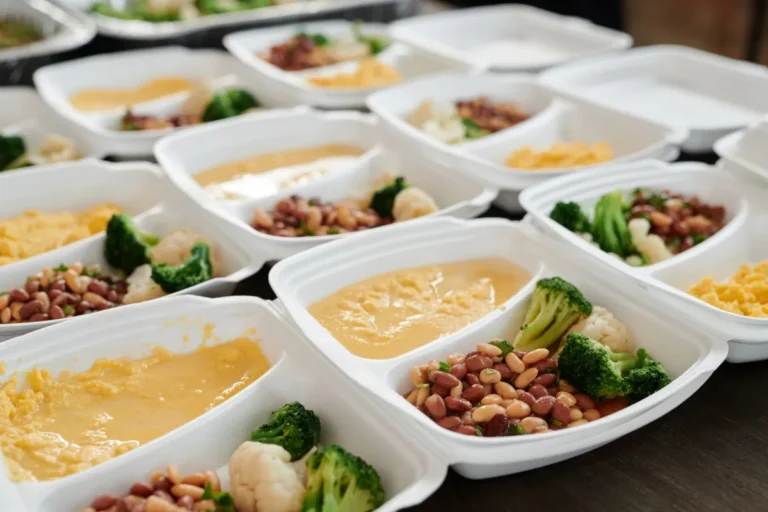
- Prep in one session: a pot of lentil soup, a batch of brown rice and some washed greens cover a surprising number of meals.
- Cook once, eat twice: every dinner on Days 1, 2, 3 and 6 feeds a lunch the next day.
- Repeat what you liked: after week one, keep your favorite days and swap out the rest.
If batch cooking leaves you drained by Sunday night, these ideas for meal prep for busy weeks without burnout can help you split the work into smaller chunks.
What should you expect in the first two weeks?
Most people notice practical changes first. Meals built on beans, oats and vegetables tend to feel more filling, so that 3 PM vending machine run may lose some of its pull. More fiber can also mean extra gas or bloating for a week or two. That usually settles if you increase your portions of beans gradually and drink enough water.
What you probably won’t see is a dramatic overnight change in joint stiffness or skin. In research, shifts in inflammation markers are usually measured over weeks to months, and results vary a lot from person to person. Think of this first stretch as practice, not a test.
How Can You Adjust the Plan for Your Kitchen?
You can adapt this 7-day plan for vegetarian, vegan, gluten-free or tight budgets by swapping one ingredient at a time. Keep the overall pattern of plants, healthy fats and steady protein, and the meals will still feel like the same plan. The swaps below keep the spirit of each meal intact.
| If you are… | Try this swap | Why it works |
|---|---|---|
| Vegetarian | Tofu or tempeh for fish | Keeps protein steady |
| Vegan | Soy yogurt, extra beans for eggs | Replaces dairy and egg protein |
| On a tight budget | Canned salmon or sardines | Omega-3s at lower cost |
| Allergic to fish | Daily walnuts, chia or flax | Plant omega-3 source |
| Avoiding gluten | Certified gluten-free oats, rice pasta | Same meals, no gluten |
| Extra hungry | Add a grain or bean portion | More fuel, same pattern |
Vegetarians should know that the plant omega-3 in walnuts, chia and flax, called alpha-linolenic acid (ALA), converts to the omega-3s found in fish only in small amounts. That makes it a worthwhile addition, but not an exact substitute.
Making it work on a budget
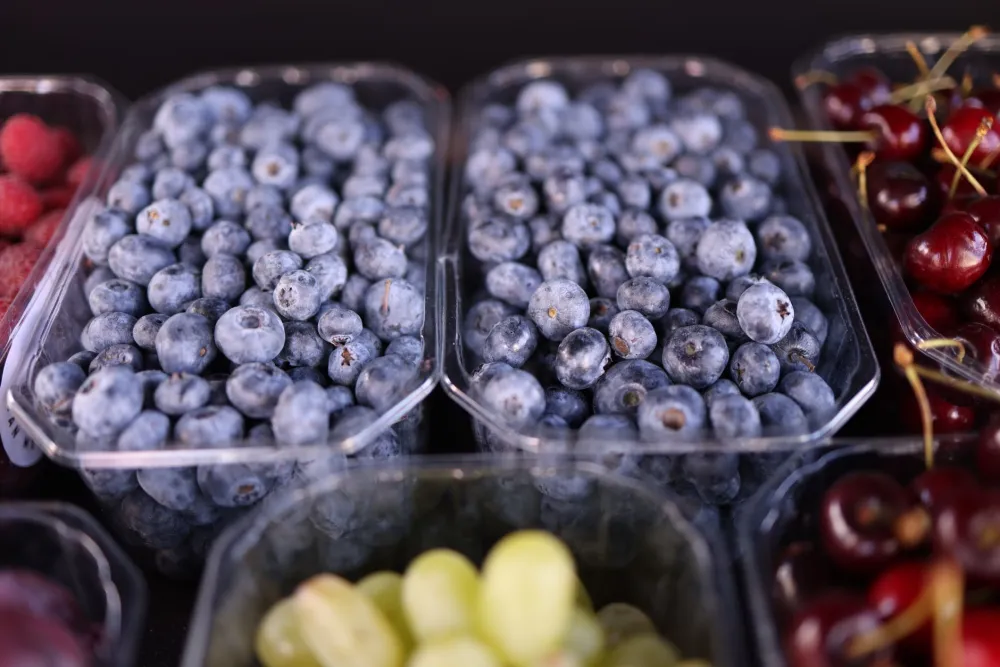
An anti inflammatory diet doesn’t require specialty powders or organic everything. Store-brand frozen berries, frozen broccoli, dried lentils, canned beans and canned fish are some of the best-value foods in any American grocery store.
Portion sizes without counting
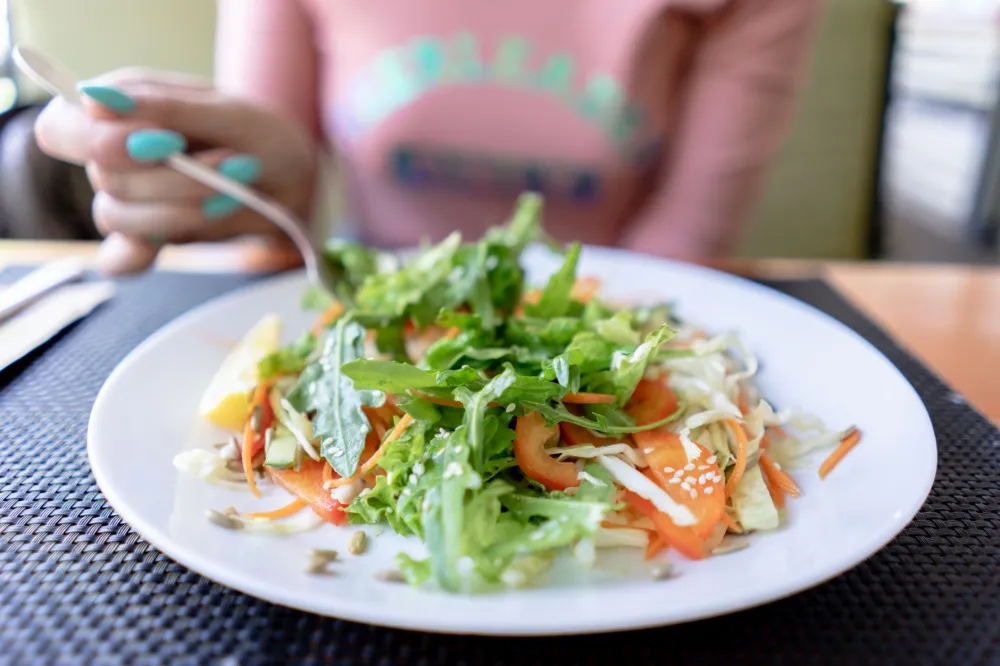
This plan deliberately skips calorie targets. A simple guide is the plate model: roughly half vegetables or fruit, a quarter protein, and a quarter whole grains or starchy vegetables, with a drizzle of olive oil. Eat until you’re comfortably full, not stuffed. If you have a specific weight goal or a medical condition, a registered dietitian can tailor portions safely.
Common Mistakes That Sink an Anti Inflammatory Diet
The biggest mistake is treating anti inflammatory foods like a medicine you take on top of an otherwise unchanged diet. A spoonful of turmeric won’t cancel out a daily soda habit. Research tends to link the pattern of your whole week to better health, not a single ingredient.
- Changing everything at once: overhauling every meal on Monday often ends in takeout by Wednesday. Start with breakfast and dinner, then add the rest.
- Skimping on protein: big salads with no beans, eggs or fish leave many people hungry an hour later.
- Fearing all fat: olive oil, nuts, avocado and salmon are central to the plan, not extras to skip.
- Letting leftovers die in the fridge: the plan relies on them, so pack lunch the night before.
- Ignoring sleep and movement: poor sleep and long stretches of sitting matter too, so food is only one lever.
If the hardest part for you is the afternoon sweet tooth, these tips on cutting added sugar without feeling deprived pair well with the snack column of this plan.
Who Should Talk to a Doctor or Dietitian First?
Most healthy adults can follow this plan safely. Anyone with a chronic condition, a medication that interacts with food, or a history of disordered eating should check with a doctor or registered dietitian before changing how they eat. A quick conversation can prevent avoidable problems.

- Blood thinners: leafy greens contain vitamin K, which can affect warfarin. Your doctor may want your intake to stay consistent rather than jump suddenly.
- Diabetes medicines: shifting carbohydrate sources can change blood sugar patterns, so ask how to monitor.
- Kidney disease: beans, potatoes and many fruits are high in potassium, which some people need to limit.
- Digestive conditions: people with inflammatory bowel disease (IBD) or irritable bowel syndrome (IBS) may not tolerate a quick jump in fiber.
- Pregnancy, breastfeeding or past eating disorders: talk to your doctor about fish choices and about any structured eating plan.
Joint pain, fatigue or skin flares that are severe or persistent deserve a real medical evaluation, not just a diet change. Red-flag symptoms such as chest pain, trouble breathing, a sudden severe headache, numbness or weakness, a hot and swollen joint with fever, or unexplained weight loss mean seeing a doctor promptly.
What Does the Research Say About Anti Inflammatory Eating?
Research suggests that eating patterns rich in vegetables, fruit, whole grains, legumes, nuts, fish and olive oil are associated with lower levels of inflammation in the body. Diets heavy in ultra-processed foods are associated with higher levels. The evidence is strongest for the overall pattern, not for any single food or supplement.
Chronic inflammation is a low-grade immune response that lingers for months or years instead of switching off after an injury heals. It’s linked with conditions such as heart disease and type 2 diabetes. Harvard Health has long recommended tomatoes, olive oil, leafy greens, nuts, fatty fish and fruit as anti inflammatory foods, while suggesting you limit refined carbohydrates, fried foods, sugary drinks and processed meats.
Much of the supporting research is observational. Scientists track what large groups of people eat and compare their health over time. These studies can show links, but they can’t prove cause. Randomized trials, where people are assigned to a diet, have generally supported Mediterranean-style eating for heart health. The Mayo Clinic describes the Mediterranean diet as a heart-healthy way of eating, and this plan borrows heavily from it. If you want a variation, our Mediterranean diet meal plan printable follows the same principles.
Another piece of the puzzle is your microbiome, the trillions of bacteria living in your gut. Fiber from beans, oats and vegetables feeds these microbes, and researchers are still studying how that may influence inflammation. You can read more about what feeds your gut microbiome.
Myth vs. fact
| Myth | What the evidence suggests |
|---|---|
| One superfood fights inflammation alone | Overall eating pattern matters most |
| Nightshades inflame everyone | Little evidence for most people |
| Turmeric pills replace a good diet | Supplement research is mixed |
| Everyone should go gluten-free | Needed mainly for celiac or sensitivity |
| You’ll feel different in days | Changes, if any, take weeks |
On fish, the American Heart Association recommends at least two servings a week, about 3.5 ounces (roughly 100 grams) cooked per serving, especially fatty fish like salmon or sardines. This plan includes fish or seafood on five days, though only the salmon and tuna meals count as fatty or oily fish, so check that you reach two servings a week.
For a quick reference you can tape inside a cabinet, our anti inflammatory foods list printable pairs well with the grocery list above.
FAQ
The Bottom Line
An anti inflammatory meal plan printable works best as a starting structure, not a strict rulebook. Print it, shop once, prep a pot of lentil soup and a batch of grains, and let leftovers carry your lunches. Focus on adding beans, greens, fish, nuts and olive oil rather than banning foods, and give the pattern several weeks before judging how you feel. If you have a chronic condition or take medications that interact with food, check with your doctor or a dietitian before you start.
This article is for informational purposes only and is not a substitute for professional medical advice, diagnosis, or treatment. Always consult a qualified healthcare provider about your specific situation. If you experience severe or sudden symptoms, seek medical care immediately.

Weight Loss and Nutrition
Browse every related article on this topic in one place.