

Why Retinol Burns So Many Beginners and What to Do Instead
You bought the bottle, followed the instructions, woke up two days later with a tight, flaky, fire-engine-red face, and quietly shoved it to the back of the cabinet. Sound familiar? You are not alone, and that experience is not proof that retinol isn’t for you.
- Why Retinol Burns So Many Beginners and What to Do Instead
- What Exactly Is Retinol?
- Why Does Retinol Irritate Skin in the First Place?
- What the Research Actually Says
- Retinol Myths vs. Facts
- How to Start Retinol Without the Irritation: A Practical Plan
- What to Expect Week by Week
- What You Should NOT Combine With Retinol
- Special Situations: Who Should Be More Careful?
- When Should You See a Dermatologist?
- FAQ
- The Bottom Line
Retinol is a form of vitamin A that helps your skin cells turn over faster, which may reduce fine lines, fade dark spots, and smooth texture over time. According to the American Academy of Dermatology, retinoids (the broader family that includes retinol) are among the most studied and evidence-supported ingredients in skin care. The problem isn’t the ingredient itself. The problem is how most people start using it.
This article covers exactly what retinol is, why the irritation happens, what the research says about using it safely, and a practical week-by-week approach that gives your skin time to adjust. If you’ve been curious but nervous, keep reading.
What Exactly Is Retinol?
Retinol is a specific type of retinoid, and retinoids are vitamin A derivatives your skin can convert into retinoic acid, the active compound that actually changes how your skin cells behave. Think of it like a chain: retinol sits one step away from the end product, which means it’s gentler than prescription tretinoin (also called retinoic acid) but still meaningfully effective.
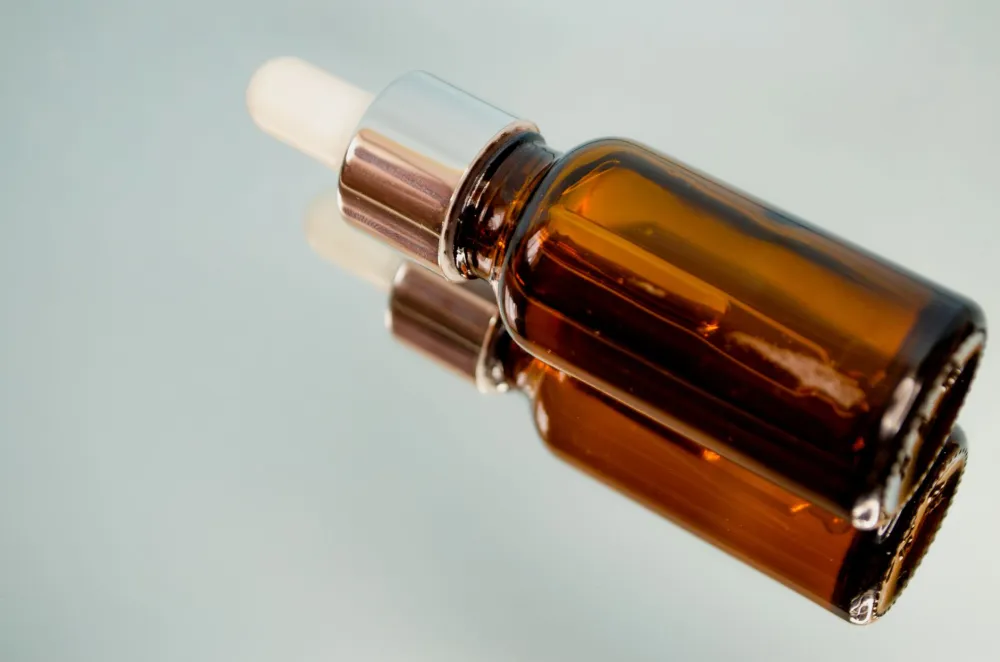
Over-the-counter retinol products are widely available in serums, creams, and oils. Prescription retinoids like tretinoin are stronger and require a dermatologist’s sign-off. For most beginners, starting with an over-the-counter retinol makes sense, especially if your skin tends to be sensitive.
What retinol actually does in your skin
Your skin naturally replaces itself every 28 to 40 days or so. That cycle slows as you get older, which is part of why fine lines and dull texture show up more in your 30s and 40s. Retinol signals skin cells to turn over more quickly and may also stimulate collagen production, the structural protein that keeps skin firm. Harvard Health notes that decades of peer-reviewed research support retinol’s role in improving the visible signs of aging, though individual results vary.
It also helps with acne. If you’ve been dealing with breakouts alongside fine lines (welcome to being an adult human), you might find the crossover useful. The article on adult acne and why it keeps coming back covers that territory in more detail, but retinol’s ability to prevent pores from clogging is one reason dermatologists recommend it for both concerns.
Why Does Retinol Irritate Skin in the First Place?
The irritation has a name: retinization. It describes the adjustment period your skin goes through when it first encounters a retinoid, and it’s almost entirely caused by using too much, too fast.
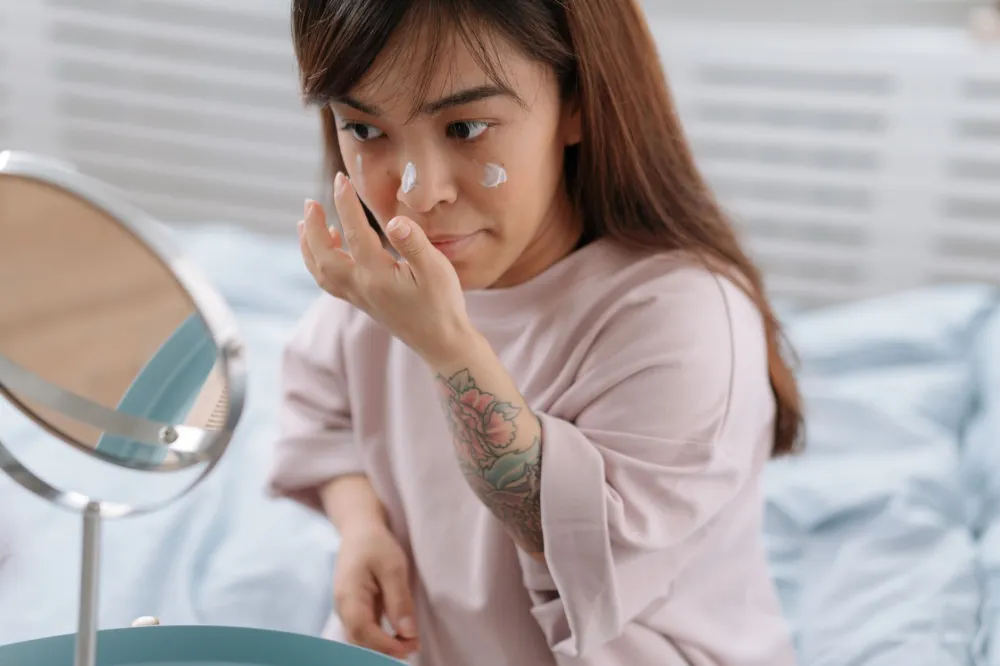
When retinol speeds up cell turnover, it temporarily disrupts your skin’s outer barrier, the thin protective layer that keeps moisture in and irritants out. A compromised barrier means your skin loses water more easily and becomes more reactive to everything, including wind, your cleanser, and even your pillowcase. The result is dryness, peeling, redness, and sometimes a stinging feeling that makes you wonder why anyone does this voluntarily.
Here’s the thing: these side effects are real, but they are not inevitable. They are a sign of too much retinol applied too often, not a sign that your skin is rejecting the ingredient permanently.
What the Research Actually Says
The evidence for retinol is genuinely strong, which is not something you can say about most skin care ingredients. Multiple randomized controlled trials (studies where participants are randomly assigned to use the ingredient or a placebo, the gold standard for testing) have shown that retinoids can visibly improve fine lines, skin texture, and hyperpigmentation (uneven skin tone or dark spots) with consistent use over several months.
A few things the research supports clearly:
- Low concentrations work: Studies suggest that 0.025% retinol can produce measurable skin improvements with significantly less irritation than higher concentrations, making it a smart starting point.
- Time matters more than strength: Consistent use over 12 to 24 weeks tends to produce better results than jumping to a high concentration quickly and then quitting because of irritation.
- Moisturizing reduces side effects: Research published in dermatology journals supports the “sandwich method” (more on that below), where you apply moisturizer before or after retinol to buffer its effects without significantly reducing its effectiveness.
What the research does NOT strongly support: the idea that you need to use pharmaceutical-grade prescription tretinoin to see results if you’re a beginner. Over-the-counter retinol, used consistently, may deliver real improvements for most people without a prescription. The Mayo Clinic notes that while prescription retinoids are more potent, they also carry a higher risk of side effects, which makes the gentler over-the-counter option a reasonable starting point for most adults.
Retinol Myths vs. Facts
There’s a lot of noise around this ingredient. Let’s clear some of it up.
| The Myth | What’s Actually True |
|---|---|
| Retinol thins your skin | Research suggests it may actually thicken the deeper layers of skin over time by boosting collagen |
| You can’t use retinol in summer | You can use it year-round; daily SPF 30 or higher is required regardless of season |
| More is always better | Higher concentrations cause more irritation without proportionally better results for beginners |
| Retinol makes your skin sun-sensitive forever | It increases sensitivity during adjustment, but SPF habits should be lifelong anyway |
| Results appear within a week | Most people need 8 to 12 weeks of consistent use before noticing visible change |
| Sensitive skin types can’t use retinol | Many people with sensitive skin tolerate low-concentration retinol with a careful introduction |
How to Start Retinol Without the Irritation: A Practical Plan
This is the section most beginner guides rush through. Don’t skip any of these steps, even if they seem overly cautious. Your skin will thank you around week six.

What to Expect Week by Week
Setting realistic expectations is half the battle. Here’s an honest timeline for most beginners using the slow-start approach described above.
| Time Frame | What’s Happening | What You May Notice |
|---|---|---|
| Weeks 1 to 2 | Skin begins adjusting to increased cell turnover | Possibly nothing yet, mild dryness at most |
| Weeks 3 to 4 | Retinization peaks for some people | Some flaking or redness; back off to once a week if needed |
| Weeks 5 to 8 | Barrier rebuilds, tolerance improves | Irritation usually subsides; skin may look brighter |
| Weeks 9 to 12 | Collagen stimulation begins accumulating | Improved texture and tone; fine lines may appear softer |
| Months 6 and beyond | Consistent collagen and cell-turnover benefits | Most visible improvements; may tolerate higher concentration |
Knowing that weeks three and four can be the roughest patch helps you stay the course instead of abandoning ship right before your skin adjusts.
What You Should NOT Combine With Retinol
A few combinations can push irritation from manageable to genuinely painful. This is worth knowing before you build out the rest of your routine.
On the same night as retinol, skip these ingredients:
- AHAs and BHAs (like glycolic acid, lactic acid, or salicylic acid): These are chemical exfoliants that increase cell turnover independently, and layering them with retinol is essentially doubling down on your skin’s renewal rate at once. Very likely to cause significant irritation for a beginner.
- Benzoyl peroxide: This common acne treatment may actually oxidize retinol and reduce its effectiveness, on top of increasing dryness.
- Vitamin C serums in high concentrations: The pH levels of high-dose vitamin C can reduce retinol stability. Some people use vitamin C in the morning and retinol at night with no issue, which is the safer approach.
Ingredients that pair well with retinol include hyaluronic acid (a hydrating molecule that pulls water into the skin), ceramides (lipids that help repair and strengthen the skin barrier), niacinamide (vitamin B3, which may soothe redness), and plain fragrance-free moisturizers. Getting your product layering order right matters too. The guide on the right order to apply skin care products walks through exactly where each product type fits in your routine.
Special Situations: Who Should Be More Careful?
Retinol is generally considered safe for most adults, but a few groups need extra caution or should skip it entirely.
If you are pregnant or breastfeeding, retinoids are typically avoided entirely because high doses of vitamin A have been linked to birth defects in studies of prescription-strength oral retinoids. The topical risk from over-the-counter retinol is likely much lower, but the standard medical guidance is to skip it and discuss alternatives with your OB or midwife. This is one of those situations where “talk to your doctor” is not a throwaway phrase.
People with eczema (a chronic skin condition causing dry, itchy patches), rosacea (a condition involving redness and visible blood vessels, often on the face), or psoriasis may find that retinol aggravates their skin more than average. Starting at the lowest possible concentration with dermatologist guidance is the smarter path. If you have any of these conditions, your skin is already working harder to maintain its barrier, and adding retinol without guidance can set off a flare.
Dry skin in general also benefits from extra attention to the moisturizing side of the retinol routine. If you’re already dealing with seasonal dryness in fall or winter, the piece on fixing your routine before dry winter skin gets worse has practical layering tips that apply directly here.

When Should You See a Dermatologist?
Most retinol irritation is mild and manageable at home. But some reactions are worth a professional look.
See a dermatologist if you notice any of the following:
- Severe burning or stinging that persists for hours after application, not just a brief warmth
- Widespread swelling or hives, which could signal an allergic reaction rather than standard irritation
- Skin that isn’t improving after six to eight weeks of the low-and-slow approach described here
- Darkening or worsening hyperpigmentation, especially in deeper skin tones, since post-inflammatory hyperpigmentation can sometimes be triggered by barrier disruption
A board-certified dermatologist can also assess whether prescription tretinoin, a retinoid with a stronger evidence base and more precise dosing, might suit your goals better once your skin has built some tolerance. They may also recommend retinaldehyde, a newer over-the-counter option that sits between retinol and retinoic acid in potency and tends to have a gentler side-effect profile for some people.
For a broader look at evidence-backed approaches to skin aging beyond just one ingredient, the guide on anti-aging basics that beat expensive creams is worth bookmarking. And if under-eye circles are part of what you’re trying to address, the research-backed article on what actually helps with under-eye circles covers treatments that work alongside a retinol routine rather than against it.
FAQ
The Bottom Line
Retinol for beginners works best when you treat it like a new habit rather than a quick fix. Start at 0.025% or 0.05%, use it just two nights per week, and always sandwich it between layers of moisturizer to protect your skin barrier. Expect a possible rough patch around weeks three and four, stay consistent through it, and give the ingredient at least 8 to 12 weeks before judging the results. If you do those things, you’re working with what the research actually supports. And yes, wear your SPF every morning. That part’s non-negotiable. For personalized guidance, especially if you have sensitive skin or a skin condition, a conversation with a dermatologist is always worth it.
This article is for informational purposes only and is not a substitute for professional medical advice, diagnosis, or treatment. Always consult a qualified healthcare provider about your specific situation. If you experience severe or sudden symptoms, seek medical care immediately.