Plenty of GLP-1 advice tells you to eat more protein, then skips the hard part. On these weight-loss medications (like Ozempic and Wegovy), half a chicken breast can feel like a Thanksgiving dinner. Meanwhile, muscle can quietly slip away along with the fat. Here’s how much protein to aim for, why it matters, and how to get it down when your appetite has gone quiet.
- Why do GLP-1 and protein go hand in hand?
- GLP-1 and protein: how much should you eat each day?
- Why is it so hard to eat enough protein on a GLP-1?
- How do you hit your protein target with a small appetite?
- Does strength training matter as much as protein?
- Are protein shakes and supplements worth it?
- GLP-1 and protein myths vs facts
- What should you expect in the first few months?
- When should you see a doctor or dietitian?
- FAQ
- The Bottom Line
Why do GLP-1 and protein go hand in hand?
These medications quiet your appetite so well that many people end up eating far less protein than their muscles need. Part of the weight they lose can then come from lean tissue instead of fat. Protein plus strength training is the main tool you have for tipping that balance back toward fat loss.
GLP-1 medications copy a gut hormone called glucagon-like peptide-1, which tells your brain you’re full and slows how fast your stomach empties. Semaglutide (sold as Ozempic and Wegovy) and tirzepatide (Mounjaro and Zepbound) are the best-known versions, and tirzepatide also acts on a second hormone called GIP. For the full background, our guide to how GLP-1 drugs work, their results and risks covers the basics.
Here’s the thing: when you lose weight by any method, not every pound is fat. Some of it is lean mass, meaning the muscle, water, organs and bone that make up everything besides fat. In large clinical trials of semaglutide and tirzepatide that used a DEXA scan (a special X-ray that measures body composition), a meaningful share of the weight lost came from lean mass, often estimated at roughly a quarter to two-fifths.
That sounds scary, and context helps. Lean mass isn’t all muscle, and similar proportions show up with other fast weight loss, including very low-calorie diets. Researchers are still sorting out how much of that loss is true muscle, and whether the muscle left behind works better once it carries less weight.
Even so, muscle loss deserves attention for a few practical reasons:
- Everyday strength: Muscle gets you up off the couch, up the stairs and through carrying a week of groceries from the car.
- Healthy aging: Muscle naturally declines with age, a process called sarcopenia, so losing extra during weight loss matters more after midlife.
- Blood sugar control: Muscle is one of the main places your body stores and uses glucose (blood sugar).
- Keeping weight off: Muscle burns slightly more energy at rest than fat does. The effect is modest, but it adds up over years.

GLP-1 and protein: how much should you eat each day?
Many dietitians and obesity medicine specialists suggest about 1.0 to 1.5 grams of protein per kilogram of goal body weight a day while you’re losing weight on a GLP-1 medication. That’s roughly 0.45 to 0.7 grams per pound, and it’s well above the protein minimum most Americans hear about.
The official Recommended Dietary Allowance (RDA) for adults is 0.8 grams per kilogram, or about 0.36 grams per pound. Harvard Health has explained that the RDA is the minimum needed to meet basic nutritional requirements, not a target for every situation. Losing weight while eating much less is exactly the kind of situation where many experts suggest aiming higher, especially for older adults.
Which body weight should you use?
If you have a lot to lose, multiplying your current weight can produce a number that’s hard to eat and probably higher than you need. Many clinicians base the target on your goal weight or an adjusted body weight instead. Your doctor or a registered dietitian (RD) can pick the right starting point for you.
The GLP-1 and protein math in plain numbers
Take your goal weight in pounds, divide by 2.2 to get kilograms, then multiply by 1.2 for a solid middle target. Someone aiming for 160 pounds (about 73 kg) would land near 87 grams a day, within a range of roughly 73 to 109 grams. The chart below does the math for you:
| Goal weight | In kilograms | At 1.0 g/kg | At 1.2 g/kg | At 1.5 g/kg |
|---|---|---|---|---|
| 130 lb | About 59 kg | About 59 g | About 71 g | About 89 g |
| 150 lb | About 68 kg | About 68 g | About 82 g | About 102 g |
| 170 lb | About 77 kg | About 77 g | About 93 g | About 116 g |
| 190 lb | About 86 kg | About 86 g | About 104 g | About 130 g |
| 210 lb | About 95 kg | About 95 g | About 115 g | About 143 g |
Treat these numbers as a target range, not a pass-or-fail test. If you’re eating 50 grams a day now, getting to 75 is real progress. Most people do better raising protein gradually over a few weeks than overhauling every meal at once.
Why is it so hard to eat enough protein on a GLP-1?
These medications slow stomach emptying and dial down hunger, so you can feel full after a few bites. Protein-rich foods are among the most filling foods there are, which makes them a tough sell. Nausea, especially in the weeks after a dose increase, can make meat and eggs the last thing you want to see on a plate.
Many people describe the constant mental chatter about food, sometimes called food noise, finally going quiet. That can feel like a huge relief. But a quieter appetite doesn’t send any nutrition reminders, and it’s easy to drift through a day of coffee, a few crackers and half a bowl of pasta that adds up to very little protein.
This is where the advice has to get practical. Big, greasy meals tend to make nausea worse for many people on these drugs. That’s one reason lean, soft proteins such as yogurt, eggs, fish and tofu often go down easier than a burger and fries.
If you’ve noticed you’re weaker on the stairs or tired in a way that feels different, our article on losing muscle on GLP-1 and protecting your metabolism explains what may be happening and what steps may help.
How do you hit your protein target with a small appetite?
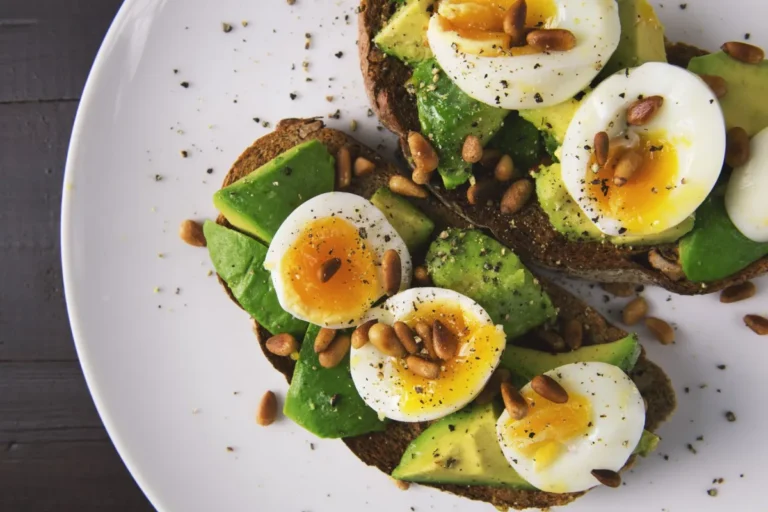
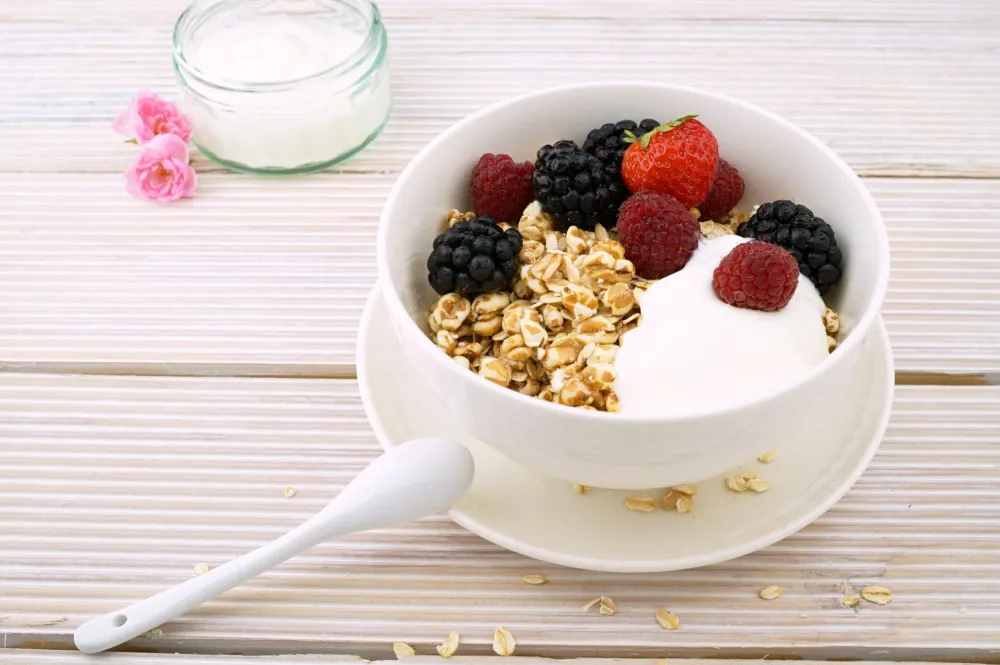
Start with protein at every meal, aim for about 25 to 30 grams per sitting, and fill the gaps with easy, soft or drinkable protein. Some research on muscle suggests spreading protein across the day may work better than cramming it into dinner. It’s also kinder to a stomach that fills up fast.
These steps build on each other, so start with the first one or two and add the rest once they feel normal.
So which foods pack the most protein into the least stomach space? Lean, dense options win. Here are common grocery staples with approximate amounts, though brands vary, so check the Nutrition Facts label.
| Food | Serving | Protein (approx.) | Small-appetite tip |
|---|---|---|---|
| Plain nonfat Greek yogurt | 1 cup (about 225 g) | About 20 to 23 g | Cold and easy on nausea |
| Low-fat cottage cheese | 1 cup | About 25 g | Pairs well with fruit |
| Cooked chicken breast | 3 oz (85 g) | About 26 g | Shred it for soups |
| Canned tuna | 3 oz (85 g) | About 20 g | Strong smell for some |
| Eggs | 2 large | About 12 g | Soft scrambled goes down easily |
| Cooked lentils | 1 cup | About 18 g | Fiber fills you fast |
| Milk or soy milk | 1 cup (240 ml) | About 7 to 8 g | Easy to sip |
Plant proteins count fully toward your total. Tofu, tempeh and edamame are especially protein-dense, and mixing beans, lentils and whole grains across the day helps cover the amino acids (the building blocks of protein) your muscles need.
Does strength training matter as much as protein?
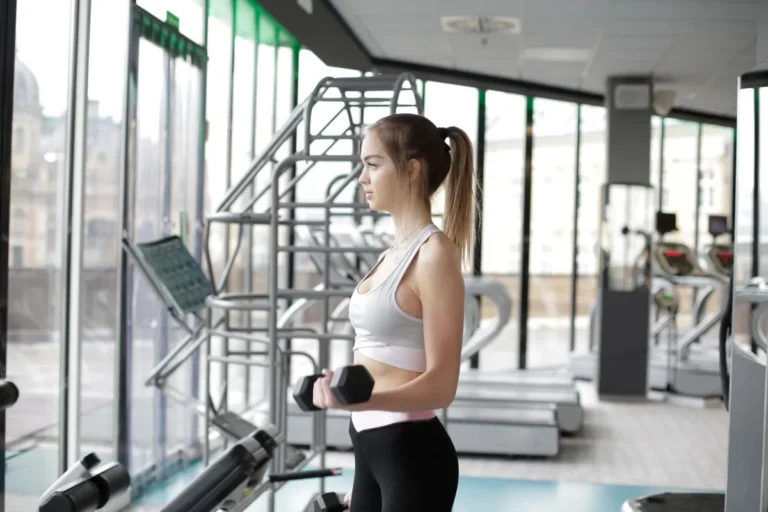
Yes, and arguably more. Protein supplies the raw material, but resistance exercise is the signal that tells your body to hold on to muscle. Research on weight loss generally suggests that protein and strength training together protect lean mass better than either one alone.
According to the CDC, adults should do muscle-strengthening activities at least two days a week that work all the major muscle groups, plus about 150 minutes a week of moderate activity like brisk walking. Walking is great for your heart, mood and blood sugar. It just doesn’t send the same muscle-keeping signal as lifting something heavy.
You don’t need a gym membership to start. A realistic beginner plan is two short sessions a week built around sit-to-stands from a chair, wall push-ups, resistance band rows, glute bridges and carrying a loaded grocery bag around the house. Aim for 8 to 12 controlled reps, and when the last few feel easy, add a little weight or a few more reps.
Energy can dip when you’re eating less, so short sessions still count. Ten focused minutes beats skipping altogether. If you’re curious how lifting stacks up against cardio for fat loss, our breakdown of strength training vs cardio for weight loss lays out the evidence.

Are protein shakes and supplements worth it?
Protein shakes can help when whole food won’t go down, but they’re convenience food, not magic. Most other muscle supplements marketed to GLP-1 users have thin evidence behind them. The FDA doesn’t approve dietary supplements for safety or effectiveness before they hit the shelf.
The popular options break down like this:
- Protein shakes and powders: Most ready-to-drink shakes provide around 20 to 30 grams. Whey, soy and pea protein are all reasonable choices. Look for a third-party testing seal such as NSF or USP, and watch out for sugar alcohols, which can cause bloating in some people.
- Collagen: Collagen counts toward total protein, but it’s low in tryptophan, one of the essential amino acids your body can’t make on its own. That makes it a weak main source for building muscle. Collagen coffee isn’t doing what the ads promise.
- Creatine monohydrate: One of the most studied supplements, with good evidence that it may boost strength gains when paired with resistance training. Research specific to GLP-1 users is limited, and anyone with kidney concerns should ask a doctor first.
- Branded muscle blends: Products built around HMB (a compound made from the amino acid leucine) or amino acid pills tend to be pricey, and the evidence is weak or mixed. Food and lifting do most of the heavy lifting here.
Supplements can interact with prescription medications, so tell your pharmacist or doctor about anything you take, powders included. Shakes work best as a bridge on tough days, not a replacement for meals. Whole foods also bring fiber, the plant material that keeps digestion moving, which helps with the constipation many GLP-1 users deal with.
GLP-1 and protein myths vs facts
The biggest myth is that the scale tells you whether your plan is working. Strength and how you feel matter just as much. Here’s what the research supports, and where it runs out.
- Myth: Muscle loss is unavoidable. Fact: Some lean mass loss is common with any big weight loss, but adequate protein and regular resistance training may meaningfully reduce it.
- Myth: More protein is always better. Fact: Beyond your target, extra protein hasn’t been shown to build extra muscle, and it can crowd fiber-rich plants off a plate that’s already small.
- Myth: High protein harms healthy kidneys. Fact: In people with healthy kidneys, research hasn’t shown that moderately higher-protein diets cause damage. Existing kidney disease is a different story, so get personal advice.
- Myth: Protein bars are health food. Fact: Many are closer to candy bars with added protein, and their sugar alcohols can upset a sensitive stomach.
- Myth: The medication does all the work. Fact: The drug changes your appetite. What you eat and how you move help decide what kind of weight you lose.
What should you expect in the first few months?
Most people find the first weeks are about adjusting to a much smaller appetite. The protein habit often takes a month or two to feel automatic. Expect some trial and error, especially around dose increases, when side effects may flare.
Getting GLP-1 and protein right is a habit you build in stages, not a perfect plan you follow from day one. This rough timeline reflects what many people experience, though everyone responds differently:
- Weeks 1 to 4: Appetite drops and nausea may come and go. Focus on soft and drinkable protein, small portions and fluids, and don’t worry about hitting your full number yet.
- Months 1 to 3: Build the routine. Add two strength sessions a week and check your protein intake a few days a week to stay honest.
- Month 3 and beyond: Watch strength, not just pounds. If carrying groceries or climbing stairs gets harder, tell your care team; some clinics offer body composition scans to check lean mass.
- Planning for maintenance: The muscle you keep now may help you hold on to your results later. Talk with your prescriber about long-term plans rather than changing anything on your own.

When should you see a doctor or dietitian?
Talk to your prescriber or a registered dietitian if you can’t reach even half your protein target most days, if you’re losing weight faster than your care team expected, or if you feel unusually weak or dizzy. Some symptoms need prompt medical care, not a better meal plan.
A registered dietitian can tailor your plan to your food preferences, budget and other health conditions. Ask your doctor for a referral, and check whether your insurance covers nutrition counseling, since some plans do for certain conditions. If you have a history of disordered eating, tell your care team, because a suppressed appetite can bring old patterns back.
Get medical care promptly for red-flag symptoms: severe stomach pain that won’t go away (with or without vomiting), being unable to keep fluids down, signs of dehydration such as very dark urine or dizziness when standing, chest pain, trouble breathing, a sudden severe headache, or new numbness or weakness. These aren’t reasons to keep reading, so call your doctor or seek care right away. Severe or persistent symptoms of any kind deserve a real medical evaluation.
FAQ
The Bottom Line
GLP-1 and protein work best as a team: the medication quiets your appetite, while protein and strength training help make sure the weight you lose is mostly fat. Many experts suggest roughly 1.0 to 1.5 grams of protein per kilogram of goal weight a day, spread across meals in 25 to 30 gram portions. Start by eating protein first at every meal and scheduling two short strength sessions this week. If you have kidney disease or struggle to eat enough, get a personal plan from your doctor or a registered dietitian.
This article is for informational purposes only and is not a substitute for professional medical advice, diagnosis, or treatment. Always consult a qualified healthcare provider about your specific situation. If you experience severe or sudden symptoms, seek medical care immediately.

Weight Loss and Nutrition
Browse every related article on this topic in one place.