
You walk into the grocery store with good intentions, get sidetracked by the snack aisle, and walk out with the same cart you bought last week. A clean eating food list printable, stuck to the fridge or saved on your phone, is one of the simplest ways to break that loop. It turns a vague goal into a specific list you can actually shop from.
- Clean Eating Food List Printable: 45 Whole Foods
- How Do You Use This Clean Eating Food List Printable?
- How Do You Adjust the List for Your Life?
- What Clean Eating Mistakes Should You Avoid?
- Who Should Check With a Doctor or Dietitian First?
- What Does the Research Say About Clean Eating?
- FAQ
- The Bottom Line
Nothing on this list is exotic. Every item is a regular supermarket food, so you won’t need a specialty store. Use it as a shopping list for weekly trips, a meal-planning cheat sheet or a quick reminder of what to reach for first.
Clean Eating Food List Printable: 45 Whole Foods
How to read the tags: Eat freely means pile it on. Eat regularly means a daily or near-daily staple in normal portions. Moderation means nutritious but calorie-dense, so measure it.
Vegetables (eat freely)
| Item | Typical serving | Approx. calories | Tag and tip |
|---|---|---|---|
| Spinach | 2 cups raw | about 15 | Eat freely; salads or sautéed |
| Broccoli | 1 cup chopped | about 30 | Eat freely; frozen works too |
| Carrots | 1 medium | about 25 | Eat freely; easy raw snack |
| Bell peppers | 1 medium | about 25 to 40 | Eat freely; red is sweetest |
| Cauliflower | 1 cup chopped | about 25 | Eat freely; roast or rice it |
| Tomatoes | 1 medium | about 20 | Eat freely; canned counts too |
| Zucchini | 1 cup sliced | about 20 | Eat freely; quick sauté |
| Green beans | 1 cup | about 30 to 45 | Eat freely; frozen is fine |
| Onions | 1/2 cup chopped | about 30 | Eat freely; flavor base |
Fruits (mostly eat freely)
| Item | Typical serving | Approx. calories | Tag and tip |
|---|---|---|---|
| Apples | 1 medium | about 95 | Eat freely; keep skin on |
| Bananas | 1 medium | about 105 | Eat freely; freeze overripe ones |
| Blueberries | 1 cup | about 85 | Eat freely; frozen costs less |
| Strawberries | 1 cup | about 50 | Eat freely; rinse right before eating |
| Oranges | 1 medium | about 60 to 70 | Eat freely; whole beats juice |
| Pears | 1 medium | about 100 | Eat freely; good fiber source |
| Grapes | 1 cup | about 105 | Eat regularly; freeze for snacks |
Proteins (eat regularly)
| Item | Typical serving | Approx. calories | Tag and tip |
|---|---|---|---|
| Eggs | 1 large | about 70 to 80 | Eat regularly; fast breakfast protein |
| Chicken breast | 3 oz cooked | about 140 | Eat regularly; skinless, not breaded |
| Salmon | 3 oz cooked | about 150 to 175 | Eat regularly; rich in omega-3s |
| Canned tuna in water | 3 oz | about 80 to 110 | Eat regularly; light tuna is lower mercury |
| Ground turkey, 93% lean | 3 oz cooked | about 170 to 180 | Eat regularly; tacos and bowls |
| Plain Greek yogurt | 6 oz nonfat | about 100 | Eat regularly; skip sweetened cups |
| Black beans | 1/2 cup cooked | about 115 | Eat freely; rinse canned beans |
| Lentils | 1/2 cup cooked | about 115 | Eat freely; no soaking needed |
| Chickpeas | 1/2 cup cooked | about 135 | Eat freely; roast for crunch |
Whole grains and starchy vegetables (eat regularly)
| Item | Typical serving | Approx. calories | Tag and tip |
|---|---|---|---|
| Rolled oats | 1/2 cup dry | about 150 | Eat regularly; plain, not flavored packets |
| Brown rice | 1/2 cup cooked | about 110 to 125 | Eat regularly; cook a big batch |
| Quinoa | 1/2 cup cooked | about 110 | Eat regularly; rinse before cooking |
| 100% whole wheat bread | 1 slice | about 70 to 100 | Eat regularly; whole wheat listed first |
| Sweet potatoes | 1 medium baked | about 100 | Eat regularly; microwave in minutes |
| Potatoes | 1 medium baked | about 160 | Eat regularly; skin adds fiber |
| Air-popped popcorn | 3 cups | about 90 to 95 | Eat regularly; skip butter-flavored bags |
Healthy fats, nuts and seeds (moderation)
| Item | Typical serving | Approx. calories | Tag and tip |
|---|---|---|---|
| Extra virgin olive oil | 1 tbsp | about 120 | Moderation; measure, don’t pour |
| Avocado | 1/3 medium | about 80 | Moderation; adds creaminess |
| Almonds | 1 oz (about 23) | about 165 | Moderation; unsalted or lightly salted |
| Walnuts | 1 oz | about 185 | Moderation; plant omega-3 fats |
| Natural peanut butter | 2 tbsp | about 190 | Moderation; peanuts and salt only |
| Chia seeds | 1 tbsp | about 60 | Moderation; stir into oats |
| Ground flaxseed | 1 tbsp | about 35 | Moderation; ground beats whole seeds |
Pantry and flavor staples
| Item | Typical serving | Approx. calories | Tag and tip |
|---|---|---|---|
| Canned tomatoes, no salt added | 1/2 cup | about 20 to 25 | Eat freely; sauces and soups |
| Low-sodium broth | 1 cup | about 10 to 20 | Eat freely; check the sodium |
| Herbs and spices | 1 tsp | under 10 | Eat freely; skip salty blends |
| Vinegar | 1 tbsp | about 3 to 15 | Eat freely; easy dressings |
| Milk or unsweetened soy milk | 1 cup | about 80 to 120 | Eat regularly; choose unsweetened |
| Honey or maple syrup | 1 tbsp | about 50 to 65 | Moderation; still added sugar |
Foods to limit (not banned)
- Sugary drinks: soda, sweet tea, energy drinks, sweetened coffee drinks.
- Processed meats: bacon, hot dogs, salami and most deli meats.
- Packaged sweets: cookies, pastries, candy and frosted cereals.
- Fried fast food: fries, fried chicken and breaded snacks.
- Sweetened snack bars: many “healthy” bars are mostly sugar.
Calories are rounded approximations based on USDA FoodData Central values. They vary by brand, size and cooking method.
How Do You Use This Clean Eating Food List Printable?
Think of the list as a menu, not a rulebook. Pick a few foods from each group, shop for those, and build meals from what you bought. Most people find two or three picks per group is plenty for one week.

Here’s a routine that takes about 15 minutes before you shop:
- Shop your kitchen first: Circle what you already have so you don’t buy a third jar of peanut butter.
- Pick two or three per group: Highlight the vegetables, fruits, proteins and grains you’ll actually eat this week.
- Sketch four or five dinners: Use the plate pattern below and plan one leftovers night.
- Prep one thing on shopping day: Wash greens, cook a pot of grains or roast a tray of vegetables.
- Review on the weekend: Note what went to waste and buy less of it next time.
For the meals themselves, a reliable pattern is half the plate vegetables and fruit, about a quarter protein, about a quarter whole grains or starchy vegetables, plus a little healthy fat. That’s close to the USDA’s MyPlate model, and it works for breakfast bowls, sheet-pan dinners and packed lunches alike. Planning on paper? This free meal prep planner template pairs well with the list.
How Do You Adjust the List for Your Life?
Swap foods within each group rather than dropping whole groups. The structure stays the same, and only the specific items change. That’s how the list flexes for your budget, your diet style or your appetite.
Clean eating on a tight budget
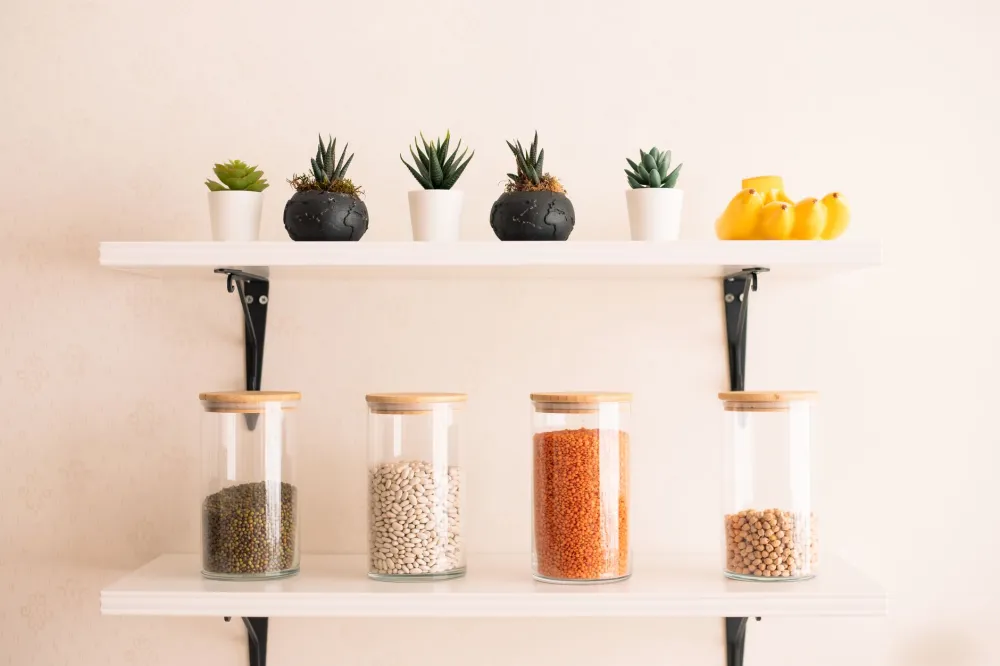
Clean eating doesn’t require organic labels or a premium grocery bill. The cheapest items on the list tend to be dry or canned beans, lentils, oats, brown rice, eggs, bananas, carrots, potatoes and frozen vegetables. Store-brand staples like plain oats or canned beans are often the same basic food as the name brand.
Buying a family pack of chicken and freezing portions can lower the cost per meal. A big pot of lentil soup on Sunday does the same trick. If weight loss is part of your plan, this calorie deficit grocery list uses many of the same whole foods with a portion-focused angle.
Vegetarian or vegan
Swap the animal proteins for extra beans, lentils, chickpeas, tofu, tempeh and edamame. Use unsweetened soy milk or soy yogurt in place of dairy. If you eat no animal foods at all, talk with your doctor about vitamin B12, which comes mainly from animal products and fortified foods.
Portion sizes and appetite
The servings on the list are typical reference amounts, not targets. A teenager at soccer practice, an adult at a desk all day and an older adult with a small appetite will each need different amounts. Let hunger and energy guide you, and check with your doctor if you feel shaky, irritable or hungry all the time.
Which swaps are easiest to keep?
Small swaps tend to stick better than a total overhaul. Here are the ones many people find easiest to keep:
| Instead of | Try | Why it may help |
|---|---|---|
| Flavored instant oatmeal | Plain oats plus fruit | Less added sugar |
| Soda or sweet tea | Sparkling water with citrus | No added sugar |
| Deli meat sandwich | Chicken or egg salad | Usually less sodium |
| White rice | Brown rice or quinoa | More fiber |
| Bottled dressing | Olive oil and vinegar | Fewer additives, no added sugar |
| Potato chips | Air-popped popcorn | Whole grain, more fiber |
Pick one swap a week. A month later, your cart looks different, and no single trip felt like a sacrifice.
What Clean Eating Mistakes Should You Avoid?
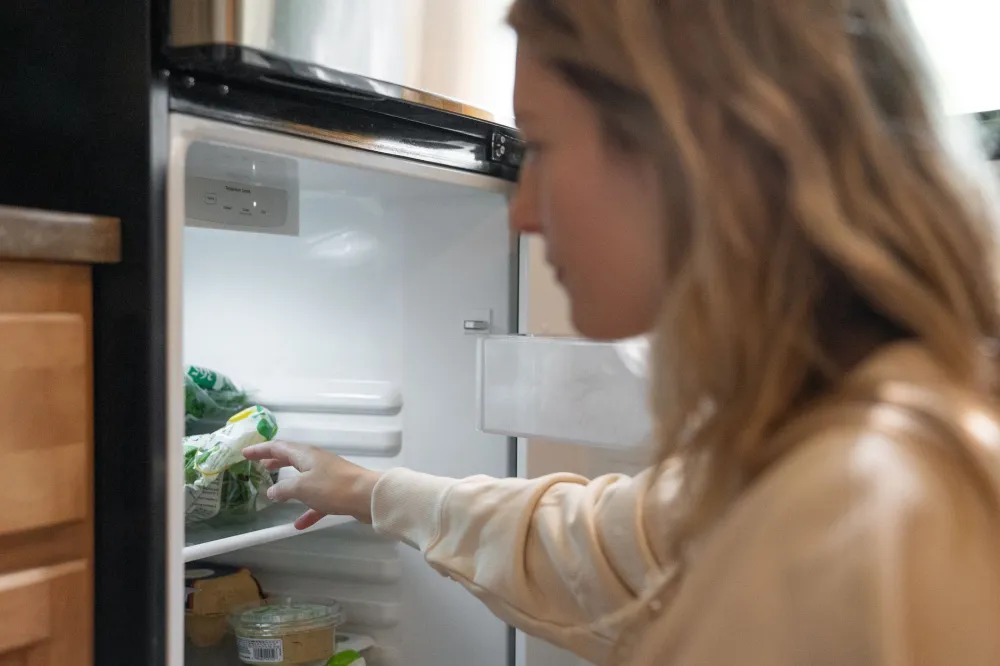
The big ones are turning a helpful list into strict rules, trusting “clean” claims on packaged food and buying more produce than you can eat. Each one is easy to fix once you spot it.
Watch for these five:
- Treating it as pass or fail: One slice of birthday cake doesn’t cancel a week of good meals. Flexible eating patterns tend to last longer than rigid ones.
- Trusting front-of-box words: Terms like “clean” and “natural” have no strict FDA definition on most foods. Read the ingredient list instead.
- Overbuying fresh produce: Wilted spinach in the crisper helps nobody. Mix fresh with frozen.
- Skipping protein and fat: A big salad with no protein can send you to the pantry an hour later. Add beans, eggs, fish or nuts.
- Forgetting about drinks: Juice, soda and sweetened coffee can quietly add a lot of sugar. These tips on cutting added sugar without feeling deprived help.
Here’s a useful gut check. If the list starts making meals feel stressful instead of simpler, loosen it up. The goal is a fuller cart of whole foods, not a shorter list of allowed ones.
Who Should Check With a Doctor or Dietitian First?
Most healthy adults can use a whole-foods list like this without special precautions. Some people need personal advice first, though. A registered dietitian (RD), a nutrition professional with clinical training, can tailor the list to your health needs and medications.
- Kidney disease: Beans, nuts, potatoes, bananas and dairy are high in potassium or phosphorus, which may need limits.
- Diabetes on medication: Changing your carbs can shift blood sugar, so your care team may need to adjust treatment.
- Blood thinners like warfarin: Leafy greens are rich in vitamin K, and big sudden changes in how much you eat can affect how the medicine works.
- A history of disordered eating: Lists with “eat” and “limit” tags can feed rigid thinking for some people.
- Pregnancy, allergies or digestive conditions: Ask your doctor for guidance specific to you.
Bring this list to your next appointment so you can cross items off or add them together. If you notice unexplained weight loss, ongoing stomach pain, chest pain or trouble breathing, see a doctor promptly. A grocery list can’t sort out symptoms like those.
What Does the Research Say About Clean Eating?
Researchers don’t study “clean eating” directly, partly because the term has no official definition. The research does support the core idea: more whole and minimally processed foods, fewer ultra-processed ones. Ultra-processed foods are industrial products made mostly from refined ingredients and additives, like packaged snack cakes and sugary cereals.
Clean eating is an informal label for a diet built mostly from whole or lightly processed foods, such as produce, beans, whole grains, nuts and simple proteins. There’s no medical standard behind it, which is why two “clean” blogs can hand you two very different lists.
One widely cited piece of evidence is a small, tightly controlled NIH study published in Cell Metabolism in 2019. When 20 adults ate an ultra-processed diet, they ate roughly 500 more calories a day and gained weight compared with a minimally processed diet, even though they could eat as much as they wanted on both. It was short and small, so think of it as a clue, not a verdict. You can read more in our breakdown of ultra-processed foods research and simple swaps.
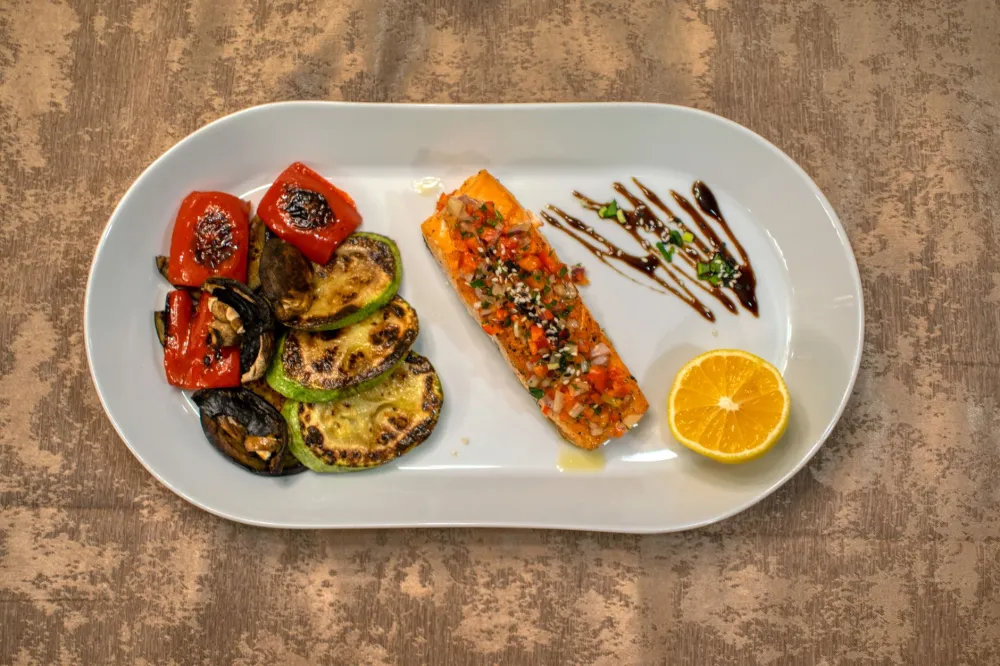
Most Americans have room to move in this direction. According to the CDC, only about 1 in 10 US adults eats enough fruits and vegetables. That’s why the list above puts produce first.
Fiber is another quiet win. The Mayo Clinic notes that high-fiber foods may help with regular bowel movements, cholesterol levels and blood sugar control. Fiber also feeds your microbiome, the trillions of bacteria living in your gut, and this gut health food list goes further on that front.
A few popular claims don’t hold up, though:
- Myth: it must be organic. Fact: conventional produce is nutritious, and clear health advantages for organic haven’t been shown.
- Myth: clean eating detoxes you. Fact: your liver and kidneys handle that job, and no food list cleanses your body.
- Myth: all processed food is bad. Fact: frozen vegetables, canned beans and plain yogurt are processed and still excellent choices.
FAQ
The Bottom Line
A clean eating food list printable works best as a shortcut, not a rulebook. Circle two or three foods in each group, shop for only those this week, and fill half your plate with produce. Lean on frozen, canned and store-brand staples to keep costs and waste down. If a health condition or medication could be affected by your diet, check your plan with your doctor or a dietitian first.
This article is for informational purposes only and is not a substitute for professional medical advice, diagnosis, or treatment. Always consult a qualified healthcare provider about your specific situation. If you experience severe or sudden symptoms, seek medical care immediately.

Weight Loss and Nutrition
Browse every related article on this topic in one place.